Shipping Container Home Decor: Affordable Ideas That Work

By Julio Arco
Architect and online interior designer

In this post
- Where should you start with shipping container home decor?
- Which colors make a small container feel bigger?
- How do you lay out a narrow container?
- Which materials and finishes work best inside a container?
- Shipping container home decor DIY
- How do you keep a metal box comfortable?
- Frequently asked questions
The short answer to how to decorate a shipping container: keep the palette light and limited, plan the layout before you buy anything, and deal with sound and temperature early. A standard container is narrow, so every piece of furniture and every color choice is felt more than in a regular room.
If your container feels like a long steel tunnel right now, that's normal. Most of the fixes below are cheap, and many work for renters or for anyone borrowing ideas for a small apartment.

Where should you start with shipping container home decor?
Start with a tape measure and a simple floor plan, not a shopping list. Draw the walls, doors, windows and any built-in elements, then mark where you sleep, cook, eat and relax. A mood board with a few paint swatches and photos keeps impulse buys in check.
Then fix the things that are hard to change later: insulation, ventilation, windows and electrical. As an architect, I'd spend money there first and decorate second. Steel gets hot, cold and noisy, and no throw pillow solves that. For insulation and wiring, bring in a licensed professional.
Which colors make a small container feel bigger?
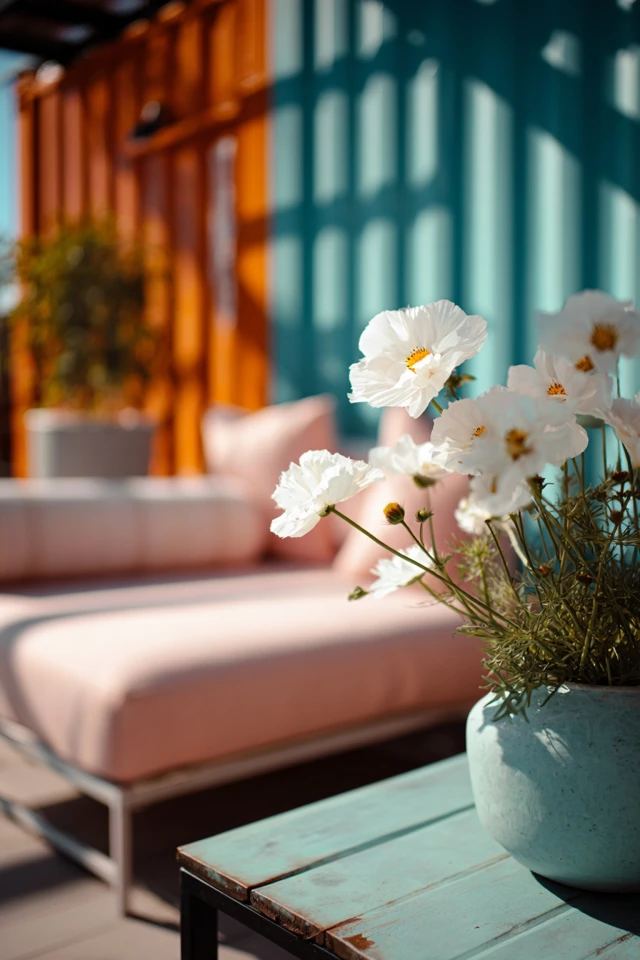
Light, low-contrast colors make walls feel farther away. Cooler tones such as soft greens, muted greys and pale blues tend to recede, while warm tones like terracotta and ochre feel closer and cozier. A good split for a narrow room is a light neutral on walls and ceiling, with warm accents in textiles and wood.
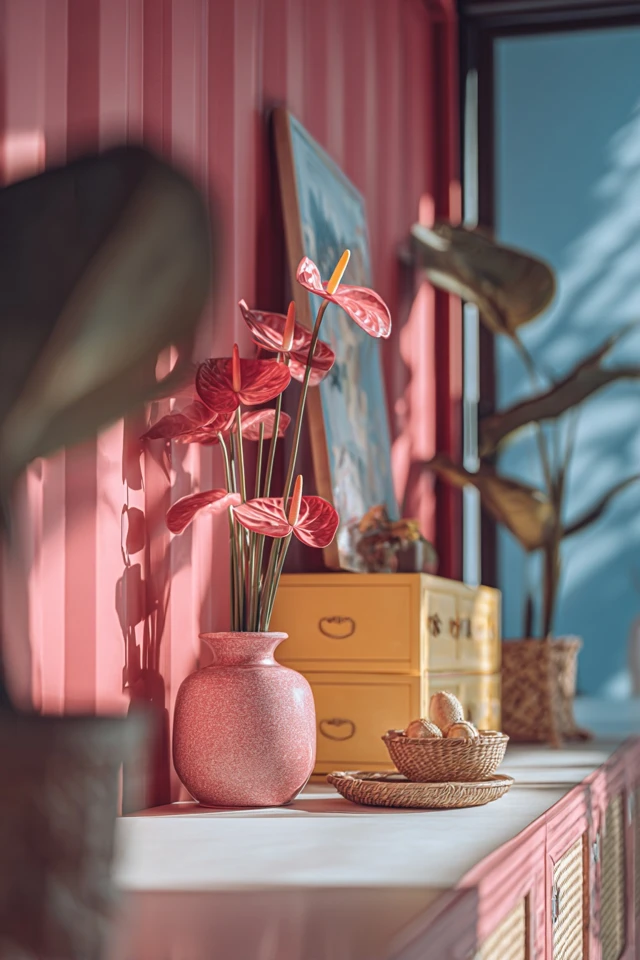
Strongly saturated colors work best in small doses: a moss-green entry wall, a deep teal backsplash or a dusty rose cushion. If your container gets little daylight, pick lighter paint with a satin finish so surfaces bounce some light back. In a north-facing room, add warm accents so the light doesn't read as sterile.
A simple formula: one main neutral, one tonal family (wood, slate, muted green) and two accents, one warm and one cool.

How do you lay out a narrow container?
Keep a clear walking path of about 30-36 inches down the length of the room and push storage to the sides. Define zones with rugs, lighting and furniture orientation rather than walls, so sightlines stay open.
Choose furniture that does two jobs
- Benches with storage inside
- Fold-down tables and wall-mounted desks
- Sleeper sofas and nesting tables
- A loft bed, if the ceiling height allows it, to free the floor for living
Keep pieces modest in scale. One oversized sectional will swallow the room, while a slim sofa facing a window gives the eye somewhere to travel. If you share the space with a dog, leave a corner for the bed so it doesn't land in the walkway.
What about multi-container layouts?
When containers are joined, you gain width and can create islands or buffer zones between rooms. Rugs and clusters of lighting help make smaller pockets inside the larger space. For more layout and finish ideas, see these interior makeover ideas for beginners.
Which materials and finishes work best inside a container?
Warm, soft materials balance the hard steel shell. Wood, cork and stone read as comfortable, and engineered wood or reclaimed timber adds warmth without much weight. Cork underfoot is soft and helps with sound.
Metal surfaces bounce sound around, so add rugs, wall textiles or acoustic panels. Matte black or brushed metal accents look calmer than high-shine ones and show fewer fingerprints. Layer linen, cotton and wool for texture, and choose quick-drying, breathable fabrics if your climate is humid.
In a small, tightly sealed home, low-VOC paints and finishes are a sensible choice for indoor air. In high-traffic areas, go with durable paint and washable textiles, especially if pets are climbing on the furniture.

Shipping container home decor DIY: which upgrades are cheapest?
These shipping container home decor ideas cost little and need no structural work, which suits renters and first-timers.
- Swap cabinet hardware and paint the cabinets.
- Add peel-and-stick backsplash tile or removable wallpaper.
- Install open shelving and wall hooks to use vertical space.
- Layer lighting: under-cabinet LEDs, a dimmable pendant and a lamp for accents.
- Hang thermal curtains to soften temperature swings and echo.
- Add hanging or narrow windowsill plants. Check with your vet that anything within reach of a dog or cat is safe for pets.
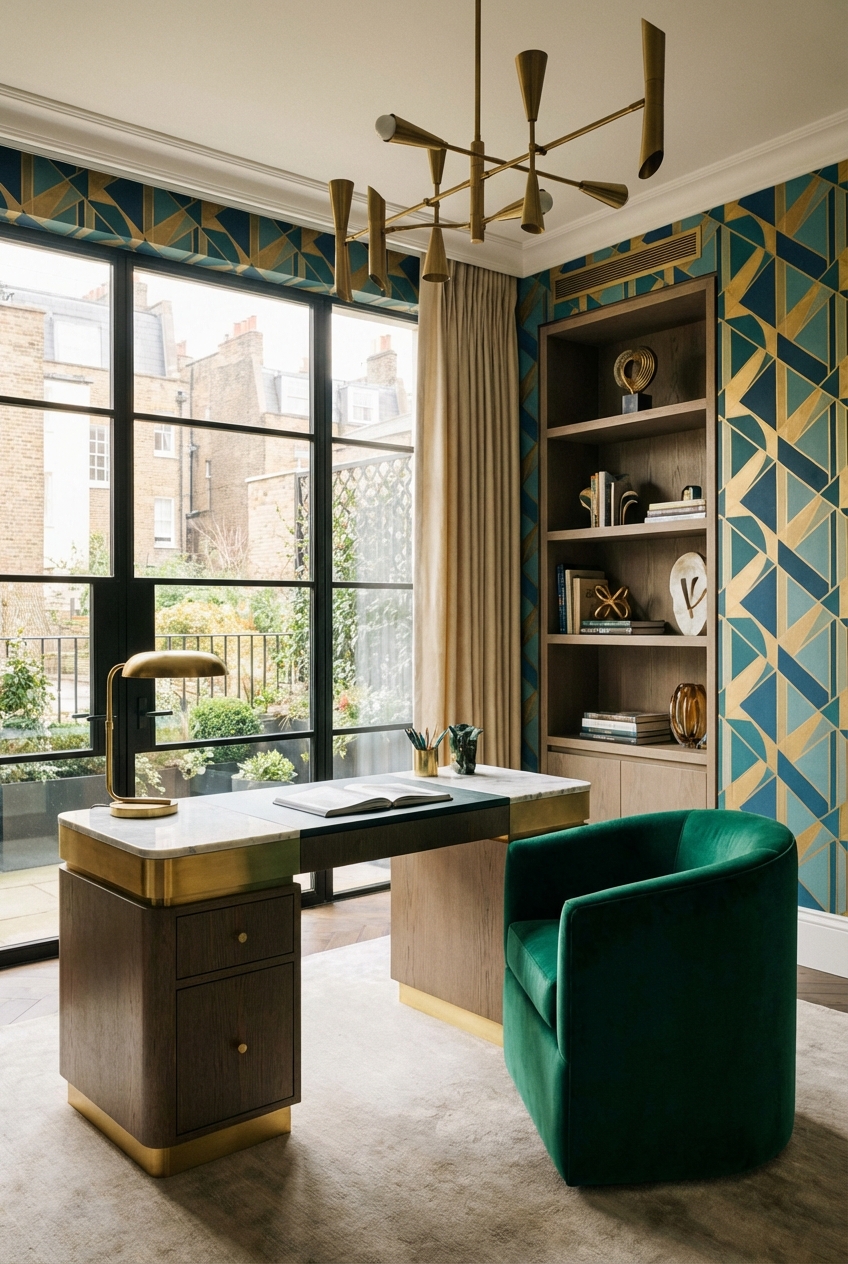
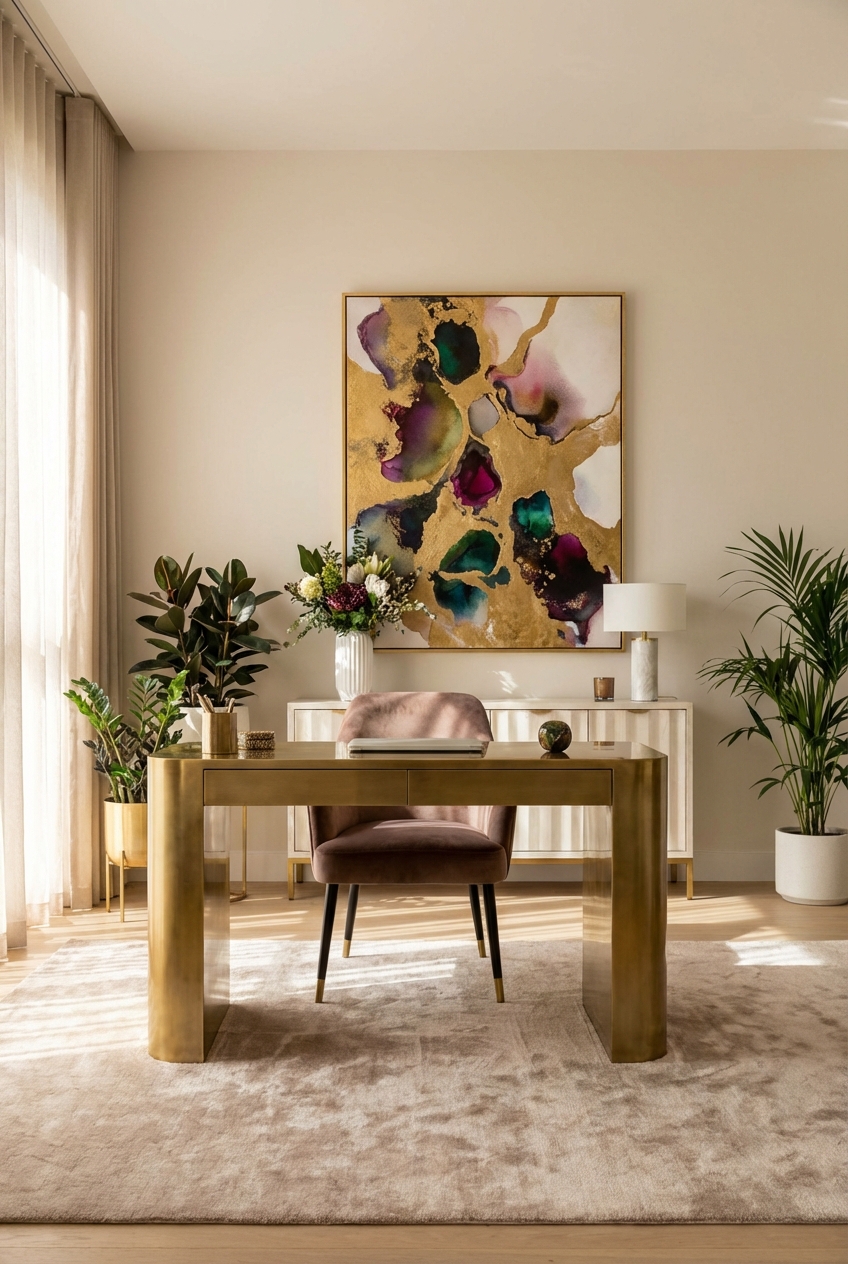
I recommend buying big pieces once, in a classic shape, and changing the look with cushions, art and lighting. Industrial touches like exposed beams and steel details already suit a container, so you rarely need more of them.

How do you keep a metal box comfortable?
Comfort comes from insulation, ventilation and daylight. Insulate the shell properly (your contractor can advise between spray foam and rigid boards for your climate), include windows you can open, and consider mechanical ventilation in a tight build. Larger glazed doors bring in light and a view, which makes a narrow room feel wider. A mirror opposite a window does similar work for very little money.
Daylight and contact with plants and outdoor views are linked to better wellbeing, so put your seating where it faces the brightest opening. For more styled examples, browse these elegant container home decor ideas.
Frequently asked questions
How to decorate a shipping container?
Plan the layout first, then use a light neutral palette, warm wood and textiles, layered lighting and multifunctional furniture. Handle insulation and sound early so decor isn't fighting the steel.
How can I make a small shipping container room feel larger?
Use light, low-contrast colors, keep a clear walking path, store things vertically and add daylight or a mirror. Consistent flooring along the length helps the eye travel.
What are budget-friendly upgrades that make a big impact?
New cabinet hardware, paint, peel-and-stick backsplash tile, open shelving and better lighting cost little and change the room noticeably.
How do I mix patterns without creating chaos?
Tie patterns together with one shared color, vary their scale and keep to two or three. Plain, textured pieces give the eye a rest.
Filed under
ArticlesMeet the author
Written by an architect.
Julio Arco is a passionate architect with years of experience in architecture, interior design, urban design, and housing. He studied at prestigious universities across North America and Europe.

- Name
- Julio Arco
- Job
- Architect and online interior designer
- Studied
- Architecture, ITESM · Urban Design and Housing, McGill
- Partner
- Thor, Australian Shepherd
- Thor’s title
- Head of quality control