Clerestory Windows: How to Style Rooms With High Windows
Learn how to style a room with clerestory windows: paint, furniture, window coverings, lighting and beams, with pet-friendly tips for daily use.

By Julio Arco
Architect and online interior designer
In this post
- Why clerestory light behaves differently
- How do you choose paint colors under clerestory windows?
- Where should furniture go in a room with high windows?
- Can you pair clerestory windows with beams and a vaulted…
- What textures and materials work best?
- Window coverings, glare and lighting
- A quick weekend checklist
- Frequently asked questions
Clerestory windows sit high on a wall, above eye level, so they bring in daylight without giving up privacy or wall space. To style around them, keep the furniture low, keep the wall below them calm, and choose paint colors you've tested under that overhead light.
If your room has a band of high windows and feels a little cool or empty, that's very common. The light is good; the room just needs warmth at ground level.
Why clerestory light behaves differently
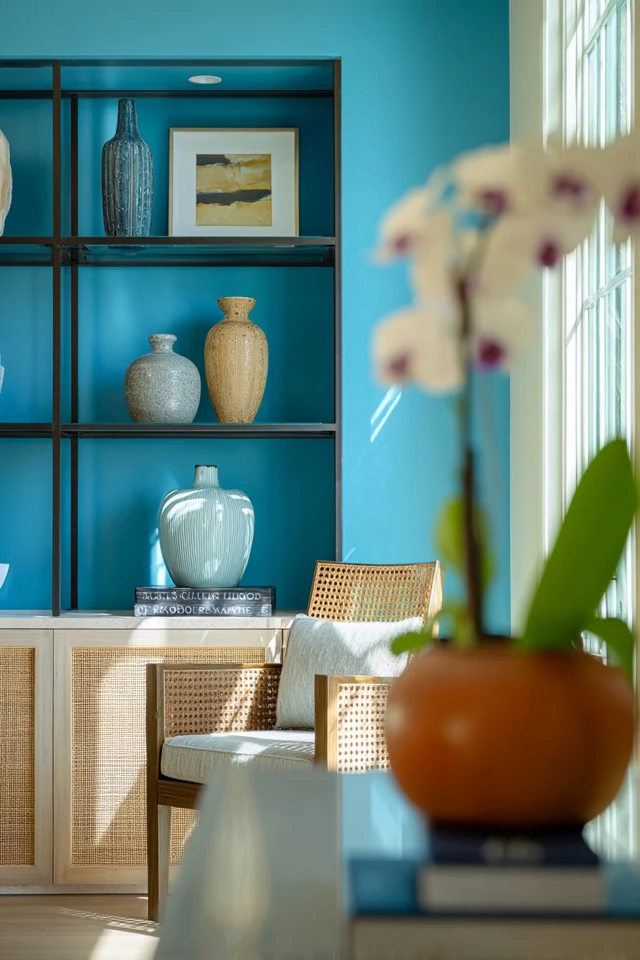
Light from a low window travels sideways and hits you at eye level. Light from a high window comes down from above, spreads across the ceiling and walls, and reaches deep into the room. The result is softer and more even, with fewer harsh patches on the floor.
It also changes how color reads. Overhead daylight often looks cooler than the light from a standard window, especially at midday. Warm materials such as wood, wool and linen balance that without any extra effort.
How do you choose paint colors under clerestory windows?
Test before you commit. Paint a large sample on the wall below the windows and another on the wall opposite, then look at both in the morning, at midday and in the evening with your lamps on. A color can change a lot between those moments.
- Creamy whites, warm grays and soft terracotta counter the cool light and make the room feel snug.
- Muted greens, blues and stone grays go with the sky light and suit a calm bedroom or office.
- Deep, saturated colors work, but they will shift more through the day than pale ones.
A matte or eggshell finish keeps overhead light soft. Glossy paint bounces it and shows every roller mark. If you like warm accents, our guide to colors that go with yellow shows how to pair them with neutral walls.
Where should furniture go in a room with high windows?
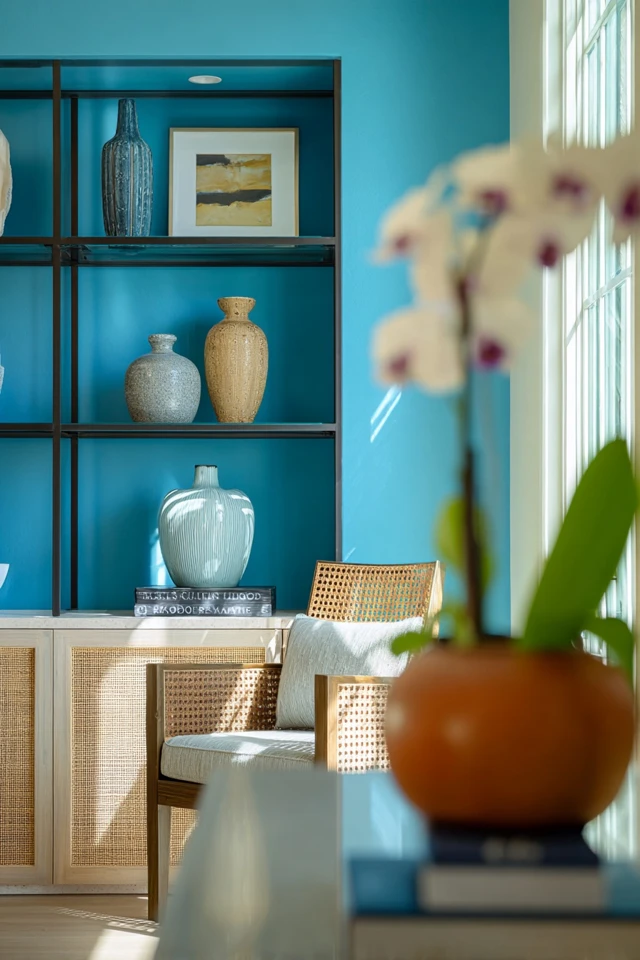
The windows draw the eye up, so give the eye something to land on below. As an architect, I'd anchor the room with a low focal point: a sofa, a fireplace or a console. That keeps the space grounded.
- Keep the wall under the windows open or use only low pieces, so light can travel down into the room.
- Use rugs to mark the seating, dining or reading areas. The even light covers all of them.
- In a small room, run furniture parallel to the window band. Long horizontal lines make the ceiling feel higher by contrast.
- In a large room, make a cozy cluster under each stretch of windows so the space doesn't feel like a hall.
Tall bookcases are fine if you treat them as a frame, but a bookcase that stops just short of the glass often looks like an accident.

Can you pair clerestory windows with beams and a vaulted ceiling?
Yes, and it's a classic combination. In a vaulted ceiling with beams living room, the high windows light the underside of the beams and show off the wood grain. Exposed beams on a cathedral ceiling also give the eye horizontal lines that make a tall room feel less like a barn.
For a modern vaulted ceiling with beams, keep the beams slim and the ceiling a light, matte color so the windows stay the main event. In a more traditional room, a darker beam against a pale ceiling keeps the structure readable. If beams are structural, their size and spacing come from the building's loads, so ask a licensed engineer or contractor before changing anything. Decorative beams are more flexible, but spacing should still match the room's proportions.
Uplights or wall washers can highlight beams in the evening. Keep the bulbs out of direct sightlines to avoid glare.
What textures and materials work best?
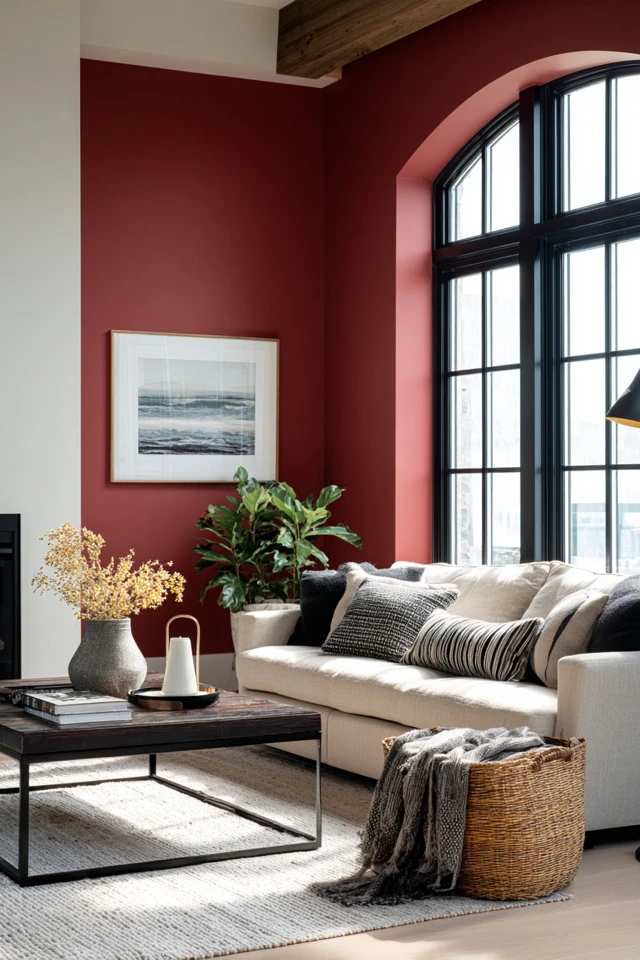
Overhead light creates long, soft shadows across anything with texture, so use it. Warm wood on floors, shelves or a mantel gives a human scale. Linen, wool and bouclé add softness and absorb sound.
If you share the room with a dog or cat, choose washable covers and tightly woven fabrics, because a sunny spot under the windows is exactly where pets like to nap. Direct sun can fade textiles over time, so rotate cushions and throws now and then. For plants, ferns and philodendrons do well in bright, indirect light; check with your vet or the ASPCA before bringing any plant home that a pet could chew.

Window coverings, glare and lighting
High windows are hard to reach, so think about operation first. Top-down shades or motorized options let you control privacy and glare without a ladder. Many clerestory windows face above neighbors' sightlines, so you may not need coverings for privacy at all. Glare on a screen or TV is the more common problem. Position seating and screens so the light falls beside them, not behind or in front.
After dark, those windows are black rectangles, so you need layered lighting. A dimmable ambient source, a warm lamp beside the seating and a small accent light on art or shelves will do it. The same logic applies in a bright sunroom, as in our small sunroom ideas, and in a work space, as in the black office guide, where controlling light matters most.
A quick weekend checklist
- Test two or three paint samples on the wall and watch them through a full day.
- Add one dimmable lamp near the main seat.
- Place a mirror to bounce light into a dark corner, away from direct reflections.
- Put a picture ledge or a low shelf under the windows instead of tall storage.
- Layer a rug on hard floors to soften light that reflects strongly.
Frequently asked questions
How far apart should ceiling beams be on a vaulted ceiling?
For structural beams, spacing is set by the engineer based on the load, so don't guess. For decorative beams, scale the spacing to the room: larger rooms and taller ceilings can take wider gaps, and small rooms look better with fewer, slimmer beams.
What is a ceiling with exposed beams called?
It's usually called a beamed ceiling or an exposed-beam ceiling. When the beams form a grid of recessed panels, it's called a coffered ceiling.
How can I make a small room with clerestory windows feel larger?
Use low furniture, paint the walls and ceiling in a similar light tone, and keep the wall under the windows clear. A mirror placed to catch the overhead light also helps.
What paint colors suit north-facing clerestory windows?
North light is cool and steady, so warm neutrals such as cream, soft warm gray or muted terracotta balance it. Test a large sample at different times of day first.
Filed under
ArticlesMeet the author
Written by an architect.
Julio Arco is a passionate architect with years of experience in architecture, interior design, urban design, and housing. He studied at prestigious universities across North America and Europe.

- Name
- Julio Arco
- Job
- Architect and online interior designer
- Studied
- Architecture, ITESM · Urban Design and Housing, McGill
- Partner
- Thor, Australian Shepherd
- Thor’s title
- Head of quality control