Breakfast Nook Ideas for Small Kitchens That Work

By Julio Arco
Architect and online interior designer
In this post
- Start with a built-in bench or banquette
- Which breakfast nook table fits a small space?
- How do you plan a corner breakfast nook?
- Pick a palette that makes the nook feel bigger
- Choose materials that survive breakfast
- Breakfast nook decor ideas that don't crowd the room
- Modern, DIY and budget routes
- Lighting for eating and for working
- Frequently asked questions
The best breakfast nook ideas for a small kitchen come down to three moves: put the seating against a wall, pick a round table, and keep a clear path around it. Everything else (color, textiles, lighting) is tuning.
You don't need a bay window or a spare room. A corner, the end of a galley kitchen or a stretch of wall about 5 feet long is enough for two to four people.
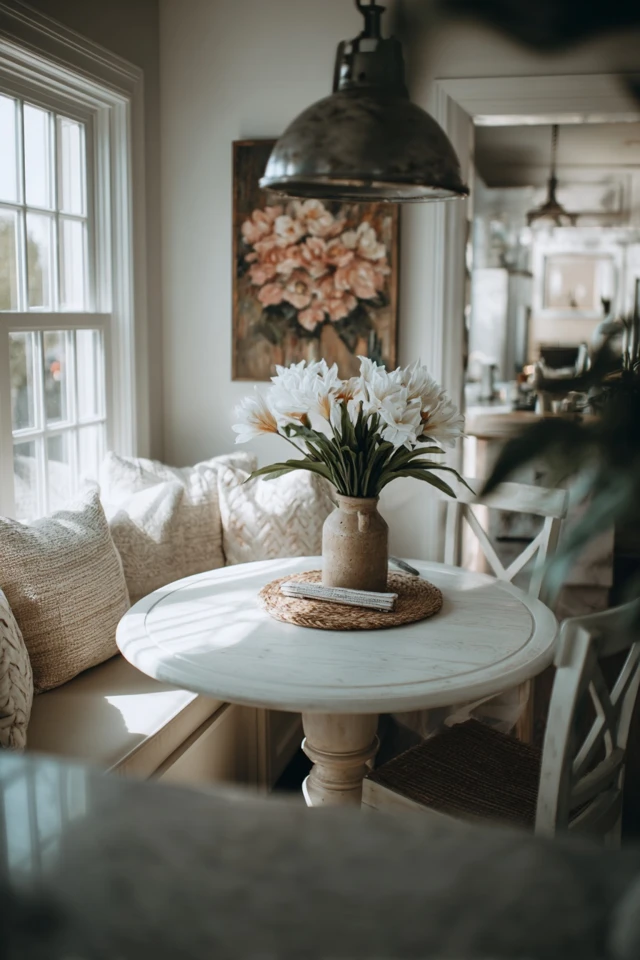
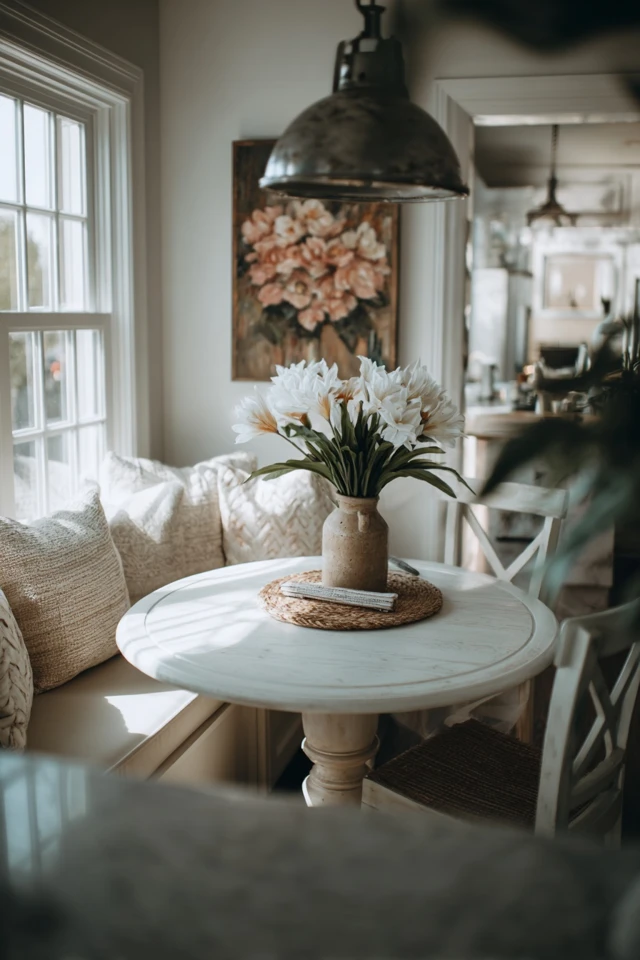
Start with a built-in bench or banquette
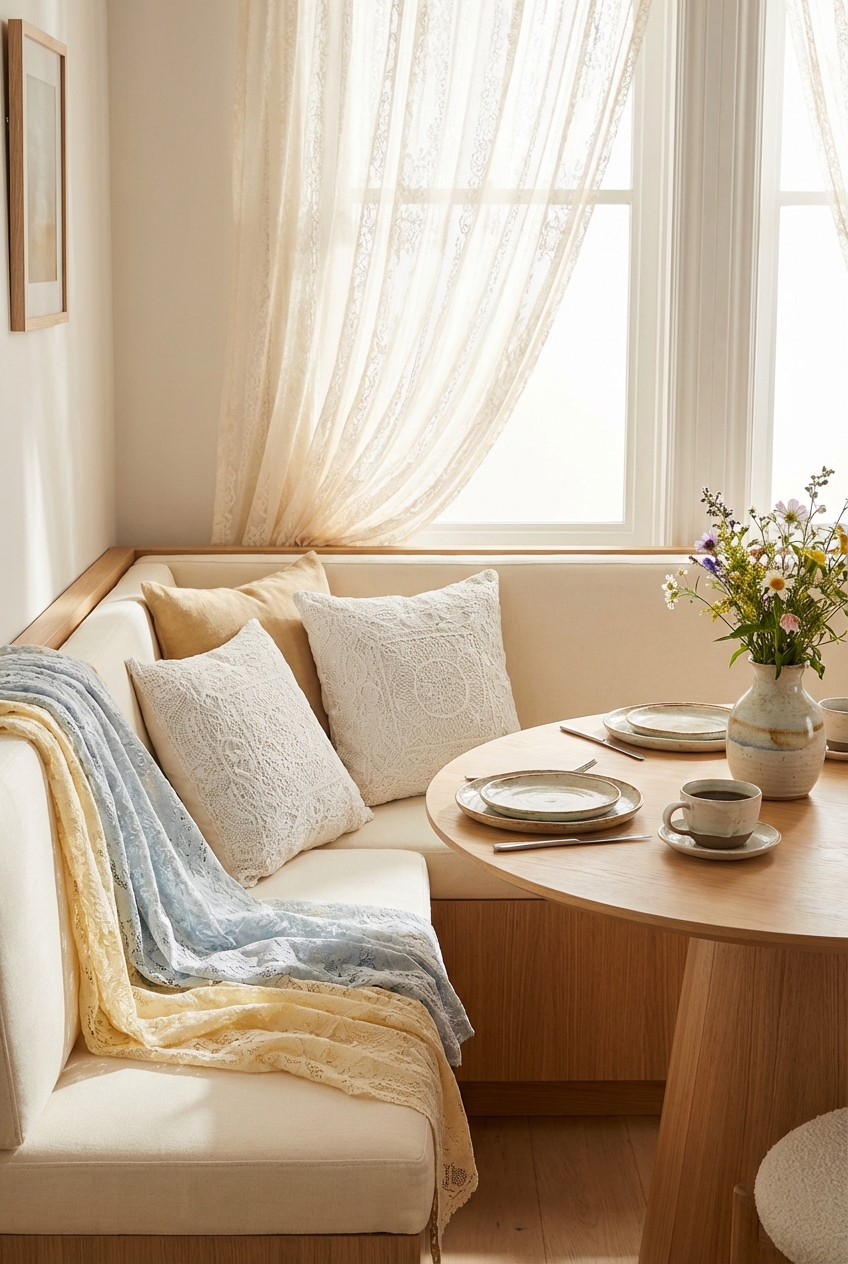
A banquette tucks seating against the wall, so you skip the floor space that chairs need to pull out. A seat depth of about 16-20 inches is comfortable for short meals, and a slightly angled back makes it better for lingering over coffee.
It also gives you a breakfast nook with storage almost for free. Hinged seats or drawers under the bench can hold table linens, cookbooks, pet bowls or the small appliances that clutter your counters. If you have a dog, a bench with a washable cover is easier to live with than bare upholstery, and I recommend choosing a tightly woven performance fabric over a loose weave that snags on claws.
Not ready to build? A freestanding bench along one side of the table is a decent compromise, and you can slide it out when you need the room.
Which breakfast nook table fits a small space?
Round or oval tables are easiest in tight rooms because there are no corners to bump into. A round top of about 30-36 inches seats two to four people and leaves room to move. A pedestal base is better than four legs, since knees and chair backs have nowhere to collide.
If you want flexibility, a drop-leaf or small extendable breakfast nook table stays compact on weekdays and opens up when guests come. A rectangular table works when it runs along a banquette, but it needs more clearance on the open side.
As an architect, I'd leave about 30 inches behind each chair if people need to walk past it, and a little less where the chair backs against a wall or the bench.
How do you plan a corner breakfast nook?
A corner breakfast nook uses space that is otherwise dead. An L-shaped banquette in the corner, plus one or two chairs or a stool on the open side, seats more people than any freestanding set in the same footprint.
- Measure both walls and the distance to doors, cabinets and the fridge swing.
- Tape the banquette and table outline on the floor and walk around it for a day.
- Check that the seating backs don't block the path between sink, stove and fridge.
- Only then buy or build.
In an open-plan room, a rug or a pendant light over the table marks the nook as its own zone. For more ways to squeeze function out of a compact kitchen, see this small apartment kitchen guide and the one on a modern small kitchen with an island.
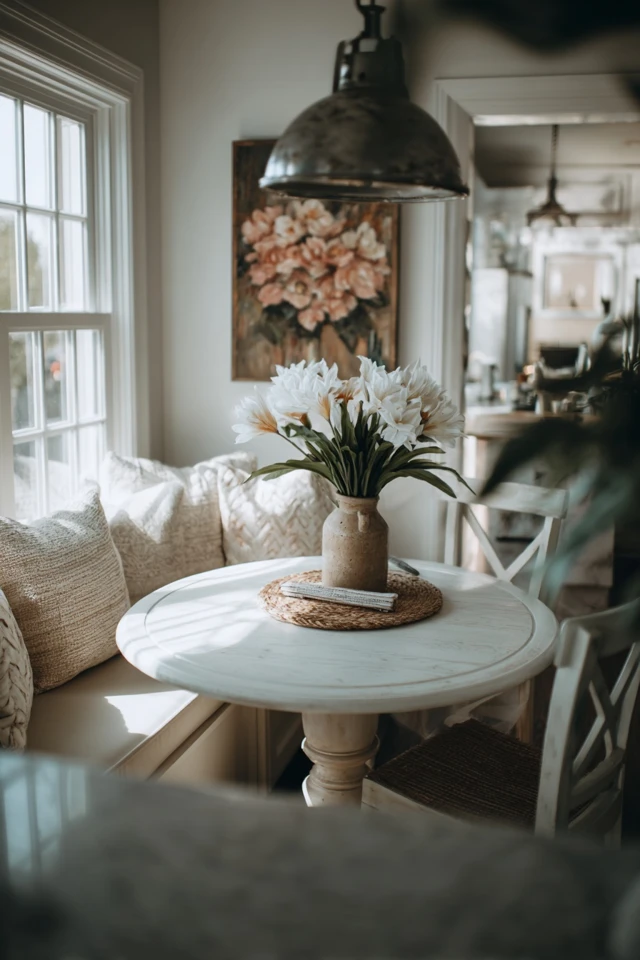
Pick a palette that makes the nook feel bigger
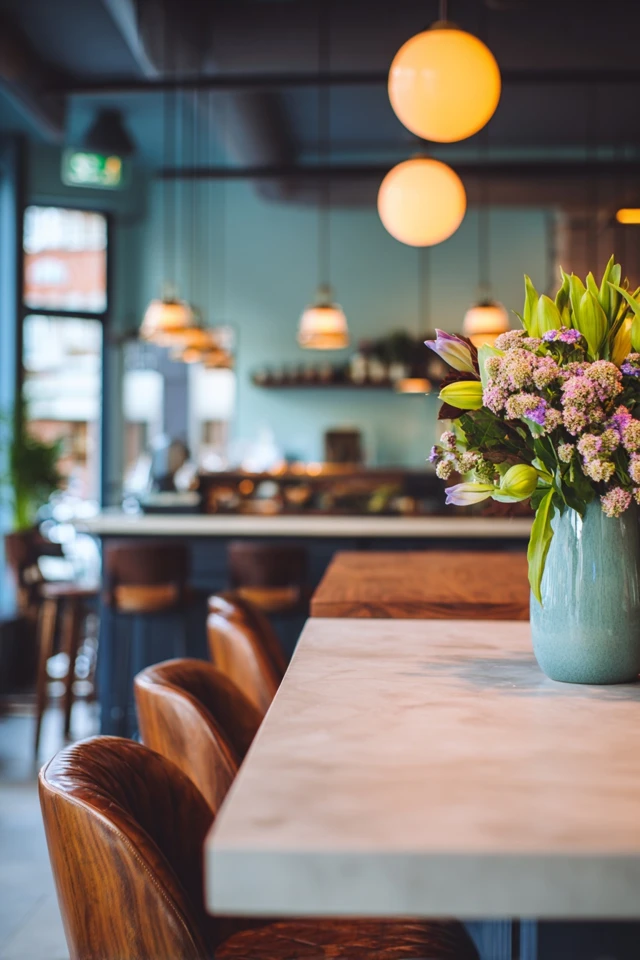
Light, low-saturation colors reflect more daylight and make walls feel farther away. Pale blue, soft green and warm neutrals suit a calm morning. If you prefer a snugger corner, muted terracotta or deep green on one wall works, as long as the upholstery stays lighter so the bench doesn't look heavy.
Paint and fabric change with the light. A cool gray can look flat under warm bulbs, and a saturated color can fade in north light. Tape up samples and check them in the morning and in the evening before committing.
Choose materials that survive breakfast
A nook takes crumbs, coffee and sticky hands, so pick finishes you can wipe.
- Wood tabletops in a lighter tone (oak, ash) keep a tiny room open, and a fine grain suits a small table.
- Stone or tile tops look good but need care. Soapstone, for example, doesn't need sealing, but like butcher block it needs to be oiled regularly, according to Iowa State University Extension.
- Honed or matte surfaces show fewer glare spots than polished ones in bright morning sun.
- Performance linen or cotton blends hold up on bench cushions better than delicate weaves.
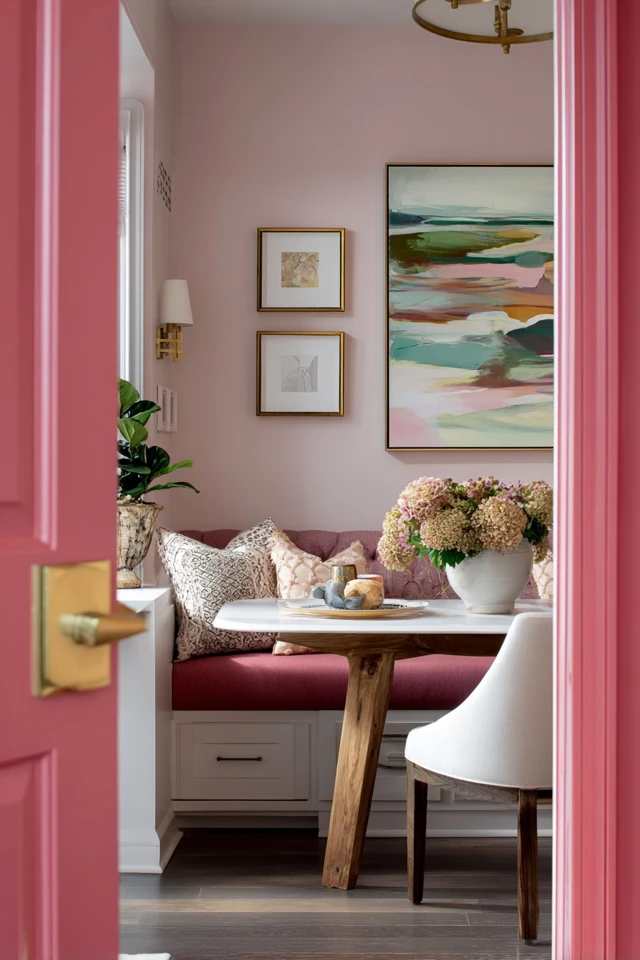
Breakfast nook decor ideas that don't crowd the room
Keep decor flat or tall, not wide. The table surface should stay mostly clear.
- Hang one pendant low over the table, about 30-36 inches above the tabletop, and put it on a dimmer.
- Add a mirror on the side wall to bounce window light across the nook.
- Layer a couple of cushions and a throw on the bench, and swap them seasonally instead of replacing furniture.
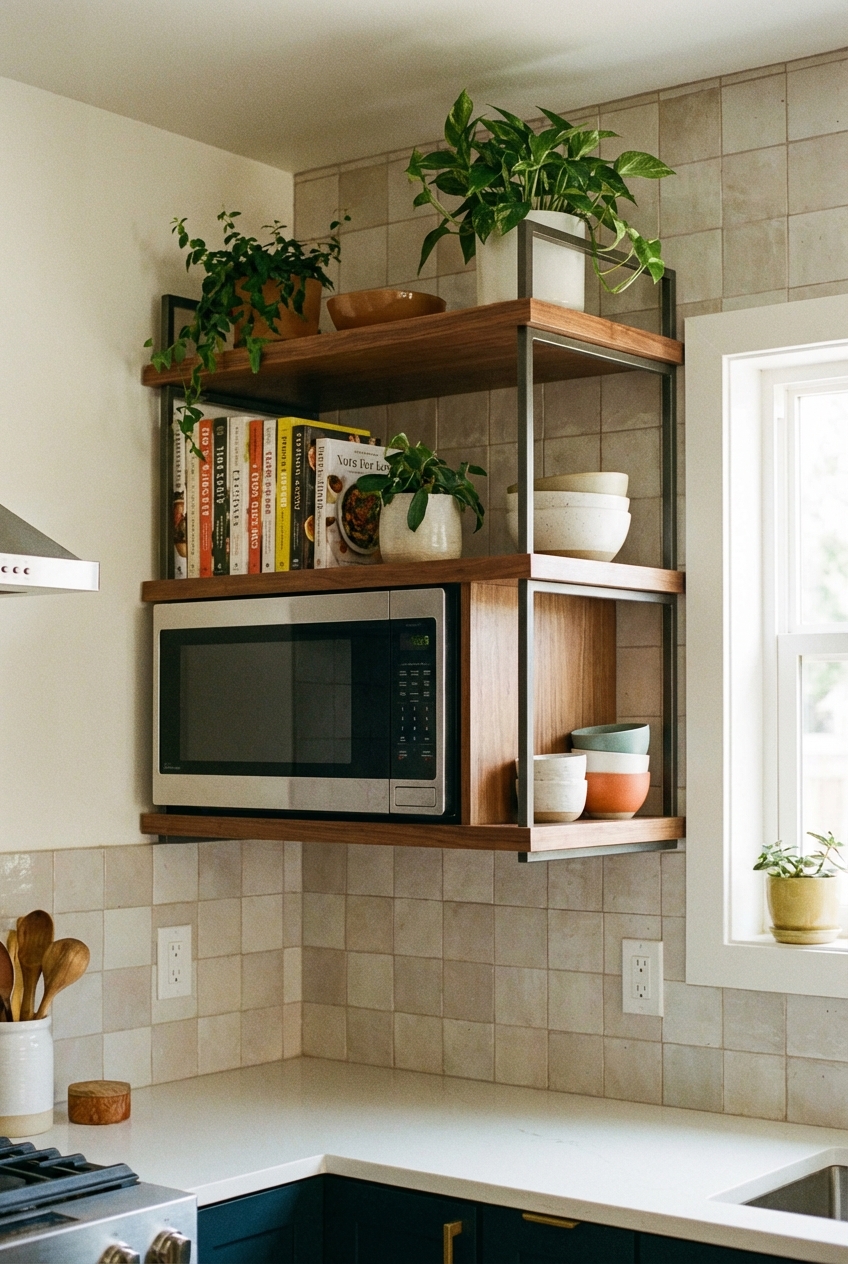
- Use wall shelves for plants, cookbooks or a few framed prints.
- Grow herbs on the windowsill if there is one. If the nook is dim, choose low-light plants, and check with your vet that anything within a pet's reach is safe.
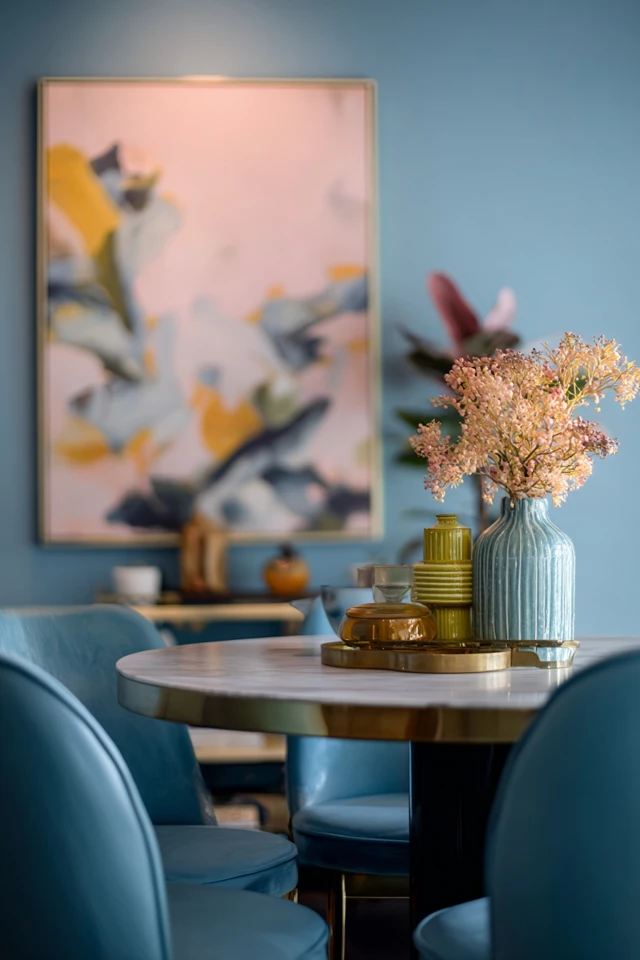
Rugs need a little caution
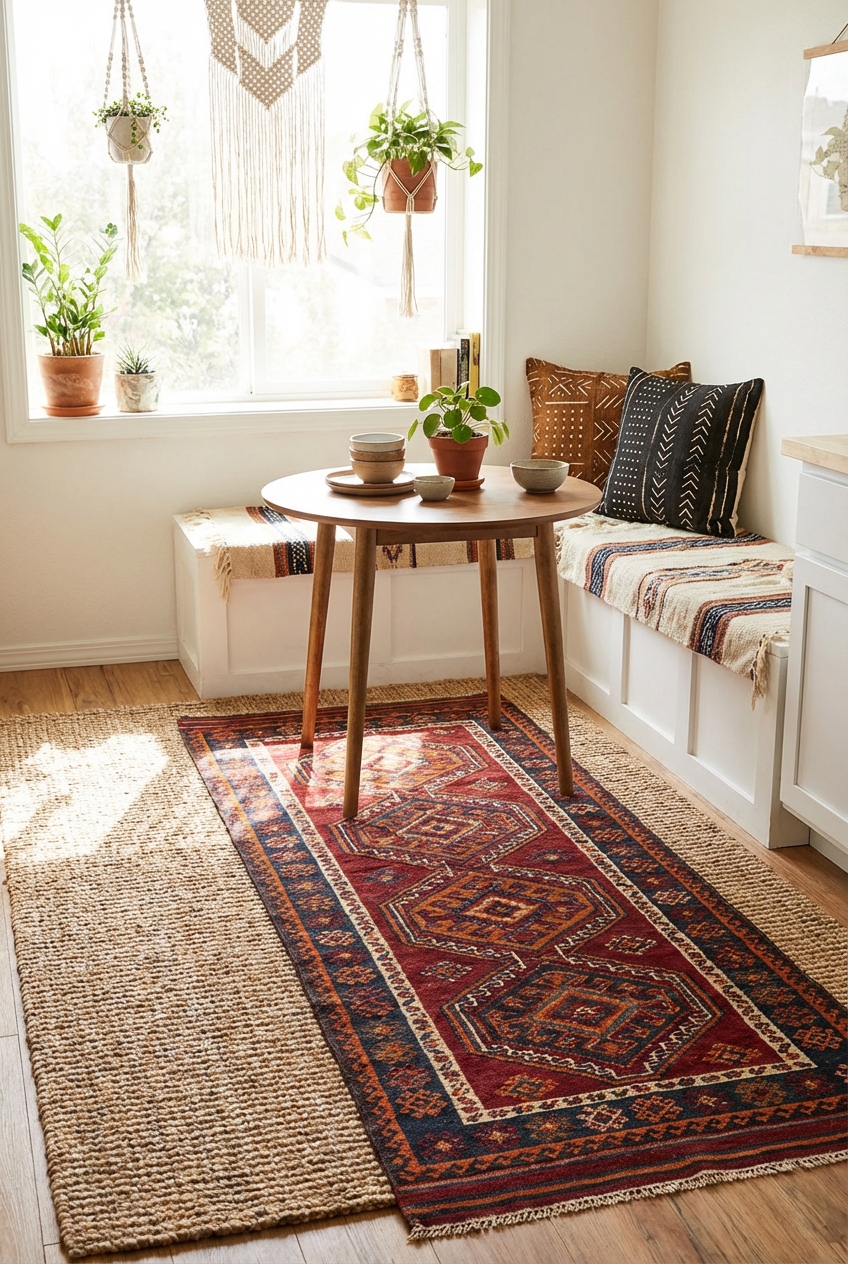
A rug defines the nook and softens sound, but chairs catch on thick pile. Choose a flat weave or low pile. The U.S. Access Board notes that carpet that is thick, cushiony, or loose impairs accessibility, particularly for wheelchair maneuvering, so a thin, firmly backed rug is also easier for anyone with a walker or mobility aid.
Modern, DIY and budget routes
For a modern look, go for clean lines, a round pedestal table, a curved banquette and one warm metal such as brass or matte black. For a softer style, mix Scandinavian simplicity with natural wood.
If you're going the DIY route, a simple box bench from plywood with a hinged lid is a realistic weekend project for a confident beginner. Add a cushion cut from foam and a washable cover. Anything involving wiring, like moving a ceiling light, is a job for a licensed electrician.
Short on a kitchen corner altogether? The same ideas scale to other tight rooms, as in this small living room guide.
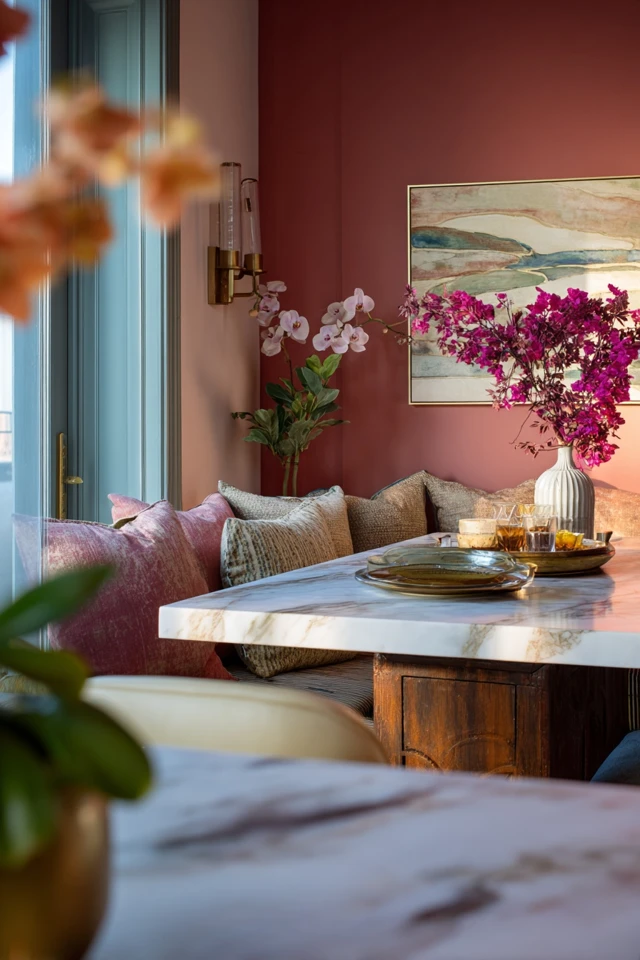
Lighting for eating and for working
If the nook doubles as a laptop spot, use layers: a pendant for general light, a swing-arm sconce or lamp for task light, and a dimmer to soften evenings. Warm bulbs around 2700-3000K suit meals, and slightly cooler ones around 3000-3500K are easier on the eyes for work.
Frequently asked questions
How can I make a small breakfast nook feel larger?
Use light, low-saturation colors, choose furniture with visible legs, and add a mirror opposite the window. A banquette with storage keeps clutter off the floor and counters.
Is a round or square table better for a tiny nook?
Round is usually easier because it has no corners and lets people squeeze past. A square or rectangular table works if one side sits against a wall or banquette.
How do I mix patterns without overwhelming a small space?
Stick to two or three colors and vary the scale: a large pattern on the bench or rug, a medium one on a cushion, a small one on a placemat. Keep one solid so the eye can rest.
How much space do I need for a breakfast nook?
A wall about 5 feet long can fit a bench and a small round table for two to four people. Leave around 30 inches of clearance wherever people need to walk behind a chair.
Filed under
ArticlesMeet the author
Written by an architect.
Julio Arco is a passionate architect with years of experience in architecture, interior design, urban design, and housing. He studied at prestigious universities across North America and Europe.

- Name
- Julio Arco
- Job
- Architect and online interior designer
- Studied
- Architecture, ITESM · Urban Design and Housing, McGill
- Partner
- Thor, Australian Shepherd
- Thor’s title
- Head of quality control