Victorian Rooms Decor: Fresh Ideas for Every Room
Update Victorian rooms with practical advice on color, layout, lighting, and textures that keep period character and suit how you live today.

By Julio Arco
Architect and online interior designer
In this post
- What makes a room feel Victorian?
- How do you balance ornate detail with modern living?
- Which colors work in Victorian rooms?
- How should you arrange furniture in a Victorian room?
- What textures and materials suit the style?
- How do you light a high-ceilinged room?
- How is Victorian different from Craftsman?
- How do you keep the look from dating?
- Frequently asked questions
The simplest way to freshen a Victorian room is to keep the architecture and edit everything around it. Leave the moldings, fireplace and tall windows alone, then simplify the color scheme, thin out the furniture and add layered lighting.
It's very common to inherit a room with more ornament than you know what to do with, so don't feel bad if yours feels heavy. Most of the fix comes down to proportion, light and a few restrained choices.
What makes a room feel Victorian?
"Victorian" covers several building styles rather than one look. Two common American ones are Greek Revival and Italianate. According to the National Park Service's overview of Greek Revival, that style was popular from the 1830s to the 1860s and was inspired by the classical Greek temple. The Park Service's Italianate page says its dominant feature was a low, overhanging roof with decorative eave brackets.
Inside, these houses tend to share tall ceilings, generous windows, heavy trim, fireplaces and distinct rooms rather than open plans. Those are the features worth protecting. Paint colors, curtains and furniture are easy to change later.
How do you balance ornate detail with modern living?
Pick one or two ornate elements to be the stars, usually the fireplace and the ceiling or window trim. Then keep the rest calmer. A carved mantel next to a simple sofa looks intentional. A carved mantel surrounded by ten decorative pieces looks crowded.
Repetition helps. If you use dark wood on the trim, echo it once or twice in a picture frame or a side table. Repeating a color or material makes contrasts read as a plan instead of an accident.
Match the furniture to the ceiling height
Tall ceilings and big windows can swallow small, low furniture. Tall bookcases, large art and full-length curtains hung close to the ceiling fill the vertical space. In a Victorian-style room with a lower ceiling, go the other way: lower-profile seating and less on the walls.
Which colors work in Victorian rooms?
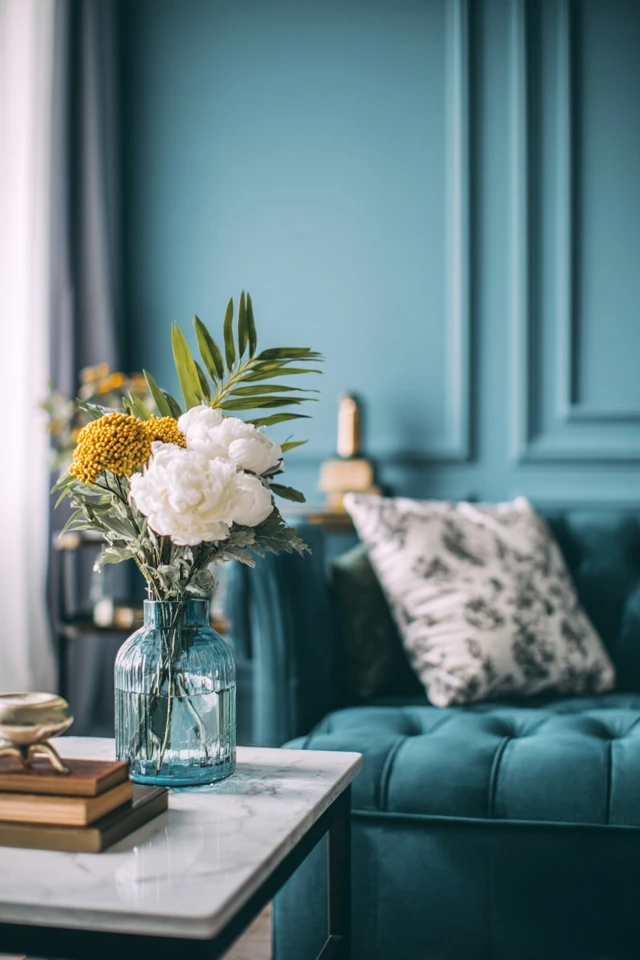
Deep jewel tones, muted pastels and warm neutrals all have period precedent, so the choice depends on the mood you want. Warm shades like ochre, burnt sienna and deep red suit dining rooms and parlors. Cooler ones like sage, teal and dusty blue suit bedrooms and studies.
Light changes everything. Warm bulbs pull warm paint colors forward, while cool bulbs can flatten them. Paint large samples on more than one wall and look at them in the morning, at midday and in the evening before you commit.
- Choose one main wall color, one supporting neutral and one accent for textiles.
- Use a darker tone on the lower wall or wainscoting, which also hides scuffs.
- Add aged brass or pewter in small touches to catch light.
How should you arrange furniture in a Victorian room?
Start with what the room is for: conversation, dining, reading or work. Give each zone a focal point, such as the fireplace, a window or a large mirror. Then arrange seating around it.
Leave about 30 inches for main walkways. In a big room, build two seating groups instead of pushing everything against the walls. Use a rug large enough that at least the front legs of each sofa and chair rest on it.
In a small room, one ornate piece is plenty. Choose furniture with visible legs, add a mirror opposite a window, and use storage ottomans or a drop-leaf table. If space is tight, our ideas for a small living room or a small bedroom carry over well.
What textures and materials suit the style?
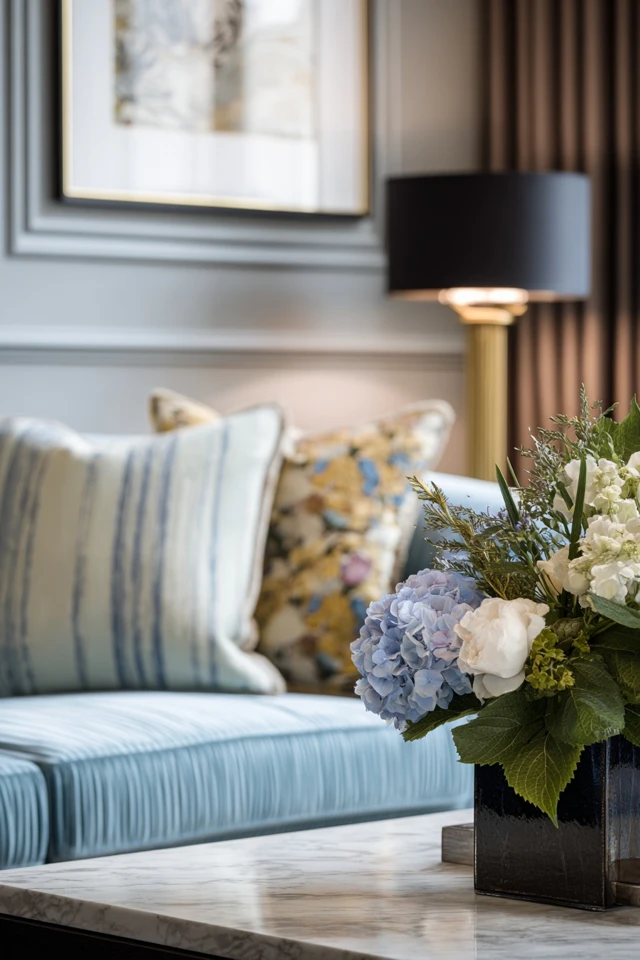
Victorian rooms feel best with a mix of surfaces: plaster walls, carved or turned wood, velvet, linen and wool. Soft fabrics make a formal room easier to relax in, while hard surfaces keep it from looking sloppy.
If a dog or cat shares the sofa, I recommend washable slipcovers or a tightly woven fabric over loose-pile velvet, which holds hair and shows claw snags. Wool and performance linen blends are easier to live with, and a rug with some pattern hides paw prints.
For paint, matte or eggshell on walls forgives uneven plaster. Glossier paint on trim shows off the carving but also shows every flaw, so prep it well.
How do you light a high-ceilinged room?
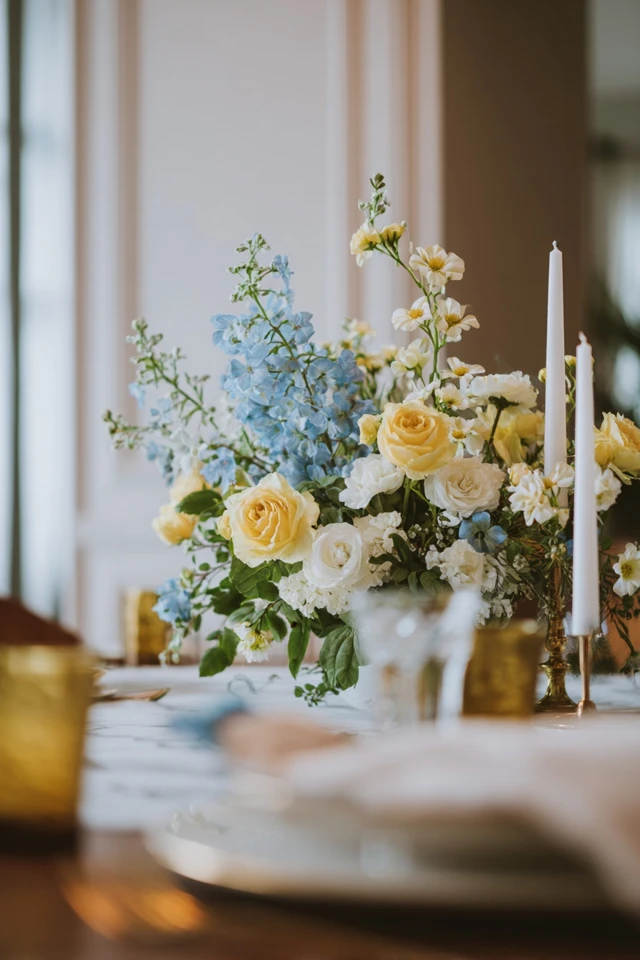
One overhead fixture will leave corners dim. Combine it with table lamps, wall sconces and a reading light, and put the main fixture on a dimmer. Warm bulbs give the room an evening glow that suits the period.
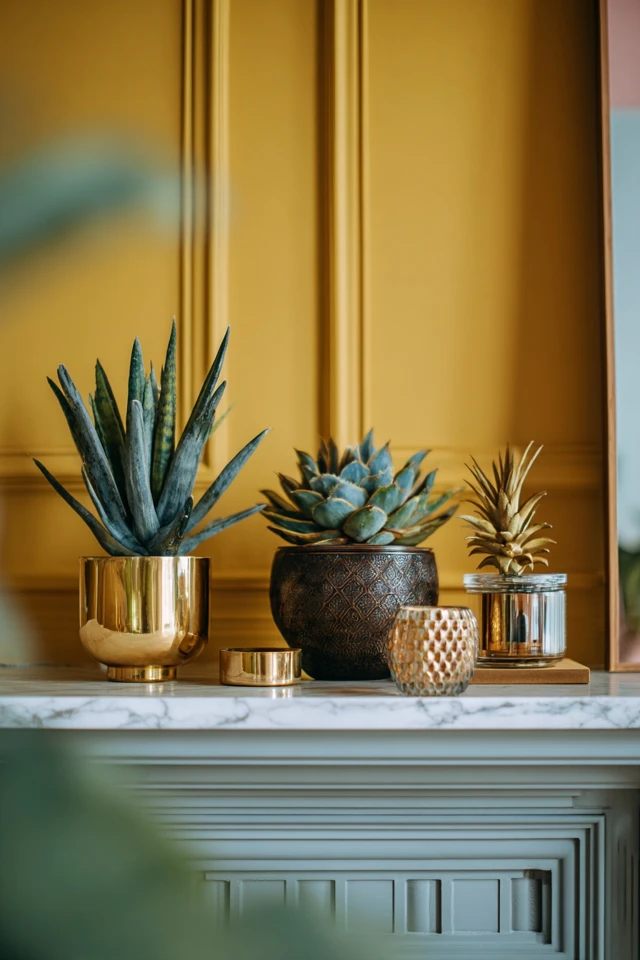
Plants help soften formal details. Group a few at different heights near a big window. If you have pets, check with your vet before bringing in any plant they might chew.
How is Victorian different from Craftsman?
If you're torn between the two, the difference is mostly ornament. Craftsman rooms, which come out of the Arts and Crafts movement, favor plain forms, visible joinery, built-ins and natural wood. Victorian rooms lean toward carved detail, layered fabrics and heavier trim. Anyone browsing darker, wood-toned living rooms will find ideas that cross over.
The two mix more easily than you'd expect. Craftsman style interior design offers a calm, simple counterweight: a plain oak table or built-in bookcase can steady a room full of Victorian trim. The same logic works the other way if you want warmth in a stark Craftsman house interior decor scheme. People searching for arts and crafts style homes interior design often end up borrowing one Victorian piece, such as a mirror or a rich rug, for the same reason.
How do you keep the look from dating?
Put the bolder choices in things you can swap: pillows, curtains, art and lamp shades. Keep the sofa and large tables in neutral tones with good proportions. Add one trend-led piece at a time, and let heirlooms or locally made objects carry the personal side.
Before buying anything, try one cheap change first: a paint sample, a moved rug or a new lamp. See how the room responds, then decide on the next step. If the project involves structural or electrical work, such as rewiring for sconces, bring in a licensed professional.
Frequently asked questions
How can I make a small Victorian room feel larger?
Use a light, cohesive palette and furniture with exposed legs so more floor shows. A mirror opposite a window and clear walkways also help.
How do I mix patterns without the room feeling chaotic?
Limit the palette to two or three colors and vary the scale, pairing one large pattern with a medium and a small one. Add solid textiles and repeat a color so the patterns tie together.
How can I modernize Victorian features without losing character?
Keep the moldings, fireplace and built-ins, and simplify what surrounds them. Contemporary furniture shapes, plain fabrics and a restrained palette let the old details stand out.
Filed under
ArticlesMeet the author
Written by an architect.
Julio Arco is a passionate architect with years of experience in architecture, interior design, urban design, and housing. He studied at prestigious universities across North America and Europe.

- Name
- Julio Arco
- Job
- Architect and online interior designer
- Studied
- Architecture, ITESM · Urban Design and Housing, McGill
- Partner
- Thor, Australian Shepherd
- Thor’s title
- Head of quality control