Gorgeous Modern Bookshelves Ideas Decor That Feels Effortless
Modular shelving ideas for the living room, bedroom and small apartments, with sizing, materials, DIY tips and styling rules that keep shelves tidy.

By Julio Arco
Architect and online interior designer
In this post
- What makes shelving modular?
- Modular shelving ideas for the living room
- Modular shelving ideas for the bedroom
- Modular shelving for a small apartment
- How do you size a system for your space?
- Wood, metal or wire
- Modular shelving ideas with drawers
- Can you do modular shelving ideas DIY?
- Unique shelving ideas that still work
- How do you style modular shelves?
- Frequently asked questions
The best modular shelving ideas start with one rule: pick units you can add to, rearrange or take apart as your books, objects and rooms change. Measure the wall, choose one material family, and build the system in sections instead of buying one giant piece.
It's very common to feel stuck between a flat-pack bookcase and expensive built-ins. Modular shelving sits in the middle, and below you'll find how to configure it room by room, size it, and style it so it looks planned rather than crowded.
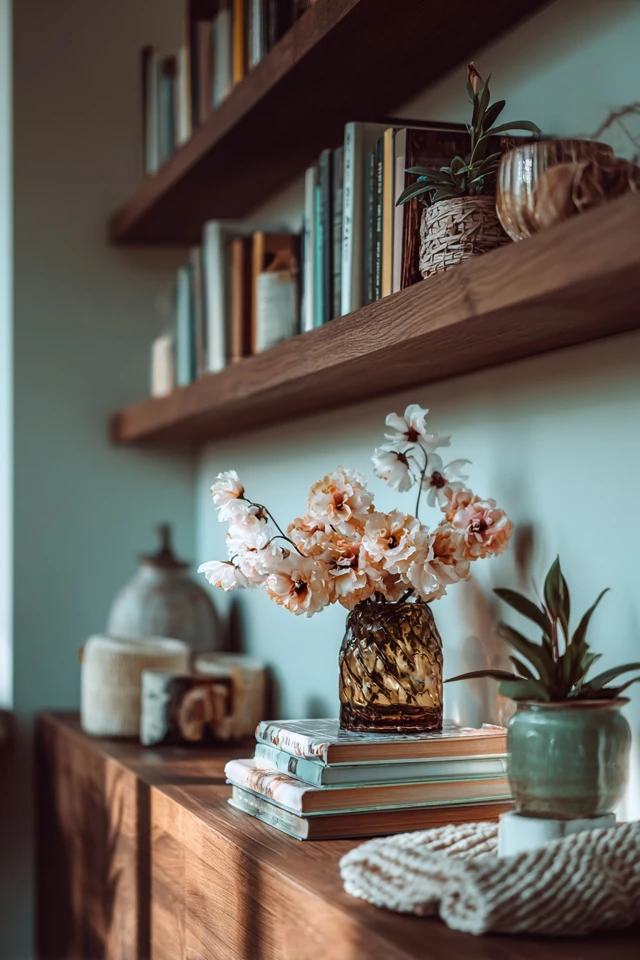
What makes shelving modular?
A modular system is made of repeating parts: cubes, vertical frames, shelf boards, drawers and doors that connect or stack. You can start with two units and add more later, or swap a shelf for a drawer box without replacing everything.
That flexibility is the main advantage over a fixed bookcase. A kit also lets you change the configuration when you move, which matters for renters and anyone who expects their collection to grow.
Modular shelving ideas for the living room
In a living room, shelving usually has to do three jobs: hold books, show a few objects and hide the clutter. A mix of open and closed sections handles all three.
- Put closed cubes or doors at the bottom, where storage needs are highest and where pets and kids can reach.
- Keep the middle band, roughly hip to eye level, for the things you use every day.
- Use the top for display or seasonal items you rarely touch.
- Break a long wall into two or three separate towers with a gap between them, so the run doesn't feel like a single heavy block.
If the wall sits beside a TV, you may like the layouts in our fireplace and TV ideas, which deal with the same question of what goes where.
Modular shelving ideas for the bedroom
Bedrooms want calmer shelving. Choose lower, quieter units and keep the colors close to the wall color, so the shelves recede at night.
- A low, wide unit under a window or at the foot of the bed holds books and baskets without blocking light.
- Tall, narrow towers on either side of the bed work as built-in nightstands.
- Closed doors or fabric bins keep visual noise down where you sleep.
Modular shelving for a small apartment
In a small space, go up, not out. Shallow units (about 10-12 inches deep) take less floor and still fit most books. Lighter finishes and open backs let the eye travel through the piece, so the room feels larger.
A shelf can also divide a studio. Put an open unit between sleeping and living areas and you get a partition that still passes light. As an architect, I'd avoid a tall unit in front of the only window; place it on the wall beside it instead.
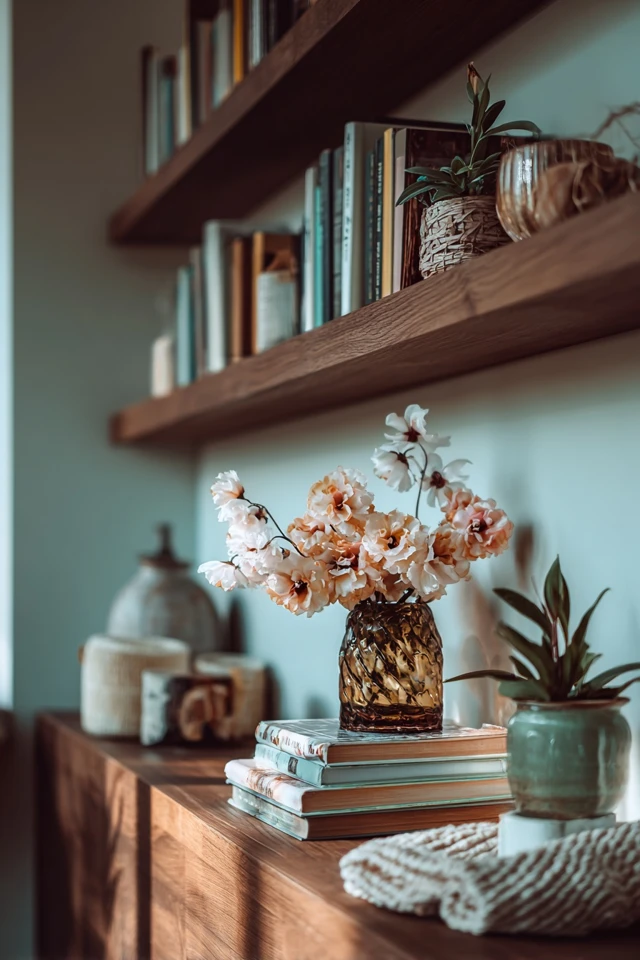
How do you size a system for your space?
Measure the wall width and ceiling height, then subtract the baseboard height and any outlets or switches you want to keep reachable. Sketch the units on paper before you order anything.
- Leave about 30-36 inches of clear walkway in front of the shelves.
- Books need roughly 9-12 inches of depth; deeper shelves invite double rows and lost titles.
- Spaces of about 11-13 inches in height suit most hardcovers. Mix a few taller gaps for art books and objects.
- Anchor tall units to the wall. This matters most in homes with children and pets.
Wood, metal or wire: which material?
Wood and wood veneer feel warm and take paint well. Metal frames are slimmer and sturdier for heavy loads, and they suit a modern look. Wire is cheap, airy and good for pantries, garages and laundry rooms, but small objects can tip or slip through.
Pick one dominant material and one accent. Oak with black metal, or white laminate with a few wood shelves, is easy to keep cohesive. Matte finishes hide dust and fingerprints better than gloss, and they reflect less glare onto the room.
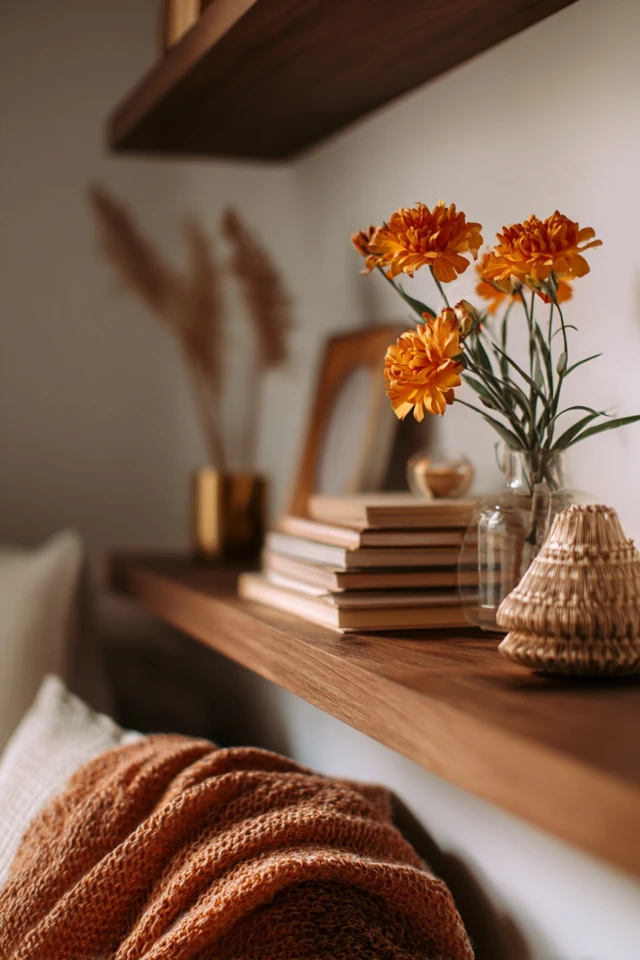
Modular shelving ideas with drawers
Drawer modules solve the problem open shelves can't: small, ugly things like chargers, leashes and spare batteries. Place them low, so you can pull them open without a step stool.
If you store food, location matters. Ohio State University Extension notes that cabinets near the range, dishwasher or refrigerator exhaust tend to be too warm for keeping food safe. The same logic applies to shelving: keep pantry units away from heat sources.
Can you do modular shelving ideas DIY?
Yes, and it can be a good fit if you're comfortable with a saw and a drill. Simple modules such as plywood boxes or cube frames are easy to repeat, and you can build one at a time.
Is it cheaper to build or buy? Building can cost less for basic boxes, but you pay in time, tools and finishing. A ready-made modular shelving system kit costs more up front, yet it usually comes with tested connectors, so it can be the safer choice for tall or heavy units. For affordable modular shelving options, look at basic cube systems, wire racks and plain laminate frames, then add better doors or paint later.
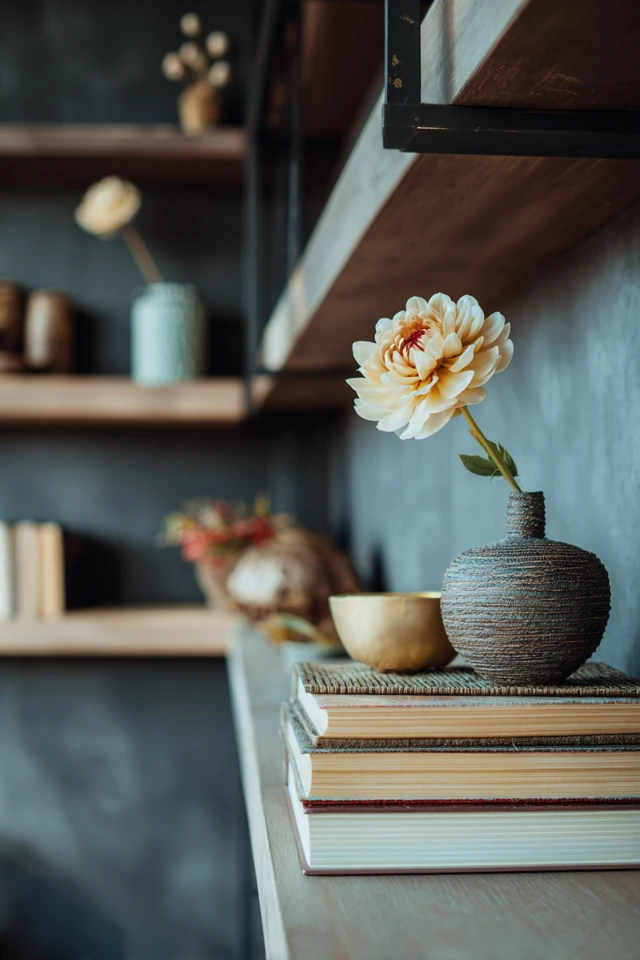
Unique shelving ideas that still work
- Paint the back panel of a few cubes in a deeper tone to add depth.
- Stagger the modules so the top edge forms a stepped line instead of a flat block.
- Add LED strips or small puck lights to highlight a collection.
- Mix open cubes with a couple of doored ones for a checkerboard rhythm.
How do you style modular shelves?
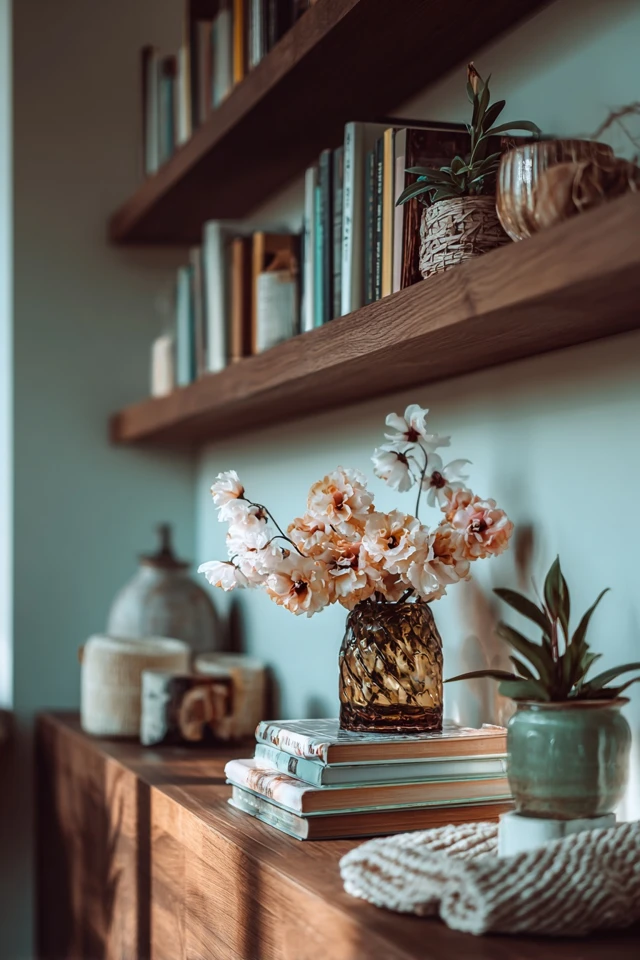
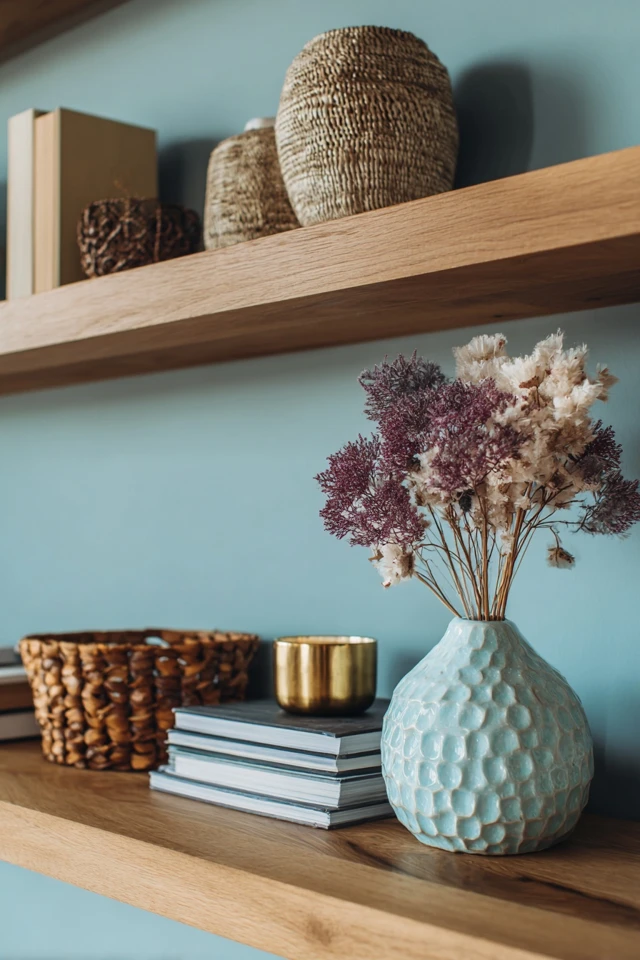
The triangle rule is a simple one: arrange objects so their tops form a triangle, with a taller item on one side, a medium item in the middle and a low one on the other. It keeps a shelf from looking like a straight line.
Leave about a third of each shelf empty. Alternate vertical book rows with horizontal stacks, and place a plant or small frame in front of the books for depth. Edit every season; a quick sort into keep, donate, store and display is enough. If you keep emergency or pantry supplies on your shelves, Judy Harrison, Ph.D., an extension food safety specialist, advises "Keep the supply fresh by rotating non-perishable staple items in general storage once or twice a year."
Frequently asked questions
Is it cheaper to build or buy shelving?
Simple plywood boxes are usually cheaper to build, but you add time, tools and finishing. Buying a kit costs more and gives you tested connectors, which helps for tall or heavy units.
What are some affordable modular shelving options?
Basic cube systems, wire racks and plain laminate frames are the usual budget choices. You can upgrade later with better doors, paint or hardware.
What is the triangle rule for decorating shelves?
Arrange objects so their tops form a triangle: a tall item, a medium one and a low one. It adds variety and avoids a flat, straight line.
What are some unique shelving ideas?
Stagger modules into a stepped line, paint the back of a few cubes a deeper color, or mix open cubes with doored ones. Built-in lighting also gives a plain unit more character.
Filed under
ArticlesMeet the author
Written by an architect.
Julio Arco is a passionate architect with years of experience in architecture, interior design, urban design, and housing. He studied at prestigious universities across North America and Europe.

- Name
- Julio Arco
- Job
- Architect and online interior designer
- Studied
- Architecture, ITESM · Urban Design and Housing, McGill
- Partner
- Thor, Australian Shepherd
- Thor’s title
- Head of quality control