Affordable Furniture Ideas That Look Anything but Cheap

By Julio Arco
Architect and online interior designer
In this post
- How do you buy furniture on a low budget?
- Where can you find good thrifted and upcycled furniture?
- Which budget friendly DIY furniture ideas are worth trying?
- What are good affordable furniture ideas for small spaces?
- How do you furnish a living room on a budget?
- Which finishing touches make cheap pieces look richer?
- What is the 2/3 rule for furniture?
- Where should you spend and where should you save?
- Frequently asked questions
The cheapest way to furnish a room well is to buy fewer, better-sized pieces, start with a sofa, rug and one good light, and fill the gaps with secondhand finds and simple DIY refreshes. Price matters less than whether each piece fits the room and the way you live in it.
Below are the ideas I'd start with, from thrifting to paint, with notes for small rooms and homes with pets.
How do you buy furniture on a low budget?
Make a short list in order of daily use: where you sit, where you eat, where you sleep. Spend first on the pieces your body touches most, because a sagging sofa or a bad mattress costs you every day. Tables, shelves and side tables can be cheap, secondhand or homemade.
Measure before you shop. Write down the room dimensions, door widths and stair turns, and tape the footprint of a piece on the floor to check it. A bargain that doesn't fit is the most expensive purchase there is.
Wait for the right piece rather than filling every corner at once. An empty corner costs nothing, and a lamp or a plant will hold it until the right chair turns up.
Where can you find good thrifted and upcycled furniture?
Thrift stores, estate sales, community marketplaces and curbside finds are the best sources for solid wood pieces, which are often sturdier than new flat-pack at the same price. Look for dressers, side tables, dining chairs and bookcases with good joints and drawers that slide smoothly.
Skip upholstered pieces with a smell, because odors in foam and padding are hard to remove. Check seams and legs for damage, and give any wooden piece a wobble test before you pay.
Upcycling is where thrifted furniture earns its keep. Sanding and repainting a dated dresser, swapping its knobs, or recovering a dining chair seat can make a piece look intentional. I recommend a durable, washable finish on anything a dog will brush against or jump on.
Which budget friendly DIY furniture ideas are worth trying?
- Paint a tired wood table or cabinet in a matte color and replace the hardware.
- Stack crates or use simple lumber to build open shelving.
- Turn a sturdy door or plywood sheet into a desktop on trestle legs.
- Recover seat cushions with a performance fabric that wipes clean.
- Add a slim wall-mounted shelf as a bedside table where floor space is tight.
Start with paint and hardware. They are the lowest-risk changes, and a matte finish hides small scratches better than a glossy one, which reflects light and shows every flaw.
What are good affordable furniture ideas for small spaces?
Pick pieces that do two jobs and keep their legs visible, so you can see floor underneath and the room reads as larger. Nesting tables, storage ottomans, wall-mounted desks and beds with drawers all earn their footprint.
Go vertical. Tall, narrow shelves use wall space that would otherwise sit empty, and a mirror opposite a window bounces daylight deeper into the room.
Multipurpose coffee tables for small spaces
A coffee table with a lift-top, a lower shelf or hidden storage can hold remotes, blankets and dog toys out of sight. Two small nesting tables are more flexible than one large one: pull them apart for guests and tuck them together the rest of the time. Rounded corners are kinder to shins and to small children, and a sturdy top will survive a wagging tail.
Small sofas and loveseats
A loveseat plus an armchair often seats a small living room better than a full sofa that blocks the walkway. Leave about 30-36 inches for the main path through the room. If a pet shares the sofa, I recommend removable, washable covers.
How do you furnish a living room on a budget?
Begin with three anchors: a sofa, a rug and a main light. Everything else can be added over time. Choose a rug large enough that at least the front legs of the seating rest on it, which ties the group together.
For a TV wall, a low media console or even a sturdy secondhand dresser works as storage. If you are planning around a fireplace, see these fireplace and TV layout ideas.
Textiles are the cheapest way to change a room. Curtains hung higher than the window frame, a throw and two or three pillows in one repeated color make a plain sofa look planned. Swap them seasonally if you want a fresh look without buying furniture.
Which finishing touches make cheap pieces look richer?
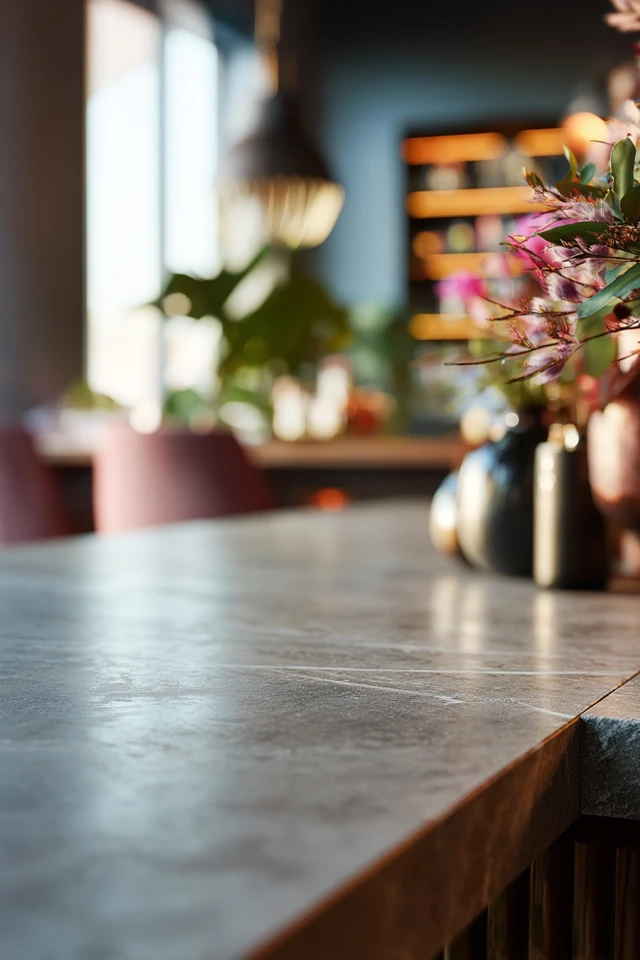
Lighting does the most. Combine one overhead source with a table or floor lamp and, if you can, a dimmer. Warm light flatters wood and fabric far more than a single bright ceiling fixture. For more on this, see bedroom lighting ideas.
Mix textures: a linen cushion, a woven basket, a wooden stool. Repeat one metal finish across handles and lamps so mixed pieces read as a set. A mirror or a large framed print on a bare wall also finishes a room cheaply.
What is the 2/3 rule for furniture?
It's a loose guideline rather than a code: furniture should fill roughly two-thirds of a wall or a room's usable length, leaving the rest as breathing space. In practice, a sofa about two-thirds the width of its wall looks balanced. I'd treat it as a starting point and check it with tape on the floor.
Where should you spend and where should you save?
Spend on sofas, mattresses and desk chairs. Save on side tables, shelving, frames, lamps and anything easy to replace. If you have a dog or cat, favor tight weaves and performance fabrics for upholstery, and keep delicate pieces in low-traffic spots. Wipeable finishes are worth a few extra dollars.
Layout also saves money. A well-planned room needs fewer pieces. If you're rethinking a small apartment, the same logic applies to apartment bathroom ideas, where storage and scale decide everything.
Frequently asked questions
Where is the best place to get reasonably priced furniture?
Secondhand sources such as thrift stores, estate sales and local marketplaces often have solid wood pieces at low prices. For new items, compare flat-pack retailers and sale events, and measure first so you don't pay for returns.
What are some budget-friendly DIY furniture ideas?
Repainting a dresser, building simple open shelves, recovering chair seats and turning a plywood sheet into a desk are all beginner-friendly. Paint and new hardware give the biggest change for the least money.
How can I make a small room feel larger without new furniture?
Use light or mid-tone walls, add a mirror opposite a window, and keep a clear walking path. Furniture with visible legs and vertical storage also frees up floor area.
Filed under
ArticlesMeet the author
Written by an architect.
Julio Arco is a passionate architect with years of experience in architecture, interior design, urban design, and housing. He studied at prestigious universities across North America and Europe.

- Name
- Julio Arco
- Job
- Architect and online interior designer
- Studied
- Architecture, ITESM · Urban Design and Housing, McGill
- Partner
- Thor, Australian Shepherd
- Thor’s title
- Head of quality control