How to Care for Parlor Palms (Chamaedorea Elegans)
Learn how to grow and care for parlor palms, as well as how to identify and treat common problems.

By Julio Arco
Architect and online interior designer
In this post
- 10Interesting Facts To Add a Parlor Palm to Your Home – Beauty…
- Selecting the Best soil for Parlor Palms
- Selecting the right pot for Parlor Palms
- The Best light for Parlor Palms
- How to Water Parlor Palms
- How to Fertilize Parlor Palms
- Best Temperature and Humidity for Parlor Palms
- How to Propagate Parlor Palms
- Common Parlor Palm Pests and Diseases
- How to Prune Parlor Palms
- Repotting Parlor Palms
- Care for Parlor Palms – FAQ
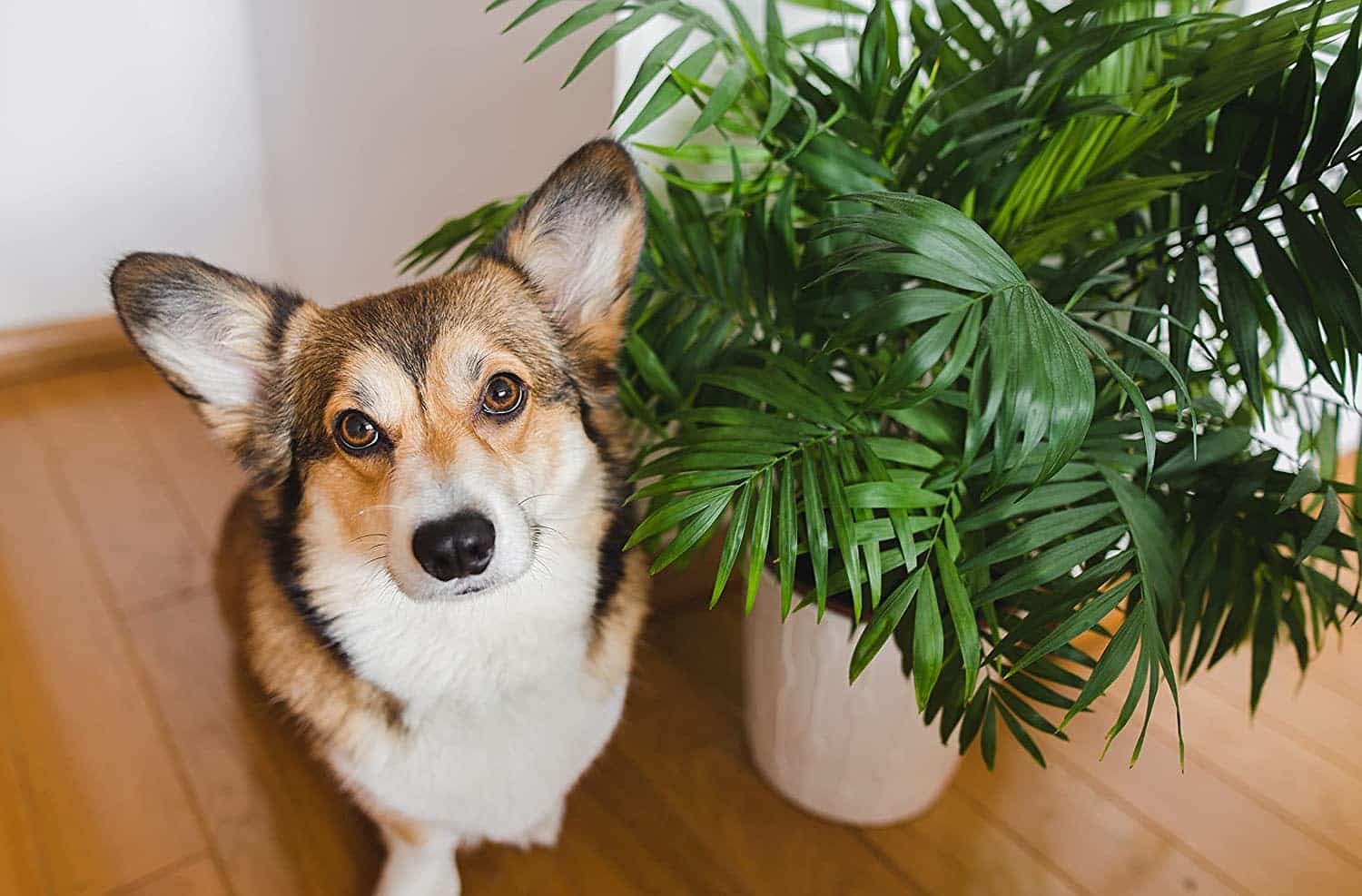
10 Interesting Facts To Add a Parlor Palm to Your Home – Beauty, Air Purification & More!
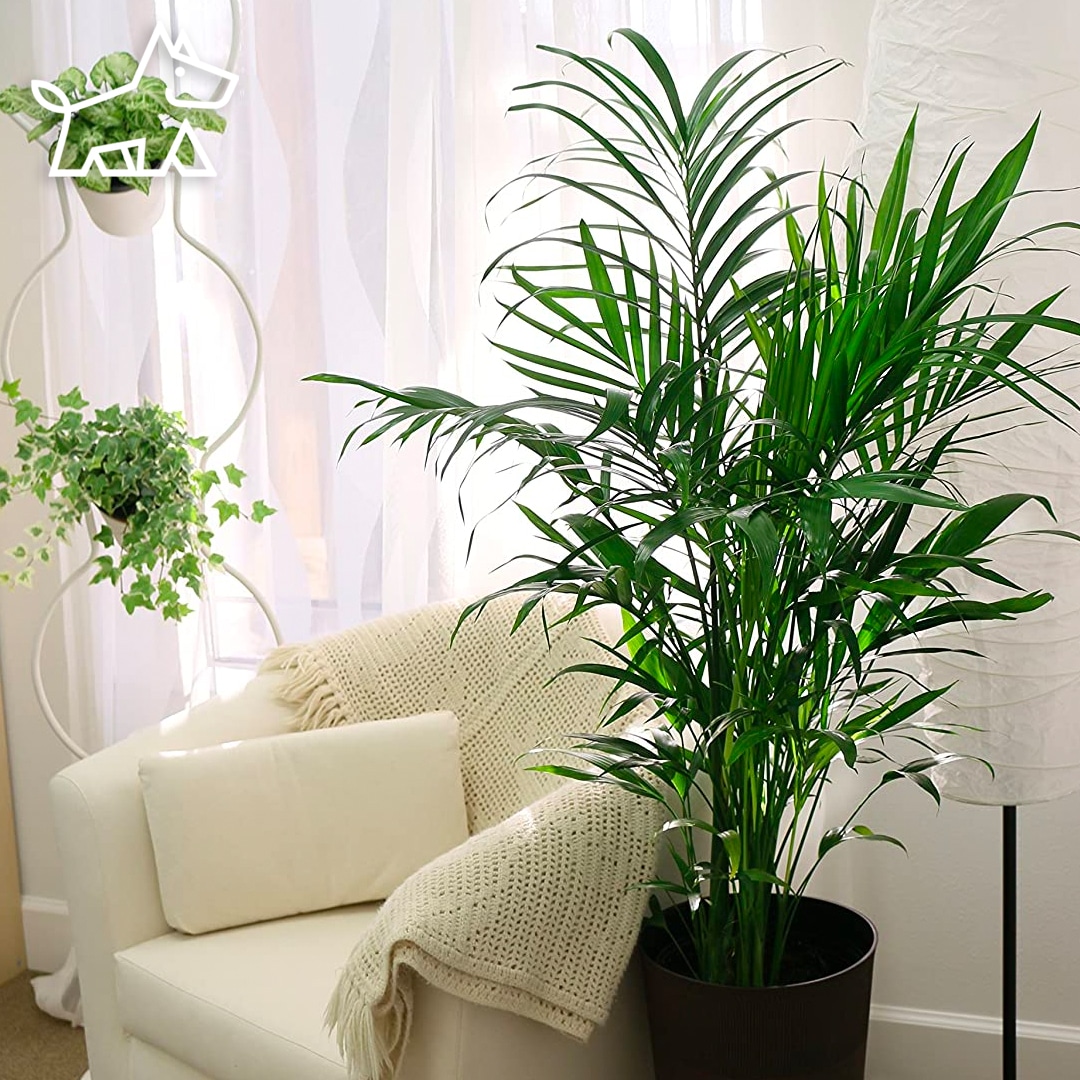
The Parlor Palm plant is a lovely light green fronded plant that is commonly found indoors. It is also known as the Neanthe Bella, parlor palm, good luck palm, chamaedorea palm, and dwarf mountain palm. These palms are native to subtropical and tropical regions of the Americas and typically grow in Mexico and Guatemala.
The Parlor Palm is a low-maintenance plant that thrives in low light and dry conditions. Not only is it a beautiful addition to any room, but it also functions as an air purifier, filtering and cleaning stagnant air. It grows slowly and produces small yellow blooms, followed by black fruits when fully grown.
The Parlor Palm plant is prized for its resilience to indoor conditions and reliable habit. It is also called the Bamboo Palm because of its slender stalks and leafy fronds. Whether you are looking for low-maintenance indoor palms for your home or office, the Parlor Palm is great.
Additionally, research has shown that having plants in your house will have amazing benefits for you! Visit our article Amazing Psychological Effects of Nature in Pet-Friendly Interiors to find out more!
Selecting the Best soil for Parlor Palms
When soil for your Parlor Palm plant, it’s important to use a rich, well-draining potting mix and to avoid allowing the mixture to degrade and become spongy. A good potting mix for a parlor palm should be a mix of soil-based and peat-free multi-purpose compost.
Some types of potting mixes have a slow-release fertilizer incorporated into them, which means you don’t have to feed the palm as frequently. These palms are relatively low-maintenance plants, but they will require occasional fertilizing and pruning to keep them looking their best.

Selecting the right pot for Parlor Palms
Selecting the right pot for your Parlor Palm plant is important not just for the health of the plant but also for the look of your home. While any type of pot will work as long as it has drainage holes in the bottom, those constructed of a porous material like terra cotta will help the soil dry out faster than those in plastic pots.
If you put the inner pot inside a more attractive one with a solid bottom, make sure to remove any water that collects in the bottom after watering. Pots that do not drain can cause potential root rot. Selecting the right pot will ensure that your Parlor Palm stays healthy and looks great in your home.
The Best light for Parlor Palms
Parlor palms are one of the most popular houseplants around, and it’s easy to see why. These tough plants can tolerate a wide range of growing conditions, including low light and poor soil. However, there is one condition that these palms cannot withstand: direct sunlight. The intense heat and light of the sun will quickly damage the foliage, leaving the plant yellow and withered. If you’re looking to add a parlor palm to your home, be sure to choose a spot that receives bright indirect light.

How to Water Parlor Palms
Parlor palm houseplants are one of the most forgiving types of plants when it comes to watering. If you forget to water them, they will be more forgiving than if you overwater them and water them too often. These palms have a moderate tolerance to drought conditions.
You should water your plants once a week from the beginning of spring to the end of summer when they are actively growing. On the other hand, given that the Parlor Palm is dormant throughout the winter months and that its development is at a standstill at this time, it most likely won’t need to be watered more often than once every two weeks.
Checking the moisture content of the soil is essential. If the top few inches of soil feel dry to the touch, add water until it flows out of the bottom drain holes of the container. These palms are tough plants that can survive a bit of neglect, but overwatering is one mistake that can be fatal. Take the time to keep the soil evenly moist to avoid problems down the road.
Additionally, Your Parlor Palm will benefit from more humidity, particularly in the winter. This can also deter spider mites from attacking your plant, since the misting will keep it dust-free.

How to Fertilize Parlor Palms
As any gardener knows, fertilizer is critical for healthy plant growth. A slow-release fertilizer provides nutrients over a longer period of time, meaning you won’t have to worry about fertilizing as often. Water-soluble fertilizer can be added to the watering container and used every three to four weeks.
Just sprinkle the granules over the soil and wet it well if you choose. For best results, reapply every three months or as directed by the manufacturer. You should only fertilize your Parlor Palm houseplant from the spring through the summer, as too much fertilizer can damage the plant.
Best Temperature and Humidity for Parlor Palms
The Parlor Palm is a popular houseplant because it is relatively easy to care for and can tolerate a wide range of temperatures and humidity conditions. It enjoys typical humidity and temperatures between 65 and 80 degrees Fahrenheit, but it can survive at 50 degrees. Indoor Parlor palms thrive in temperatures between 65 and 80 degrees Fahrenheit.
They can withstand temperatures as low as 50°F but will struggle in lower temps. These palms also thrive in moderate to high humidity — between 40% and 70%. Keep the plant free from drafts and chilly air sources, and AVOID placing it near doors or heaters in the winter and AC vents in the summer.
Locate the Parlor palm near bright, indirect light sources like south or east-facing windows. The Parlor palm can be a beautiful and long-lasting addition to your home with proper care.

How to Propagate Parlor Palms
One of the most interesting things about Parlor Palm houseplants is that they can only be propagated via seed. This means that if you have a Parlor palm in your home, it might never bloom or produce seeds of its own. However, if you’re interested in growing your own Parlor palm, you can purchase seeds from a number of online retailers.
The germination rate for Parlor Palm seeds is relatively high, so the more seeds you sow, the greater the chance that some may germinate if you do manage to track down a source for these palm seeds.
The planting and germination of Parlor Palm seeds are quite simple and straightforward, and you will have the best results when the weather is warm outside unless you utilize a heating pad for indoor germination:
1.- Put some lightweight, well-drained potting mix in a seed-starting tray or containers that are 4 inches in diameter. Make sure the containers have drainage holes on the bottom. Applying water to the soil can help it to settle.
2.- Place a seed of a Parlor Palm into the dirt about a quarter of an inch deep, and then cover it with the potting mix. If you are planting more than one seed in a tray, provide several inches of space between each seed. Repeat the step of watering the soil.
3.- If you are going to plant the Parlor Palm seeds outside, you should put them in the hottest part of your yard or garden. Germination of seeds occurs most successfully at temperatures between 85 and 95 degrees Fahrenheit. If you are beginning the seeds inside, lay the trays on a heating pad that has been preheated to around 85 degrees Fahrenheit.
4.- The potting mix should be kept damp but not soaked. If the top layer of the soil is getting dry, you should water it.
As is the case with many other species of palms, it may take the seeds of a fertile Parlor palm many months to germinate.

Common Parlor Palm Pests and Diseases
Like all plants, Parlor Palm houseplants are susceptible to pests. Mealybugs and spider mites are two of the most common pests that attack indoor plants. Mealybugs are small, white insects that feed on plant sap. They can quickly infest a plant and cause it to become weak and sickly.
Spider mites are tiny spiders that spin webs on the leaves of plants. They suck the sap from the leaves, causing them to turn yellow and eventually drop off. If you see either of these pests on your Parlor Palm, it’s important to take action immediately.
Both pests reproduce quickly and can spread to other plants in your home if left unchecked. There are several ways to get rid of mealybugs and spider mites. You can use horticultural oil or insecticidal soap to kill them on contact.
How to Prune Parlor Palms
Because these plants grow from their terminals, pruning them is often discouraged. An excessive quantity of cutting will result in no new growth from these slow-growing plants. If you detect any dead fronds on the palm tree, feel free to remove them during the dormant season.
Repotting Parlor Palms
Parlor palms are a type of houseplant that is prized for their elegant fronds and air-purifying abilities. While these plants are relatively easy to care for, parlor palms will require some special attention when repotting. These palms should only be repotted when they are rootbound, which means that the roots are coming out of the bottom of the pot.
This usually occurs every two to three years, although smaller plants may only need repotting every 18 months. When it comes time to repot your parlor palm, be sure to choose a pot that is big enough for the plant’s current size and future growth.
These palms prefer well-draining soil, so be sure to use a potting mix that contains plenty of Perlite or sand. After repotting, water your plant thoroughly and place it in a bright location out of direct sunlight.
Care for Parlor Palms – FAQ
Because these plants grow from their terminals, pruning them is often discouraged. An excessive quantity of cutting will result in no new growth from these slow-growing plants. If you detect any dead fronds on the plant, feel free to remove them during the dormant season.
Does Parlor Palms need direct sunlight?
No, Parlor Palms does not need direct sunlight.
When should I repot my Parlor Palm?
Parlor palms should only be repotted when they are rootbound, which means that the roots are coming out of the bottom of the pot. This usually occurs every two to three years, although smaller plants may only need repotting every 18 months.
Does Parlor Palm need to be fertilized?
Yes, Parlor Palm does need to be fertilized. Use a balanced fertilizer that is low in nitrogen and high in phosphorus. Fertilize your plant every two to three months during the growing season.
My Parlor Palm is looking a bit sad; what should I do?
If your Parlor Palm is looking sad, it may be due to a lack of humidity. These plants prefer humid conditions, so be sure to mist your plant regularly or place it on a pebble tray. You may also need to increase the amount of water you are giving your plant. Let the top layer of soil dry out before watering again.
I think my Parlor Palm has mealybugs; what should I do?
If you think your Parlor Palm has mealybugs, it’s important to take action immediately. Mealybugs are small, white insects that feed on plant sap, and they can quickly infest a plant and cause it to become weak and sickly. There are several ways to get rid of mealybugs. You can use horticultural oil or insecticidal soap to kill them on contact.
My Parlor Palm has yellow leaves; what does this mean?
If your Parlor Palm has yellow leaves, it may be due to a lack of nutrients. Be sure to fertilize your plant every two to three months during the growing season. You may also need to increase the amount of water you are giving your plant. Let the top layer of soil dry out before watering again.
My Parlor Palm has brown tips; what does this mean?
Brown tips mean that your plant is getting too much sunlight. You may also need to increase the amount of water you are giving your plant to avoid brown leaf tips. Let the top layer of soil dry out before watering again.
How fast does parlor palm grow?
Parlor palms are slow grower plant and can take several years to reach their full size.
How tall do outdoor Parlor Palms Grow?
Outdoor Parlor Palms can grow up to 6 feet tall.
Meet the author
Written by an architect.
Julio Arco is a passionate architect with years of experience in architecture, interior design, urban design, and housing. He studied at prestigious universities across North America and Europe.

- Name
- Julio Arco
- Job
- Architect and online interior designer
- Studied
- Architecture, ITESM · Urban Design and Housing, McGill
- Partner
- Thor, Australian Shepherd
- Thor’s title
- Head of quality control