Gray Blue Room Ideas: Walls, Bedding and Accents
Gray blue room ideas that work: how to pick the paint, pair navy with light gray, choose bedding, add warm accents and light the room well.

By Julio Arco
Architect and online interior designer
In this post
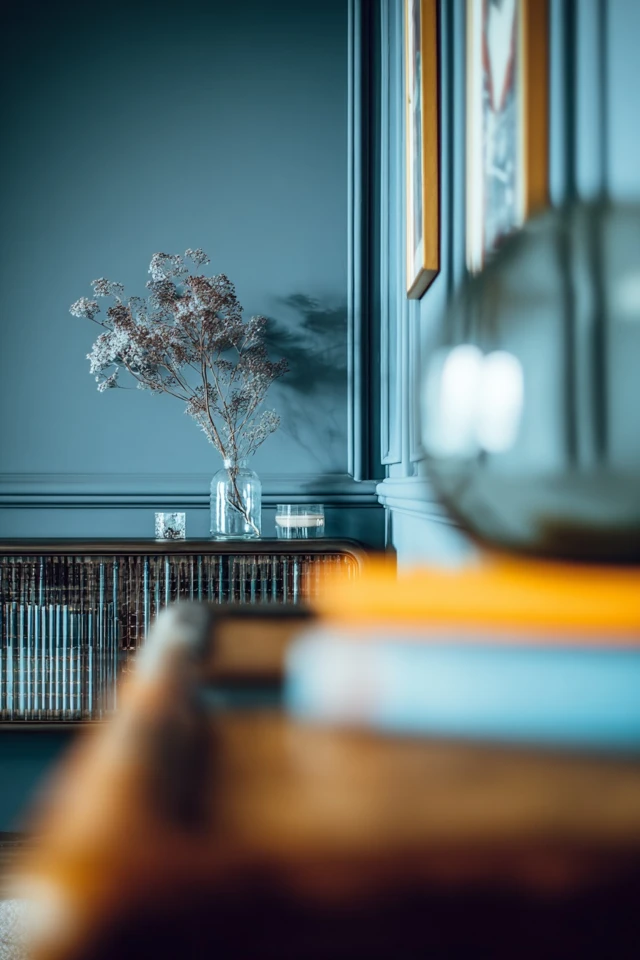
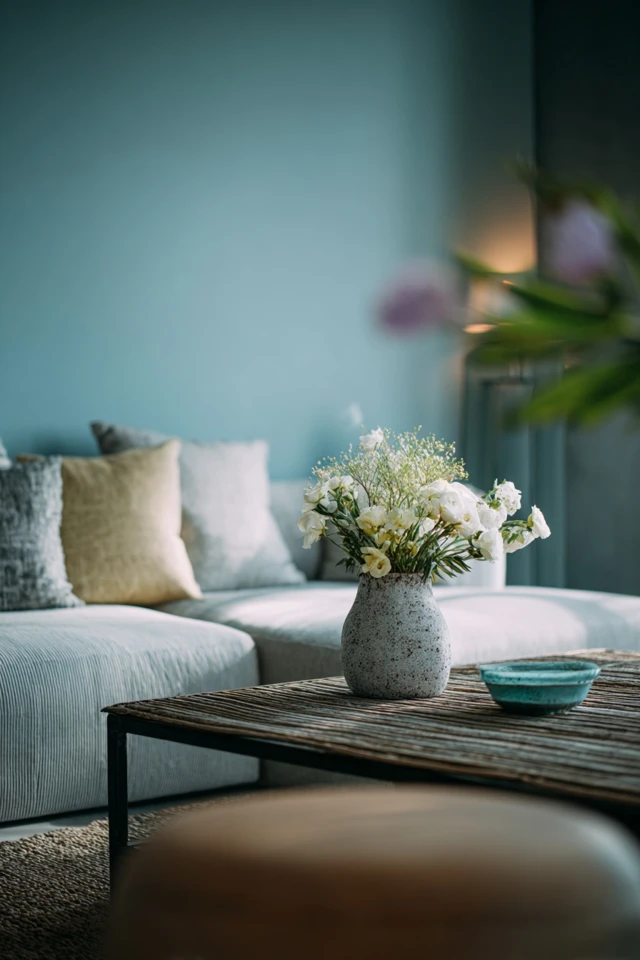
A gray blue room works best when the walls stay soft and the room around them gets warmth and texture. Pick a blue-gray with a bit of gray in it, add warm wood and brass, keep bedding in white, cream or deeper blue, and test the paint in your own light before you commit.
It's a forgiving color. It sits between steel gray and true blue, so it suits bedrooms, living rooms and even hallways. Here are the ideas that make it work.
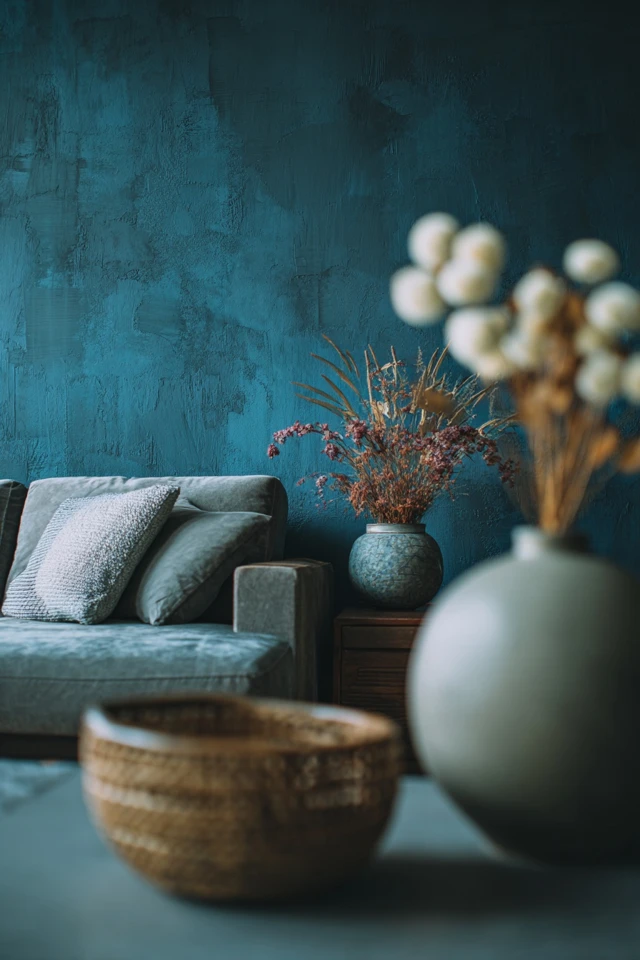
How do you choose blue-gray paint colors?
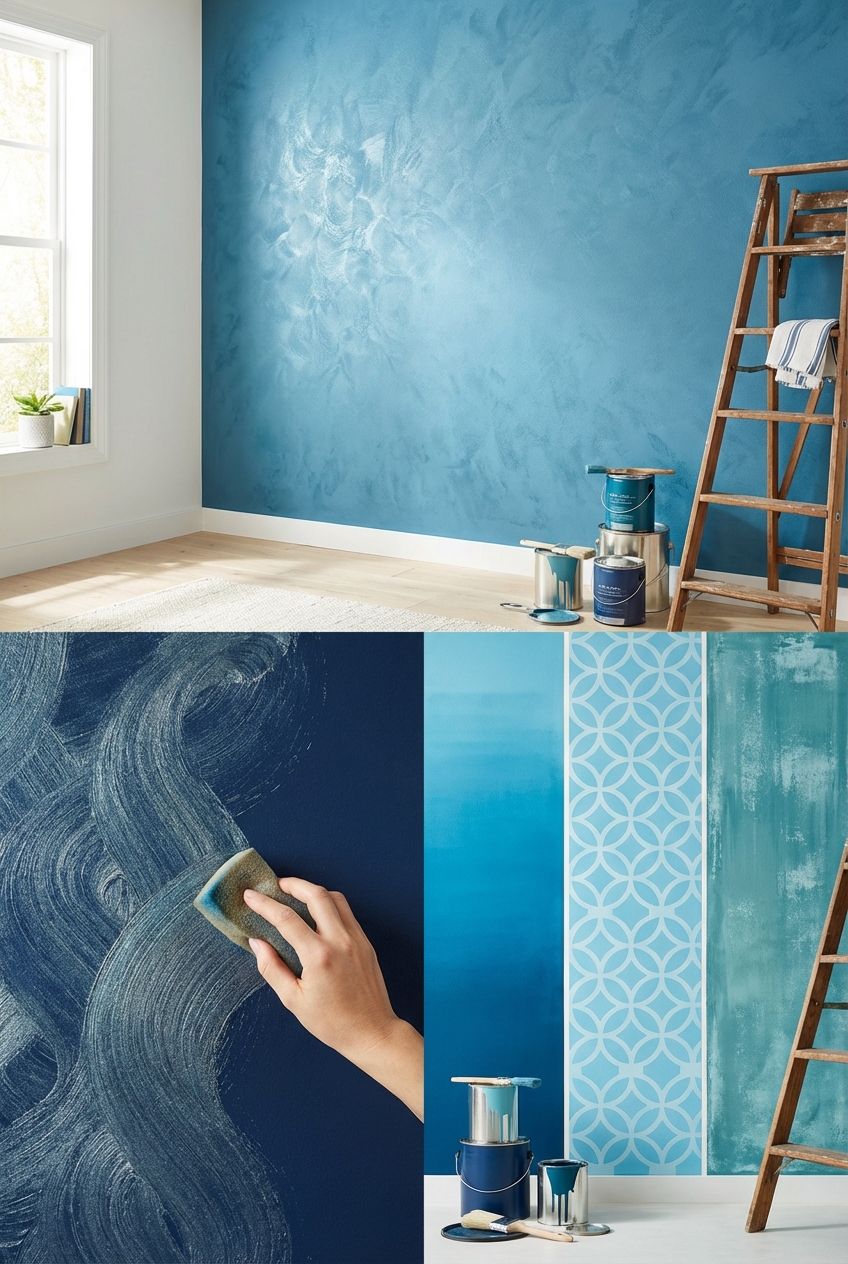
Start with the light, not the swatch. The same blue-gray can look silvery in a north-facing room and noticeably bluer in a south-facing one. Paint two or three large patches on different walls and look at them in the morning, afternoon and evening.
Then check the undertone. If the color feels cold, choose one with a hint of green or warm gray. If it feels flat, pick one with a little more blue. Compare the sample against your floor and fabrics, since those will sit next to it every day.
Light, mid or dark?
Light gray blue reflects more daylight and suits small rooms and low-light bedrooms. A mid tone gives you the classic calm look and handles most furniture. A dark gray blue wraps a large room and feels cozy, but it needs good lighting and some lighter pieces so it doesn't turn heavy.
Finish matters too. Matte or eggshell cuts glare and hides small wall flaws. Semi-gloss on trim gives crisp edges. If you have a dog, eggshell is easier to wipe down than flat matte.
Does blue actually calm a room?
There's some research behind the idea that blue environments affect us physically. In a study led by Isabella S Bower of Deakin University, the authors report that "The findings show that blue coloring of the built environment increases autonomic range and is associated with modulations of brain activity linked to emotional processing." That's not a promise of instant relaxation, but it supports treating wall color as more than decoration.
The gray in a blue-gray softens the intensity of pure blue, which is why I'd choose it for a bedroom over a saturated shade.
Navy and light gray: a bedroom contrast that holds up
A navy and light grey bedroom gives you strong contrast without much color. Keep light gray on the walls and bring navy in through a headboard, curtains or a bed frame. Or flip it: paint the walls a muted blue-gray and use light gray bedding and a pale rug.
Add white trim or a white lamp base to give the eye a place to rest. Without a light element, navy and gray can read as gloomy.
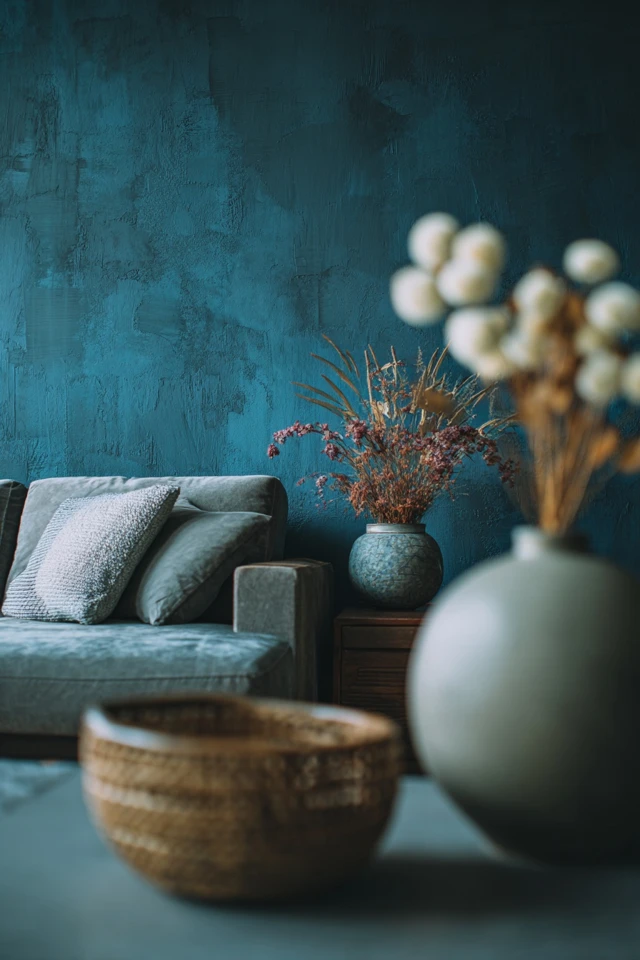
Gray walls with blue accents, or the other way around
If you're nervous about painting, start with gray walls and bring in blue through pillows, a throw or a rug. If you already have blue-gray walls, use gray in the furniture and bedding so the room doesn't become one flat tone.
For a blue and gray bedroom, a good rule is one dominant tone, one supporting tone and one accent. Say blue-gray walls, light gray linen, and a single deeper blue pillow pair.
Should you do an accent wall?
An accent wall bedroom blue grey scheme works well behind the bed, because it's the natural focal point and it's usually the wall you see least while lying down. Choose a shade a step darker than the other walls, not a dramatic jump. In a small room, painting all four walls the same color often feels larger than breaking them up.
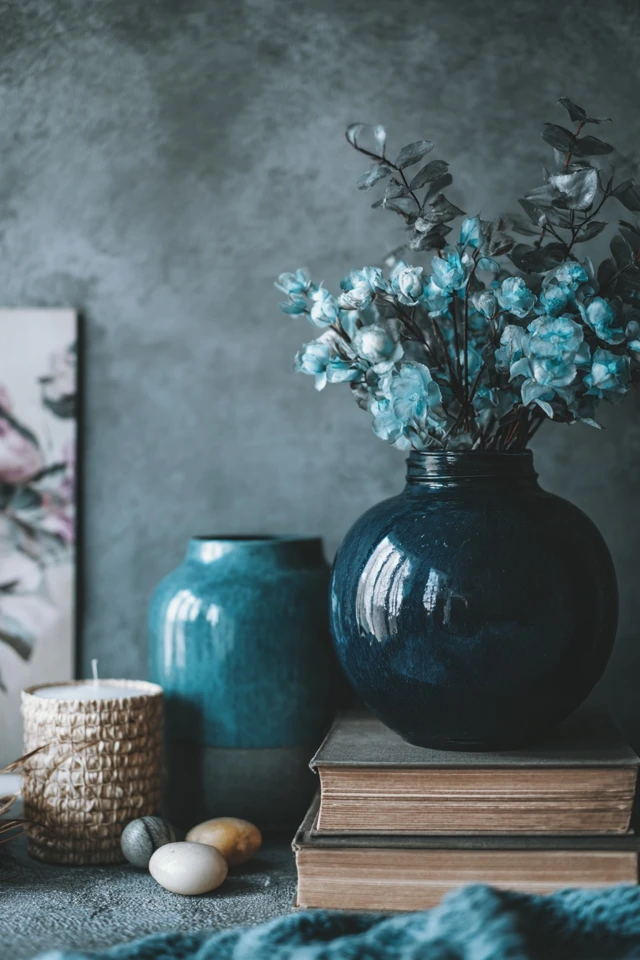
What color bedding for blue-gray walls?
White, cream and soft gray are the safest. Warm white feels cozier than bright white against a cool wall. Deeper navy or slate adds contrast, and a rust, ochre or caramel pillow gives a warm counterpoint.
Mix textures rather than many colors: a percale sheet, a chunky knit throw, a linen duvet. If a dog sleeps on the bed, washable covers in a mid tone hide fur better than pure white. For curtains, choose a fabric within one shade of the wall, or go a bit lighter to keep the window bright.
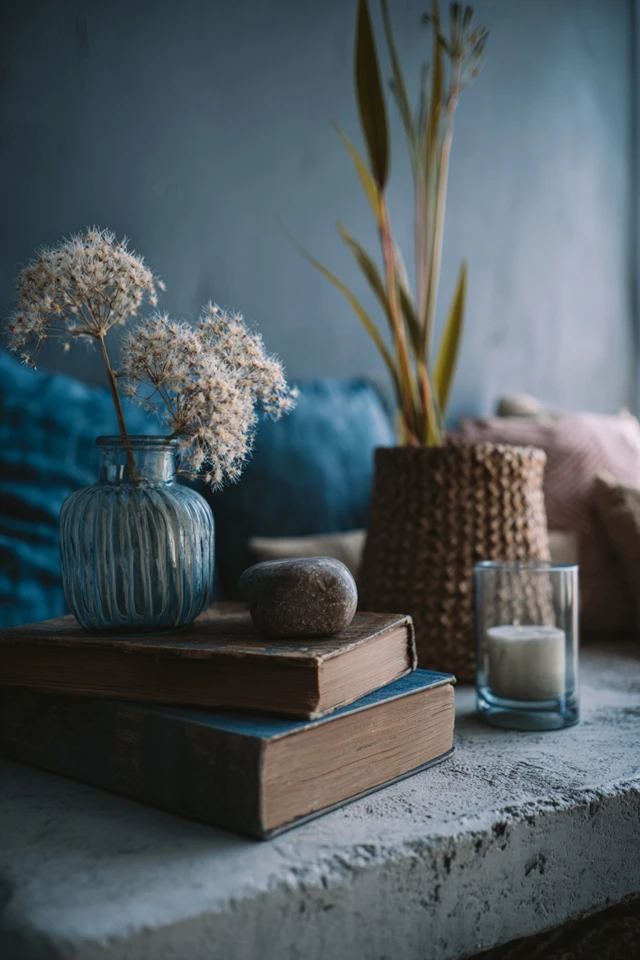
How do you warm a gray blue room?
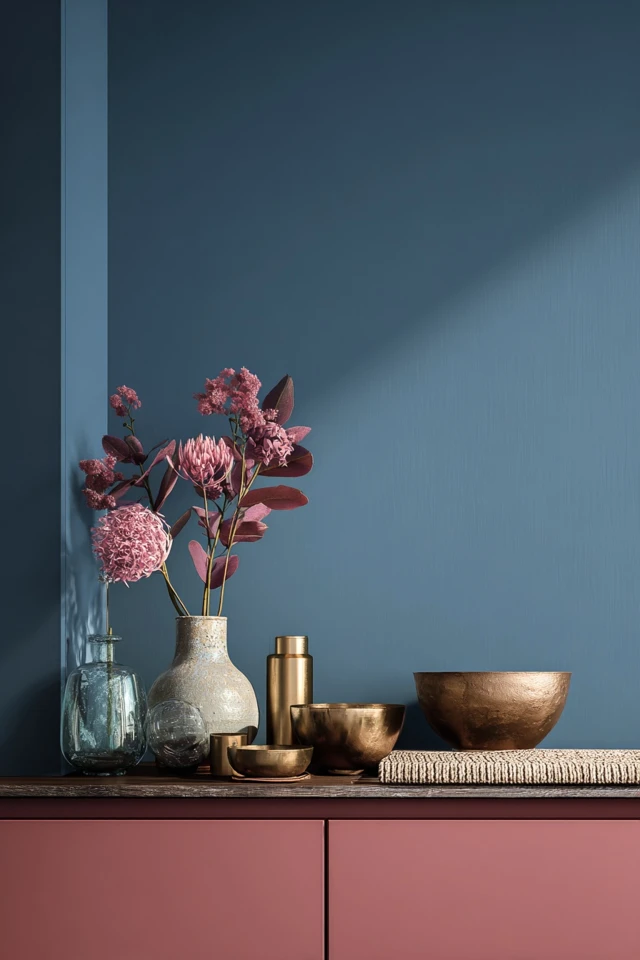
Warm materials do most of the work. Oak, walnut and rattan balance the cool wall, and brass or aged bronze hardware adds a gentle glow. A wool or jute rug underfoot makes the room feel less chilly than a bare floor.
Lighting counts just as much. Warm to neutral bulbs, roughly 2700K to 3500K, keep gray blue inviting. Cool white bulbs push it toward clinical. Layer a ceiling light with a bedside lamp or two and put them on dimmers if you can.
Accessories: rugs, art, metals and plants
A patterned rug in cream and blue ties the palette together. Choose art with some warm or white in it so the wall color isn't repeated everywhere. Repeat one metal finish across lamps, frames and drawer pulls so the room feels planned.
Green plants look good against blue-gray. If you share the home with pets, check any plant with your vet or a pet-toxicity list before bringing it in.
Making it feel modern or classic
For a modern gray blue room, keep lines simple, finishes matte and metals black or chrome. For a classic look, add paneling, brass and wood furniture with traditional shapes. If a similar palette appeals in another room, see how it plays out in a blue and white bathroom, or pair it with a dark gray couch in the living room.
If your bed sits awkwardly, the layout tips in bed in the corner of the room ideas help. As an architect, I'd settle the layout first, leaving about 30-36 inches for main walkways, and choose the paint last.
Frequently asked questions
What is a good accent color to go with gray?
Blue is the easy match, but warm accents like ochre, rust or caramel keep a gray room from feeling cold. Pick one accent and repeat it two or three times.
What is the best blue paint color for a bedroom?
A muted blue-gray with low saturation tends to feel restful. Test large samples at different times of day, since light changes the undertone.
How can I make a small gray blue room feel larger?
Use a lighter shade, keep furniture low, and let in as much daylight as possible. A mirror opposite a window also adds depth.
Can I mix gray blue with patterns?
Yes. Vary the scale of the patterns and repeat at least one color from the wall or rug in each of them.
Filed under
ArticlesMeet the author
Written by an architect.
Julio Arco is a passionate architect with years of experience in architecture, interior design, urban design, and housing. He studied at prestigious universities across North America and Europe.

- Name
- Julio Arco
- Job
- Architect and online interior designer
- Studied
- Architecture, ITESM · Urban Design and Housing, McGill
- Partner
- Thor, Australian Shepherd
- Thor’s title
- Head of quality control