How to Design a Traditional Colonial Style Room – 10 Tips
The traditional style room is the most popular of all living room styles. It has an elegant, classic look that blends well with just about any other…

By Julio Arco
Architect and online interior designer
In this post
- What Is Traditional Colonial Interior Design Style?
- The Roots of Traditional Colonial Interior Design Style
- Traditional Colonial Interior Design Today
- What Makes a Room Traditional Colonial
- 1Furniture
- 2Layout
- 3Color Palette
- 4Finishes
- 5Walls
- 6Fabrics
- 7Illumination
- 8Window Treatments
- 9Accessories
- 10Classic Art
- Design a Traditional Colonial Style Room – FAQ
What Is Traditional Colonial Interior Design Style?
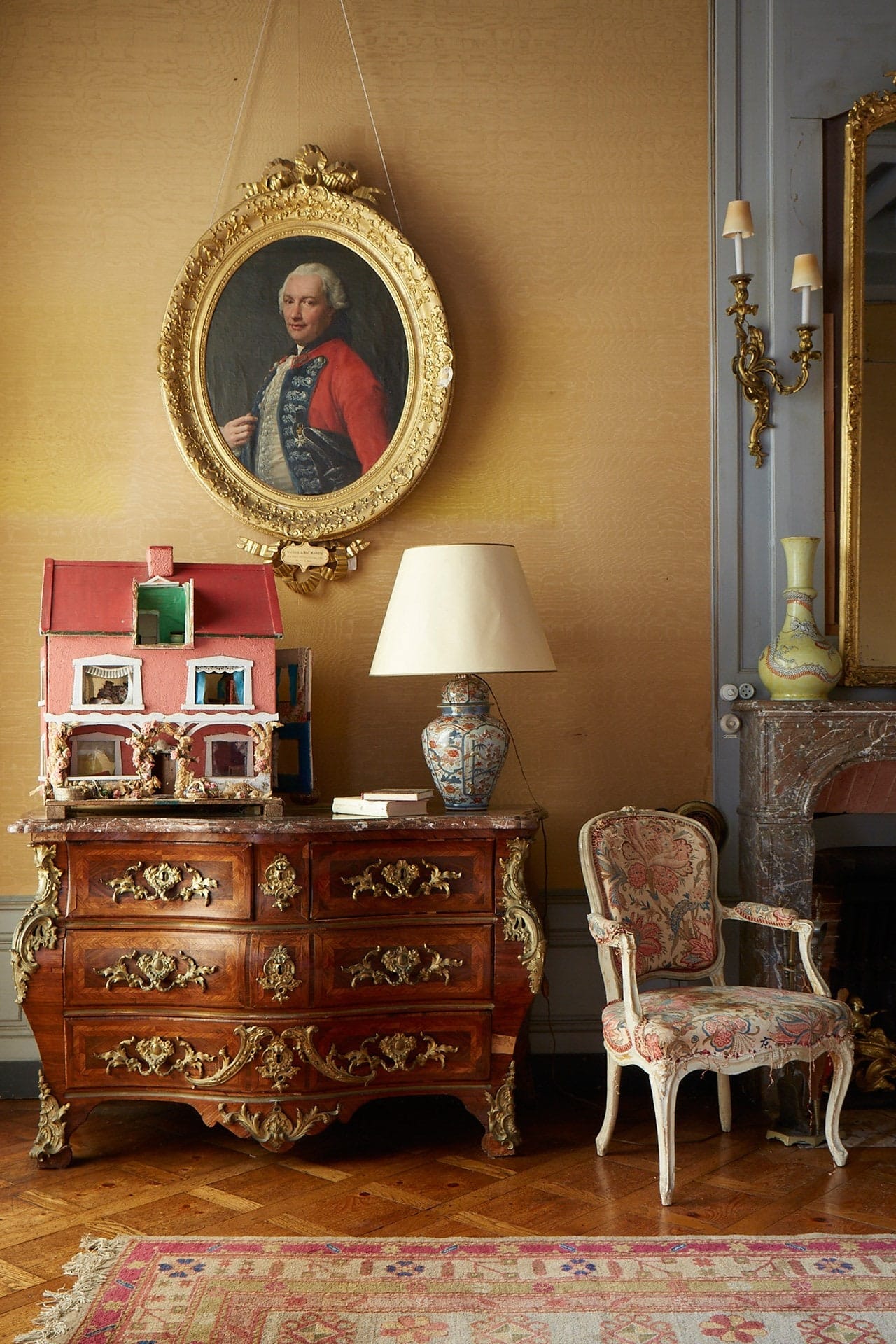
Popular among homeowners, traditional colonial interior design takes its cues from the customary ideals of the 18th and 19th centuries in Europe.
Traditional Colonial houses and interior design are rooted in past traditions without being limited to any one era. This design style is popular among homeowners because it takes its cues from the customary ideals of past centuries while remaining relevant today.
It’s known to use furniture, fabrics, color palettes, and decorative accents that are both comfortable and reminiscent of times gone by.
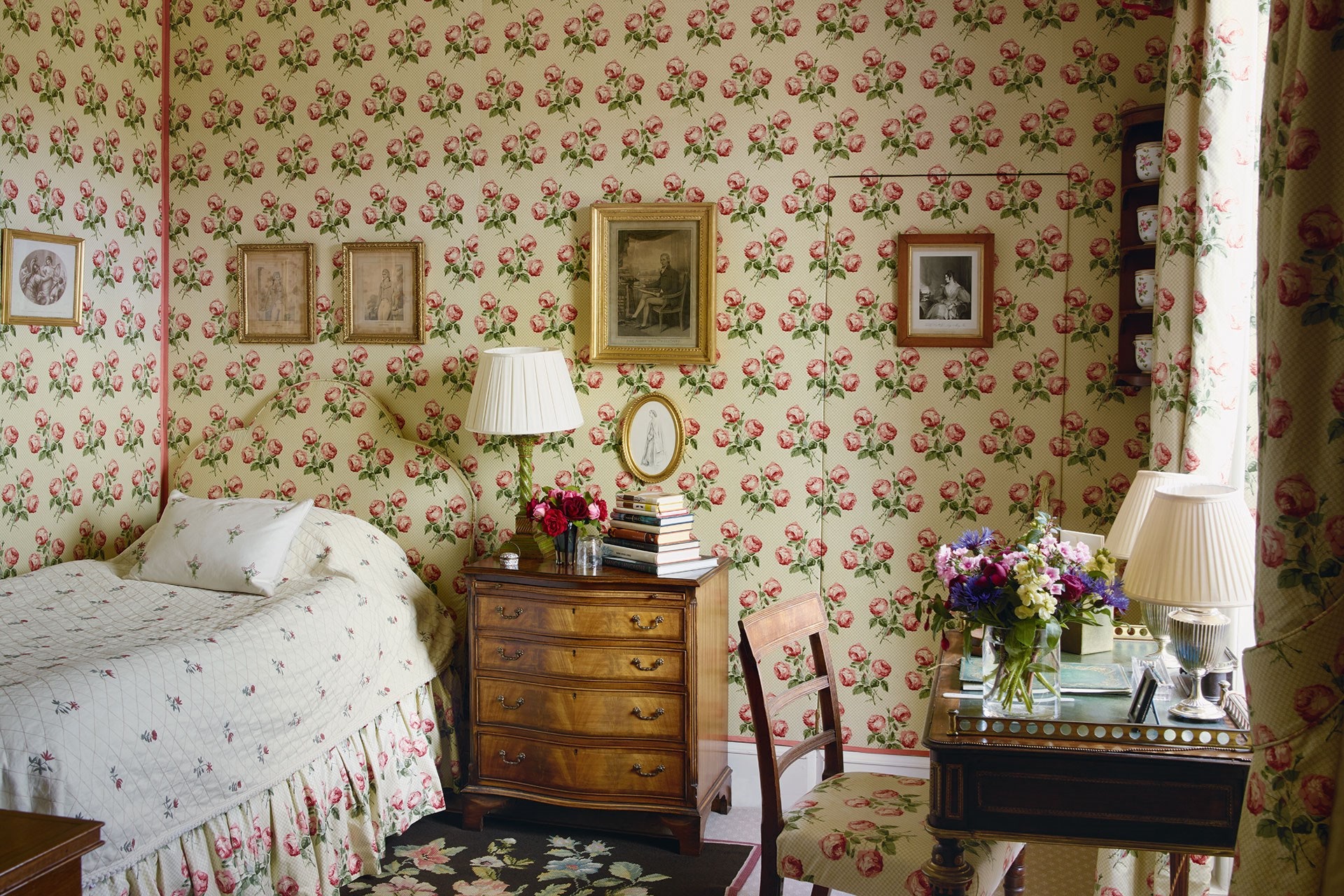
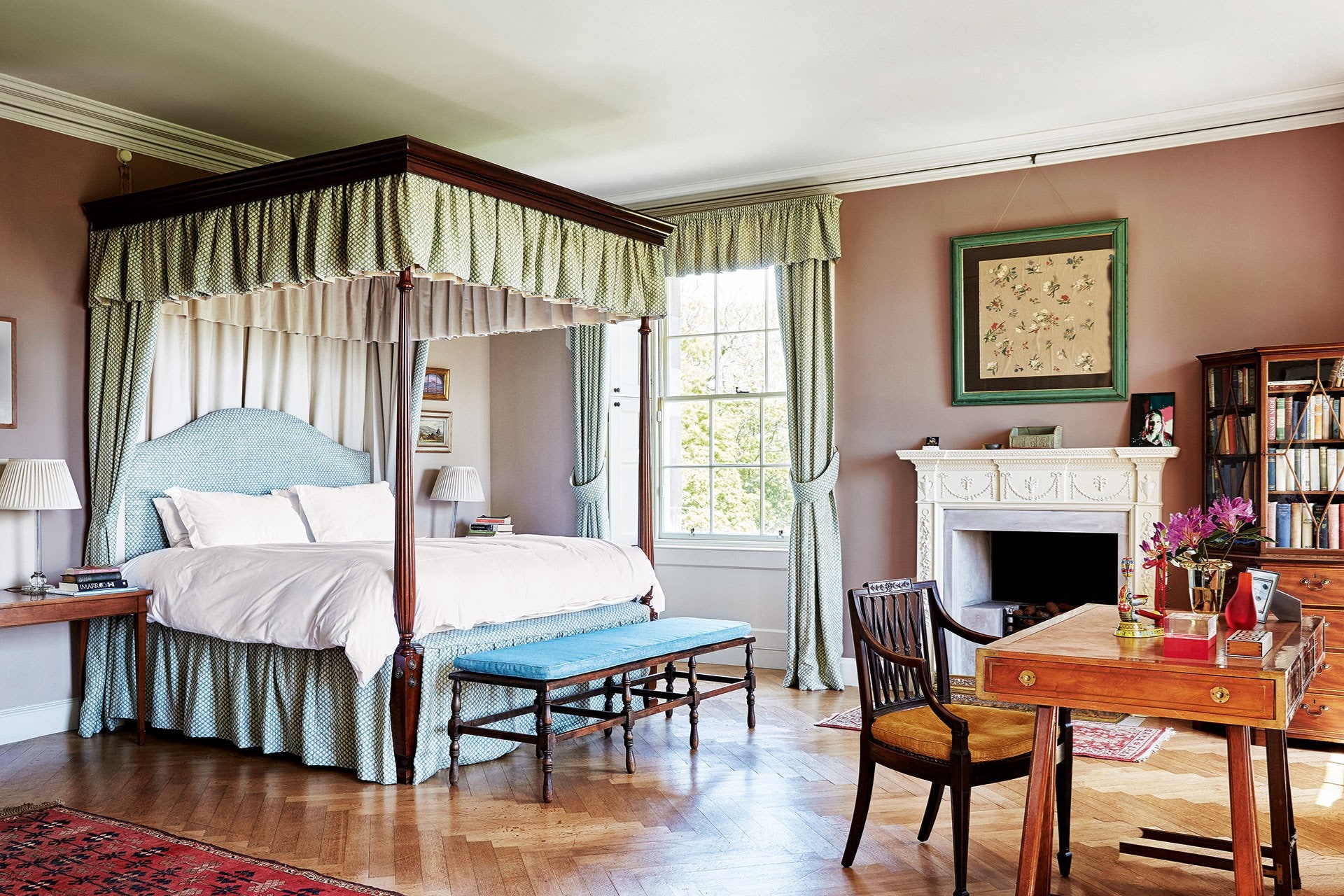
For example, a traditional colonial style bedroom may be decorated in soft tones all around, with carved wood or upholstered headboard, matching nightstands and lamps, and drapes or blinds in a coordinating color.
Traditional colonial bathrooms often feature clawfoot tubs, pedestal sinks, and intricate tilework. These time-honored design elements can give any room in your home a classic look that will never go out of style.
The Roots of Traditional Colonial Interior Design Style
As mentioned, the roots of this style can be traced back to the 18th and 19th centuries, when Europeans were seeking to recreate the aesthetic of their residences.
It became widely accepted in the 20th century due to postwar suburbanization and the desire to create a more classic look in homes.
While this style has remained popular over the years, it has undergone some changes as new manufacturing processes and trends have emerged.
For example, fans of this style have employed the same manufacturing processes as Mid-Century Modernists to create copies of historical items like Queen Anne chairs and Chippendale highboy dressers.
Traditional Colonial Interior Design Today
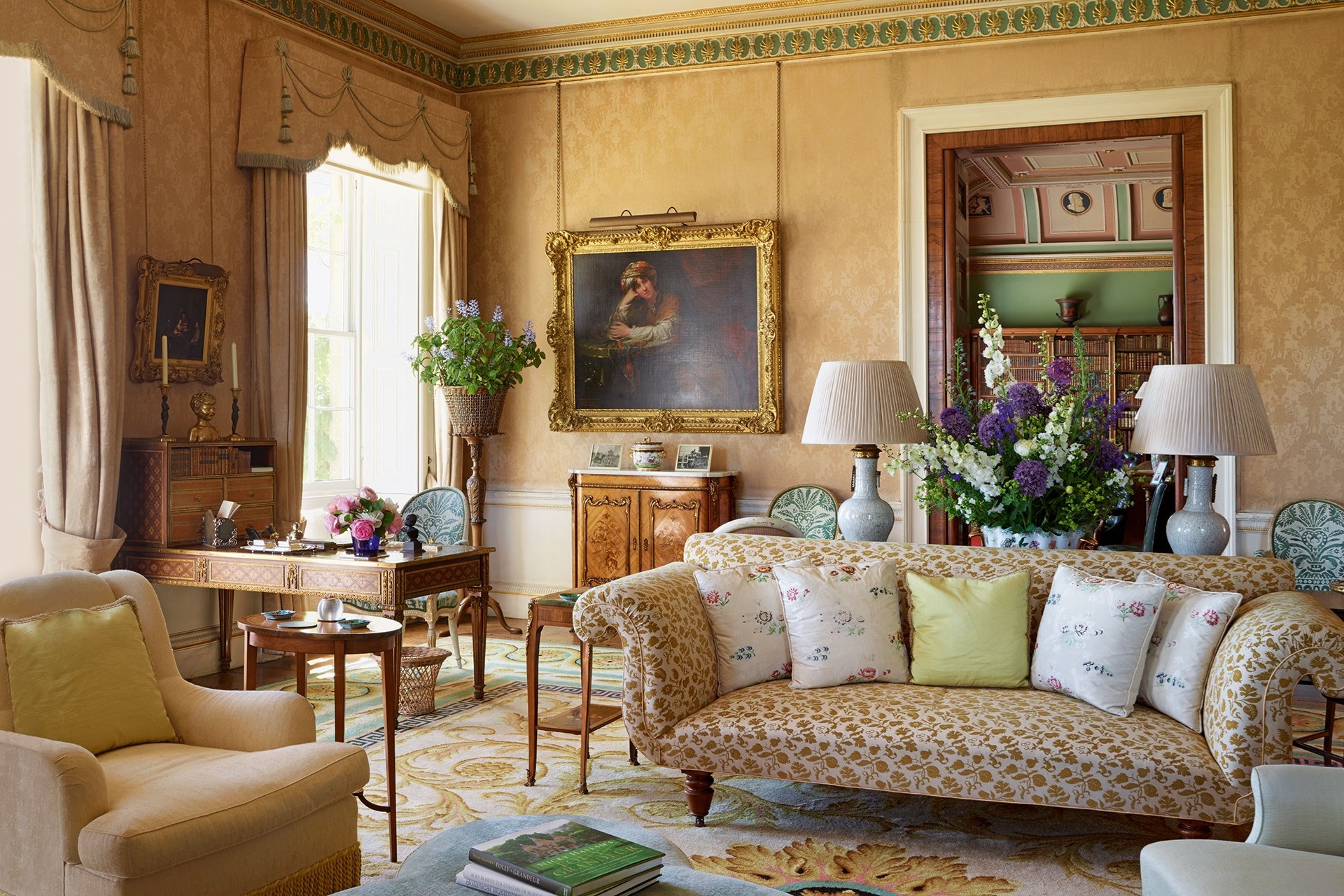
While this style has its roots in the past, it doesn’t mean it can’t be adapted to the modern world. Thanks to grandmillennials, there has been a resurgence of “granny style” in recent years.
Large kitchen islands and open floor plans are just two examples of the contemporary touches seen in many currently built classic houses. New Traditional is a style that combines elements of classic design with more modern elements, brighter colors, and antique or vintage furniture and accessories.
What Makes a Room Traditional Colonial
1.- Furniture
For example, traditional colonial house furniture is characterized by its focus on classic European design from the 18th and 19th centuries. This style is heavily influenced by the looks of England and France.
Therefore, furniture is a great place to start if you’re interested in achieving this look in your home. These items are typically made of high-quality materials like wood and leather and often feature intricate details like carved accents or brass hardware.
If you own pets, it’s crucial to know how to take care of your furniture, especially with antiques and vintage pieces. Please visit our article on how to take care of your furniture when you have pets.
2.- Layout
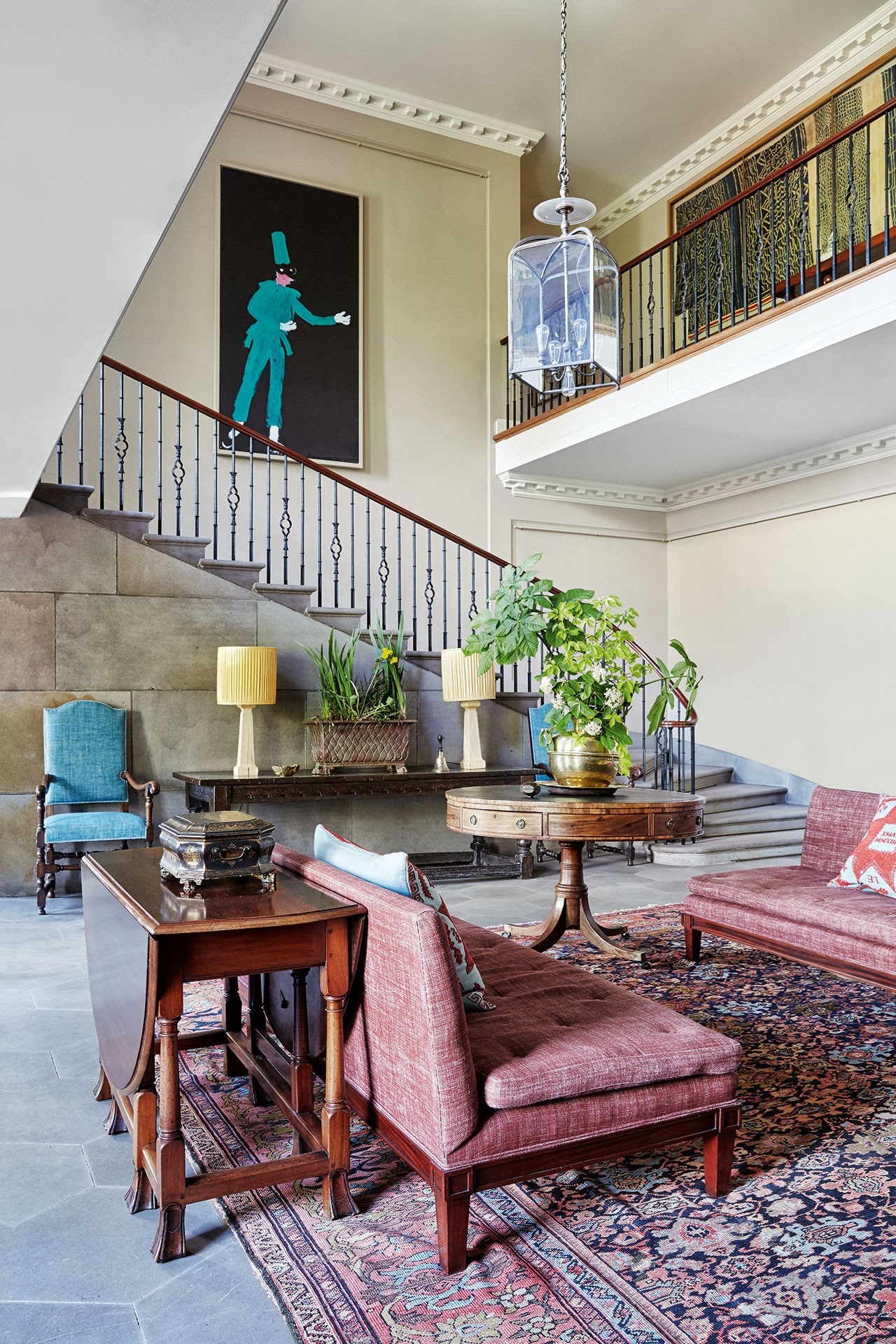
This style is based on tried-and-true uses of space, matched sets of furniture and accessories like couches and lamps, and an overall sense of harmony. Therefore, don’t be hesitant to add depth by including a few antiques, modern pieces, or old works of art that complement the overall design.
However, each piece should have a purpose and contribute to the overall aesthetic. For example, a traditional colonial-style sofa should be placed against a wall with a coffee table in front of it and two chairs across from it. This furniture placement will create an inviting conversation area that’s perfect for entertaining guests.
Suppose you’re working with a professional interior designer. In that case, he or she will likely have a wealth of knowledge about these principles and how to use them in your home.
3.- Color Palette
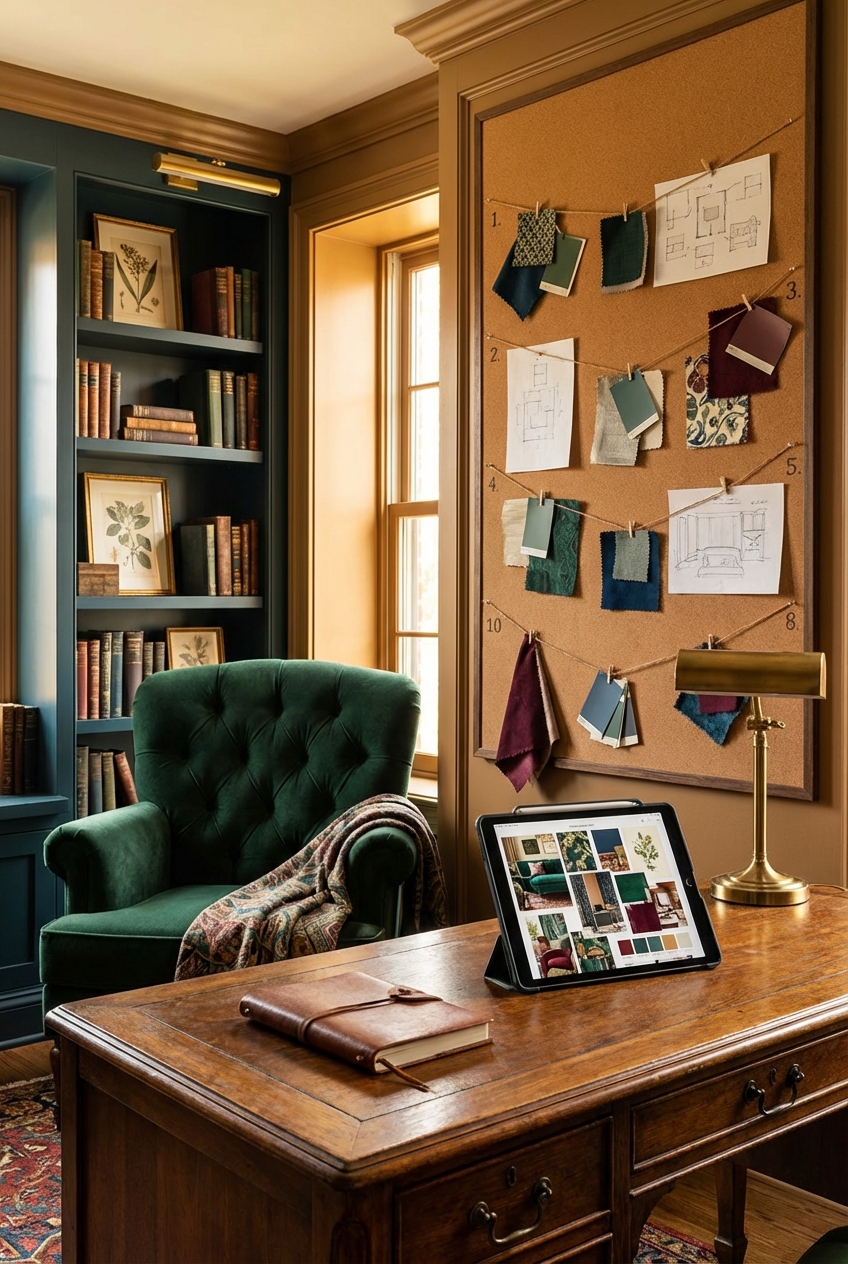
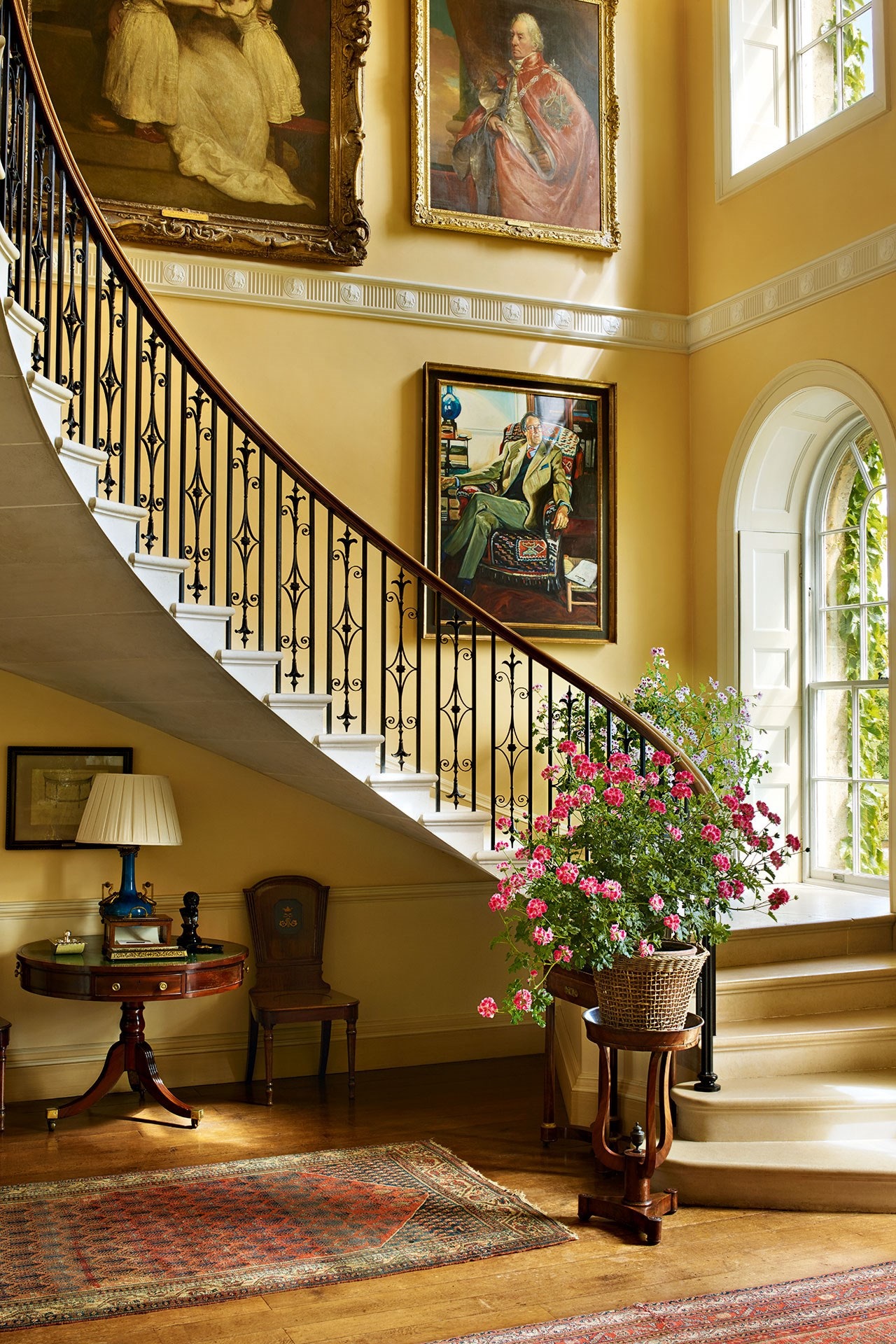
When it comes to colonial interior design, colors usually play a subtle role. Neutrals like white, beige, and gray predominate, with just accents of bright color here and there. This can create a calm and soothing atmosphere or a warm and inviting one.
Therefore, consider using earthy or rich jewel tones if you want your colonial-style bedroom to have a bit more personality. These richer hues can add depth and richness to your space without feeling overly formal or stuffy.
4.- Finishes
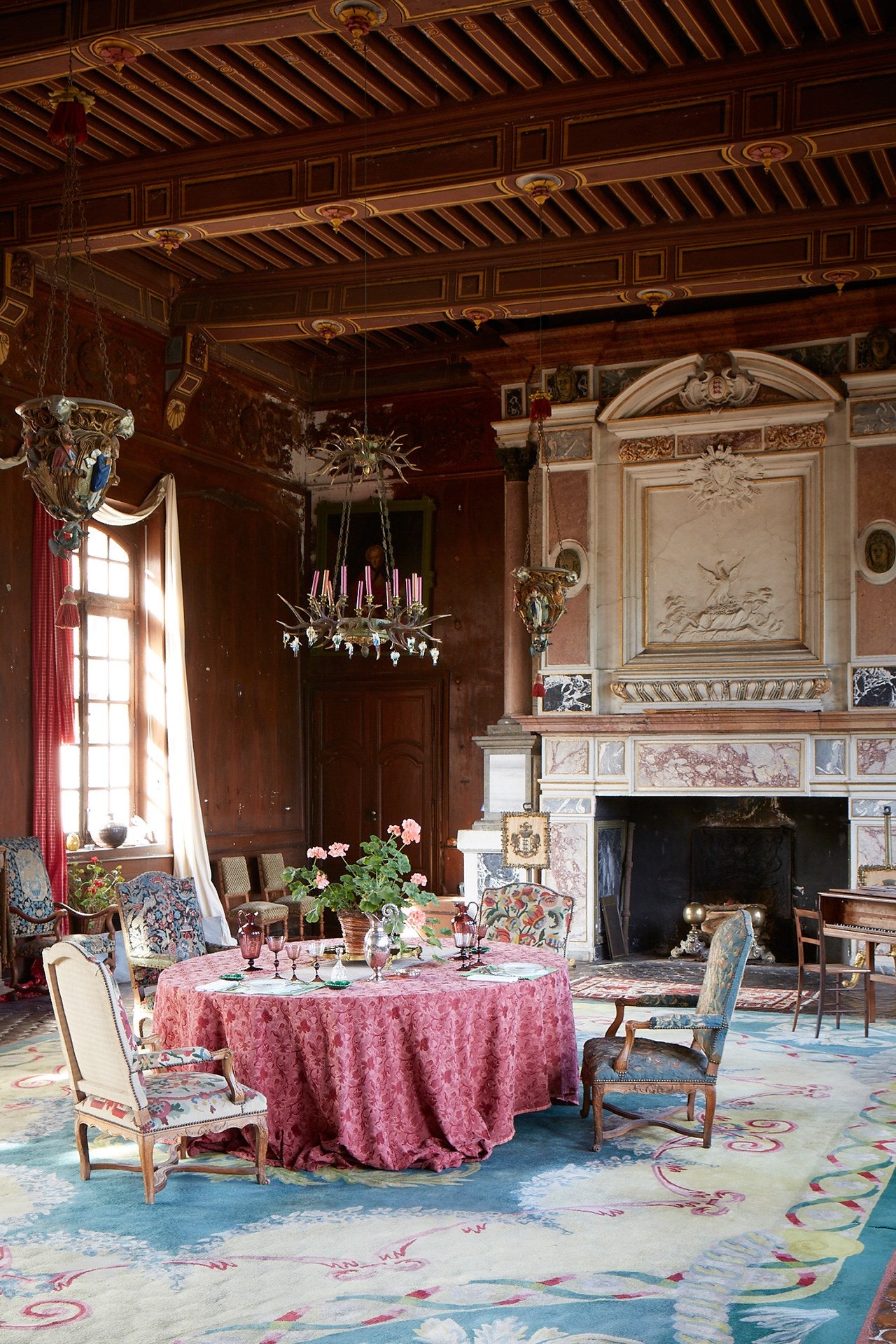
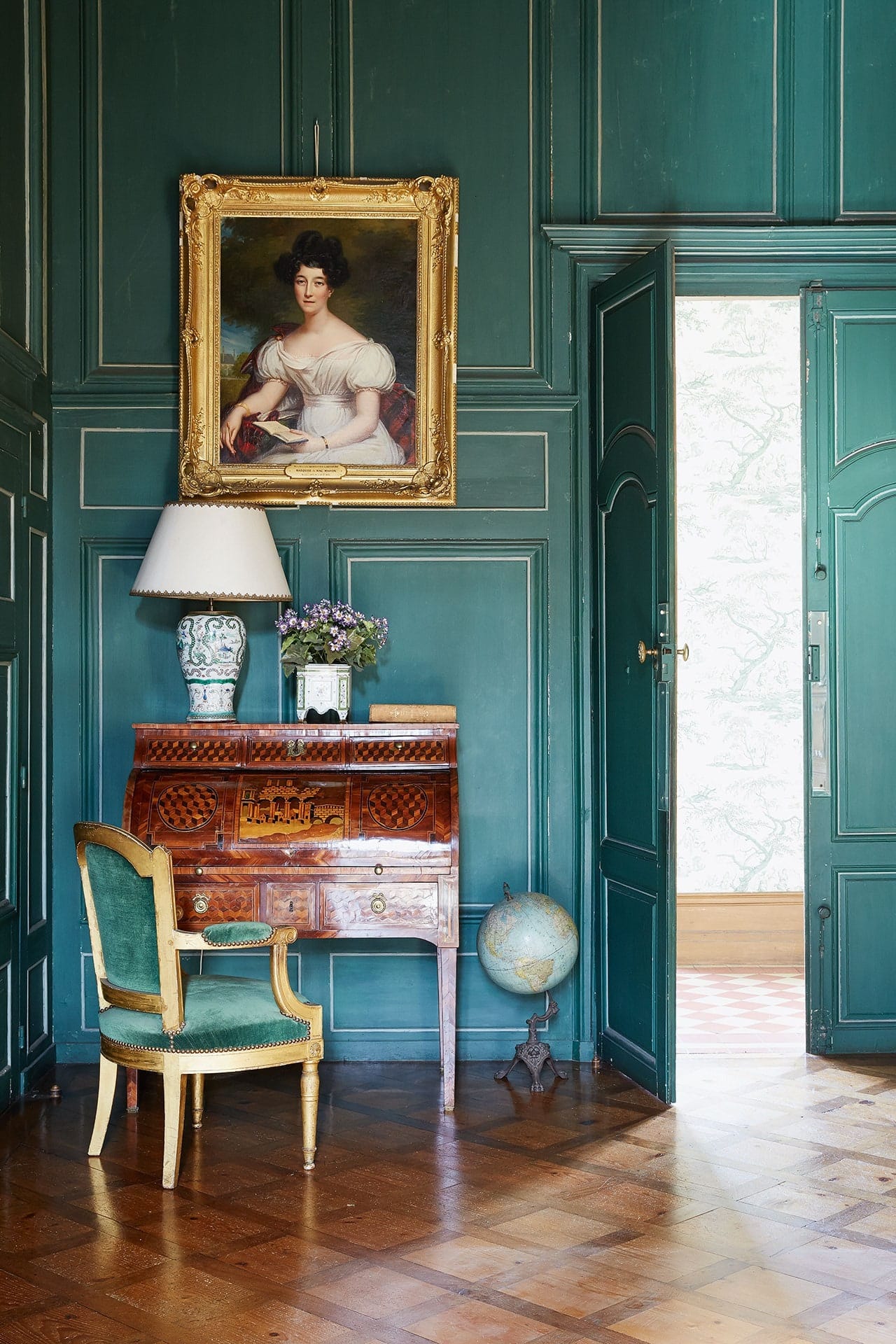
With this style, you should aim for features with deeper, richer finishes. This can be seen in the flooring, which is often finished in a deeper shade of wood. Interior designers tend to select warmer wood tones, such as walnut for furniture mainly because people are drawn to the timeless elegance of traditional spaces. When done well, traditional colonial-style bedrooms can be warm and inviting.
5.- Walls
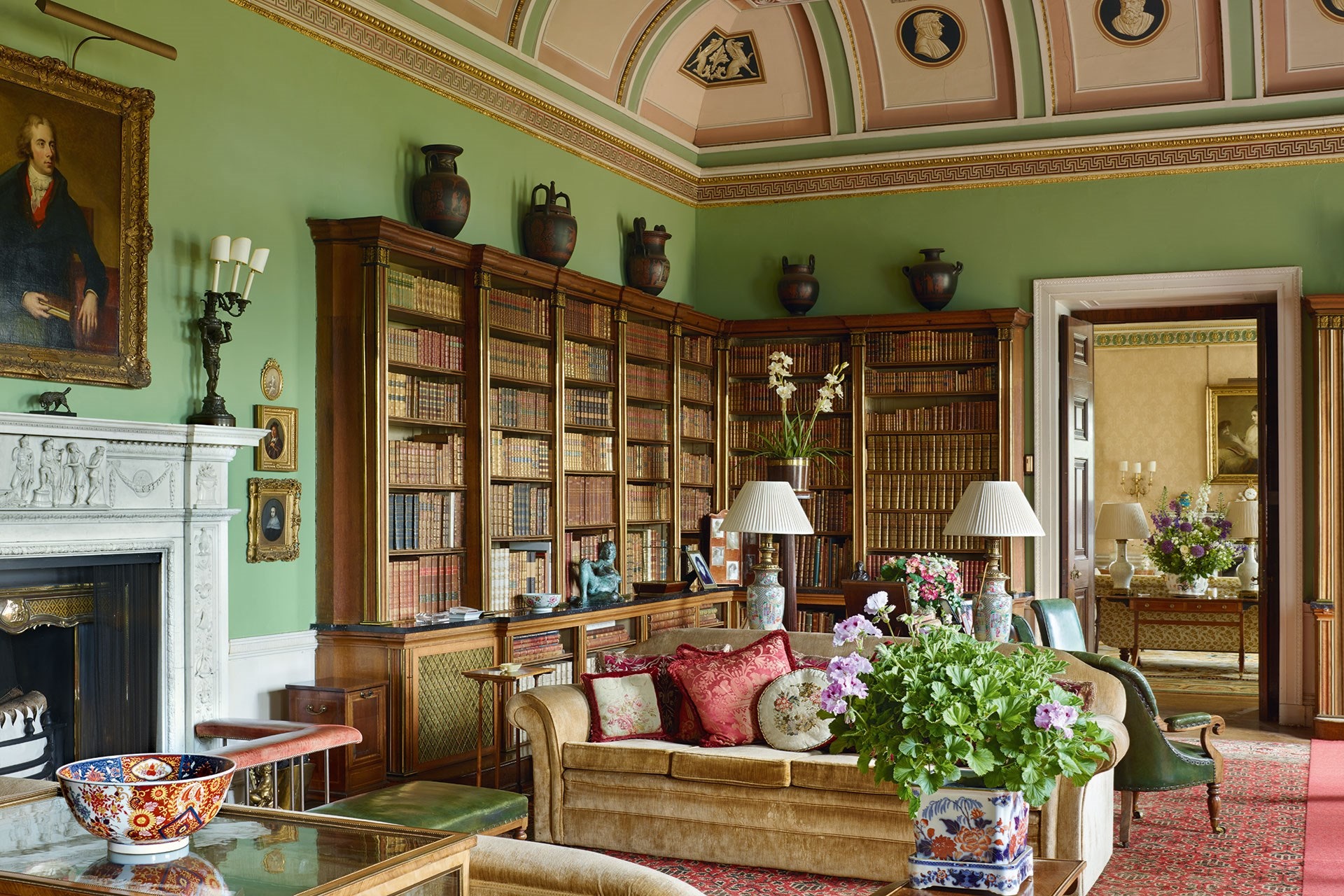
Walls are typically painted in subdued neutrals, although classic themes and patterns like floral, stripes, or damask wallpaper may provide a touch of flair. Crown molding and wainscoting are two examples of classic interior architectural details that might be used on walls.
6.- Fabrics
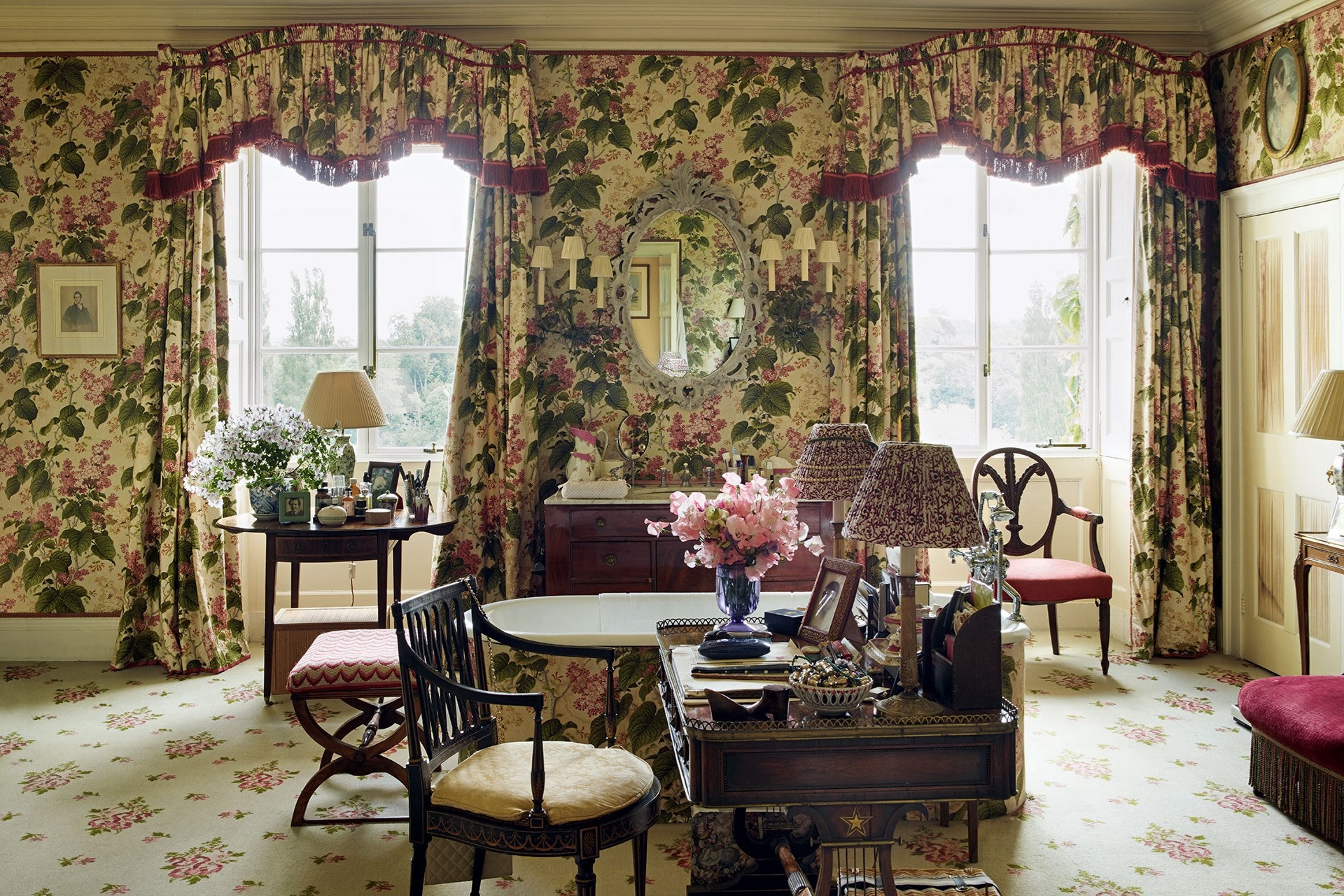
These houses often feature fabrics with solid colors or subtle patterns. Stripes, florals, and plaids are all popular fabric choices that can add visual interest to a space. Rugs are also a key design element, and Persian-style rugs are especially popular.
These Persian-style rugs can add pattern and interest to any space or a more contemporary feel. Turkish rugs are also becoming increasingly popular in achieving this look, mainly because they offer a more unique look that can add personality to a space.
Whatever fabrics you choose, make sure they complement the overall design of your home. It’s worth mentioning that if you have pets, you should opt for pet-friendly fabrics.
7.- Illumination
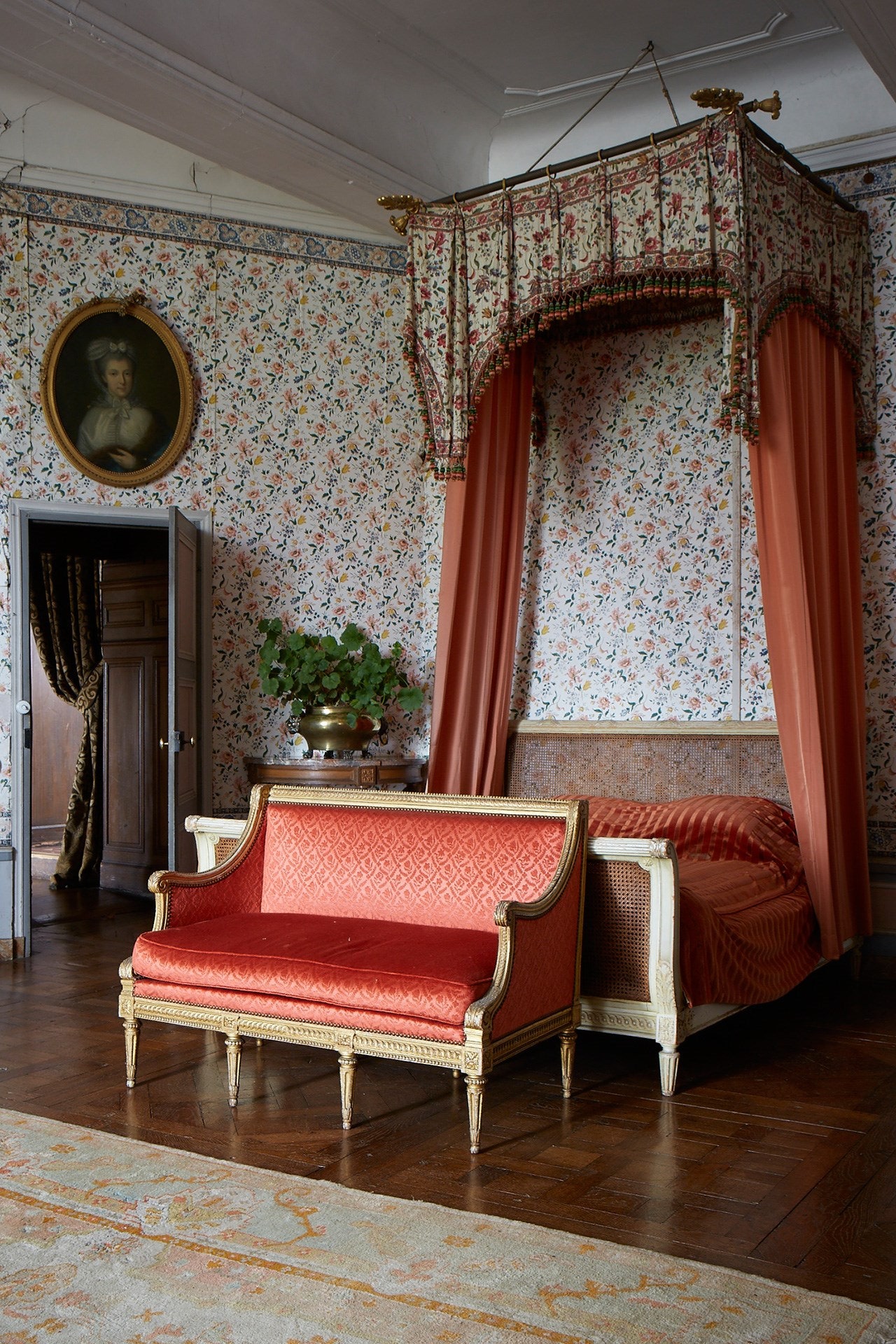
Illumination is one of the most important aspects of traditional colonial interior design. Pendants, sconces, chandeliers, and any kind of light fixture are all great ways to add light to a room.
However, you can also choose a pendant with a more contemporary shade or a chandelier with a more unique shape. Adding updated versions of traditional colonial lighting fixtures is an easy way to add a touch of class to your home.
Natural illumination is also important because it can help to create a warm and inviting atmosphere. Consider adding curtains or shutters to your windows to help control the amount of light that comes into the room.
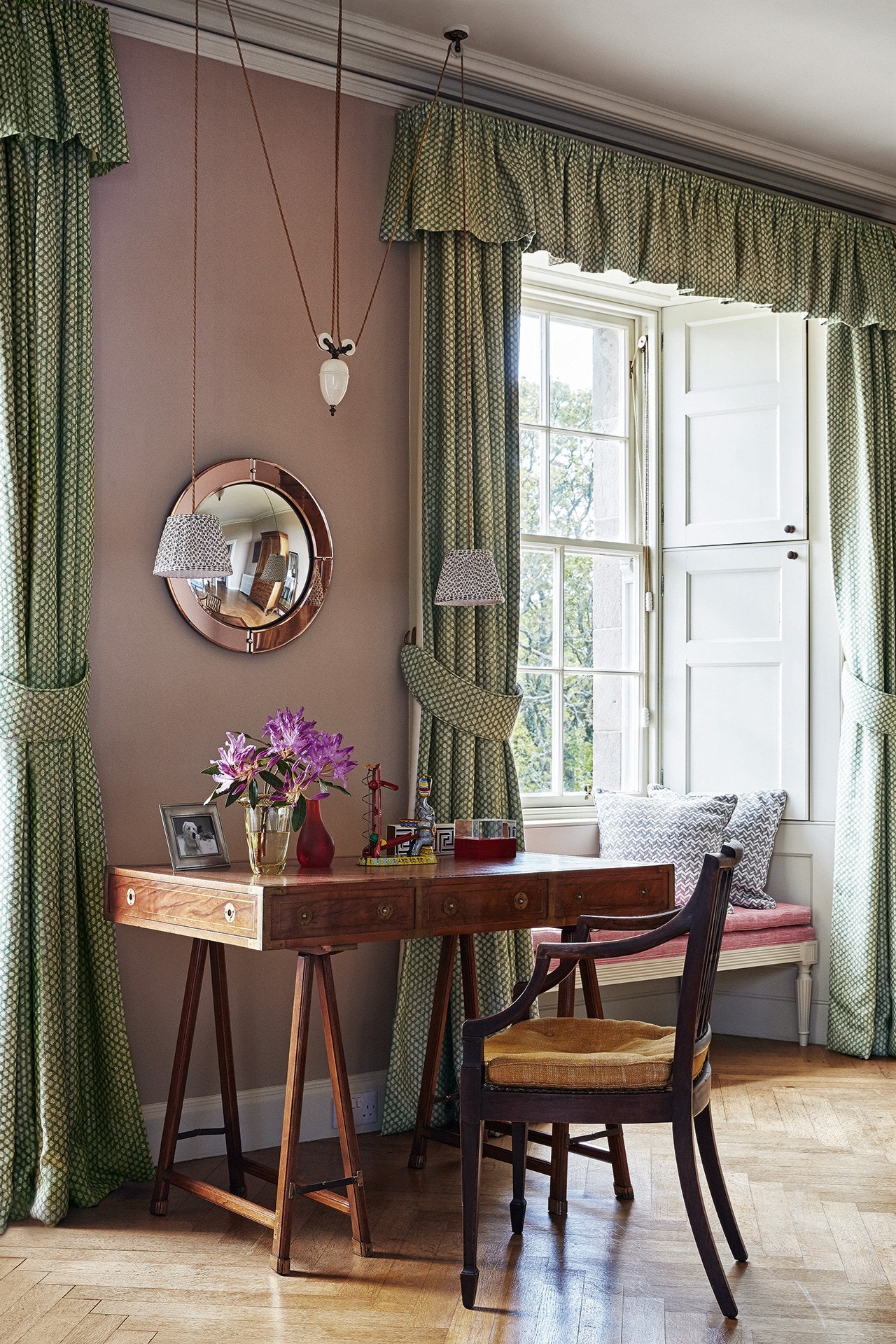
8.- Window Treatments
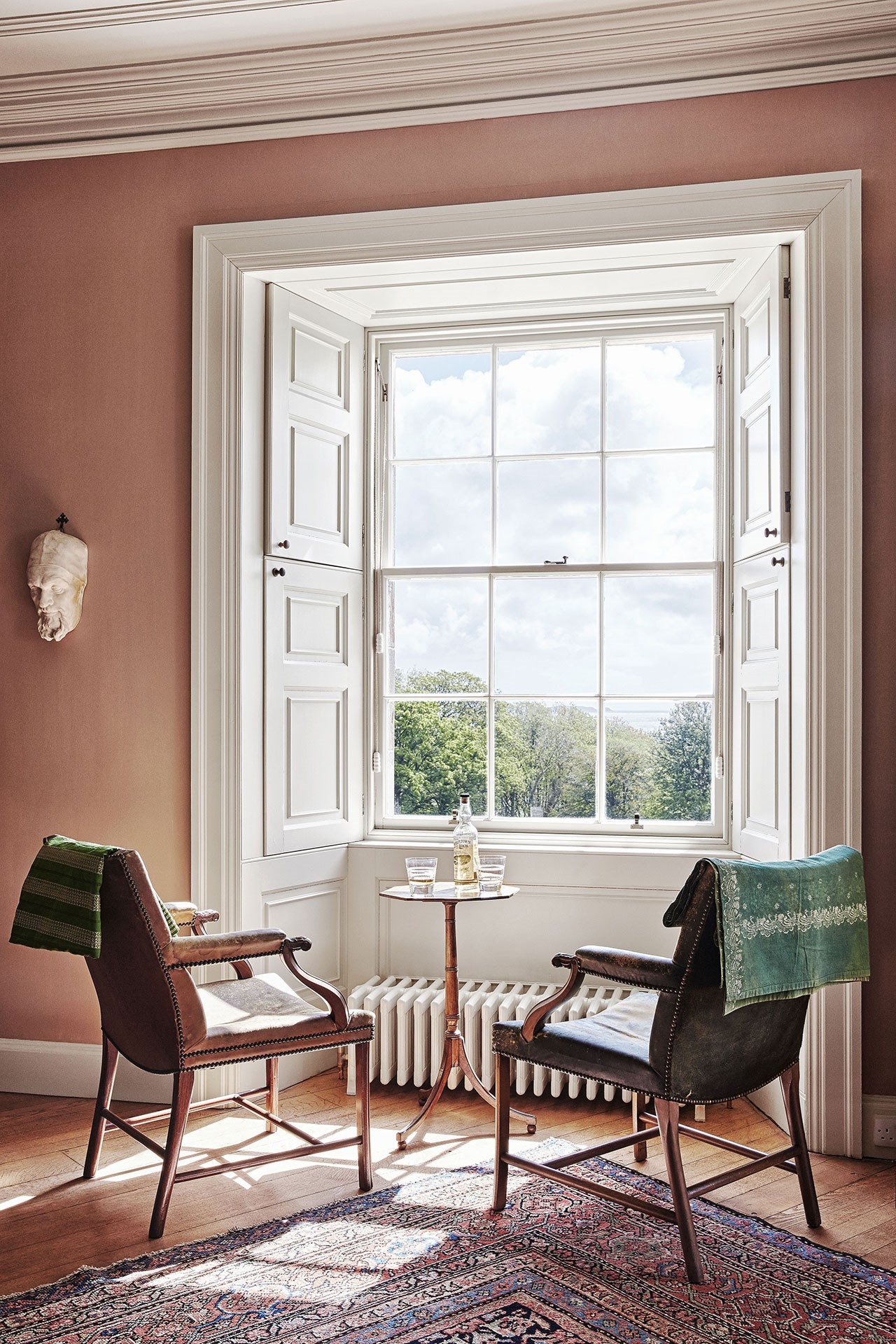
Window treatments are a vital part of any room. Although contemporary takes on classic design sometimes omit the ornate valances of yesteryear, traditional colonial window treatments typically include blinds and curtains or drapes.
These window treatments serve several vital functions in design schemes. First, they provide privacy from prying eyes outside the home. Second, they help to regulate light levels in the room, keeping it bright during the day and dark at night.
Third, they add an element of warmth and coziness, making the room feel more like home. Fourth, they can be used to add color and pattern to a room, helping to tie the whole design together. Fifth, they can help to reduce noise levels from outside the home.
9.- Accessories
Accessories are the perfect way to add personality to any design. Tablecloths, candelabras, antique silver, sets of china, and vintage linens are all appropriate examples of pieces to use. Use these accessories wisely to achieve the style you are looking for.
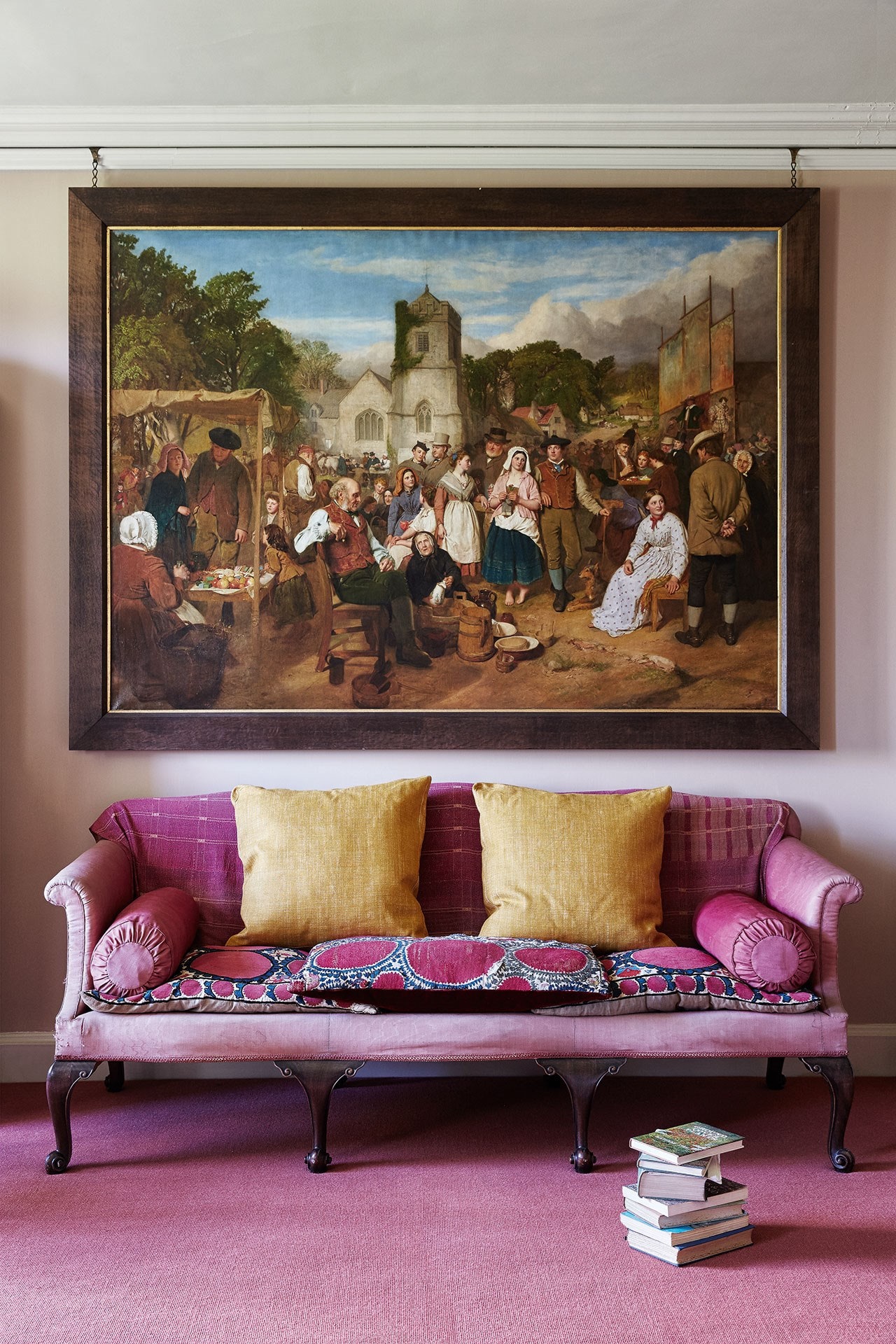
10.- Classic Art
Many people enjoy incorporating art into their home’s décor. Antique paintings and classic art sculptures can add a touch of elegance to any room. And while traditional colonial art may be expensive, it can add a sense of sophistication to a home.
Design a Traditional Colonial Style Room – FAQ
Should I create a focal point in my traditional colonial living room?
If you ask any interior designer, they will tell you that the focal point is one of the most important aspects of any room. The focal point is the first thing your eye is drawn to when entering the room.
Are curved lines in furniture considered traditional colonial by interior designers?
No, not necessarily. While some furniture does feature curved lines, it is not a requirement. However, you may want to avoid overly contemporary furniture with sharp lines and angles, as this can disrupt the feel of the room.
What kind of window treatments are appropriate for a traditional colonial living room?
Warm tones and rich textures are key. Heavy drapes or curtains in a solid color or subtle print can help to create an inviting and cozy space.
What is the most iconic traditional colonial light fixture?
The chandelier. Chandeliers come in a wide variety of styles, from simple and elegant to ornate and over-the-top. Choose a chandelier that fits the overall style of your room.
In what centuries did traditional colonial style start?
It originated in 18th and 19th century Europe primarily and eventually became a popular style.
Courtesy of House and Garden
Meet the author
Written by an architect.
Julio Arco is a passionate architect with years of experience in architecture, interior design, urban design, and housing. He studied at prestigious universities across North America and Europe.

- Name
- Julio Arco
- Job
- Architect and online interior designer
- Studied
- Architecture, ITESM · Urban Design and Housing, McGill
- Partner
- Thor, Australian Shepherd
- Thor’s title
- Head of quality control