Lavender Complementary Colors for a Cozy, Modern Room
Lavender's complement is yellow. See which yellows, greens and neutrals pair with it, plus paint finish, lighting and texture tips for a modern home.

By Julio Arco
Architect and online interior designer
In this post
- Which colors pair best with lavender?
- How do you keep lavender from feeling cold?
- How does light change lavender?
- What paint finish and wall colors work?
- Can lavender work in a boho room?
- Which textures and materials suit lavender?
- How much lavender should you use?
- Where does lavender fit in different rooms?
- Frequently asked questions
The complement of lavender is yellow. On the color wheel, lavender is a pale violet, and the color directly across from violet is yellow, so soft butter, warm ochre and mustard make lavender look clearer and more alive. Keep the yellow muted and use it in smaller amounts than the lavender.
You don't need a bold, high-contrast room to make this work. Lavender also sits well with moss green, warm wood, cream and charcoal, and the sections below show how to balance them.
Which colors pair best with lavender?
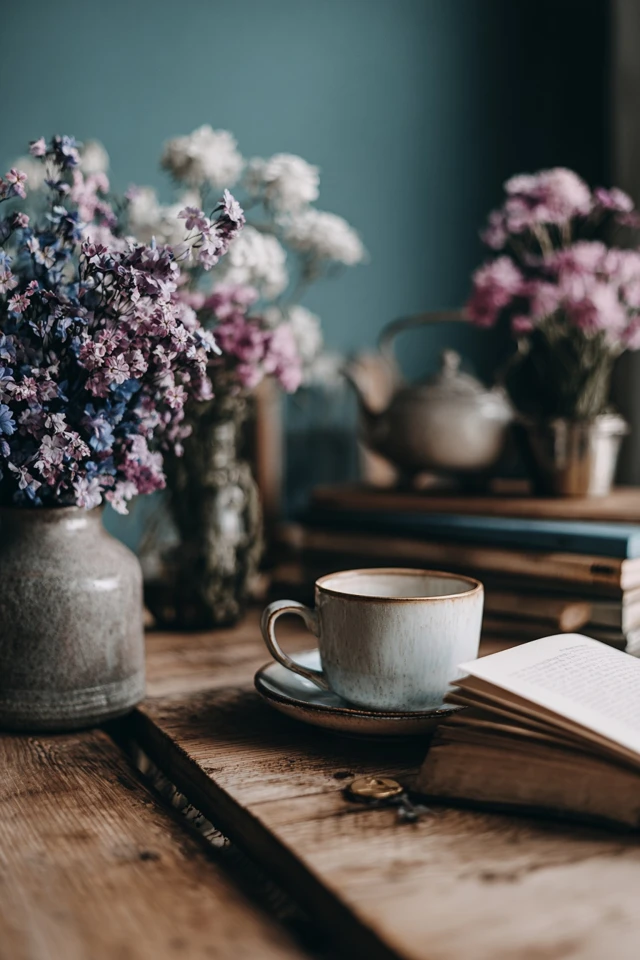
Start with the true complement, then widen the palette. These combinations work in most homes:
- Soft yellow or butter: the gentlest complementary pairing, good for bedrooms and reading corners.
- Ochre or mustard: warmer and more graphic, best as pillows, a chair or a lampshade.
- Moss or sage green: a near neighbor to yellow that adds a plant-like calm.
- Charcoal: gives pale lavender weight so it doesn't float away.
- Cream and warm beige: keep the room from feeling cold.
If you want a quieter scheme, go analogous instead: lavender with dusty blue and mauve. It reads serene and layered, and it needs one warm element (wood, brass, a rug) so it doesn't turn chilly.
How do you keep lavender from feeling cold?
Lavender leans cool, so the undertone you choose matters. A lavender with a gray or peachy base looks cozier than one with a strong blue base. Hold the swatch next to your flooring and trim before you commit.
Saturation does the rest. Pale, desaturated lavender feels calm and modern, which suits bedrooms. A richer, deeper tone makes a good statement wall or a single piece of furniture.
How does light change lavender?
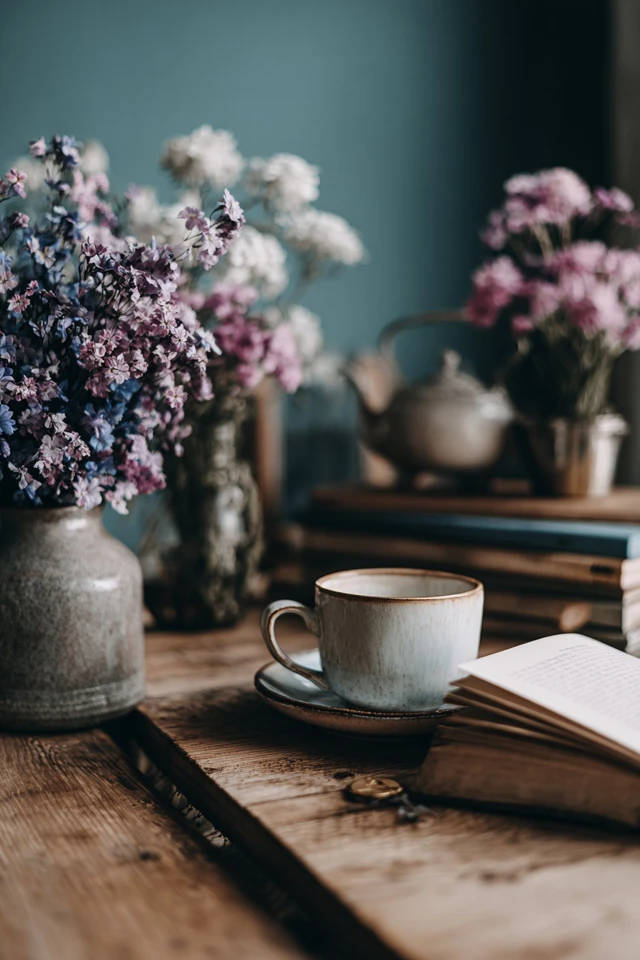
More than almost any other color. In a north-facing room, lavender turns grayer and cooler. In south- or west-facing rooms, warm light pulls it toward pink and makes it glow, especially late in the day.
Paint a swatch of about 2 by 2 feet on two different walls and look at it in the morning, at midday and in the evening. Chips the size of a playing card tell you very little. In the evening, warm bulbs keep lavender soft, while cool white bulbs make it look flat and gray.
What paint finish and wall colors work?
Matte hides wall imperfections and gives lavender a soft, modern look. Eggshell is slightly more wipeable, so I recommend it for hallways, kids' rooms and any wall a dog likes to rub against. Satin suits trim and cabinets, where you want a little contrast and easier cleaning.
Lavender can also be a color-blocked wall, with a band or panel set against a neutral. Our guide to color block wall painting covers how to plan the edges and proportions.
Can lavender work in a boho room?
Yes, and it fits a modern boho color palette better than people expect. Pair lavender with terracotta, clay and ochre for an earthy boho color palette, then add rattan, jute and a few plants. The earth tones warm up the lavender instead of competing with it.
Among boho paint colors for walls, a dusty, gray-leaning lavender behaves like a neutral with personality. Keep pattern on the textiles and let the walls stay quiet.
Which textures and materials suit lavender?
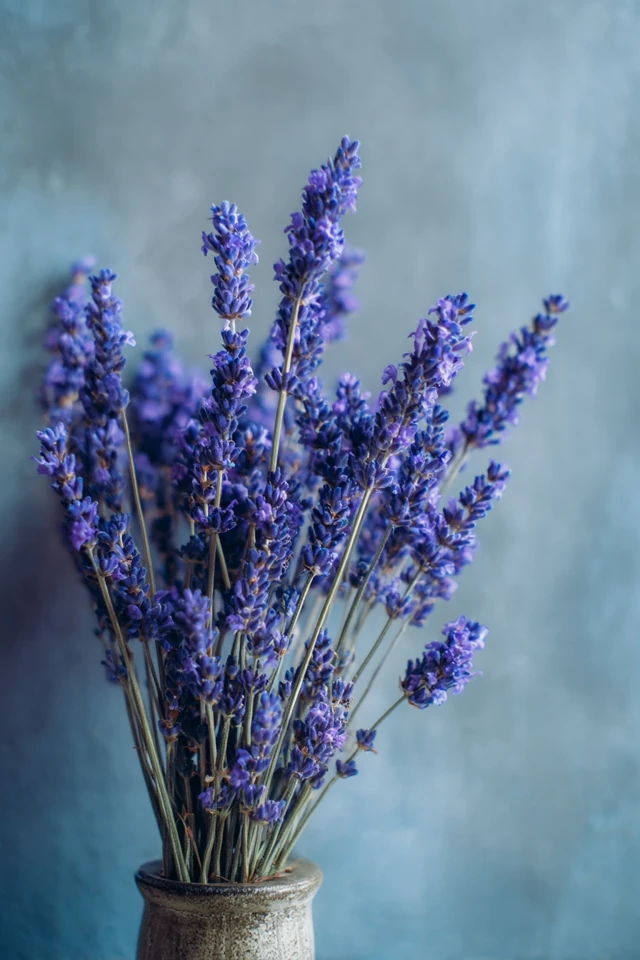
Texture makes a pale color feel comfortable instead of precious. Glossy surfaces bounce light and sharpen shadows, while matte and woven ones absorb it and soften them, so a lavender wall next to a nubby wool rug will always look calmer than the same wall next to polished stone.
- Velvet gives lavender depth, but it collects pet hair and shows claw marks. Choose a tight weave or a performance fabric if a dog or cat uses the sofa.
- Boucle and brushed linen add warmth. Washable slipcovers make them practical.
- Walnut, oak and maple ground the color. Paler woods keep the room airy.
- Brushed brass warms lavender, while satin nickel gives a cooler, more contemporary edge. Pick one main metal and use a second sparingly.
How much lavender should you use?
As an architect, I'd treat lavender as the lead color on one large surface (a wall, a rug or a sofa) and repeat it in two or three small places. Put the complement, yellow, in even smaller doses. A common guide is a dominant color, a supporting neutral and a small accent.
Lavender is also trendy, so keep it in pieces that are easy to swap: pillows, bedding, art and a lampshade. Leave built-ins and countertops neutral. If you want a yellow companion, see modern yellow complementary color ideas for the other half of the pairing.
Where does lavender fit in different rooms?
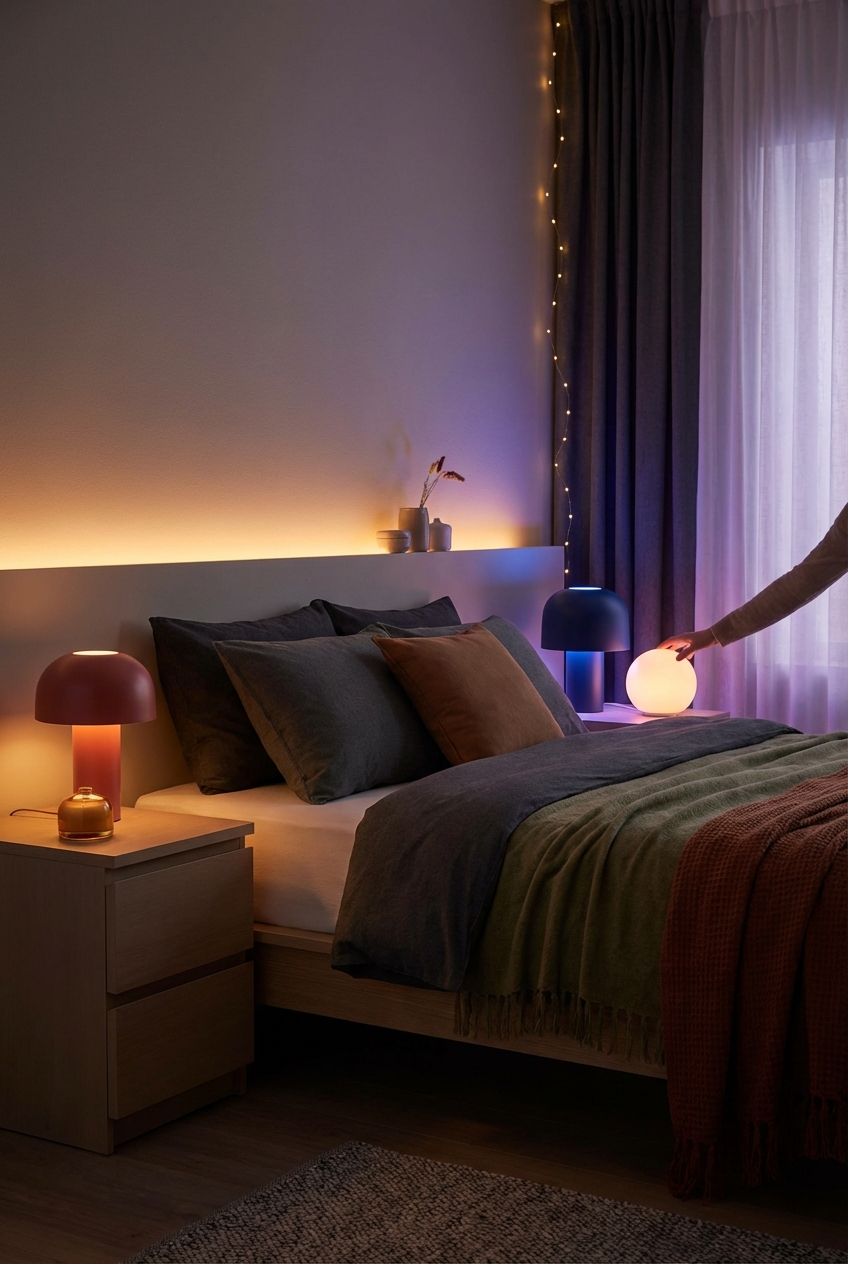
In a bedroom, use a pale lavender on the walls with warm bedside lighting. In a living room, put lavender on the largest textile, usually the rug or curtains, and anchor it with a darker sofa. Keep about 3 feet clear for the main walkway so the color doesn't come with a cramped layout.
In an entryway or kitchen, use lavender on cabinet fronts or one accent wall rather than on surfaces that get touched and scuffed. For small entries, the minimalist entryway ideas show how to keep things light.
A final test before you buy paint: lay your lavender swatch next to the yellow, green or wood you plan to use, and look at them together in your evening light.
Frequently asked questions
What color is the complement of lavender?
Yellow, since lavender is a light violet and yellow sits opposite violet on the color wheel. Softer shades such as butter or muted ochre usually look better with pale lavender than bright lemon.
What paint finish works best with lavender?
Matte or eggshell for walls, since they soften light and hide small flaws. Use satin on trim and cabinets for easier cleaning.
Does lavender make a small room look bigger?
A pale, desaturated lavender can feel open and airy, especially if the ceiling and trim stay light. A heavy, dark lavender will make the room feel smaller.
What neutrals go with lavender?
Warm cream, sandy beige and charcoal all work. Cream keeps the room soft, and charcoal adds contrast and weight.
Filed under
ArticlesMeet the author
Written by an architect.
Julio Arco is a passionate architect with years of experience in architecture, interior design, urban design, and housing. He studied at prestigious universities across North America and Europe.

- Name
- Julio Arco
- Job
- Architect and online interior designer
- Studied
- Architecture, ITESM · Urban Design and Housing, McGill
- Partner
- Thor, Australian Shepherd
- Thor’s title
- Head of quality control