Exploring Repetition and Opposition in Interior Design

By Julio Arco
Architect and online interior designer
In this post
- Repetition, Design, and Rhythm
- 1Some examples of opposition in interior design include:
- 2Achieving Harmony Through Repetition and Opposition
- 3The Role of Opposition in Spatial Division
- 4Mastering Repetition for a Cohesive Design
- 5Embracing Rhythm in Interior Design
- Final Thoughts
- Opposition in Interior Design – FAQ
Repetition, Design, and Rhythm
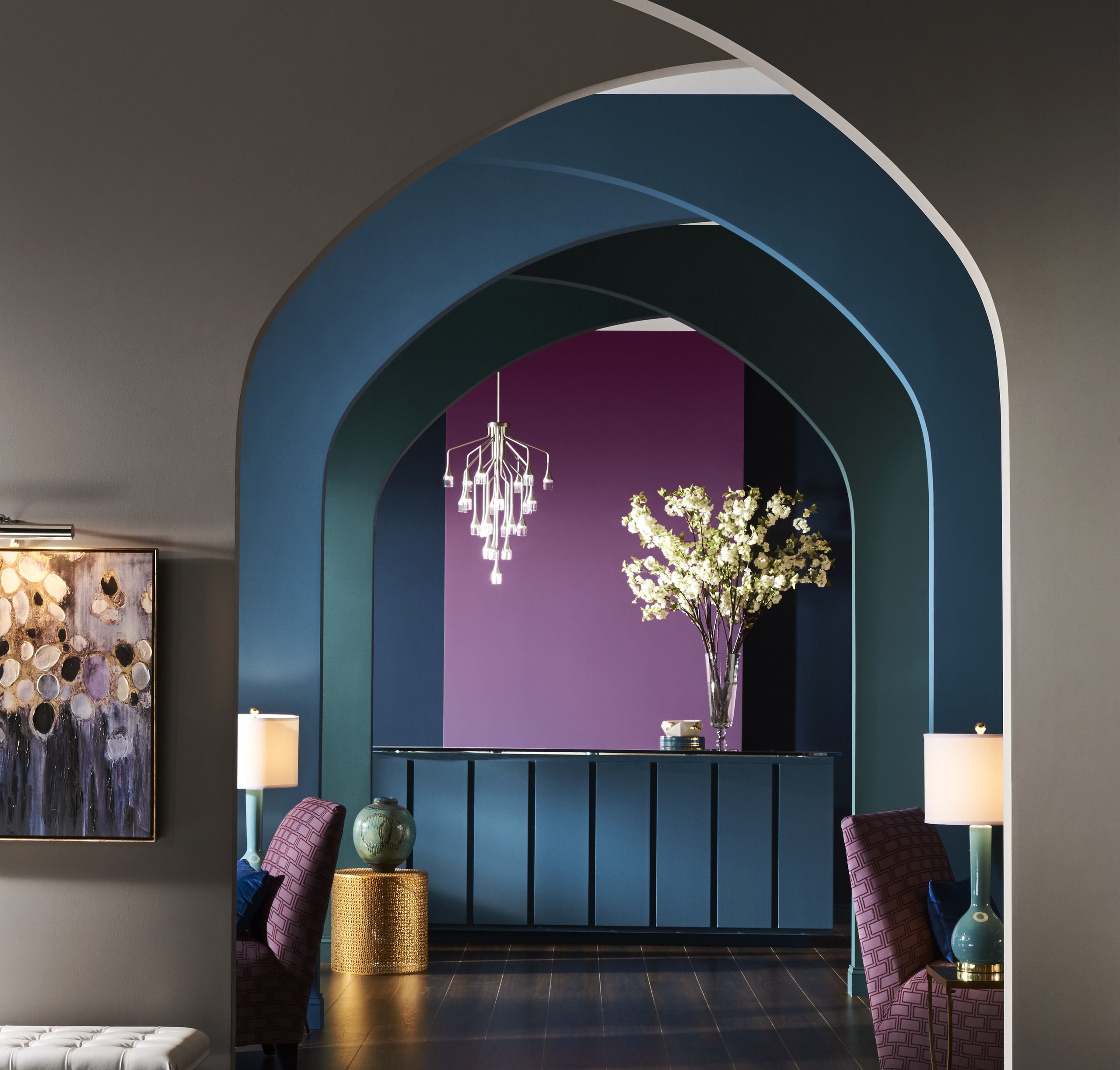
In the world of interior design, repetition, and opposition play crucial roles in creating harmony and rhythm within a space. This blog post delves into the evidence-based design principles of repetition and opposition, showcasing how they can be used effectively to elevate your interiors. Drawing inspiration from various design disciplines, we will provide practical examples to help you grasp these essential concepts.
Opposition in interior design refers to the use of contrasting elements, such as colors, shapes, textures, or patterns, to create visual interest and balance within a space. By incorporating opposing elements, designers can draw attention to specific areas or features within a room, break up the monotony, and add depth and dimension to the overall design. This principle can also help guide the viewer’s eye through space, creating a sense of movement and flow.
1.- Some examples of opposition in interior design include:
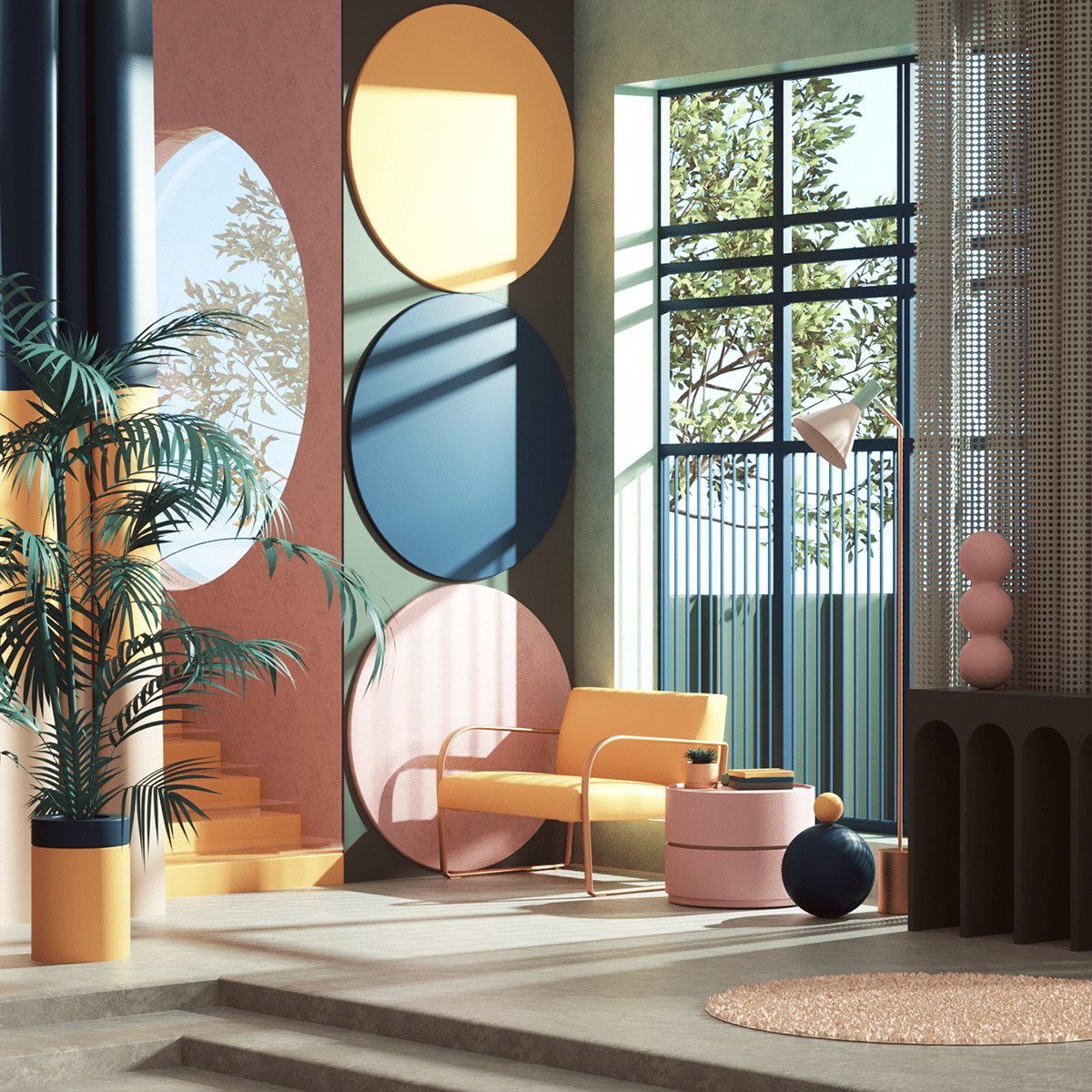
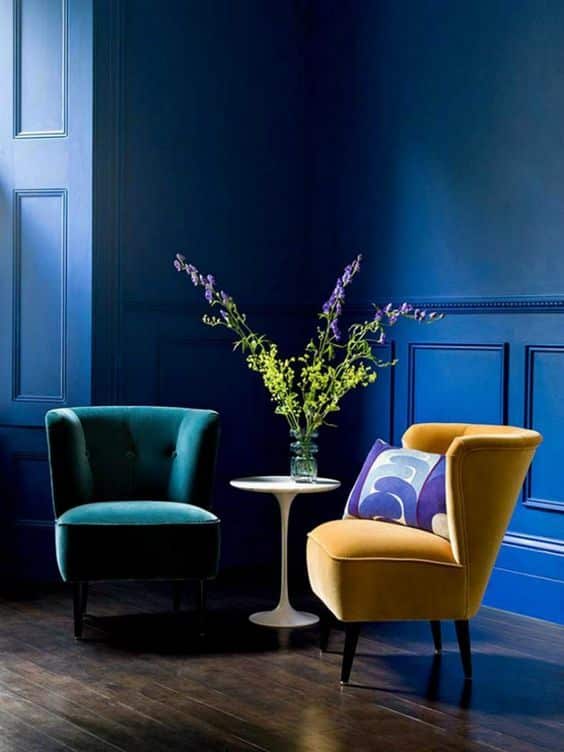
- Color Contrasts: Using contrasting or complementary colors from the color wheel to create visual interest, such as pairing blue with orange, red with green, or yellow with purple. This can be applied to a space’s walls, furniture, or accessories.
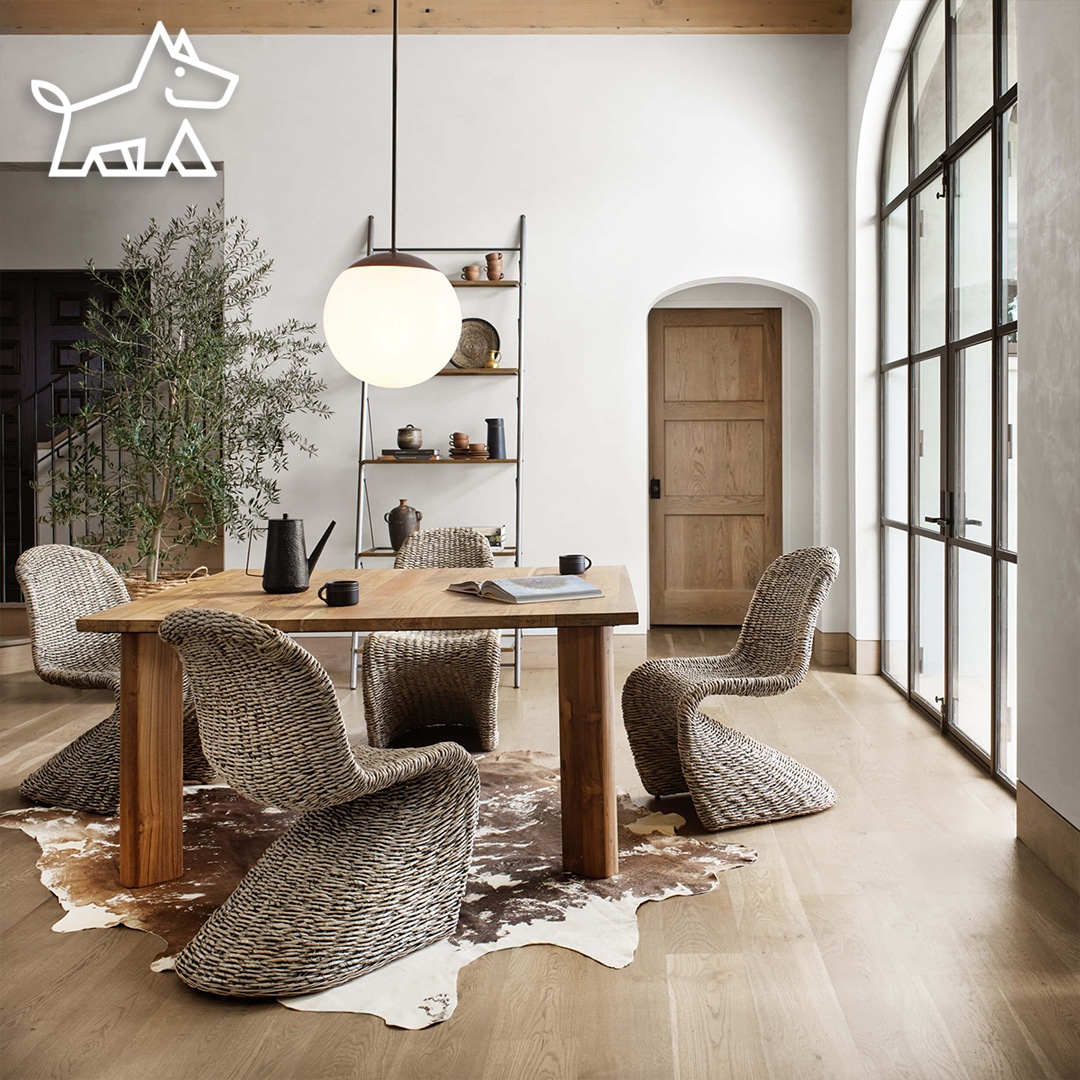
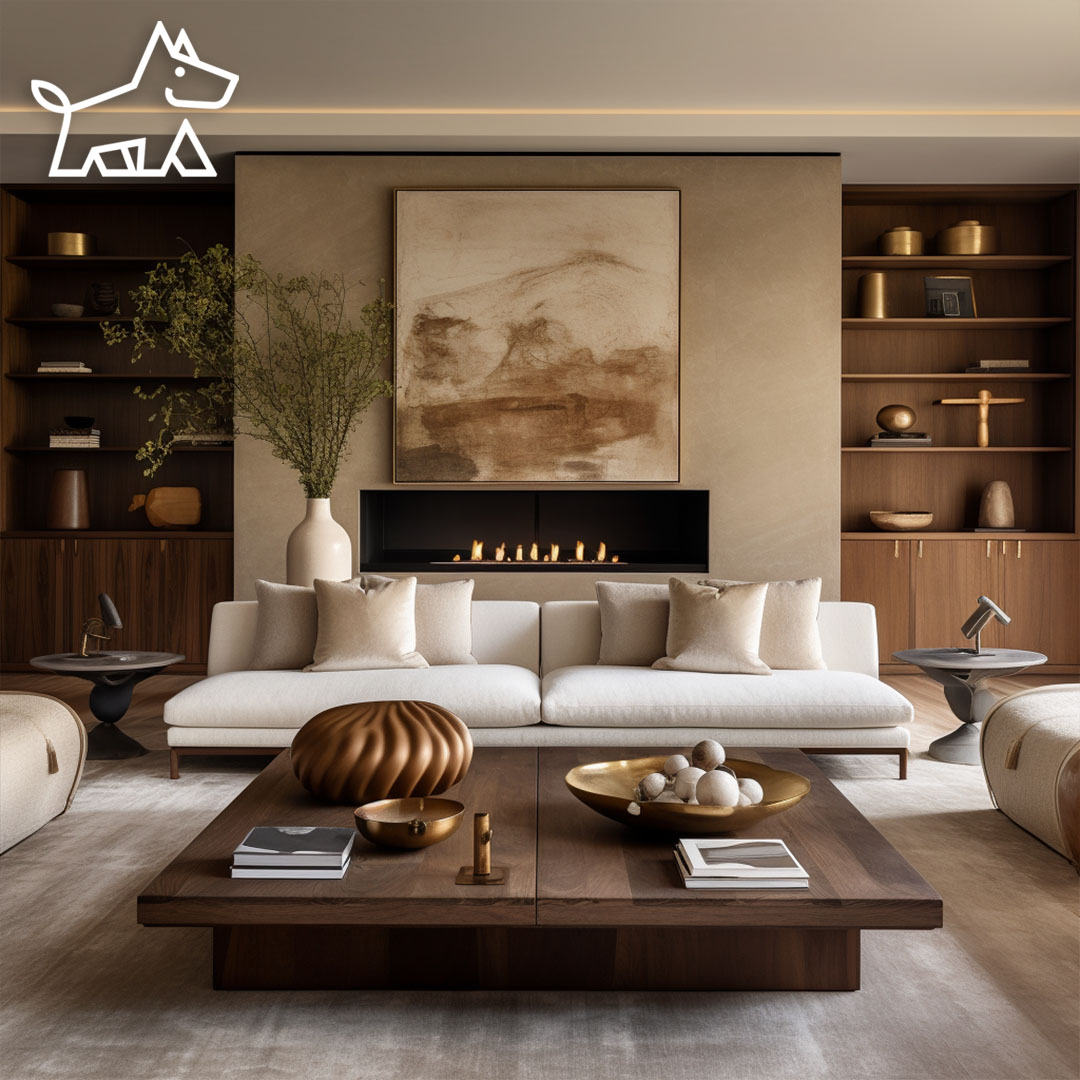
- Mixing Textures: Combining different textures, such as smooth and rough surfaces, to create depth and variety. For instance, pairing a velvet sofa with a sisal rug or a sleek marble countertop with a rough brick backsplash.
- Combining Patterns: Using opposing patterns, like geometric shapes alongside organic, flowing patterns, can create a dynamic look in a space. For example, placing a bold, geometric rug in a room with floral-patterned curtains or cushions.
- Contrasting Shapes: Juxtaposing furniture or decor items with different shapes, such as pairing a round coffee table with a rectangular sofa or placing a tall, vertical bookcase next to a low, horizontal console table.
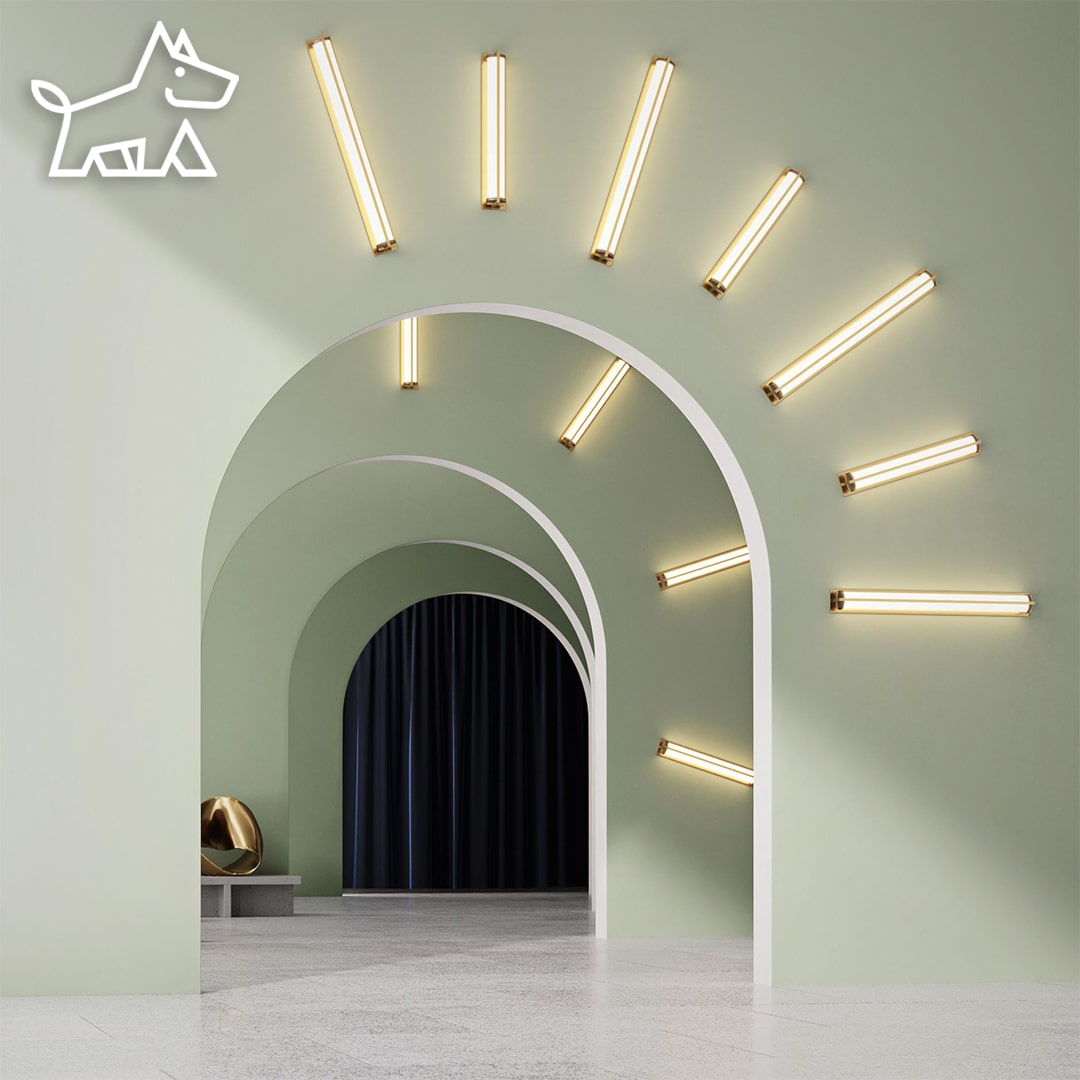
- Light and Shadow: Playing with light and shadow to create opposition in a space, such as using dramatic lighting to highlight specific architectural features or placing a large, floor-to-ceiling window across from a dark accent wall.
- Old and New: Mixing different design styles, like combining vintage or antique pieces with modern, minimalist furniture, can create an interesting contrast in a space.
- Scale and Proportion: Using contrasting sizes and proportions of furniture and decor items within a room, such as placing an oversized artwork above a small console table or incorporating a large sectional sofa in a compact living area.
2.- Achieving Harmony Through Repetition and Opposition
Incorporating repetition and opposition in interior design enables a sense of balance and visual interest. By thoughtfully applying these principles, you can ensure that individual design elements work harmoniously, resulting in cohesive and dynamic spaces. For instance, repeating a specific color throughout a room can create unity, while opposing colors or patterns can add depth and intrigue.
When combined, repetition and opposition can significantly enhance the visual appeal of your interiors. Repeating patterns, shapes, or colors can establish a sense of continuity, while opposition can break up the monotony and draw attention to specific elements or areas. Consider incorporating a bold accent wall in an otherwise neutral room or using contrasting textures to add depth to your space.
Repetition and opposition can also be utilized to guide the viewer’s eye through a space. For example, repeating a specific design element, such as a particular color or pattern, can lead the eye from one area to another, creating a sense of movement. Conversely, opposition can be used to create focal points, drawing attention to essential features or areas within a room.
3.- The Role of Opposition in Spatial Division
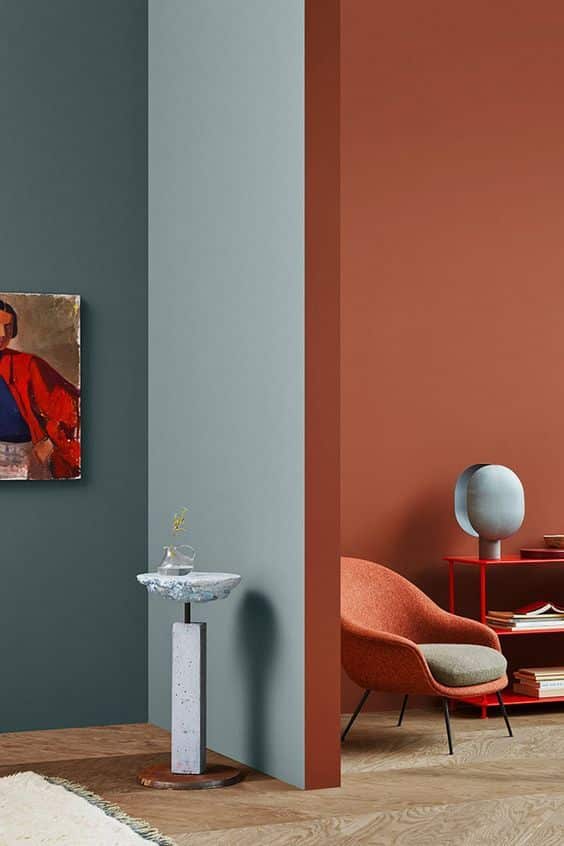
Opposition is a valuable tool for dividing space and creating clearly defined areas within a room. This can be achieved by using contrasting colors, materials, or patterns to visually separate different zones. For example, a living room and dining area can be distinguished by using contrasting wall colors or employing different flooring materials to delineate each space.
Utilizing opposition can also improve the functionality of a space by clearly defining different areas for specific purposes. For instance, in a bedroom, using contrasting colors or patterns for the bed and workspace can create clear visual separation, making it easier to focus on tasks or relaxation, depending on your area.
Employing opposition in interior design can also add architectural interest to a space. For example, using a bold, contrasting color or pattern on an accent wall can create a striking focal point, while juxtaposing different materials, such as wood and metal, can add depth and complexity to a room’s design.
4.- Mastering Repetition for a Cohesive Design
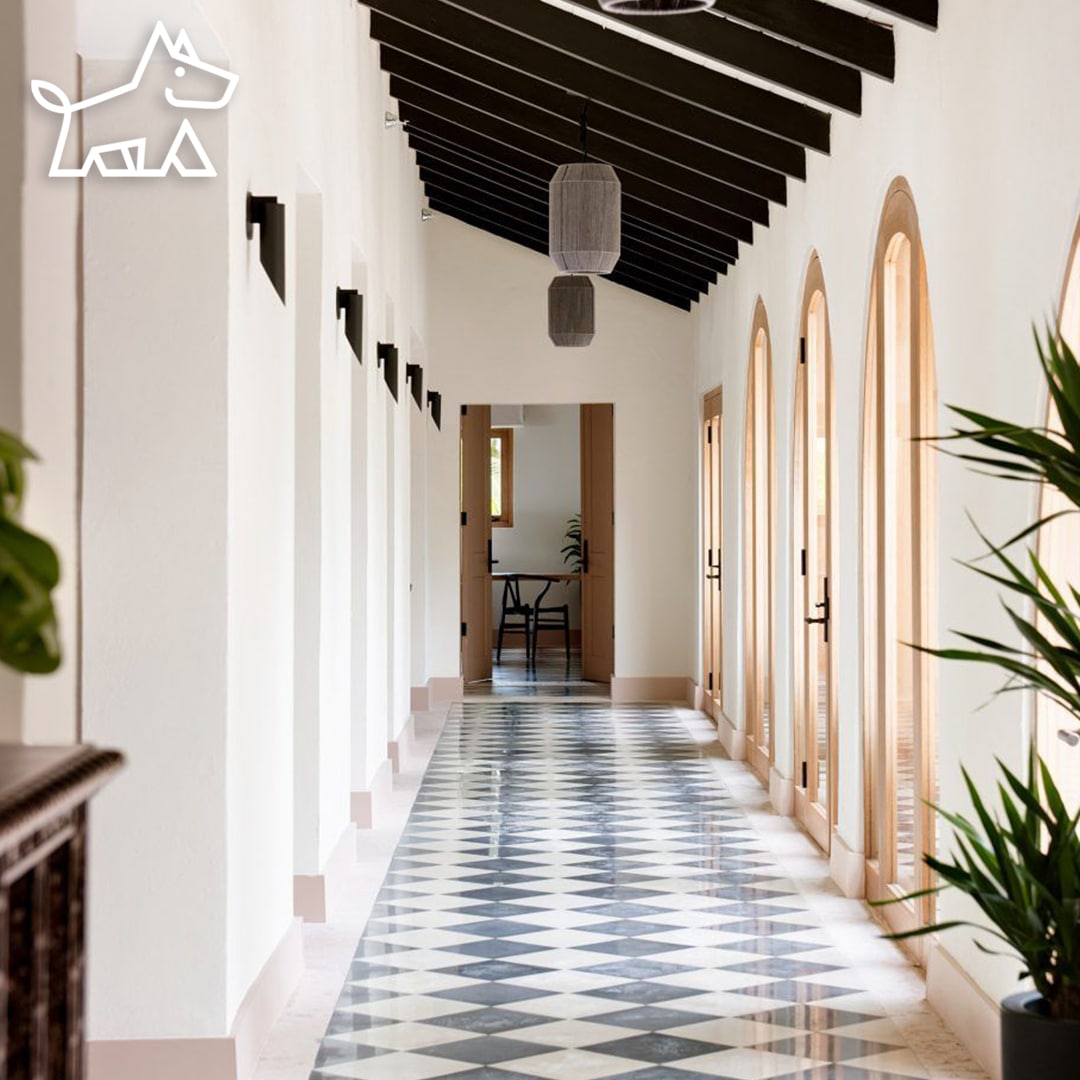
Repetition is essential for establishing a visual theme throughout your interior spaces. You can create a sense of cohesion and unity by repeating key design elements, such as colors, patterns, or shapes. For example, using the same color palette or pattern throughout your home can help tie different rooms together and create a consistent, harmonious atmosphere.
Repetition can also be used to enhance the flow and movement within a space. For instance, repeating a specific design element, such as a particular pattern or shape, can guide the viewer’s eye from one area of the room to another, creating a sense of continuity and fluidity.
Repeating specific design elements can reinforce certain design concepts and create a stronger visual impact. For example, suppose your interior design is inspired by a particular period or style. In that case, repeating key motifs or patterns associated with that style can help to reinforce the theme and create a more immersive experience for those who occupy the space.
5.- Embracing Rhythm in Interior Design
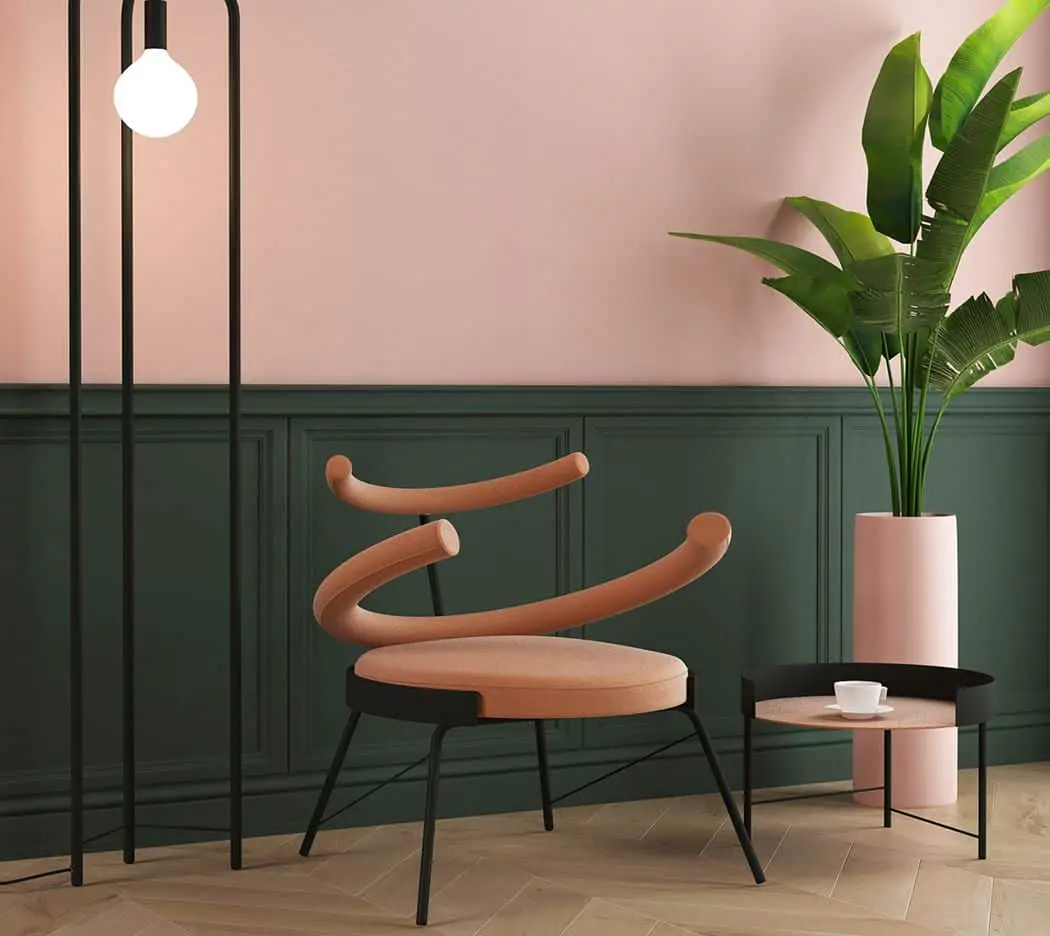
Rhythm in interior design is achieved by skillfully combining repetition and opposition to create a sense of order and movement within a space. This can be accomplished through patterns, colors, and shapes that are repeated or contrasted throughout a room. For example, you can create rhythm by alternating between light and dark colors in a room or by using a repeating pattern on your walls or furnishings.
Creating rhythm in your interior design can help enhance a space’s visual interest by providing a sense of structure and flow. This can be especially effective in large or open-concept spaces, where a well-defined rhythm can help to guide the viewer’s eye and create a sense of cohesion among various design elements.
Final Thoughts
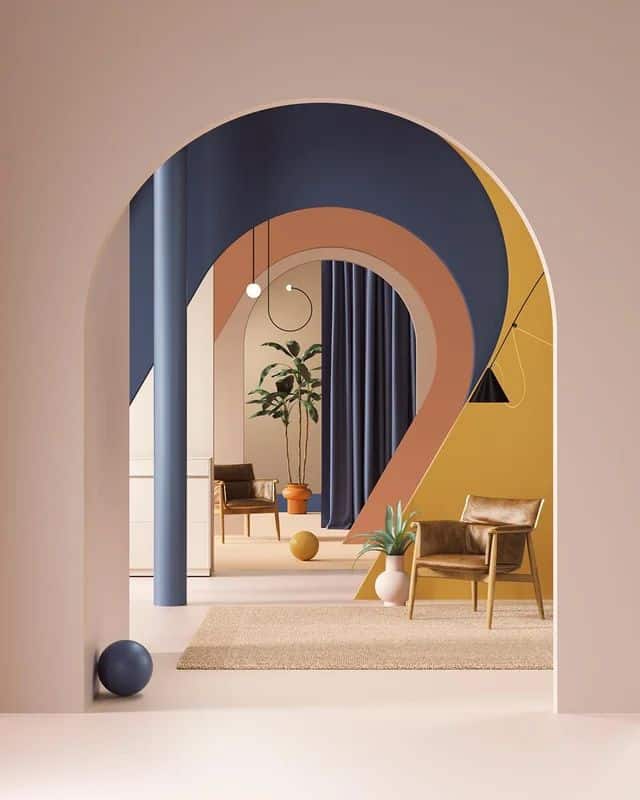
In the world of interior design, repetition, and opposition are indispensable elements that contribute to harmony, rhythm, and an overall sense of balance within a space. By incorporating these design principles, interior designers can create visually captivating and well-balanced living rooms, bedrooms, and other interior spaces.
Repetition is the cornerstone of consistency in interior design. It involves repeatedly using design elements such as color palettes, patterns, or shapes to establish a clear sense of continuity and order. A well-known design principle, opposition, means dividing space with straight lines or contrasting elements to create a sense of balance.
Interior designers often use a simple formula for consistency, relying on design principles like radiation and opposition to structure interiors. These principles can help create repetition, rhythm, and harmony within a room, enhancing the space’s overall composition and aesthetic appeal.
Interior designers also use repetition and opposition in other aspects of their work, such as choosing color palettes, arranging plants, or selecting pet-friendly furniture. For instance, colors that go with beige can be repeated throughout a room to create a sense of harmony, while hanging LED lights or cool animal-shaped lamps can provide balanced lighting for rooms without overhead fixtures.
Additionally, practice is essential for honing one’s skills in interior design. Experimenting with different design elements and layouts can help designers better understand how to create rhythm and harmony in various spaces. This might involve rearranging furniture in a living room, selecting the right size rug for a bedroom, or learning how to layer curtains for window treatments.
Opposition in Interior Design – FAQ
How do repetition and opposition in interior design contribute to creating rhythm and harmony in a space?
Repetition and opposition are essential to design principles that contribute to the establishment of rhythm and harmony in interior design. Repetition involves consistently using design elements such as colors, patterns, or shapes throughout a space, creating a sense of order and unity.
Conversely, opposition involves dividing space with contrasting elements or straight lines to create balance. When these principles are skillfully applied, they work together to create a visually captivating and well-balanced composition in a room.
How can I create repetition in my interior design using design elements such as colors and patterns?
To create repetition in your interior design, choose a color or pattern that you would like to be a dominant feature in your space. Then, incorporate that color or pattern throughout the room in various design elements such as wall paint, textiles, artwork, and accessories. This consistent use of a particular color or pattern will help establish a sense of continuity, order, and harmony in your space.
What are some effective strategies to achieve opposition in interior design while maintaining a cohesive composition?
Achieving opposition in interior design involves creating balance through contrasting elements. Some effective strategies include using contrasting colors, combining different shapes or textures, and arranging furniture in a symmetrical or asymmetrical layout.
Finding the right balance between contrast and cohesion is important to ensure that the overall composition remains visually appealing and harmonious.
How can I use the information on design principles like repetition and opposition to improve my interior design skills?
Gathering information on design principles like repetition and opposition can help you better understand how to create visually captivating and well-balanced interiors. You can study various design styles, techniques, and examples that showcase the effective use of these principles.
Additionally, attending workshops, taking online courses, or working with experienced interior designers can further enhance your knowledge and skills. By continuously learning and applying these principles in your design projects, you can develop a strong foundation in interior design and create spaces that effectively showcase your creativity and personal style.
Can you provide examples of how repetition and opposition can be used in conjunction with other design elements to create a visually appealing interior space?
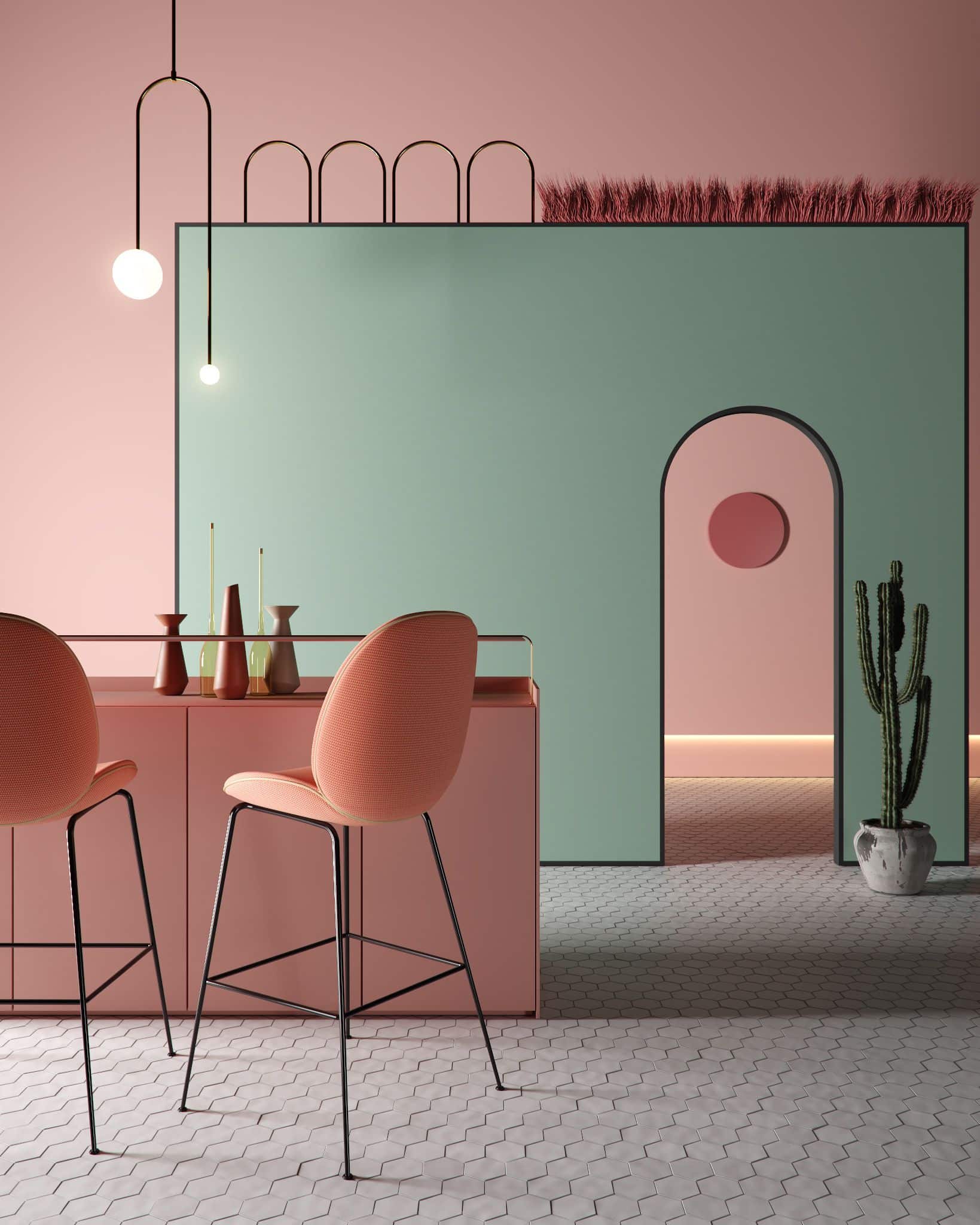
Certainly! Repetition and opposition can be combined with other design elements to create visually appealing interior spaces. For example, you can use repetition in your choice of colors and patterns to establish unity while incorporating contrasting textures, such as combining a smooth, glossy surface with a rough, matte finish, to create opposition.
Similarly, you can use different shapes to create contrast, such as placing a round coffee table next to a rectangular sofa while repeating a specific pattern or material throughout the space to maintain a sense of cohesion. You can achieve a harmonious and visually engaging interior by skillfully combining these design principles.
Meet the author
Written by an architect.
Julio Arco is a passionate architect with years of experience in architecture, interior design, urban design, and housing. He studied at prestigious universities across North America and Europe.

- Name
- Julio Arco
- Job
- Architect and online interior designer
- Studied
- Architecture, ITESM · Urban Design and Housing, McGill
- Partner
- Thor, Australian Shepherd
- Thor’s title
- Head of quality control