Shoe Rack Ideas Design Tips for a Cozy, Modern Look
Mudroom storage ideas that work: benches with cubbies, lockers, hooks, shelves and shoe trays, plus small-space and budget DIY options.

By Julio Arco
Architect and online interior designer
In this post
The best mudroom storage gives every item a home within arm's reach of the door: a bench with cubbies for shoes, hooks or lockers for coats, and a shelf for keys and mail. Start with what your household actually drops at the door, then size the storage to match.
It's very common to have a mess by the entrance, so don't feel bad if yours looks like a shoe avalanche. Most of the time the fix is a better system, not more space.
Which storage pieces does a mudroom need?
Four things cover most households: somewhere to sit, somewhere to hang, somewhere for shoes, and a small surface for keys. Add a mat or tray for wet footwear and you have the basics.
If you're short on room, combine them. A bench with a shoe shelf below and hooks above handles three jobs in about 18 inches of depth.
Storage benches with cubbies
A bench is the most useful single piece in an entry. Seat height of about 16-19 inches is comfortable for pulling boots on, and a depth of about 15-18 inches leaves room for shoes underneath without sticking far into the walkway.
Mudroom storage benches with cubbies work well for families because each person can have their own opening. Open cubbies are easy to use but show everything. Baskets slid into the cubbies hide the visual noise and can be pulled out and carried to a bedroom.
Lockers, cabinets and hooks
Mudroom lockers with hooks and shelves suit households with several people and a lot of outerwear. A typical locker is about 12-18 inches wide, with a hat shelf on top, hooks inside and a shoe space at the bottom. Doors hide the clutter, but wet coats need airflow, so choose slatted or ventilated panels if you can.
If lockers are too much, a hook rail is the cheapest option. Mount hooks at about 60-66 inches for adults and lower for children, and leave a few inches between them so coats don't pile up. As an architect, I'd always add a shelf above the hooks for hats, gloves and bags.
Small mudroom storage ideas
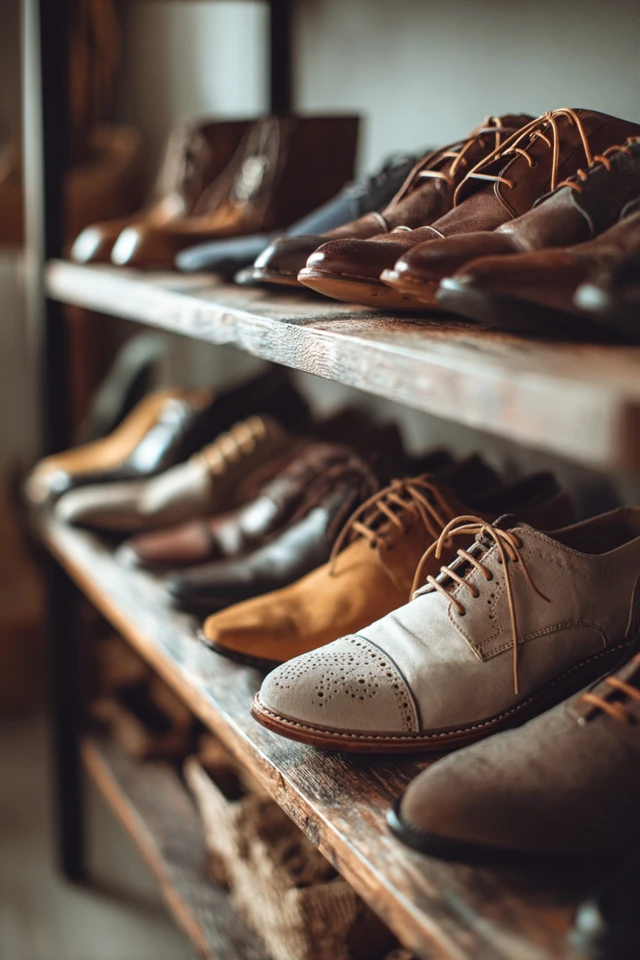
Narrow entries need to go vertical. Keep a clear path of about 36 inches to the door and use the wall for everything else.
- A slim wall-mounted shoe rack or a tilting shoe cabinet.
- A floating bench with baskets or a tray below.
- A peg rail or pegboard for flats, bags and leashes.
- Over-the-door hooks for renters who can't drill.
- A mirror, which brightens the space and lets you check your look on the way out.
If you're after more entry ideas with an uncluttered feel, see our minimalist entryway guide. For shoe-specific options, the shoe rack design trends post goes deeper.
Mudroom storage ideas DIY on a budget
You don't need custom millwork to get a tidy entry. A few affordable projects go a long way:
- Stack two or three unfinished cube shelves, add a cushion on top, and you have a bench with cubbies.
- Screw a length of board to the wall, add hooks, and finish with a paint color that hides scuffs.
- Use a boot tray with river stones or a rubber mat for wet shoes.
- Label baskets for each person so the system maintains itself.
For anything that involves moving wiring or cutting into walls, bring in a licensed professional. Shelving into studs is something most people can do safely with the right anchors and a level.
Materials that survive shoes, paws and weather
Entries take more abuse than almost any room. Sealed hardwood, powder-coated metal and painted MDF with a durable finish all handle scuffs well. Choose matte or satin paint over gloss, since it hides marks and doesn't show every fingerprint.
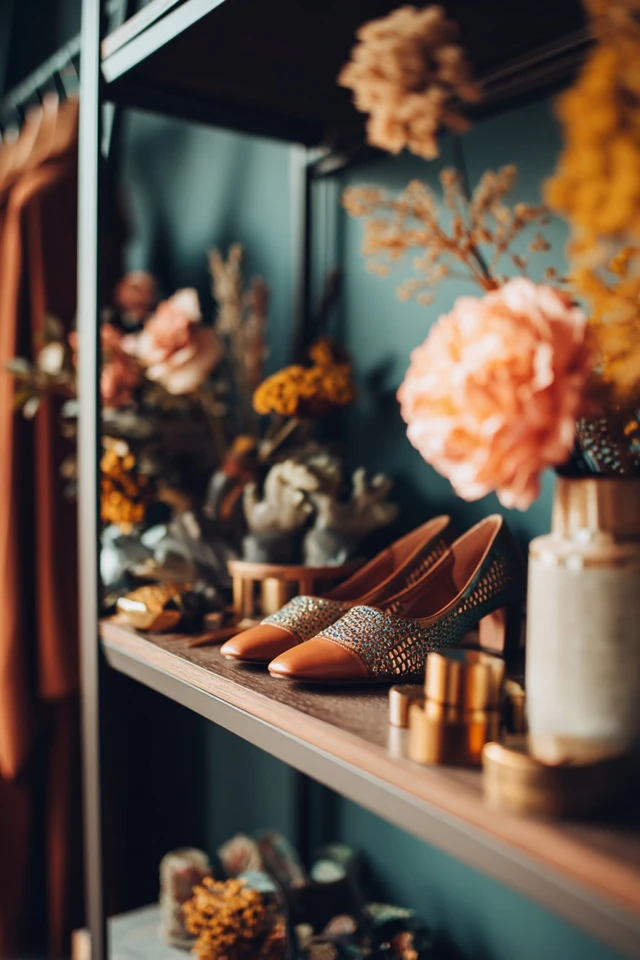
Any cushion should have a removable, washable cover, especially if a dog sits on the bench to wait for a walk. A wipeable tray for wet paws and boots protects the floor. Warm wood tones and a small plant soften the hard materials, and the entry feels welcoming instead of purely utilitarian.
Keep stored items in good condition
Mudrooms are often near garages and exterior doors, so they swing hot and cold. Don't use them to store food. The Ohio State University Extension notes that canned goods shouldn't be kept above 95 degrees F, such as in a storage shed or garage, and a warm entry can shorten shelf life too. If you keep bulk pantry items near the back door, a cooler interior cabinet is a better place; our small pantry guide covers it.
Rotate seasonal gear the same way. Swap boots, gloves and hats once or twice a year, and keep only the current season's items in the baskets within reach.
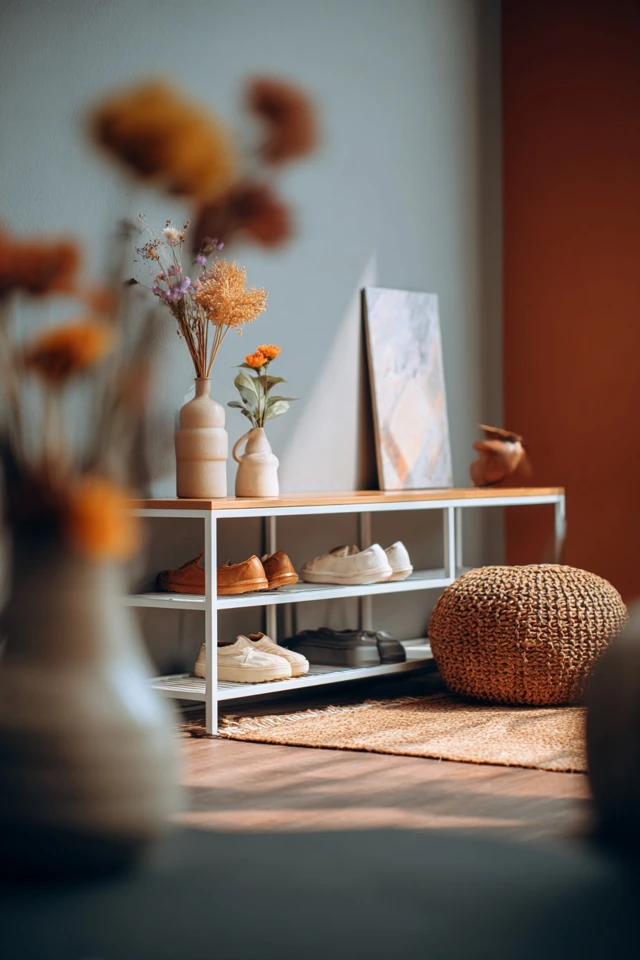
I recommend measuring your entry, sketching the door swing, and choosing one anchor piece first, either a bench or a hook wall. Add shelves and baskets after you've lived with it for a week or two.
Frequently asked questions
What are mudroom lockers called?
They're usually called mudroom lockers or storage lockers, and sometimes cubbies or entryway lockers. Each unit typically combines a hook area, a shelf above and a space for shoes below.
What are the must-have items in a mudroom?
A bench or seat, hooks or lockers, a shoe tray or rack, and a small shelf or bowl for keys. A durable mat or rug helps catch dirt and water.
Does a mudroom add value to a house?
Buyers often like a dedicated drop zone, but the effect on price varies by market. Ask a local real estate agent before spending on a major build.
What are some DIY, cheap storage ideas?
Wall-mounted hook boards, stacked cube shelves with a cushion, and labeled baskets cost little and take an afternoon. A boot tray with a rubber mat handles wet shoes.
Filed under
ArticlesMeet the author
Written by an architect.
Julio Arco is a passionate architect with years of experience in architecture, interior design, urban design, and housing. He studied at prestigious universities across North America and Europe.

- Name
- Julio Arco
- Job
- Architect and online interior designer
- Studied
- Architecture, ITESM · Urban Design and Housing, McGill
- Partner
- Thor, Australian Shepherd
- Thor’s title
- Head of quality control