Interior Brick Wall Design: Ideas That Look Good

By Julio Arco
Architect and online interior designer
In this post
- What looks good on an interior brick wall?
- How to make a brick wall more attractive
- Exposed brick wall living room ideas
- Painted and limewashed brick for a modern look
- Faux brick and other interior brick wall covering options
- Brick as a partition or alcove
- Brick style in older homes
- Quick styling checklist
- Frequently asked questions
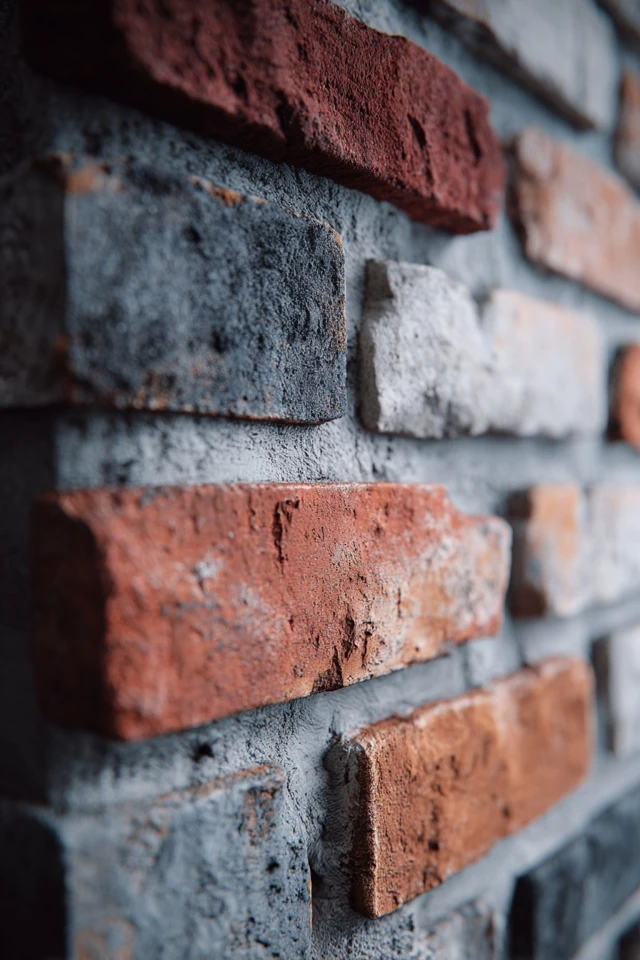
Brick already has color, texture and weight, so the best interior brick wall design adds very little. Keep the rest of the room calmer than the wall, pick one or two companion materials, and light the surface from the side so the texture shows.
If you have a brick wall and aren't sure what to do with it, you're in good company. Below are the ideas I'd start with, from exposed brick in a living room to paint, limewash and faux options.
What looks good on an interior brick wall?
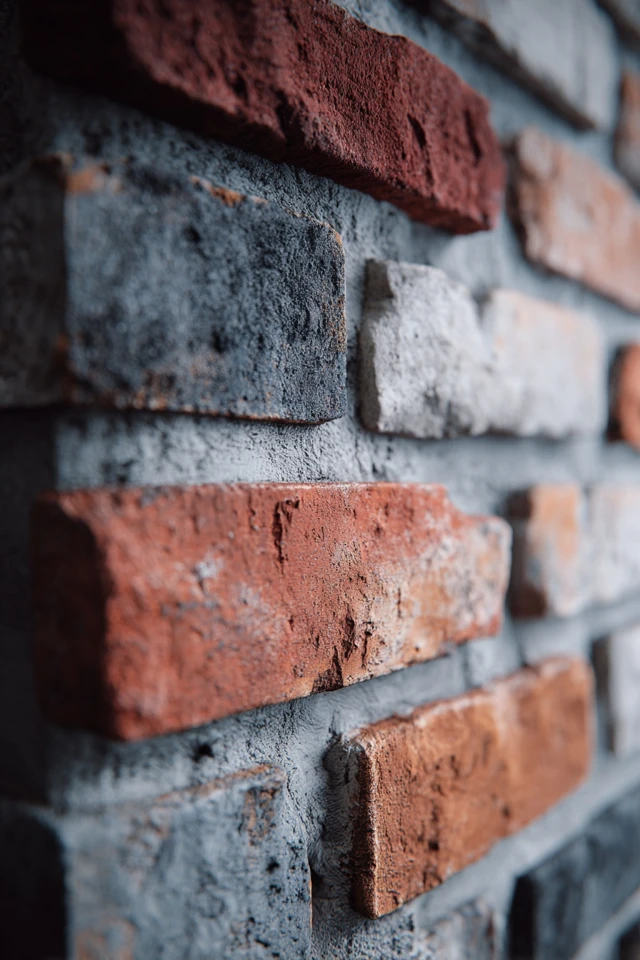
Brick is busy, so choose a few things with clear shapes. These work in most rooms:
- One large piece of art, or a tight grid of frames, rather than many small pictures scattered around.
- A long mirror leaned against the wall to bounce light into a dark room.
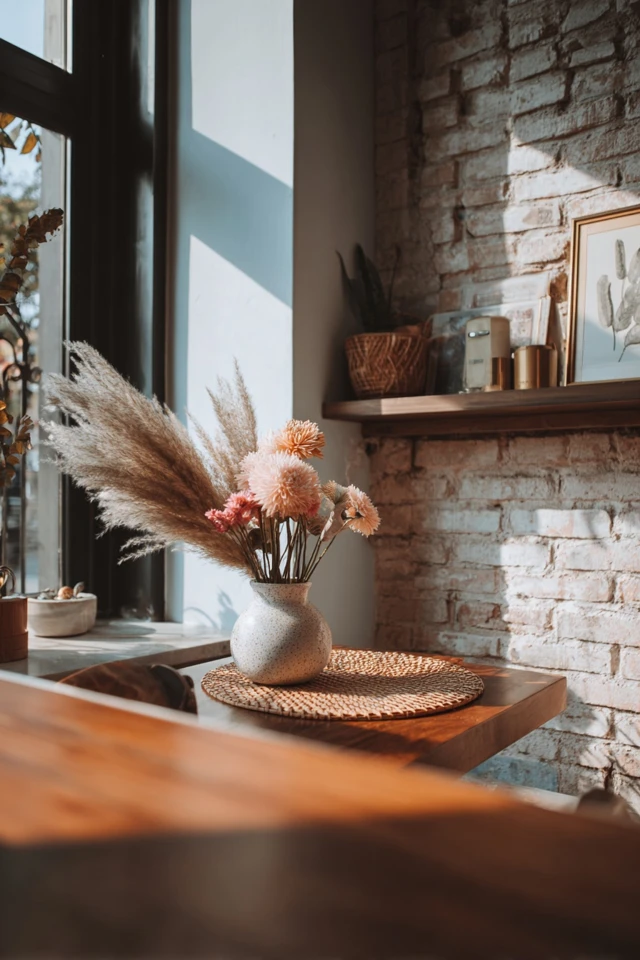
- Wood floating shelves, which echo the horizontal mortar lines.
- A simple sconce or picture light for evening.
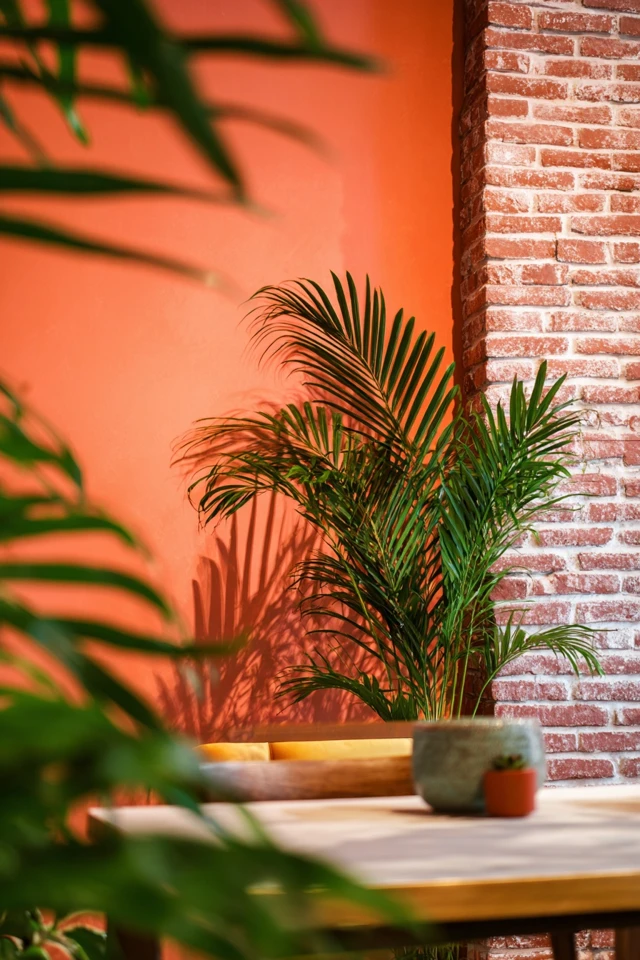
- A tall plant or a trailing vine, which softens the hard surface.
Heavy pieces need proper anchors for masonry, and drilling into the mortar joints is usually easier on the wall than drilling into the brick face. A gallery ledge lets you swap art without making new holes.
How to make a brick wall more attractive
Light it from the side
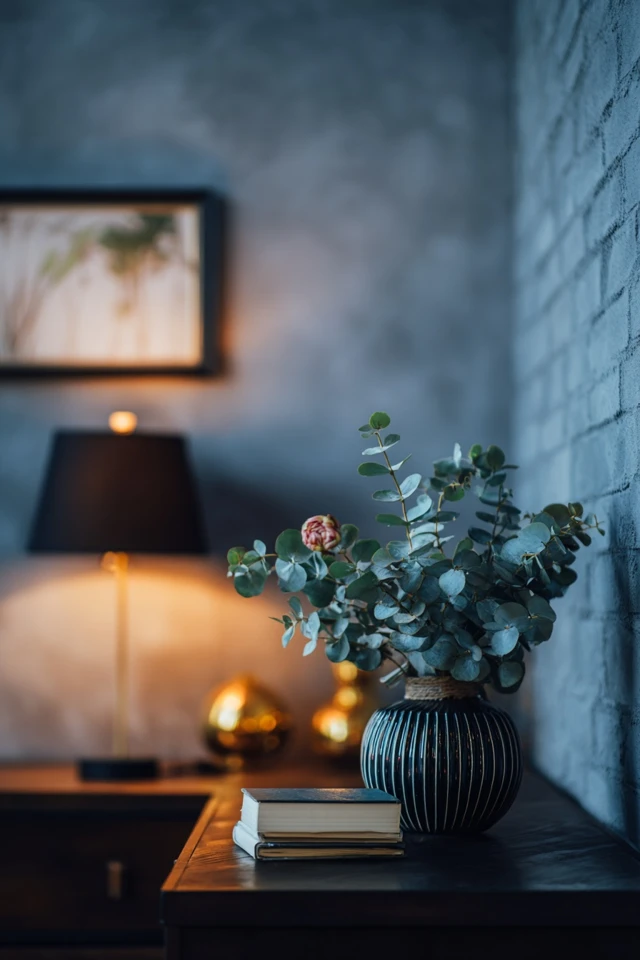
Light that skims along the surface throws tiny shadows into every joint and makes brick look deeper. A flat overhead fixture does the opposite. Put a wall washer, a picture light or a floor uplight close to the wall, and add soft ambient light so the shadows don't get harsh.
Balance the weight
A rough brick wall is visually heavy. Opposite it, use lighter furniture, open shelving or smooth surfaces so the room doesn't feel lopsided. Smooth plaster, glass and metal all contrast well with the roughness.
Soften the sound
Bare brick reflects noise. A wool rug, linen curtains and upholstered seating absorb some of it. If a dog's nails and barking echo in your room, textiles are a practical fix as well as a cozy one.
Exposed brick wall living room ideas
A living room is where a brick wall earns its place. Three layouts work well:
- Sofa facing the brick, which makes the wall the focal point. Leave the wall mostly clear and let one big piece of art carry it.
- Fireplace or media wall in brick, with built-in shelves on each side. Keep the objects on the shelves grouped and few.
- Sofa with its back to the brick. Float it a little off the wall and keep about 30-36 inches clear where people walk.
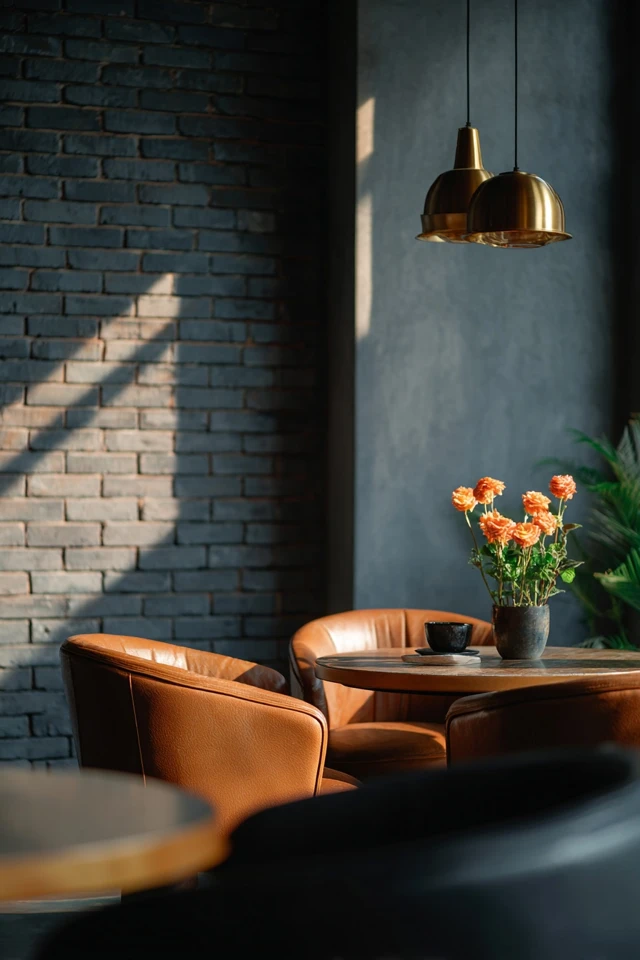
Warm red brick pairs well with deep green, navy, leather and walnut. Gray or whitewashed brick suits pale wood, black metal and a more minimal look. As an architect, I'd choose two main materials (brick plus wood, say) and one or two accents, then stop.
Painted and limewashed brick for a modern look
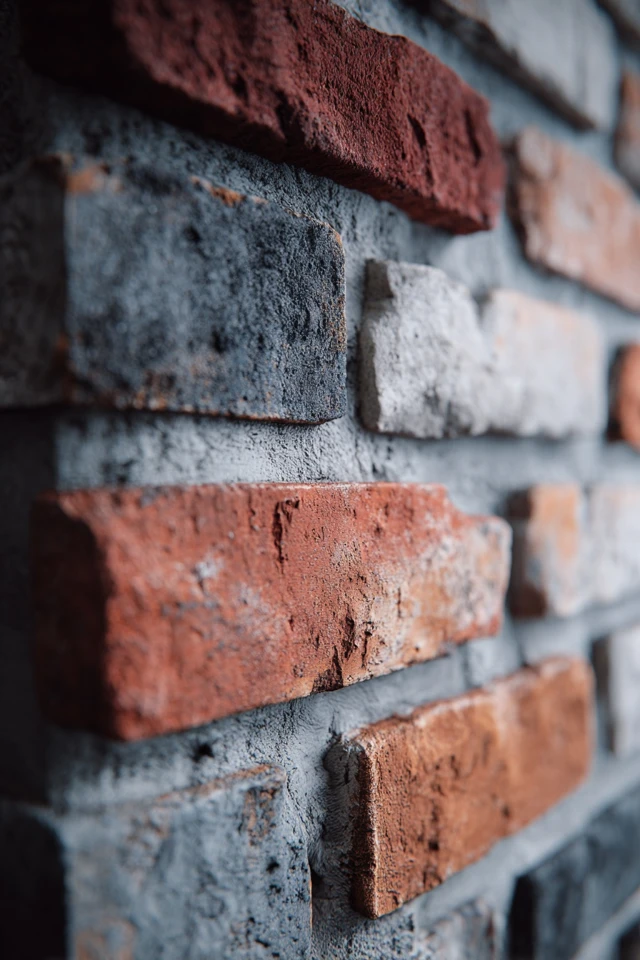
Painting brick brightens a small or dark room fast. White and soft neutrals reflect more light, while deep colors give a moody backdrop. The catch is that paint is hard to reverse, so test a small patch first and look at it in morning, midday and evening light.
Limewash and mineral paints are worth a look if you want a softer, more weathered finish. Brick is porous, so in damp areas pick breathable products and ask the manufacturer or a licensed contractor about the right primer.
Faux brick and other interior brick wall covering options
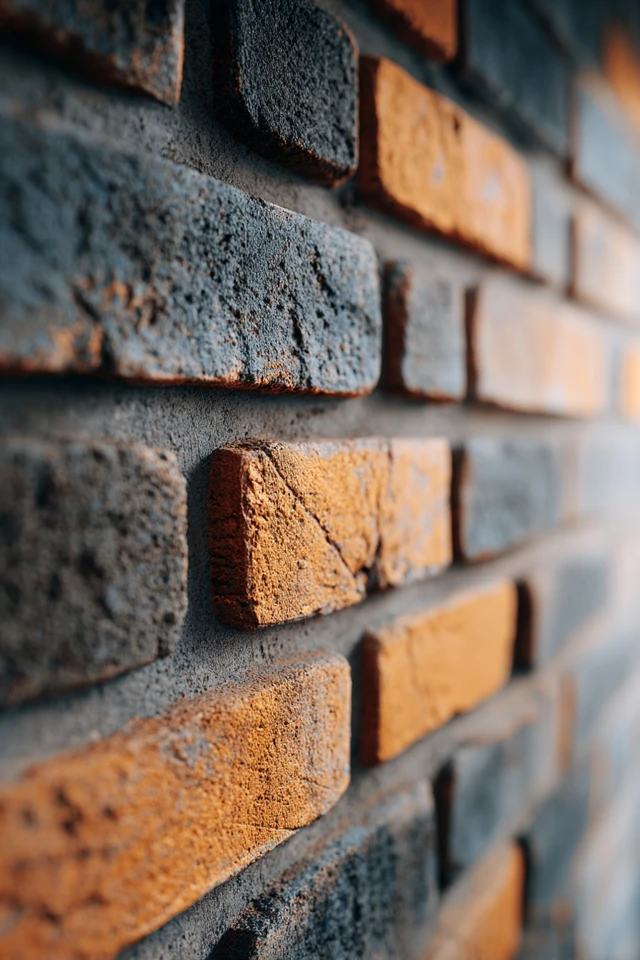
No brick behind your drywall? Thin brick veneer, brick-look tile and wallpaper give the look without the structure. Veneer and tile have real texture and suit accent walls, fireplaces and kitchens. Wallpaper is the easiest choice for renters, though it won't have any depth.
Whatever you choose, check that the substrate is flat, dry and strong enough. Near a stove, a sealed or glazed finish is much easier to wipe clean than raw brick, which collects grease and dust.
If you have real exterior-style brick walls and the room is cold, insulating the inside changes how the wall behaves. The National Laboratory of the Rockies publishes a measure guideline on installing rigid foam insulation on the interior of existing brick walls, with step-by-step procedures and tradeoffs. Note that this covers the wall with a new surface, so it's a choice between comfort and exposed brick. A licensed professional should assess moisture first.
Brick as a partition or alcove
A brick wall can also divide a room. A half-height wall behind a sofa separates a living area from a dining area without blocking light. A recessed brick alcove makes a good spot for a reading chair, a dog bed or a small bar. Keep the opening wide enough to walk through comfortably, at least 30-36 inches.
Brick style in older homes
Brick interiors often come from the period of the building. The National Park Service notes that the Italianate style was most prevalent in America between the 1850s and the 1880s, and that Greek Revival was popular from the 1830s through the 1860s. If your home is from either era, original brick is worth keeping visible. Pair it with simple, classic furniture and let the brick be the antique in the room.
For other rooms in an older house, you might like the ideas in our Victorian kitchen post or the entry tips in the foyer room guide. If your brick wall sits next to a ceiling you also want to update, see these ceiling ideas.
Quick styling checklist
- Test paint and textiles against the wall at different times of day.
- Use odd-numbered groupings on shelves, and leave some bare brick visible.
- Layer ambient, task and accent lighting.
- Seal brick near cooking areas.
- Use anchors rated for masonry for anything heavy.
Frequently asked questions
What are the brick trends for 2026?
Warm, tactile looks such as limewashed brick, muted palettes and natural wood are popular pairings. Treat trends as accents like cushions and art, so the wall stays easy to restyle.
How do I make a small room with a brick wall feel larger?
Whitewash or paint the brick a soft neutral, add a large mirror and choose low-profile furniture. Keep walkways clear and use vertical storage to save floor space.
Should I paint my brick wall or leave it natural?
Leave it natural if the room has good light and you like the texture. Paint it to brighten a dark room or get a cleaner modern look, but remember it is difficult to undo.
Can I use brick veneer or faux brick for an accent wall?
Yes. Thin veneer, brick-look tile and wallpaper all work, as long as the surface behind is flat, dry and sound. Choose tile or sealed veneer in kitchens.
Filed under
ArticlesMeet the author
Written by an architect.
Julio Arco is a passionate architect with years of experience in architecture, interior design, urban design, and housing. He studied at prestigious universities across North America and Europe.

- Name
- Julio Arco
- Job
- Architect and online interior designer
- Studied
- Architecture, ITESM · Urban Design and Housing, McGill
- Partner
- Thor, Australian Shepherd
- Thor’s title
- Head of quality control