The Best 10 Plant Care Tips
From watering and temperature to lighting and humidity, here are the most important plant care tips for your houseplants to thrive!

By Julio Arco
Architect and online interior designer
In this post
- 1. Choose plants based on your light
- 2. Pick plants that work with your schedule
- 3. Be mindful when watering
- 4. Raise humidity levels when needed
- 5. Always keep temperatures stable
- 6. Know when to skip the fertilizer
- 7. Shop from a reliable source
- 8. Show a little TLC at first
- 9. Don’t be scared to repot
- 10. Keep drainage in mind
- Plant Care Tips – FAQ
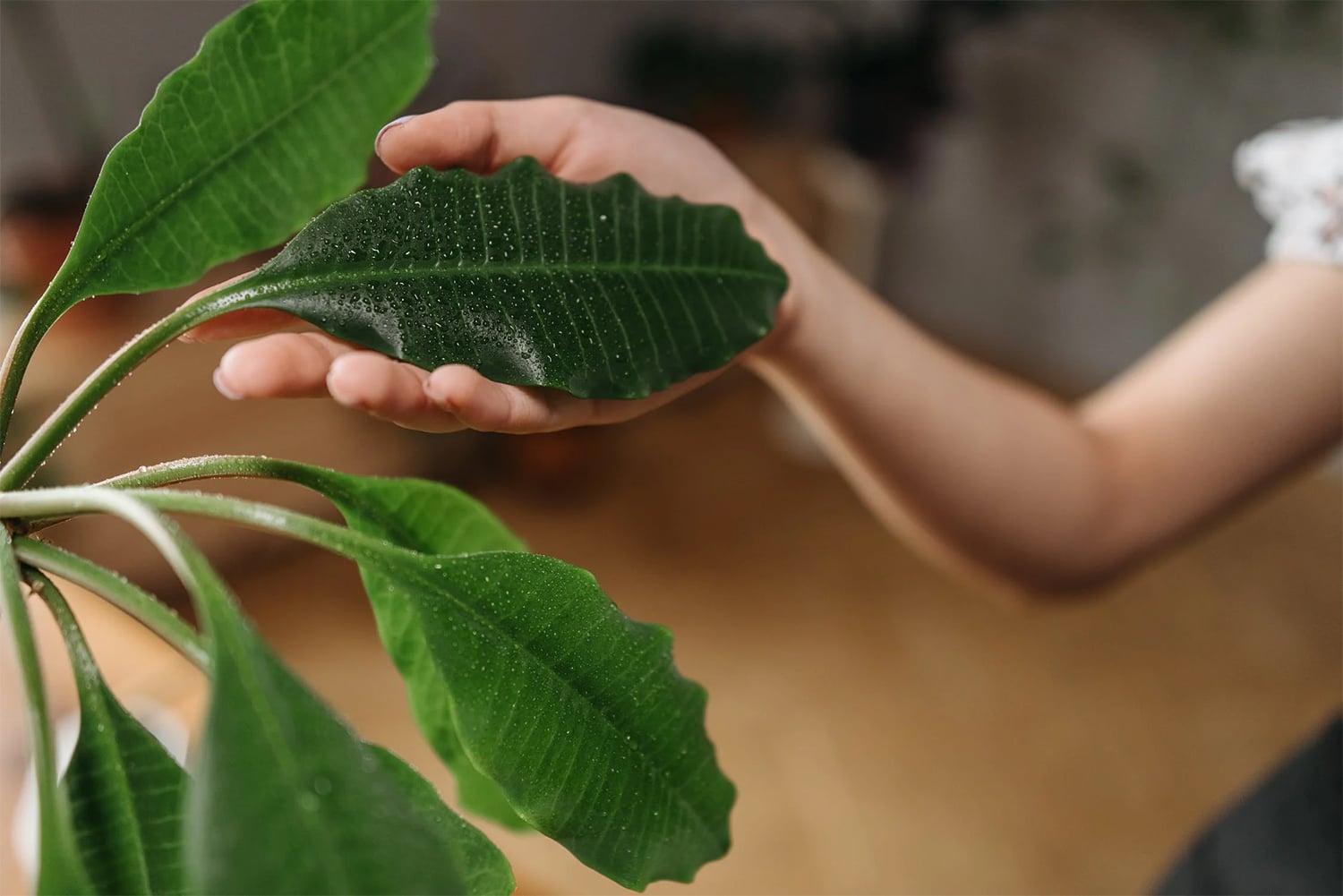
The best way to make sure your plants are healthy and happy is to give them the care they deserve. With our top 10 tips, you can provide your plants with the nutrients they need, the sunlight they crave, and the water they require. Plus, we’ve included a few extra tips to help you keep your plants looking their best.
1. Choose plants based on your light
The most important thing to remember when choosing a plant is to consider how much natural light it will get and make your selection based on that. Determine the orientation of your windows if you’re unsure by gazing.
Southwestern windows let in a lot of sunlight, while eastern and western views give off a more muted glow, while northern views provide a dim glow. It’s important to take into account any obstructions to sunlight outside your window, such as a huge tree or structure.
Indirect sunlight is preferred by the majority of houseplants. However, there are some that can thrive in lower amounts of light (like low light tolerant snake plants and ZZ plants).
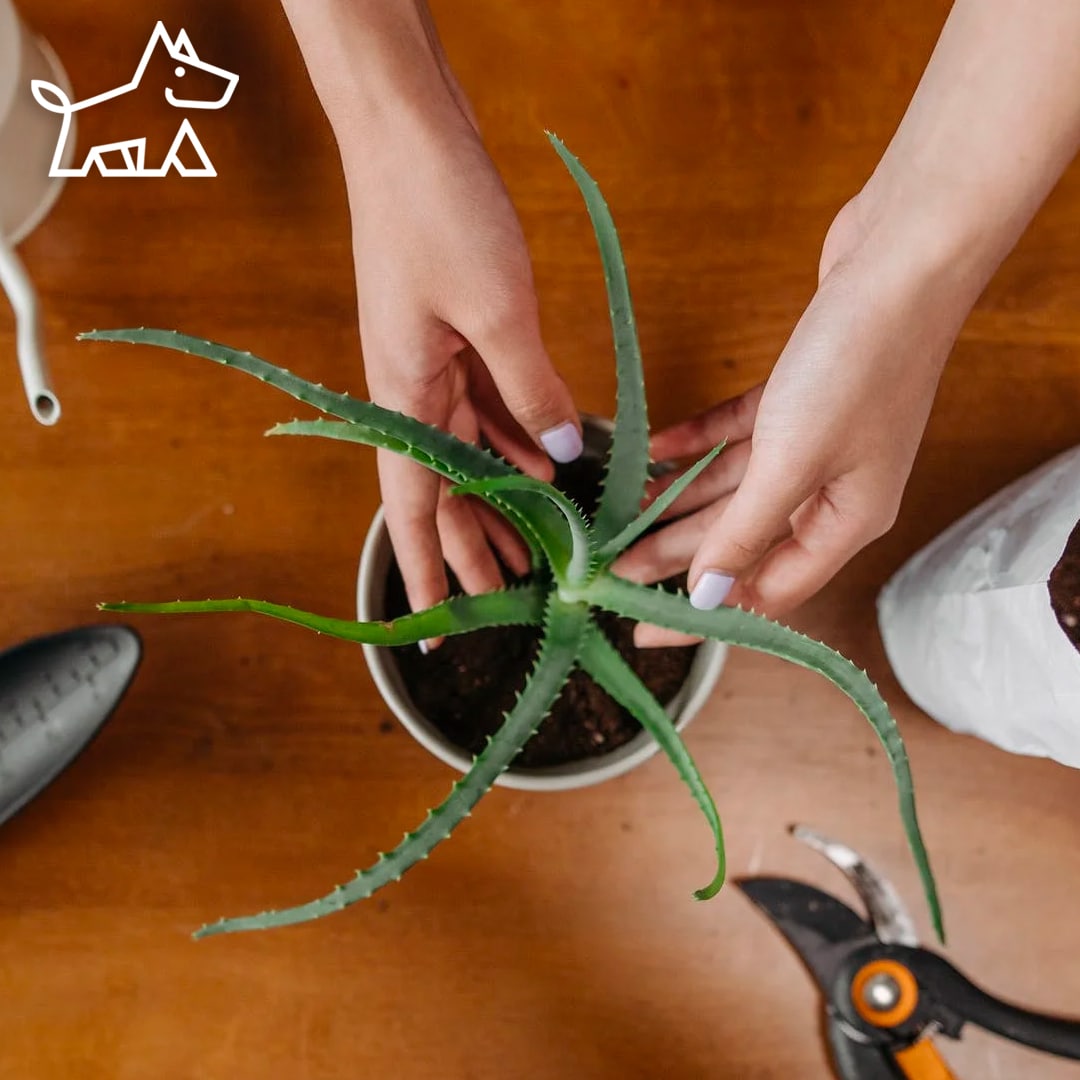
If your windows are facing the sun, a sheer curtain may be a good idea to soften the glare. Even more direct sunlight is tolerated by cacti and succulents like aloe. Check on your plants if they’re in very bright or extremely dim lighting conditions to avoid overexposure or underexposure. You can also use artificial lights such as grow lights if needed.
 2. Pick plants that work with your schedule
Are you a first-time plant parent? Unintentional plant neglect might result from a hectic job schedule, social obligations, or just laziness. A few plants are able to thrive in such a sort of environment.
Low-maintenance and drought-resistant succulents, ZZ plants, or snake plants may all be enjoyed by a jet-setter like yourself, as long as they get adequate light (bright and low light, respectively). They should be in top condition when you return from your next vacation.
There are a number of attention-grabbing air plants, orchids, and ferns that you may experiment with. A daily spray of filtered water between waterings is like a facial mist for these sensitive plants, keeping humidity levels just right.

3. Be mindful when watering
If you overwater your plants, they will suffer the consequences. Root rot may occur if there is excessive water in the soil. Rather than sticking to a regular routine, you should now merely water your plant as necessary.
At least 2 inches below the top, check the potting mix or soil to see whether it’s dry. If the soil is black in color, wet to the touch, and clings to your finger, your plant has adequate water for the time being to carry out its tasks effectively.
As the seasons vary, so does the frequency with which you water your plants. During the colder months, plants need less water since their growth is slower, the days are shorter, and the amount of sunshine is reduced.
Some more water may be needed if the heat is on and their soil is drying up quickly. A thirsty plant will have wilting leaves or dirt that seems to have been dragged away from the planter’s sides.
As a general rule, use warm water whenever possible. Because plants absorb water via their roots, moisten the soil surrounding the plant’s base. Epiphytes, such as air plants, can only take in water via their leaves.
If your planter doesn’t have a drainage hole, you may use a saucer below it. After watering, let the plant soak up the water in the saucer for a few hours before emptying it. You can use a moisture meter to measure a plant’s humidity level.

4. Raise humidity levels when needed
Our plant will flourish inside if you mimic its natural surroundings. Humidity and bright to moderate indirect light are the preferred lighting conditions for most tropical plants. A more humid microclimate may be created during the winter months by clustering plants of the same kind together.
You may also use a humidifier, which is good for people (find more ways to increase humidity levels here). Cacti and succulents, on the other hand, prefer dry air and strong, direct sunlight with no shadow. Humidity irritates them to no end.
5. Always keep temperatures stable
Maintaining a steady climate for your plant is critical. Plants may be stressed out by large changes in their environment. It is best not to place plants near radiators, air conditioners, or forced air vents, which may cause hot or cold spots in the room. Keep the temperature between 65 and 85 degrees F.

6. Know when to skip the fertilizer
When fertilizing your houseplants, use caution. Fertilizer is a beneficial thing when used in moderation. Fertilizer is not required as often for indoor plants as it is for outside ones. A good rule of thumb when it comes to fertilizing your plant is to do it only while the plant is actively developing (early spring to early autumn).
Before using most commercial fertilizers, they must be diluted with water. You may fertilize your plant for the first time if you’ve kept it for at least a year. We recommend utilizing a fertilizer that can be used on a variety of crops. As a rule of thumb, always follow the directions. Avoid fertilizer if you’ve just altered the soil. The fresh nutrients in the soil are sufficient.

7. Shop from a reliable source
Your local garden center, specialized retailers, and florists are all good places to get your plants from. Buying from a supplier with on-site plant specialists implies that they can answer all your product inquiries. Most persons who sell or work with plants have great enthusiasm for their subject, and we’re sure of it.
First-time plant parents should steer clear of major department shops and supermarkets, where plants are sometimes kept in gloomy basements or warehouses. Signs of an ailing plant include yellow leaves, patches of powdery mildew, brown tips, and weak stems.
8. Show a little TLC at first
Show a little tender loving care from the beginning. After your plant arrives at your door or you bring it home from the shop, it will take a few weeks for it to become used to its new surroundings. In the beginning, give your plant a little additional care. Observing your plant will inform you whether to water and when not, if the temperature is too high or low, and if it’s receiving enough light. They’re also aesthetically beautiful.

9. Don’t be scared to repot
To avoid the frequent mistake that “repotting” means moving your plant into a new container, it’s better to just replace your plant’s potting soil with a new one. Repotting plants is usually necessary every 12 to 18 months, depending on how fast they are developing.
It is a good opportunity to upgrade your planter when it has outgrown the one it is currently in. Just one to three inches bigger than the existing container is sufficient. Because your plant isn’t completely submerged in the dirt, you won’t have to worry about overwatering it, but it will still have room to flourish.
10. Keep drainage in mind
Keep drainage in mind if you tend to overwater your plants. Planters with drainage holes and saucers grow pots within planters, or lava rocks at the bottom of pots without holes are all options (to create crevices for excess water to flow to). Do what works best for you. Don’t be scared to experiment with various techniques on a variety of plants.

Plant Care Tips – FAQ
How frequently should I water my plants?
It depends on the plant variety, the potting mix, and the size of the pot. The best advice is to feel the soil before watering to see if it is dry.
What type of potting mix should I use?
The best potting mix for your plants will depend on the plants you are growing. A general-purpose potting mix should work for most plants.
Should I fertilize my plants?
Fertilizing your plants is not necessary as often for indoor plants as it is for outside ones. A good rule of thumb when it comes to fertilizing your plant is to do it only while the plant is actively developing (early spring to early autumn).
How can I tell if my plant is sick?
Signs of an ailing plant include yellow leaves, patches of powdery mildew, brown tips, and weak stems.
How often should I repot my plants?
Repotting plants is usually necessary every 12 to 18 months, depending on how fast they are developing.
What should I do if I over water my plants?
If you overwater your plants, keep drainage in mind. Planters with drainage holes and saucers grow pots within planters, or lava rocks at the bottom of pots without holes are all options (to create crevices for excess water to flow to).
What is the best way to get rid of pests?
The best way to get rid of pests is to prevent them from infesting your plants in the first place. But if you find pests on your plants, you can do a few things to get rid of them. You can remove the pests by hand, use an insecticide, or introduce predators.

Meet the author
Written by an architect.
Julio Arco is a passionate architect with years of experience in architecture, interior design, urban design, and housing. He studied at prestigious universities across North America and Europe.

- Name
- Julio Arco
- Job
- Architect and online interior designer
- Studied
- Architecture, ITESM · Urban Design and Housing, McGill
- Partner
- Thor, Australian Shepherd
- Thor’s title
- Head of quality control