Sofa Color Ideas: How to Pick the Right Shade
Sofa color ideas for your living room: timeless neutrals, bold brights, small-room tips, shades to avoid and how to match your walls and lighting.

By Julio Arco
Architect and online interior designer
In this post
- How does sofa color change a room?
- What are the best timeless sofa colors?
- Which bright sofa colors are trending?
- Should a sofa be lighter or darker than the walls?
- What is the best sofa color combination for a living room?
- Which sofa colors work in small rooms?
- Which sofa colors should you avoid?
- How do you test a bold sofa color before buying?
- Frequently asked questions
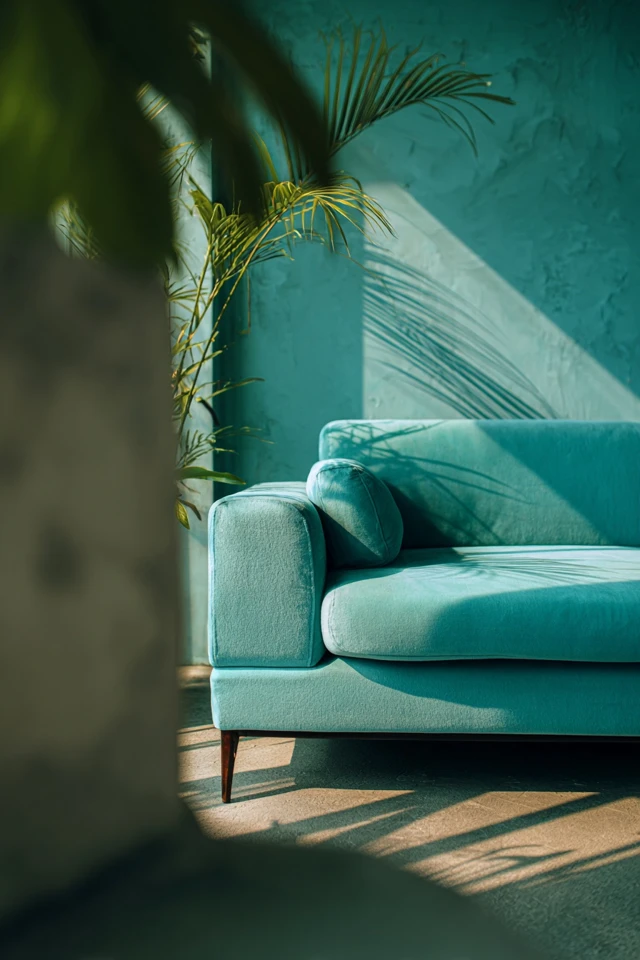
The best color for a living room sofa is the one you can live with for ten years: a mid-tone neutral such as warm gray, oatmeal or taupe is the safest pick. If you want color, choose a saturated shade like teal, emerald or terracotta and keep everything around it calm.
Bright sofas are easier to get right than most people fear. The trick is deciding what the sofa is doing in the room: blending in, or being the one loud thing. Here's how to choose.
How does sofa color change a room?
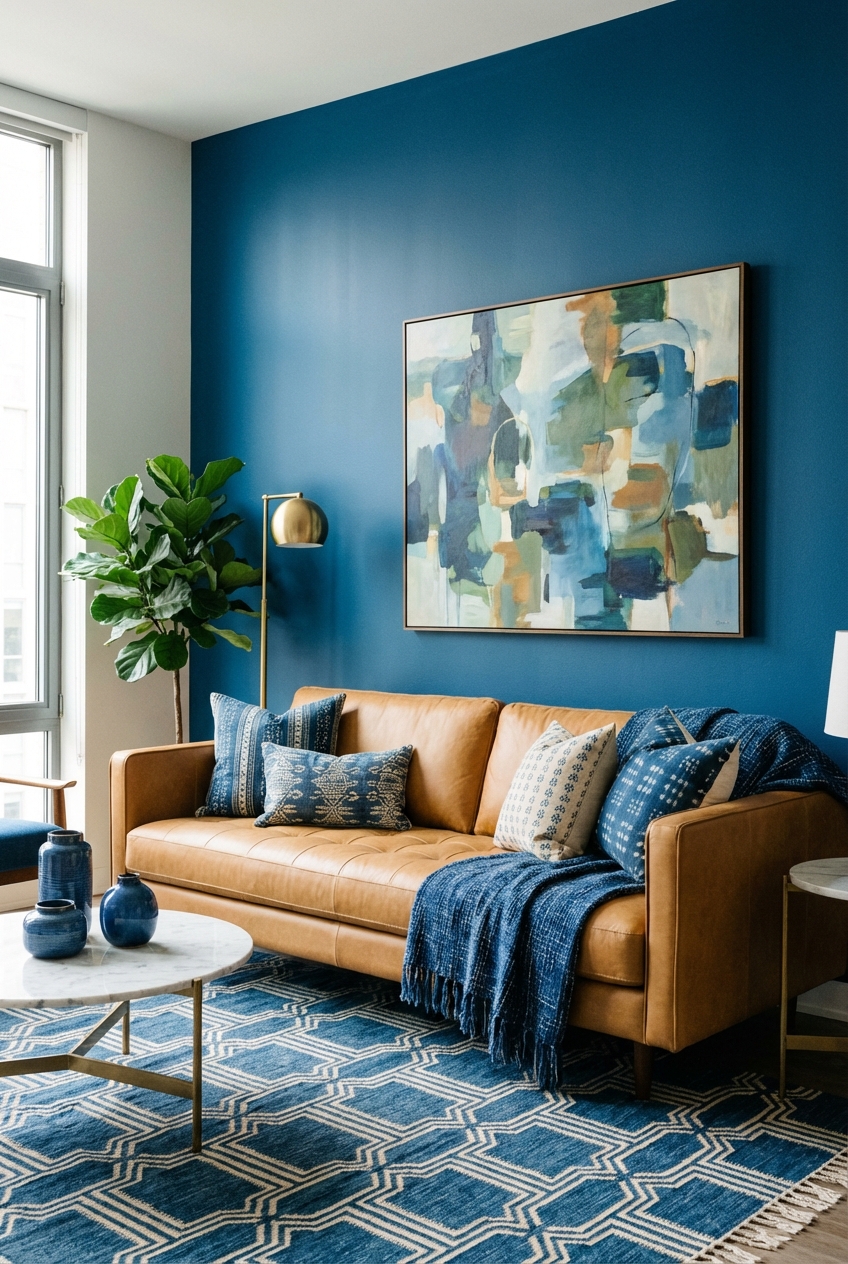
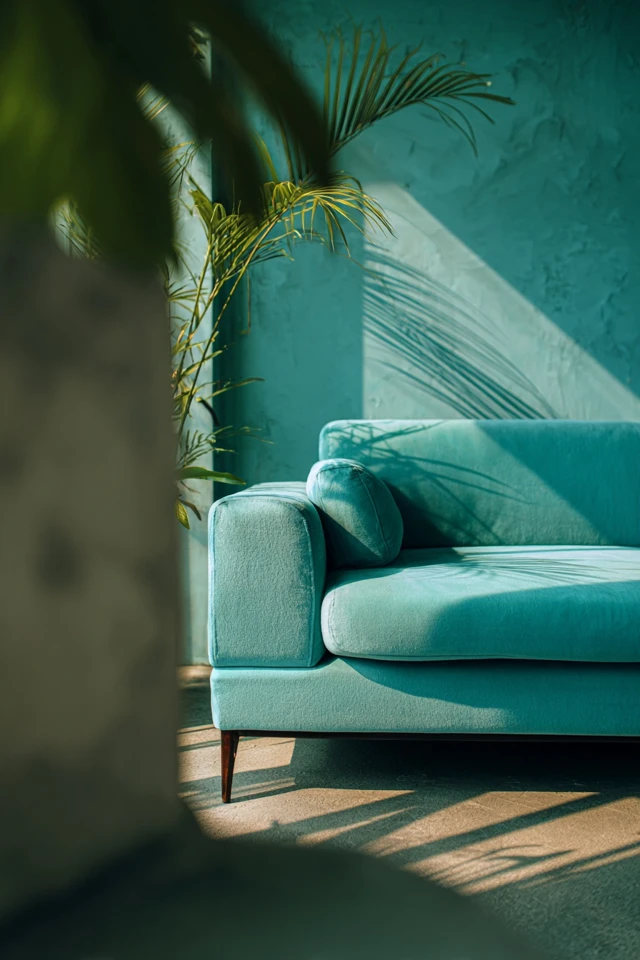
A sofa is usually the largest single object in a living room, so its color sets the tone for everything near it. Warm hues (red, orange, yellow) read as energetic and social. Cool hues (blue, green, teal) read as calmer.
There's some research behind the cool-color effect, though it is lab work and not a decorating rule. In a study from Deakin University, Isabella S Bower and colleagues reported that "blue coloring of the built environment increases autonomic range and is associated with modulations of brain activity linked to emotional processing." In plain terms, color in a room can change how your body responds. It doesn't tell you blue is always relaxing, so trust how a swatch makes you feel in your own space.
Saturation matters as much as hue. A highly saturated sofa feels lively and can tire the eye if the walls, rug and pillows are all competing. Pair it with muted surroundings and it stays fun without shouting.
What are the best timeless sofa colors?
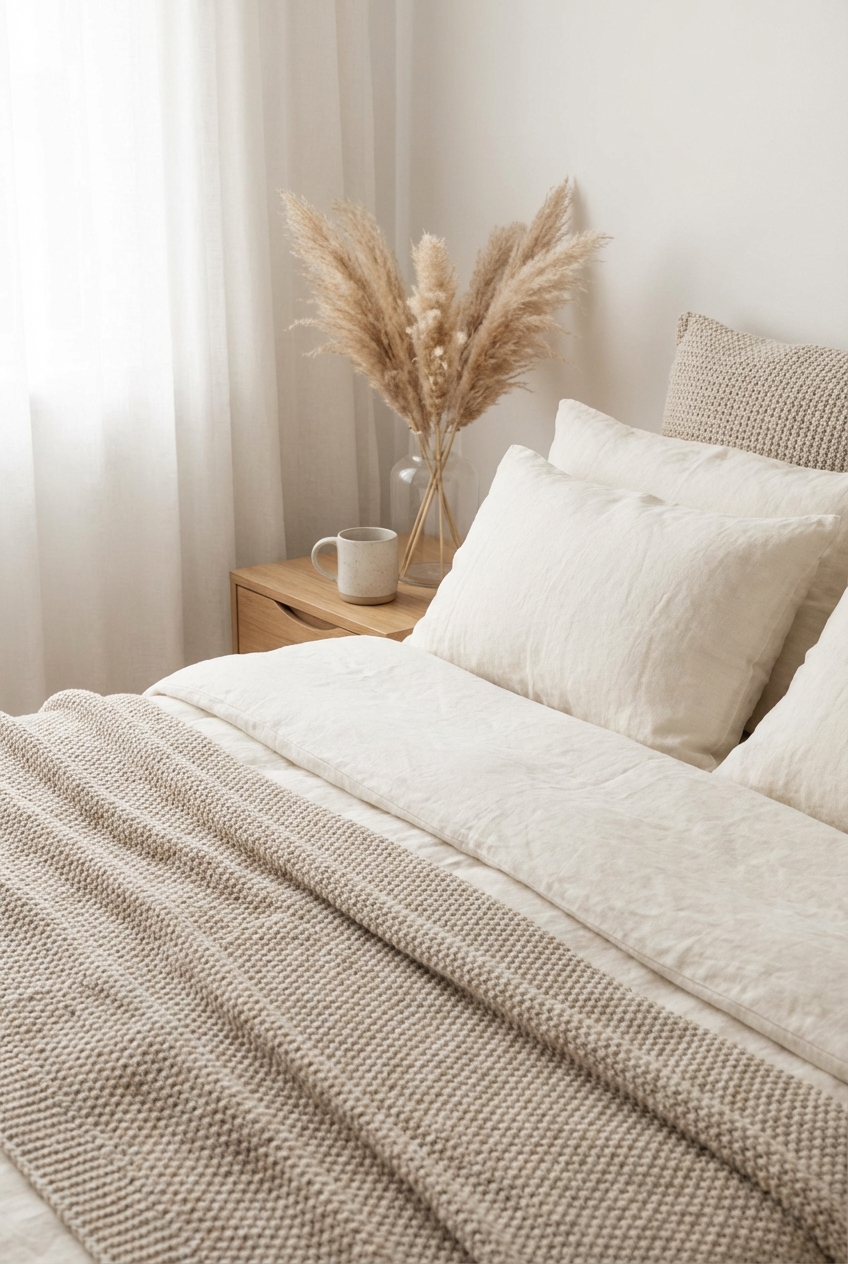
Neutrals last because they work with almost any wall color, rug or art you add later. The most forgiving are warm gray, greige, oatmeal, camel and charcoal. Cream and white look great in photos, but they show every paw print and spilled coffee.
If you live with a dog, I recommend a mid-tone neutral in a tight weave or performance fabric. Hair and dirt blend in, and washable covers make accidents a laundry task and not a crisis.
Which bright sofa colors are trending?
Among trending sofa colors for living room use, jewel tones lead: emerald, deep teal, saffron and coral. Two-tone upholstery and color-blocked pieces are also showing up. Trends move quickly, so I'd treat them as a reason to try a color you already like, not a reason to pick one you don't.
To keep a bold sofa from looking dated, anchor it with classic pieces: a neutral rug, a plain wood coffee table, simple lighting. Then repeat the sofa color once or twice in small items like a lampshade or a pillow, so it feels planned.
Should a sofa be lighter or darker than the walls?
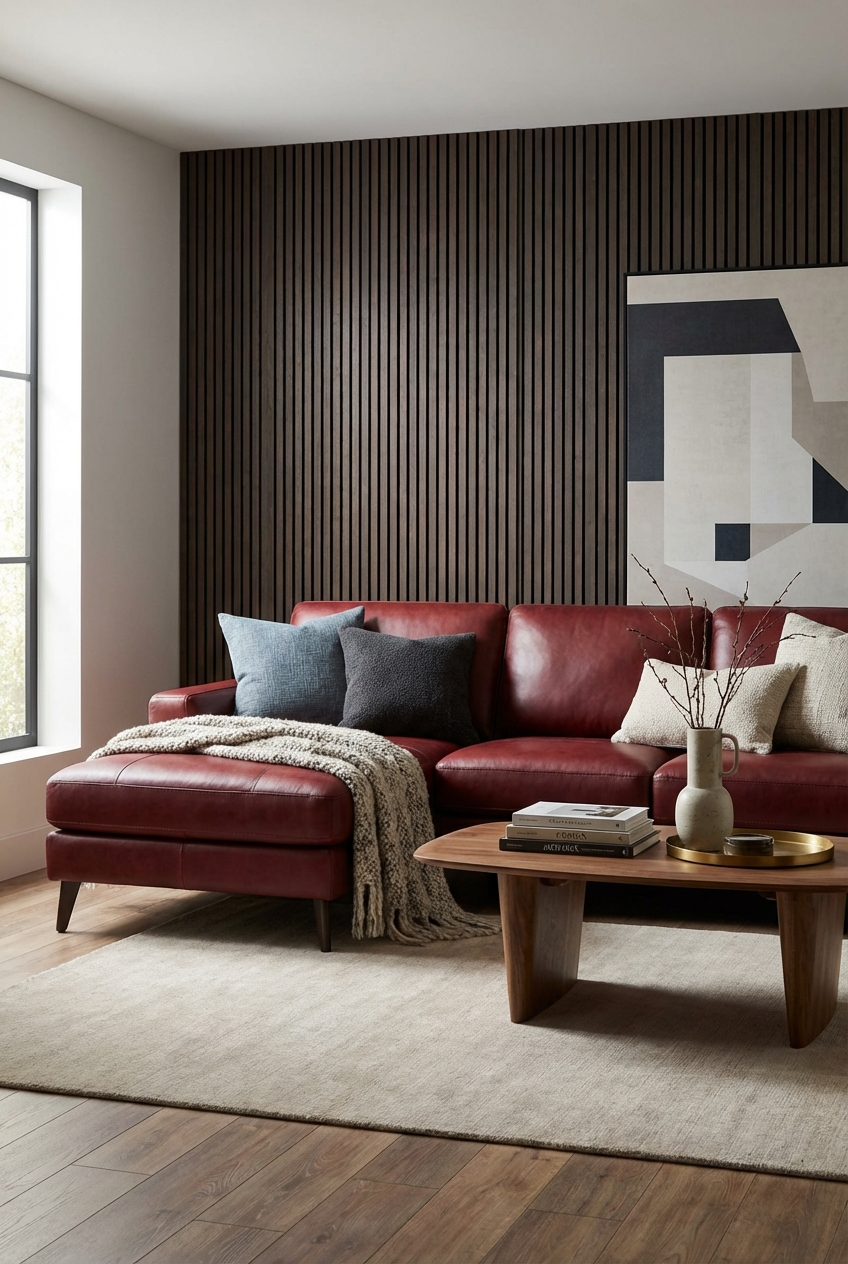
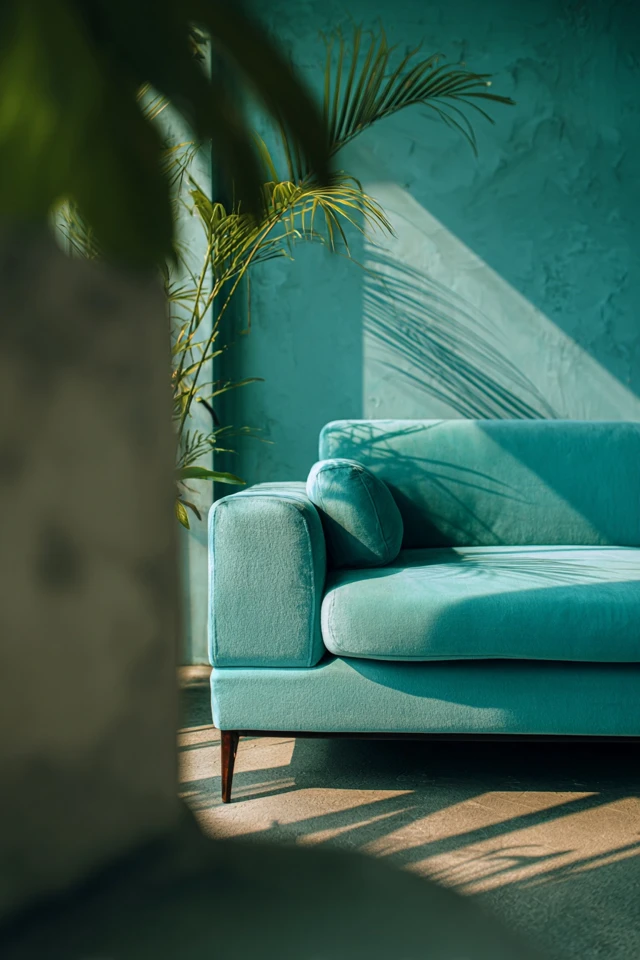
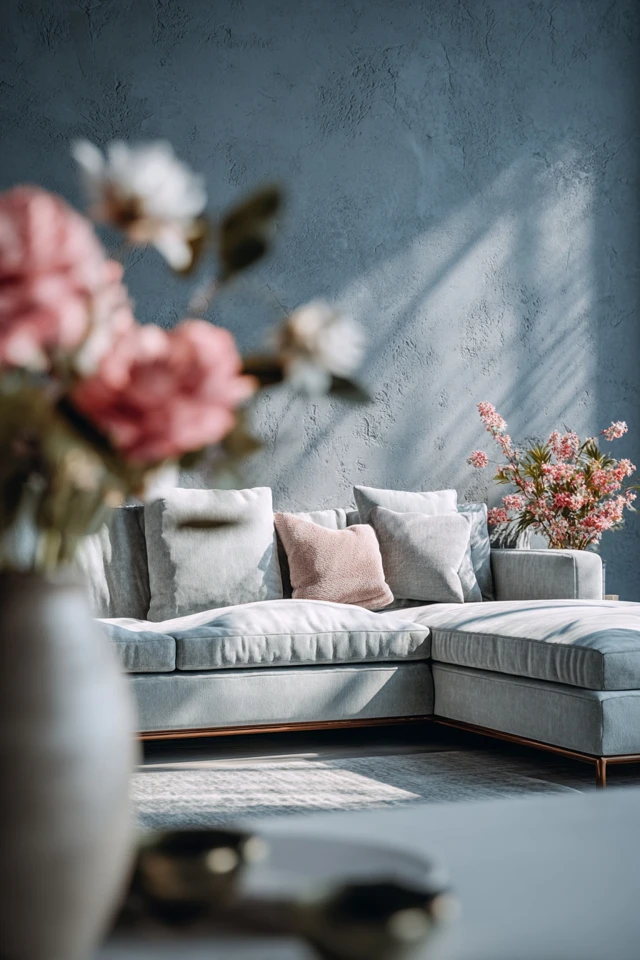
Either works, and the choice changes the effect. A sofa darker than the walls grounds the room and gives the seating group presence. A sofa lighter than the walls feels airy and recedes, which suits small rooms with deeper wall colors.
The risk is matching them closely. A sofa nearly the same tone as the wall can look like a smudge. If you want a tonal look, vary the texture (a nubby weave against flat paint) so the sofa still reads as its own shape. If you're also repainting, the paint color ideas for the kitchen cover a few palettes that translate to living rooms.
What is the best sofa color combination for a living room?
Keep to a palette of three or four colors: the sofa, one or two neutrals for the background, and an accent repeated in accessories. A few pairings that work reliably:
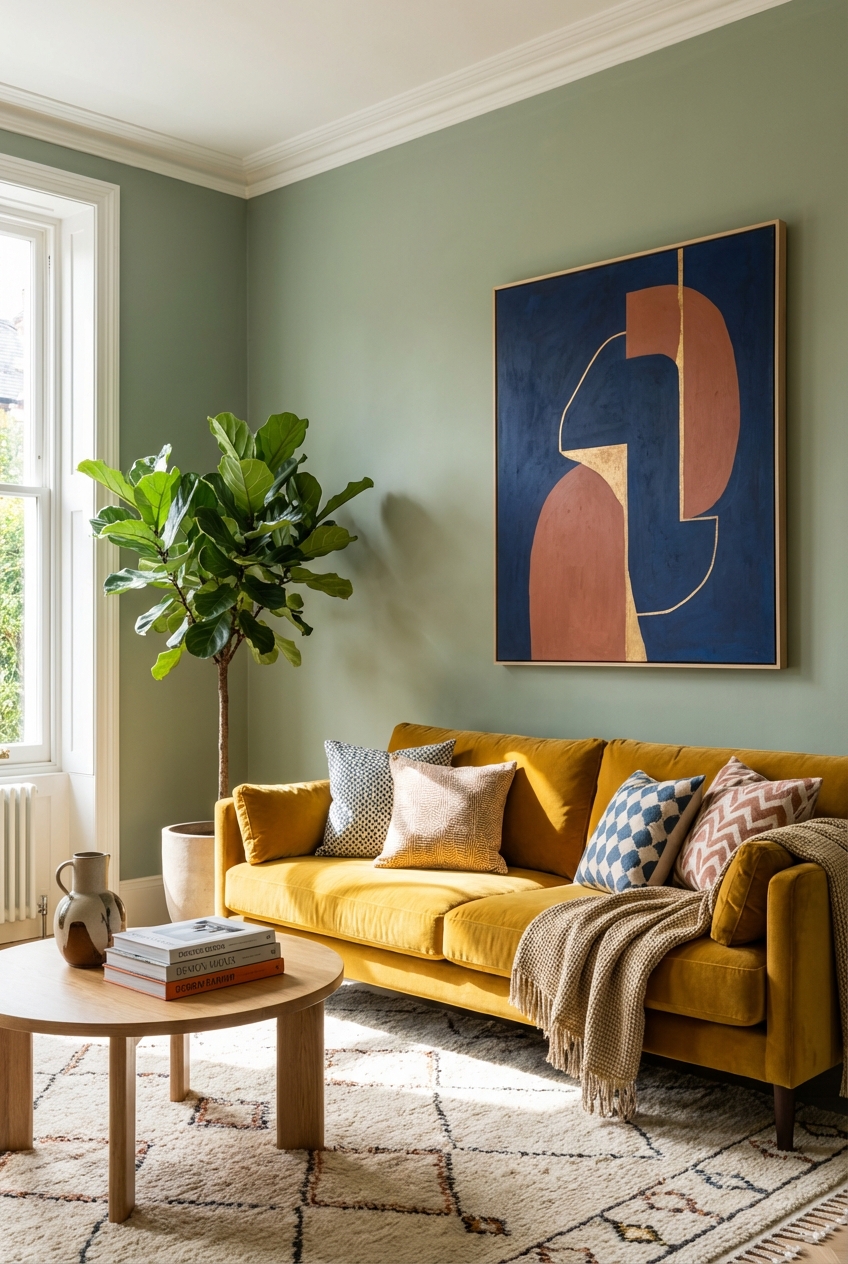
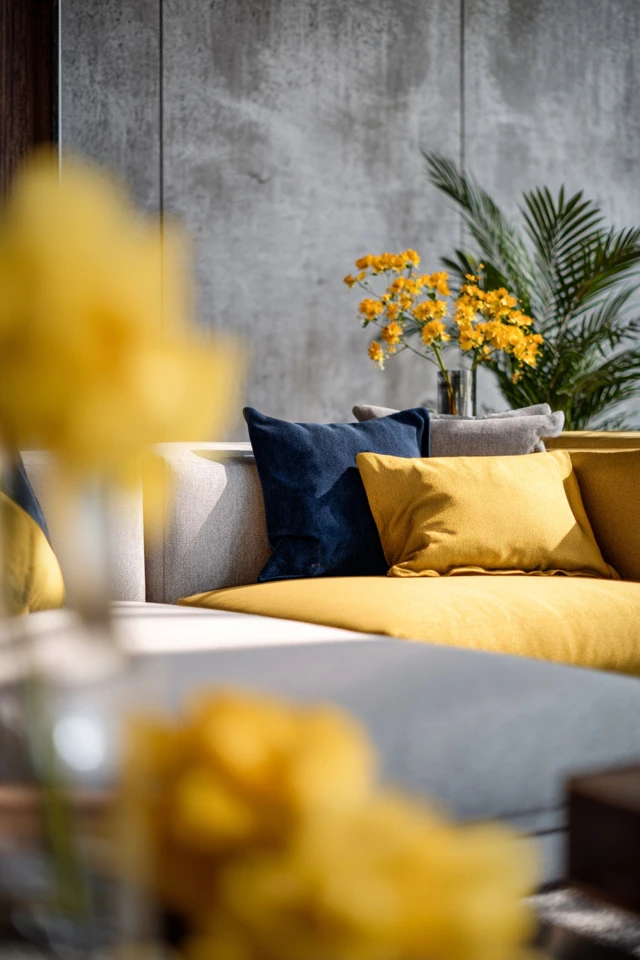
- Mustard or saffron sofa with navy pillows (high contrast, strong focal point).
- Teal or deep green sofa with warm white walls and natural wood.
- Terracotta sofa with cream, jute and black metal accents.
- Gray sofa with one saturated accent color you can swap out easily.
For contrast, use complementary colors. For a calmer room, use neighbors on the color wheel. If you're building around yellow, see what colors complement yellow.
Which sofa colors work in small rooms?
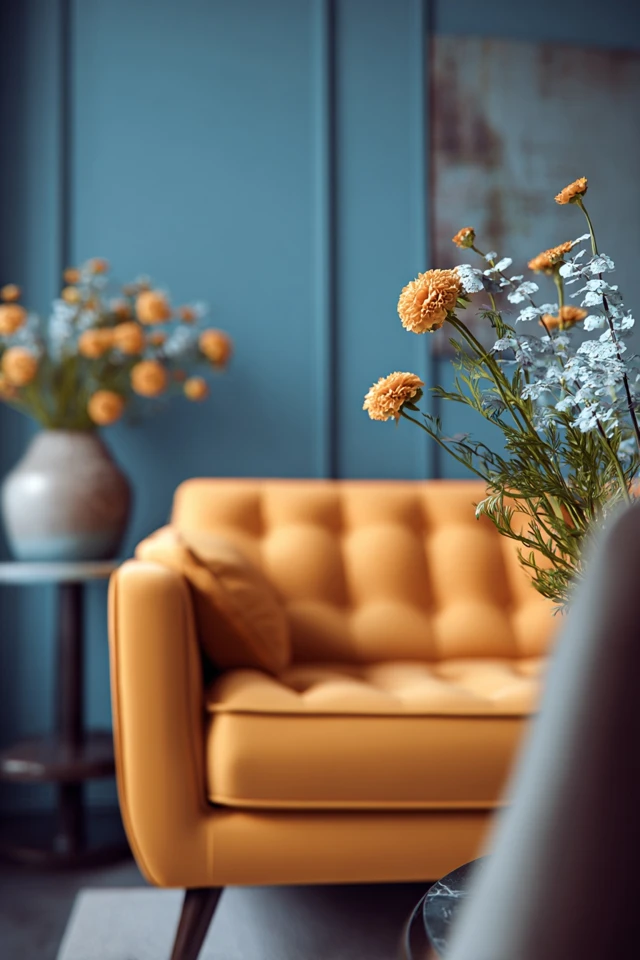
For small sofa color ideas in a living room, lighter and mid-tone shades keep the room open, but a saturated color works too if the sofa is compact. Pick a loveseat or apartment-size sofa with raised legs, so you can see floor underneath, and keep the walls light. A mirror opposite a window helps bounce daylight around.
In large rooms, you can go deeper and plusher. A big sofa in a dark or saturated tone anchors the space, and repeating its color in a few accents keeps it from feeling lost. For compact homes in general, the studio apartment ideas are a good companion read.
Which sofa colors should you avoid?
Few colors are truly off limits, but some are risky for specific homes:
- Pure white or very pale cream if you have pets or kids. It's beautiful for about a week.
- A color that matches your walls almost exactly, which flattens the room.
- Any trend shade you only tolerate. If you don't love it in the store, you won't love it in year three.
- Very dark black or navy in fabrics that show lint and pet hair.
Whether a color will look outdated is impossible to predict honestly. Quality neutrals and well-chosen jewel tones tend to age better than novelty shades, and slipcovers or swapped pillows can refresh either.
How do you test a bold sofa color before buying?
- Order fabric swatches and look at them in morning, afternoon and evening light. Natural light intensifies saturation, and warm bulbs shift jewel tones.
- Tape a swatch next to your wall paint sample and your flooring.
- Try the color in pillows or a throw first. If you still like it after a few weeks, scale up.
- Consider a slipcover or modular piece if you want to experiment cheaply.
Fabric changes color perception too. Velvet deepens and enriches a hue, while linen and textured weaves soften it. Performance fabrics now come in bold shades and handle stains well, which is a good deal if a dog shares your couch. Layer in wood, rattan or a few plants to ground bright upholstery.
Last, place the sofa with purpose. Face it toward a focal point or another seat, and use a rug large enough that at least the front legs of the sofa and chairs sit on it. A floor lamp beside a bright sofa frames it and gives you reading light.
Frequently asked questions
What is the best color for a living room sofa?
A mid-tone neutral like warm gray, greige or oatmeal is the most flexible, since it suits many wall colors and hides everyday wear. If you prefer color, deep teal or green is a lasting choice.
What color couch is in for 2026?
Jewel tones such as emerald, teal and saffron, along with warm earthy shades, are popular right now. Pick one you genuinely like, since trends shift faster than a sofa wears out.
Are bright sofas practical for homes with kids and pets?
Yes, if you choose a performance or stain-resistant fabric in a saturated mid or dark tone and add washable covers. Check care instructions for any fabric before buying.
What paint colors work best with a vibrant sofa?
Warm off-white, soft gray and greige give a calm backdrop that lets the sofa lead. A muted, deeper wall in a related tone also works if the room has good light.
Filed under
ArticlesMeet the author
Written by an architect.
Julio Arco is a passionate architect with years of experience in architecture, interior design, urban design, and housing. He studied at prestigious universities across North America and Europe.

- Name
- Julio Arco
- Job
- Architect and online interior designer
- Studied
- Architecture, ITESM · Urban Design and Housing, McGill
- Partner
- Thor, Australian Shepherd
- Thor’s title
- Head of quality control