Home Picnic Ideas: How to Style an Indoor Picnic
Set up an indoor picnic at home with simple layout, color, texture and lighting tips that work in small apartments and big living rooms.

By Julio Arco
Architect and online interior designer
In this post
A good home picnic needs four things: a defined spot on the floor, a soft base layer, one low surface for the food, and warm light. Everything else is decoration. You can set it up in a corner of a studio or across a whole living room, and it should take about ten minutes to build and five to clear.
It's a low-commitment way to try out a layout, a color palette or a mix of textures without buying anything big. Here's how I'd plan it.
What do you need for an indoor picnic?
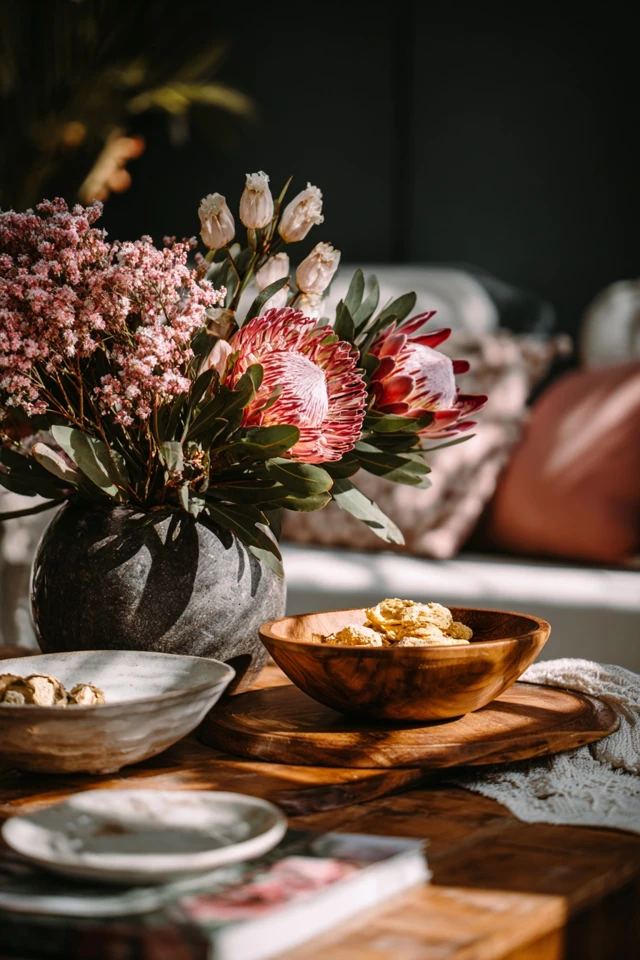
Start with the footprint. A rug or large blanket sized to the number of guests tells everyone where the picnic happens and keeps crumbs in one place. Add a tray or low table as the focal point, then cushions for seating.
- A base layer: rug, blanket or quilt.
- A tray or low table for food and drinks.
- Floor cushions, poufs or folded throws for seating.
- Washable napkins and plates that can go straight to the sink.
- Warm, low light: a lamp or battery candles.
If you share your home with a dog, put the food on a tray or a low table with a rim, and check with your vet before sharing any snacks. Many ordinary picnic foods aren't safe for dogs.
How do you set up a home picnic in a small space?
Think in layers that you can clear fast. A compact rug, a tray table and stackable cushions make a zone that disappears when you're done. If floor space is tight, a foldable serving cart or wall hooks for cushions and baskets keep the gear off the floor between uses.
A rug or runner also acts as a boundary. People understand the edge of a rug immediately, so it contains the decor without any furniture shifting. For more ways to make one room do several jobs, see these studio apartment ideas.
How do you plan a picnic in a larger room?
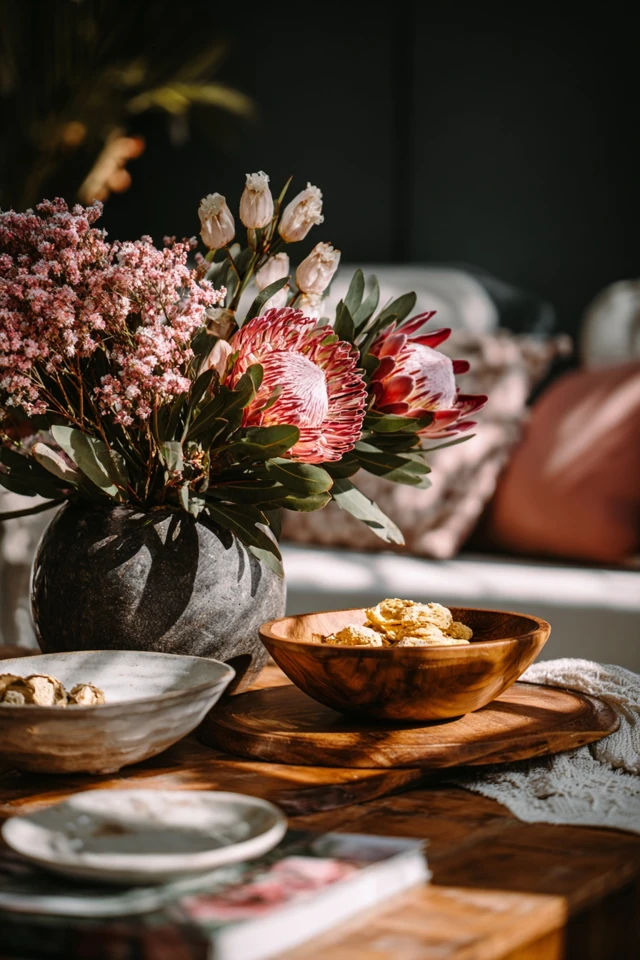
In an open-plan room, split the picnic into stations: a lounging area, a food spot and, if you like, a games corner. Anchor each with its own rug or lamp so the space feels like a few small rooms and not one big empty one.
Keep tall pieces near the walls and the center low and open. That keeps sightlines clear and leaves room to walk around the blanket, roughly 30 inches or more, without stepping on anything.
Which colors work best?
Color sets the mood quickly, so decide what you want first. Do you want a lively dinner or a quiet afternoon with a book?
- Warm tones such as terra cotta, mustard and soft pink feel cozy and social.
- Cool tones such as sage, soft blue and slate feel calmer.
- Neutrals like cream and warm gray calm down saturated colors and make the scene easier to repeat.
Check your palette in the light you'll actually use. Cool blues can look flat under warm bulbs, while earth tones glow in late afternoon sun. Hold a napkin or throw up in the spot at different hours before you commit.
How do you mix textures and materials?
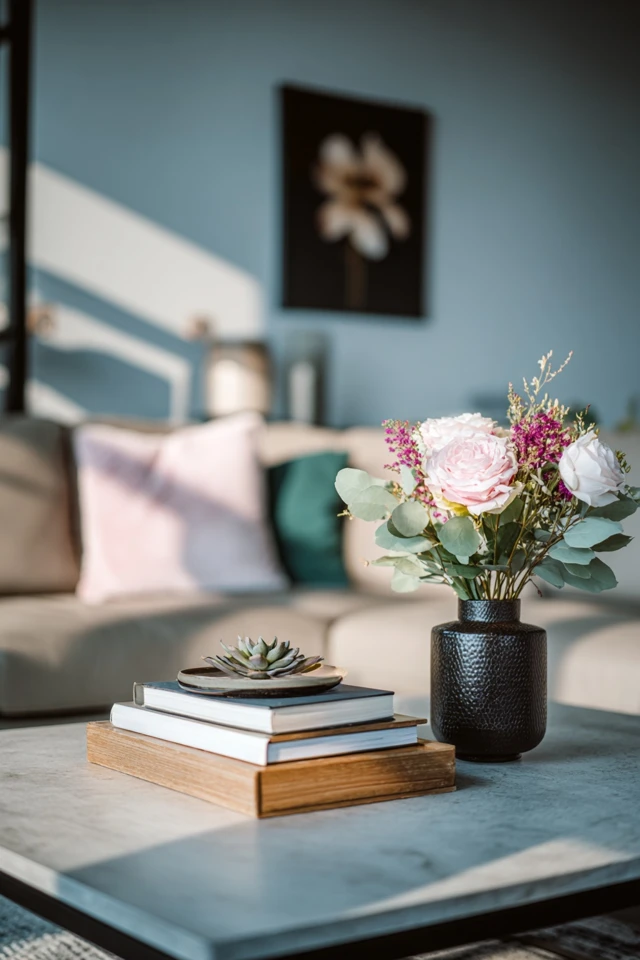
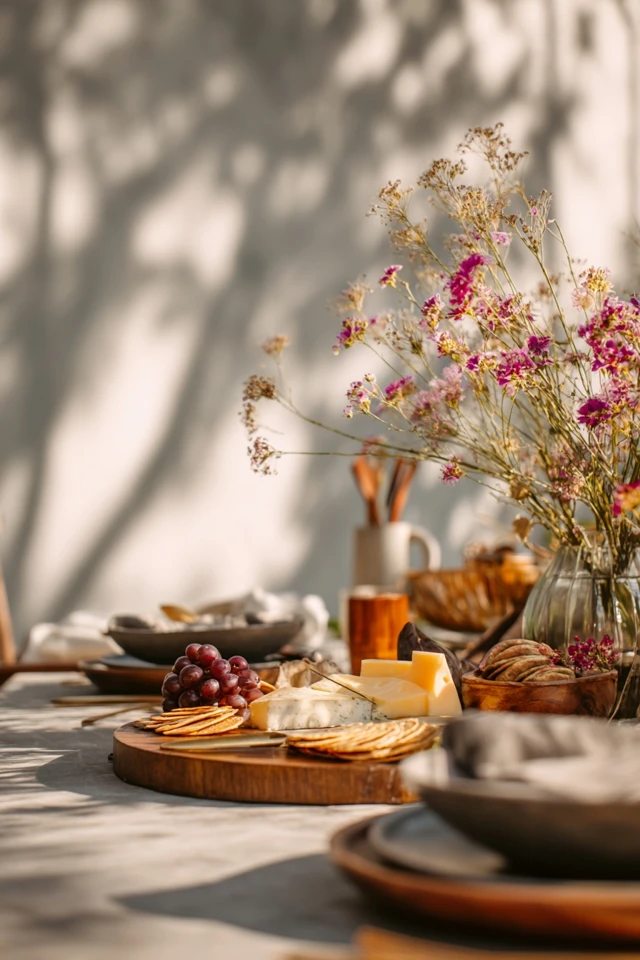
A picnic feels richer when your hands and eyes get different things: a soft wool throw, a woven jute rug or rattan placemats, a smooth ceramic plate. Glossy and matte surfaces play off each other, because a shiny pitcher catches light while a matte bowl absorbs it.
Keep one thread running through the mix, such as a repeated color or a single wood tone, so unrelated pieces look chosen. For a family with pets, favor washable cotton and linen and tight weaves that fur doesn't cling to, and keep a lint roller nearby.
Which picnic trends are worth trying?
The ideas I see working best are modular seating you can rearrange, reusable wraps and napkins instead of disposables, and snack boards arranged on one tray. They're practical, they cost little, and they don't date quickly.
As an architect, I'd treat any trend as an accent. Put a bold print on cushions and leave the blanket, tray and lighting in natural materials like wood, linen and ceramic. If you'd rather take the picnic outside, the Japanese backyard ideas are a calm setting for one.
Quick styling checks before guests arrive
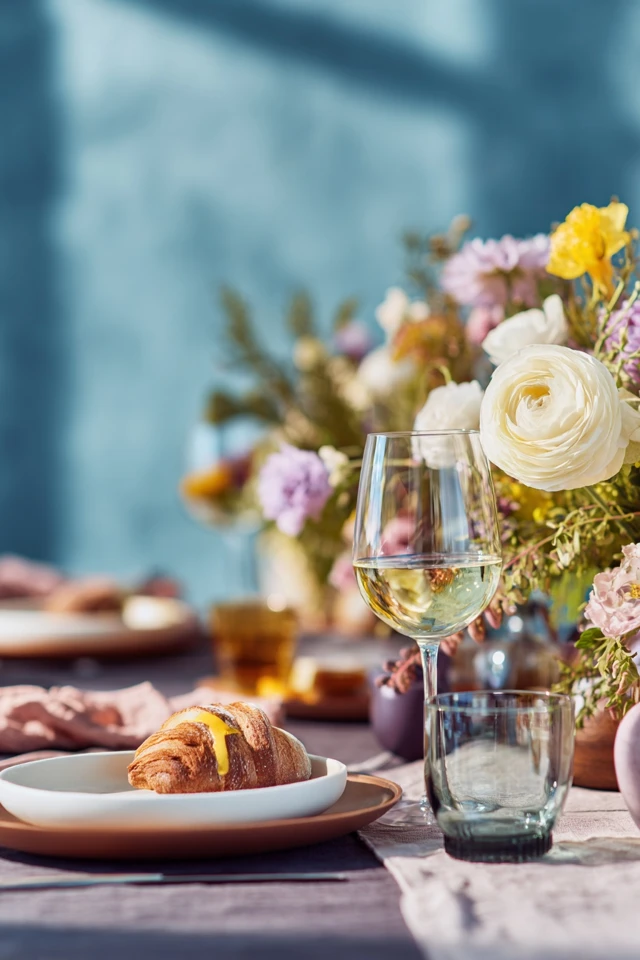
- Pair a large pattern (blanket) with a small one (napkins) so they don't compete.
- Add a few potted herbs or a small bouquet for something green at eye level.
- Put plates and bowls within easy reach so nobody has to twist or stretch.
- For evening, mix battery candles with one warm lamp. For daytime, use sheer curtains to soften harsh sun.
- Take a quick photo of the setup at different times of day to see which version you like best.
If you're working with a basement or a room with little daylight, warm lamps matter even more. These basement bedroom ideas show how to layer light in low-light rooms.
Frequently asked questions
How can I make a small room feel larger for a picnic?
Use low furniture, one rug to define the zone, and light, soft colors. A tall plant or a lamp draws the eye upward, and clear floor paths keep the room from feeling crowded.
How do I mix patterns without creating clutter?
Stick to one limited palette and vary the scale: a large pattern on the blanket, a medium one on cushions, a small one on napkins. Add a solid piece so the eye has somewhere to rest.
Which materials are easiest to clean after an indoor picnic?
Washable cotton or linen, glazed ceramic and a wipeable tray handle spills best. Avoid delicate silks and loose-weave throws on the floor.
How can I make a home picnic more sustainable?
Use cloth napkins and reusable wraps, buy secondhand baskets and trays, and choose natural fibers. Compost food scraps if your area allows it.
Filed under
ArticlesMeet the author
Written by an architect.
Julio Arco is a passionate architect with years of experience in architecture, interior design, urban design, and housing. He studied at prestigious universities across North America and Europe.

- Name
- Julio Arco
- Job
- Architect and online interior designer
- Studied
- Architecture, ITESM · Urban Design and Housing, McGill
- Partner
- Thor, Australian Shepherd
- Thor’s title
- Head of quality control