Scandinavian Kitchen Decor: Calm, Light, Lasting Ideas

By Julio Arco
Architect and online interior designer
In this post
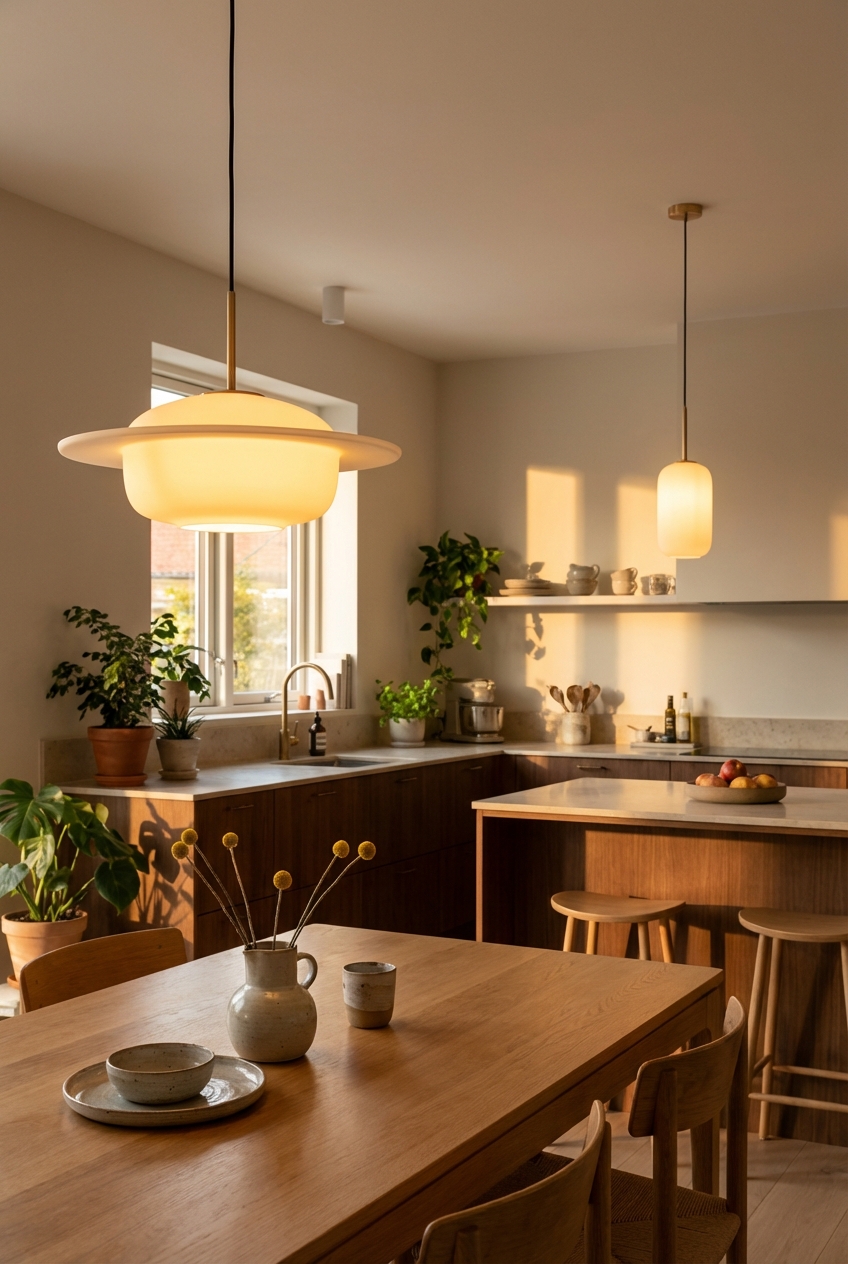
Scandinavian kitchen decor comes down to four things: a light, restrained palette, natural materials like pale wood and stone, layered lighting, and counters that hold only what you use daily. You don't need a big room or a big budget to get there.
If your kitchen is dark, small or a bit chaotic, that's very common, and each of those problems has a practical fix below.
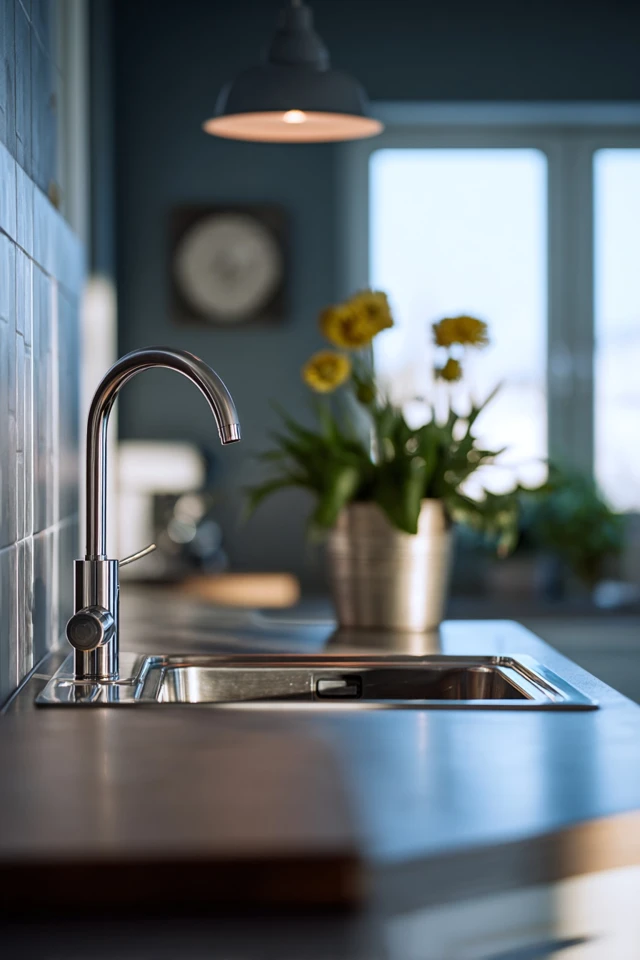
What defines a Scandinavian kitchen?
The style is built on function first, then calm. Cabinets are simple and flat-fronted, surfaces are matte or honed, and decoration is limited to a few objects that earn their place. Think of it as editing rather than adding.
Three principles do most of the work. Balance means visual weight is spread evenly, for example matching pendants over an island or cabinets that share the same height. Contrast stays gentle: warm wood against white, or black hardware on pale cabinets. Harmony comes from repeating a small set of colors and materials so nothing feels random.
Which colors work best?
Start with soft white, a warm or cool gray, and one wood tone. Lower-saturation colors tend to age better than bright ones, so if you like bold color, put it on something easy to change: a backsplash tile, a bowl, a single painted cabinet.
Light direction matters more than the paint name. A north-facing kitchen gets soft, cool light, so choose warm whites or creamy greige to balance it. A south-facing one can handle cooler tones. Tape large swatches to the wall and look at them in the morning, at midday and under your evening bulbs before you buy a gallon.
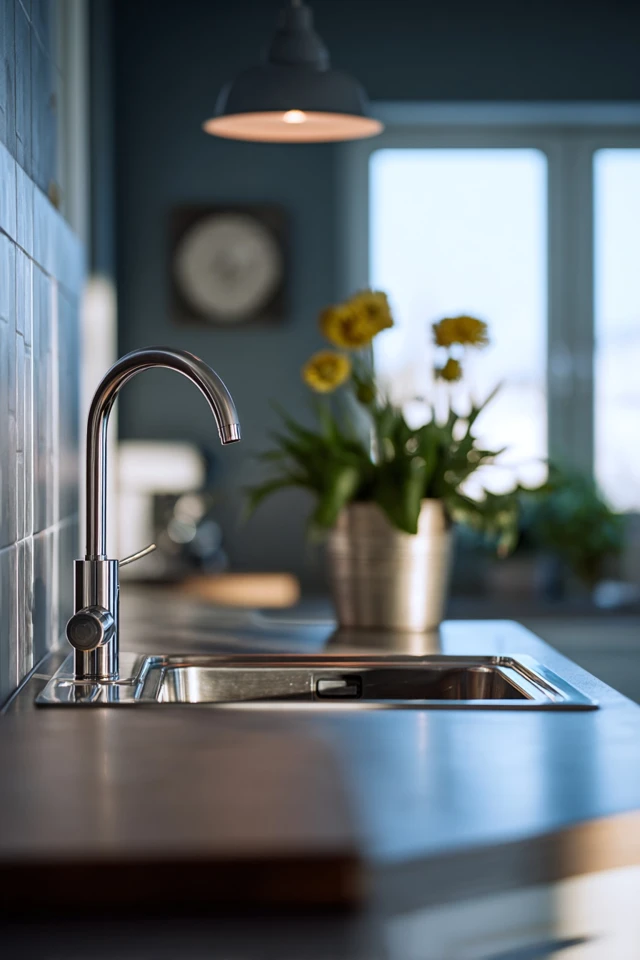
How should you lay out the kitchen?
Keep sink, stove and refrigerator within easy reach of each other, and leave about 36 inches for the main walkway so two people can pass. In an open plan, mark zones with lighting, a runner or a change in flooring instead of adding walls.
Open shelves or closed storage?
Use both. Open shelves for everyday plates and glasses keep the room light, but they need regular editing. Put pantry goods, small appliances and anything ugly behind doors. If storage is your bottleneck, the ideas in this small-space pantry post are worth a look.
Small kitchens
- Run tall, narrow cabinets up toward the ceiling for vertical storage.
- Add under-cabinet lighting so the counters aren't in shadow.
- Choose an island or table with storage that can do two jobs.
Large kitchens
Break the space into smaller pockets: a prep area, a coffee corner, a casual seat. Pendants over each pocket help it feel intimate instead of cavernous.
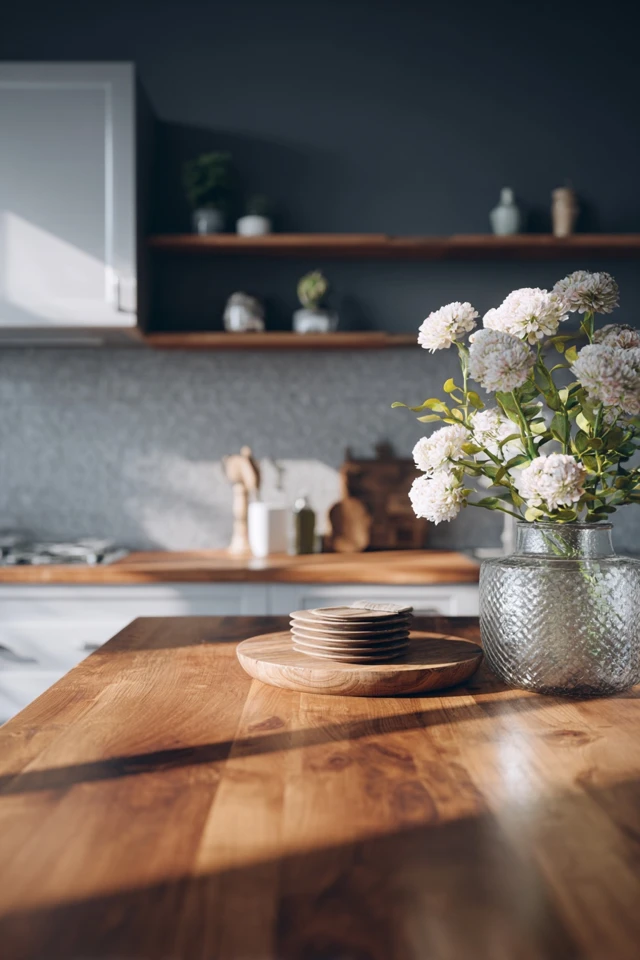
Which materials suit the style?
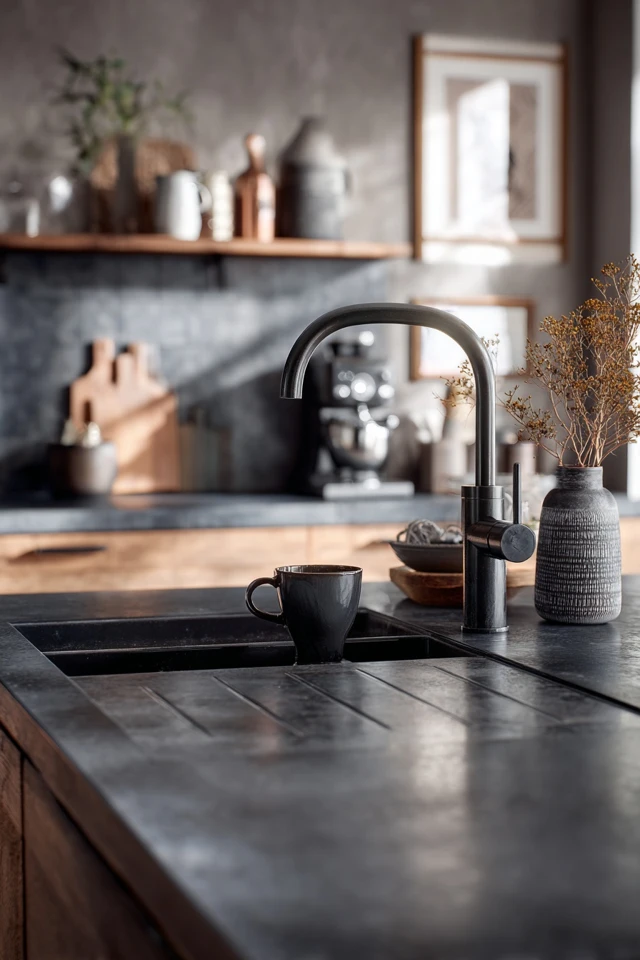
Light woods such as birch, ash and oak are the classic choice for cabinets, shelves and flooring. Honed or matte stone counters hide wear better than polished ones. If you pick soapstone, know it needs upkeep: Iowa State University Extension notes it doesn't need sealing but, like butcher block, should be oiled regularly.
For metals, brushed brass, matte black and stainless all work. Brushed finishes read softer than polished ones and sit well next to wood.
Textiles add warmth and absorb sound in a hard-surfaced room. A wool or cotton runner by the sink is nice underfoot, but keep it flat and low. The U.S. Access Board points out that thick, cushiony or loose carpet impairs accessibility, particularly for wheelchair users, and it's also a trip hazard for people and for dogs skidding in for dinner. As an architect, I'd choose a thin, washable runner with a non-slip backing.
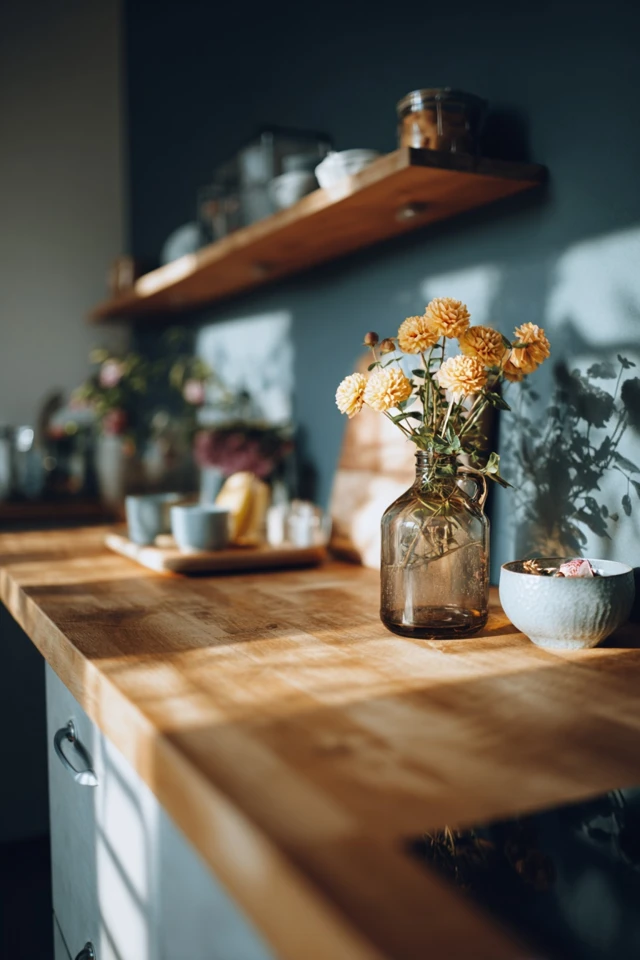
How do you light a Scandinavian kitchen?
Layer three kinds of light. Ambient light comes from ceiling or recessed fixtures, task light from under the cabinets, and accent light from pendants or a wall lamp. Put the layers on separate switches or dimmers so the kitchen can go from bright prep mode to soft evening mode.
Keep window treatments minimal. Sheer linen or nothing at all lets in as much daylight as possible, which is the point of the whole style.
Can you mix Scandinavian with an eclectic look?
Yes, and it's a popular direction. A modern eclectic kitchen keeps clean lines and then layers in varied colors, textures and objects from different periods. A Scandinavian base is a good starting point because the calm backdrop lets a few bold pieces stand out.
These eclectic kitchen design tips keep it from turning messy:
- Fix the large surfaces (cabinets, counters, floor) in your restrained palette first.
- Add personality with small, swappable things: a patterned tile, a vintage stool, a colorful ceramic.
- Limit yourself to two or three patterns and vary their scale.
- Repeat one color or metal in at least two places so the mix reads as intentional.
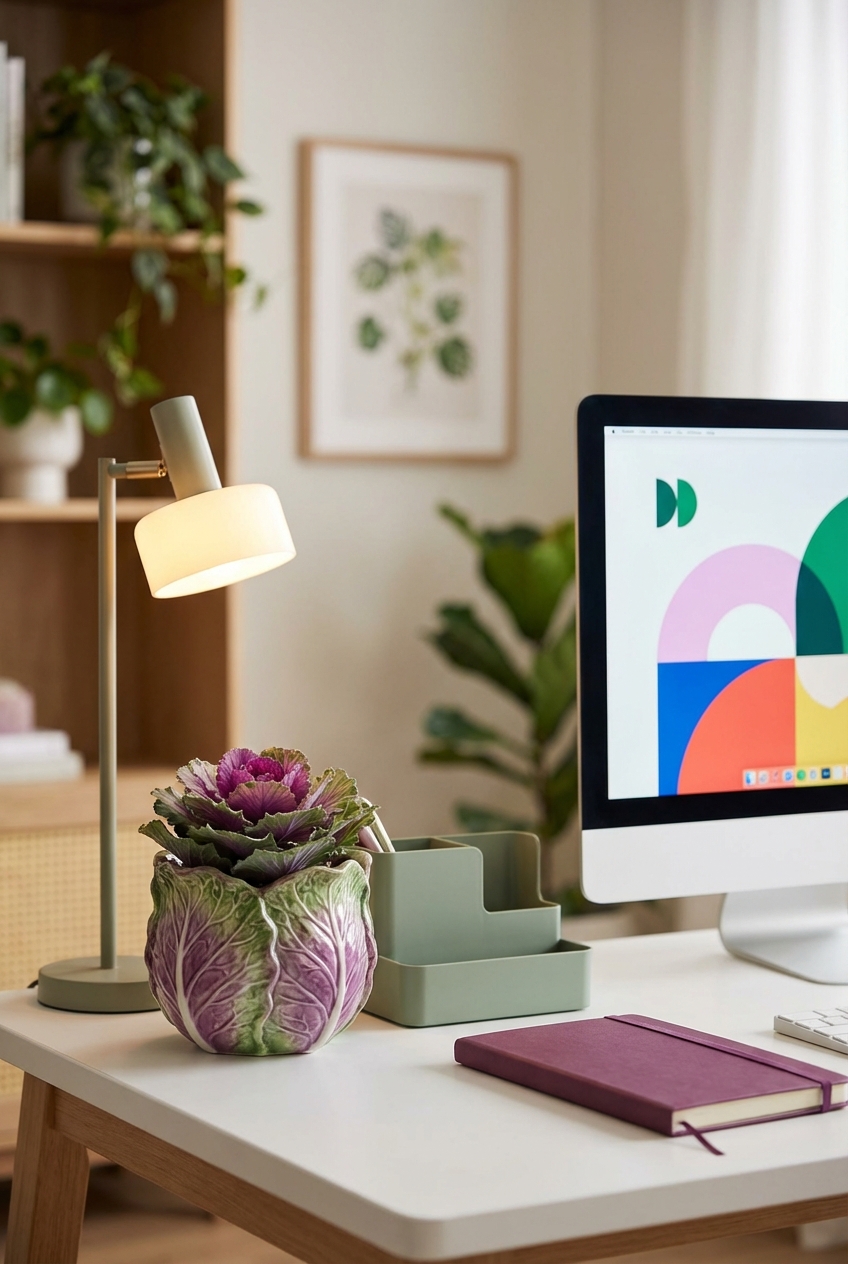
If you're wondering how to make a kitchen look eclectic without losing the Scandinavian calm, this is the formula. For a different take on mixing eras, see the modern Victorian kitchen and pastel kitchen posts.
What can you do this weekend?
- Gather paint chips, a wood sample and a fabric scrap, and look at them together in your kitchen's natural light.
- Clear the counters down to daily essentials and move small appliances into a lower cabinet.
- Style one open shelf: group objects in odd numbers, mix tall and low items, and add a plant such as pothos or basil. If you have a dog or cat, check with your vet before choosing any plant they can reach.
- Swap one fixture or piece of hardware. Matte black or brushed brass handles are an easy, reversible update.
If you like warmer, more textured cabinetry alongside pale walls, the rustic kitchen cabinets post shows how wood can carry more of the look.
Frequently asked questions
What is modern eclectic style?
It pairs clean, contemporary lines with a deliberate mix of colors, textures, periods and decor. The result feels collected rather than matched, as long as a few elements repeat to tie it together.
How can I make a small kitchen feel larger without remodeling?
Use a light, low-saturation paint on walls and cabinets, add under-cabinet lighting, and keep counters mostly clear. A little glossy tile or glass reflects light, but use it sparingly.
What paint colors work best in a north-facing kitchen?
Warm neutrals such as creamy white, soft greige and muted beige offset the cool light. Test large samples at different times of day first.
Are open shelves practical for families?
They can be, if you keep only durable, everyday dishes on them and store breakables behind doors. Expect to wipe them more often than closed cabinets.
Filed under
ArticlesMeet the author
Written by an architect.
Julio Arco is a passionate architect with years of experience in architecture, interior design, urban design, and housing. He studied at prestigious universities across North America and Europe.

- Name
- Julio Arco
- Job
- Architect and online interior designer
- Studied
- Architecture, ITESM · Urban Design and Housing, McGill
- Partner
- Thor, Australian Shepherd
- Thor’s title
- Head of quality control