Affordable Calendar Ideas for Walls, Desks and Entryways

By Julio Arco
Architect and online interior designer

In this post
The most affordable calendar setup is a simple paper or printed grid, hung at eye level where you already stop during the day: by the door, above the desk or next to the fridge. Add a frame, a cork strip or a magnetic strip and it looks intentional for very little money.
A calendar is a small piece of wall furniture. Where it hangs, how big it is and what surrounds it decide whether you use it or ignore it. Below are the placements, materials and styling tricks I'd start with.

Where should you hang a calendar?
Put it where you pause. A calendar in a hallway you walk through at speed gets skipped, while one beside the place you drop your keys gets read every day. Measure the wall first, then decide.
- Entryway: pair the calendar with hooks, a small shelf and a mail tray so leaving the house takes one stop instead of four.
- Home office: mount a large grid above the desk with a cork strip or magnetic bar beside it for quick notes. If you're planning the rest of the wall, budget office shelving ideas pair well with it.
- Kitchen: hang it near the fridge or pantry for meal planning. A laminated weekly page and a dry-erase marker can be reused every week.
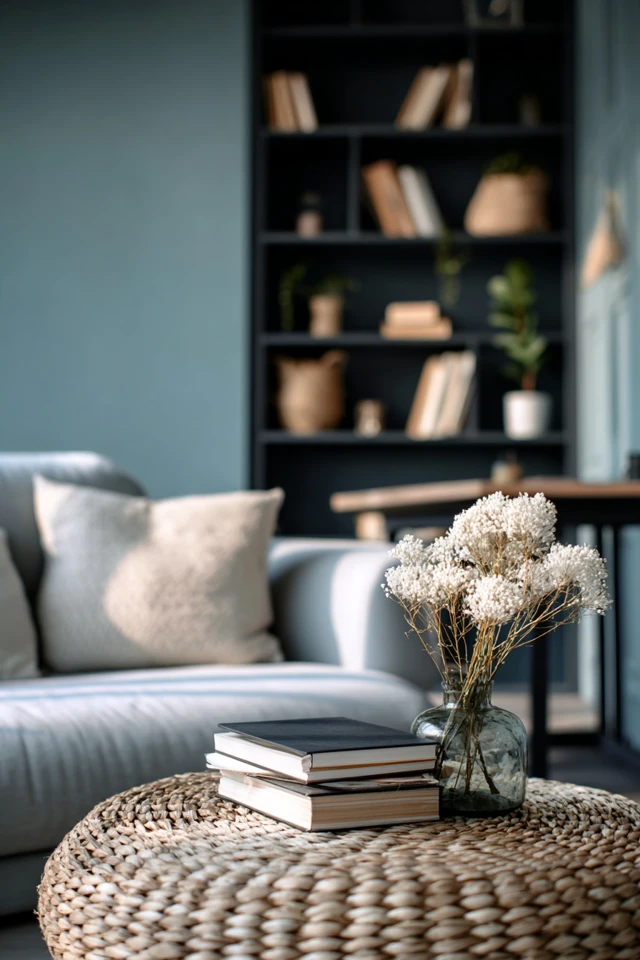
- Living room: if the calendar is decorative, treat it like art. Frame it, hang it at eye level and balance it with a plant or a lamp.
In a small space, choose a narrow vertical calendar and keep the floor clear. A larger room can handle a gallery-style group or a few panels that echo the furniture below.
How big should a wall calendar be?
Scale it to the wall, not to the paper it came on. A tiny calendar on a big wall looks lost, and an oversized one in a narrow corridor feels crowded. As a rule of thumb, a statement calendar can take up roughly a third of the free wall width above a console or desk, and a working calendar can be smaller if it sits inside a cluster of other items.
Legibility matters more than size. If you can't read the dates from the spot where you usually stand, move it closer or pick a larger grid.
Which budget materials work best?
You don't need to buy a designer calendar. These cost little and hold up to daily handling:
- A cork panel, painted to match the wall, split into zones with tape or thin ribbon.
- Magnetic paint under your finishing color, with magnets as date markers.
- A thrifted frame holding a printed monthly grid, written on directly over the glass with dry-erase markers.
- A plain paper calendar color-coded with washi tape, one color per person or task type.

Renters can use adhesive hooks and strips instead of nails. If you live with a dog or cat, hang things above tail and nose height, and keep small magnets and pushpins out of reach. If a pet swallows one, call your vet.
What colors and finishes make a calendar easier to use?
Contrast does most of the work. Dark text on a light page, or a pale page on a muted wall, reads quickly from across the room. Cool tones such as soft blue or muted green suit a home office, while warmer shades suit a kitchen. If you like yellow near the fridge, see what colors go with yellow for pairings.
Finish changes glare. Glossy surfaces bounce light and can make dates hard to read at certain angles, while matte surfaces absorb it and stay readable all day. For that reason I recommend matte paper or non-glare glass in any room with a big window.

Combine two or three materials so the area has depth. A matte painted wall, a wood frame and brass clips look layered without costing much, and wood or metal repeated from nearby furniture ties the corner together.
How often should you change seasonal decor around a calendar?
Every few months is enough. Swapping a print, a colored tab or a small vase four times a year keeps the corner fresh without a big spend or a storage problem. Anything that changes monthly turns into a chore you'll quit.
Mixing seasonal decor with everyday pieces works best when the base stays neutral: a plain frame, a calm wall color and a permanent plant. Then the season arrives through one or two small items. Keep seasonal decorations for home on the small side near a calendar, so they never cover the dates.

How do you make it look styled, not cluttered?
- Keep everything related to planning in one spot, including bins or trays for bills, filing and to-dos.
- Add a small picture light or sconce above the calendar if the wall is dim. It helps legibility and gives the corner a warm focal point.
- Put a trailing plant on a shelf beside it. Pick one that is safe for pets, and check with your vet or a reliable pet-plant list if you're unsure.
- Keep personal items to a few: a photo, a postcard or a family object. More than that and the calendar disappears.
If the rest of the room is still empty, affordable Ikea alternatives can fill in shelves and frames without stretching the budget.
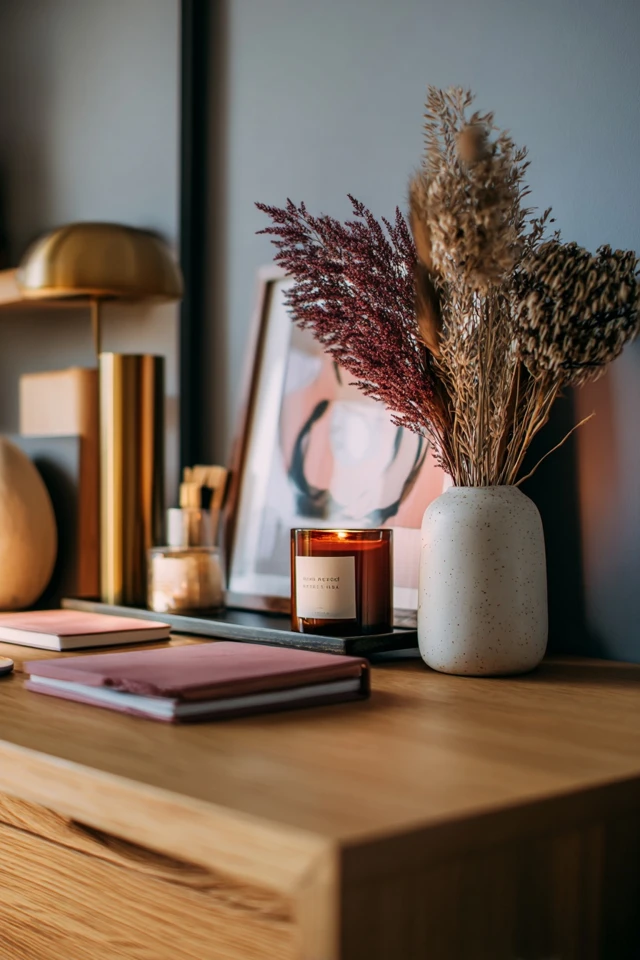
My recommendation for a first attempt: print a monthly grid, put it in a frame you already own, hang it by the door and add one hook and a small tray. Live with it for a few weeks and move it if you find yourself walking past it.
Frequently asked questions
How can I make a calendar area work in a small room?
Choose a narrow vertical calendar and hang it at eye level so it doesn't take floor space. Keep the frame light and the colors close to the wall so the area stays calm.
What are low-cost materials for a durable calendar wall?
Cork, magnetic paint, a thrifted frame with glass and laminated paper all hold up well and cost little. Adhesive hooks and strips avoid wall damage if you rent.
How do I keep a family calendar from turning into chaos?
Give each person a color and a zone, and keep the calendar in a spot everyone passes daily. A weekly check-in at the same place keeps it current.
What are some ideas for seasonal decorations next to a calendar?
Swap a small print, a colored tab or a vase of seasonal stems every few months. Keep the frame and wall neutral so the change stays small and easy.
Filed under
ArticlesMeet the author
Written by an architect.
Julio Arco is a passionate architect with years of experience in architecture, interior design, urban design, and housing. He studied at prestigious universities across North America and Europe.

- Name
- Julio Arco
- Job
- Architect and online interior designer
- Studied
- Architecture, ITESM · Urban Design and Housing, McGill
- Partner
- Thor, Australian Shepherd
- Thor’s title
- Head of quality control