Basement Office Ideas: Layout, Light and Style Tips
Basement office ideas that work: how to handle low light, echo and moisture, plus layouts, colors and a quick look at garage conversions and permits.

By Julio Arco
Architect and online interior designer
In this post
Yes, a basement can make a very good office. It's quiet, it's away from household traffic, and it usually has more floor area than a spare bedroom. The trade-offs are limited daylight, low ceilings, echo and moisture, and every idea below is aimed at one of those four.
If your basement feels more like storage than workspace right now, that's normal. Most of the work is lighting, surfaces and layout, not construction.
Is a basement good for an office?
For most people, yes. A basement gives you privacy, decent sound separation from the floors above, and a stable temperature. Those are the same reasons people choose it for calls and focused work.
Check three things before you buy furniture:
- Moisture: look for stains, a musty smell or efflorescence (white powder) on walls. Fix leaks first.
- Ceiling height: low ceilings work fine for desk work, but they limit tall shelving and standing desks.
- Exit: keep the route to the stairs and any egress window clear. If you're finishing walls, adding electrical circuits or changing the structure, hire a licensed professional and check local code.
How to make an office in a basement
Map what you do there
List your activities: focused desk work, video calls, storage, maybe a reading chair. Then place the desk first. If there's a window or well, put the desk where you can see it, with the screen at a right angle to it to cut glare.
Leave room to move
Keep about 30-36 inches for main walkways. In a small basement, use a compact desk with drawers, floating shelves and wall-mounted storage so the floor stays open. Rugs can mark a work zone and a lounge zone without any walls.
Set up the desk for your body
A nice room doesn't help if your shoulders hurt by 3 p.m. OSHA's computer workstation guidance says the top of the monitor should sit at or just below eye level. It also explains that working in a neutral position reduces stress and strain on muscles, tendons and the skeletal system. As an architect, I'd buy a good chair before a statement desk.
Lighting for a productive basement workspace
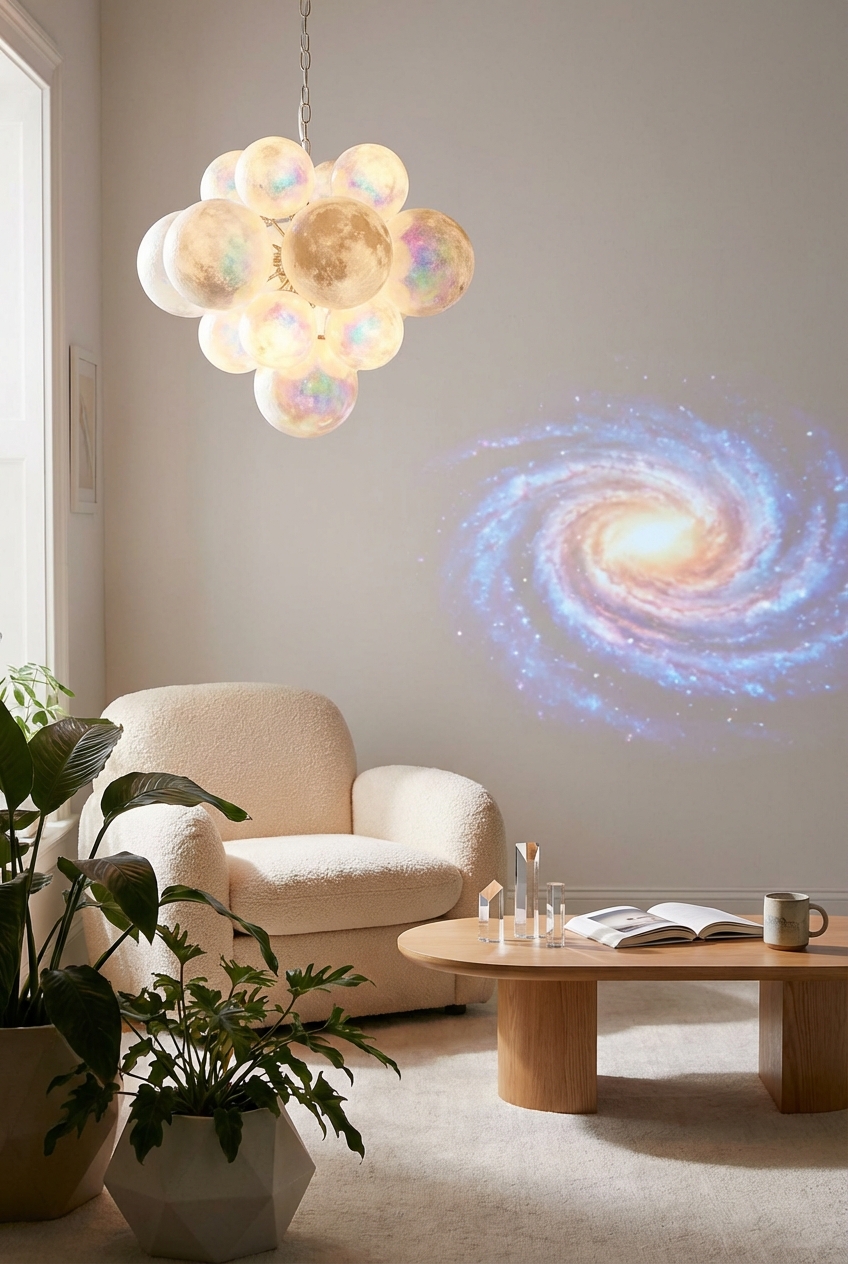
Light is the biggest design lever in a basement. Use three layers: ambient light from flush or recessed fixtures, a task lamp at the desk, and a little accent light (a sconce or picture light) so the walls don't go dark.
LEDs suit this well. The Department of Energy notes that good-quality white LED products are expected to last 30,000 to 50,000 hours or longer, so you won't be changing bulbs on a ladder in a low room often.
Color temperature matters for mood. Cooler light feels alert, warmer light feels relaxed. The DOE explains that correlated color temperature is one of the primary metrics used to describe the visual appearance of light. I recommend warmer light (around 2700-3000K) for lounge corners and a neutral white at the desk. The Department of Energy also states that "Light plays a key role in setting and regulating the body's biological clock." If your basement is your only office, dim it in the evening.
Basement home office design: color, texture and style
Color
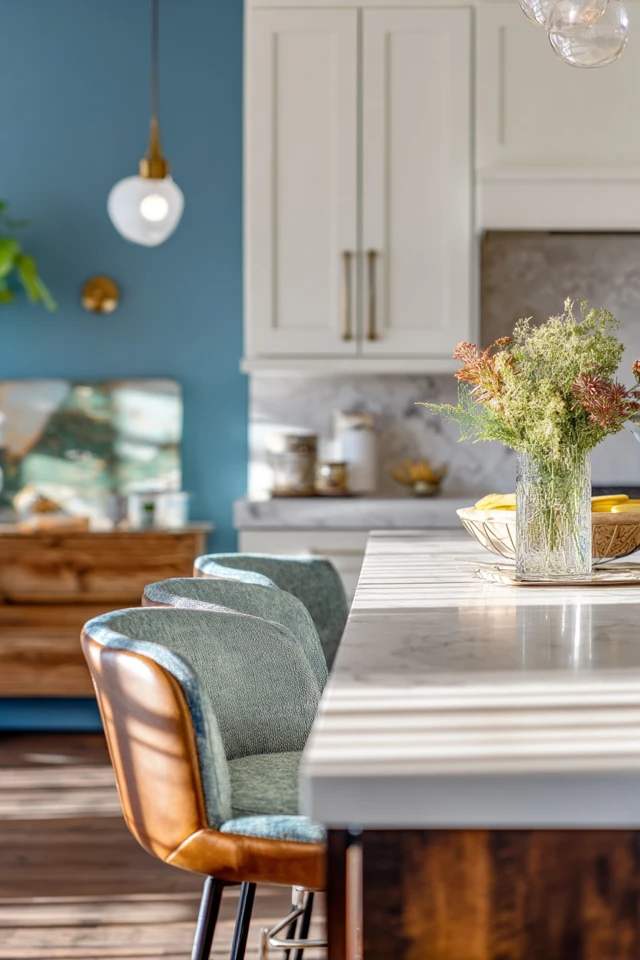
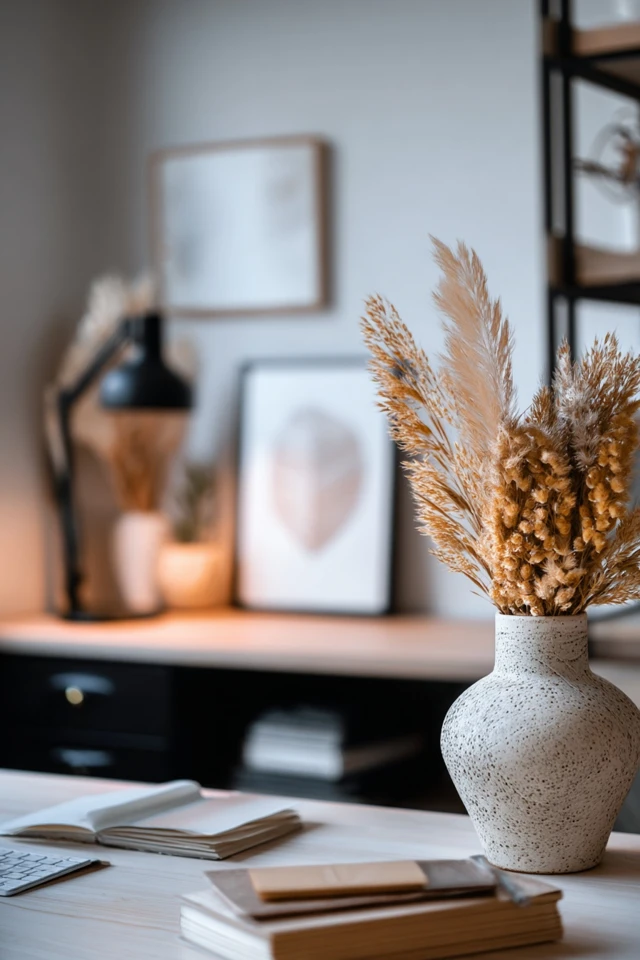
Light, soft colors make a low ceiling feel taller. Pale warm whites, soft greige and muted blue-greens all work. A deeper color behind the desk gives video calls a good backdrop, and you can pair it with a lighter ceiling. Keep the dominant color on the walls, a second one on the floor and large furniture, and save bright tones for accessories.
Texture and materials
Hard basement surfaces bounce sound. Rugs, curtains, upholstered seating and a full bookshelf all soften echo. Acoustic panels or cork tiles help further if calls are a big part of your day.
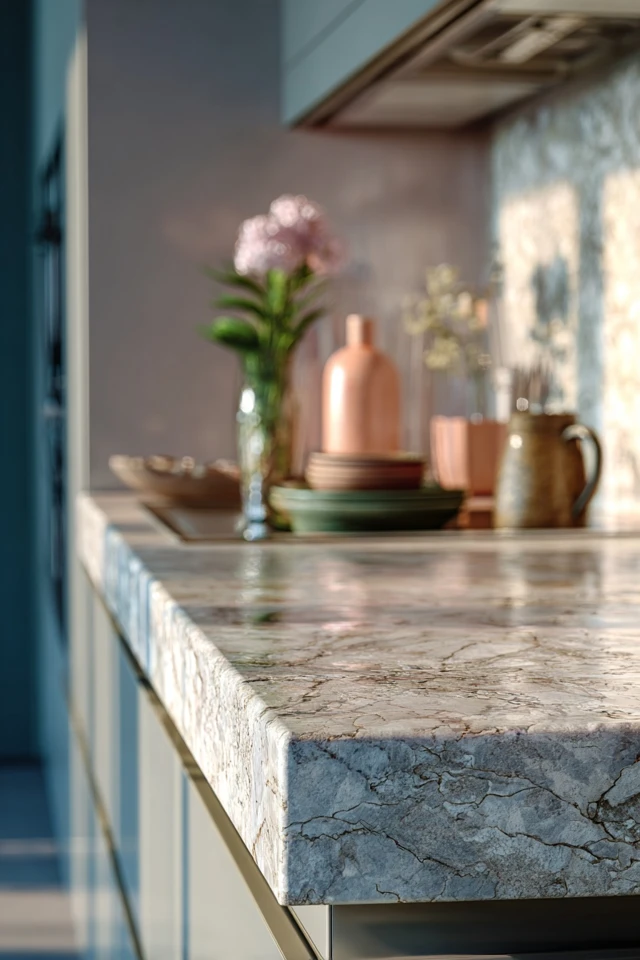
Choose moisture-tolerant finishes: wood-look porcelain tile or engineered planks instead of solid hardwood on a slab, and cabinetry that won't swell. Low-VOC paint is a sensible pick in a room with limited ventilation. If a dog shares the space, wipeable fabrics and a washable rug will save you trouble.
Styles that suit basements
- Minimalist: few pieces, closed storage, hidden cables. It keeps a low room from feeling crowded.
- Industrial: blackened metal, concrete-look surfaces and warm bulbs. Our black home office ideas show how dark walls can work.
- Natural: wood tones, woven baskets and low-light plants such as snake plants or ZZ plants. Check with your vet before bringing in plants if your pet chews greenery.
- Multipurpose: a desk plus a lounge or hobby corner, like the one in our home art studio ideas.
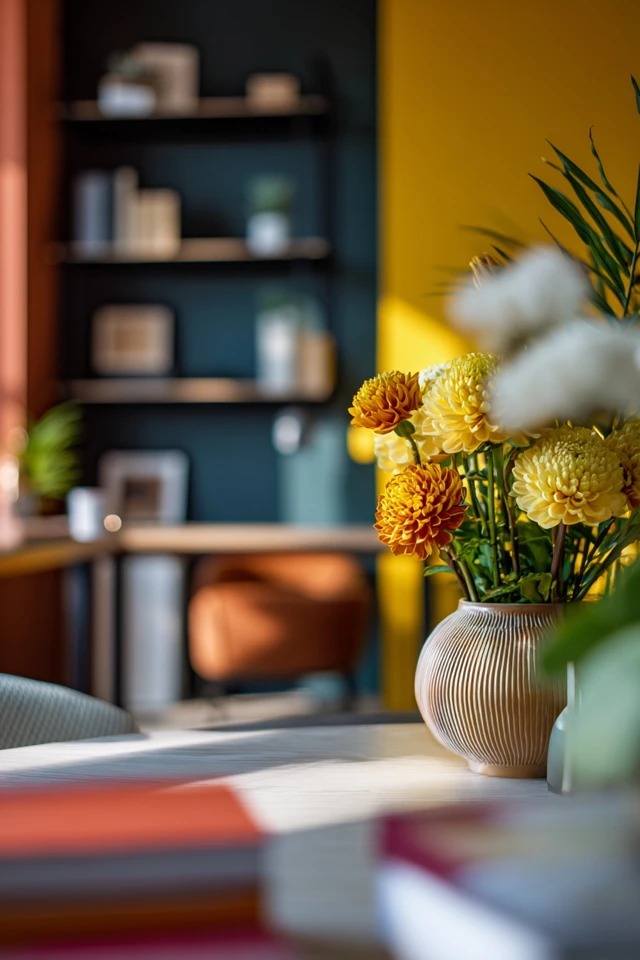
For more layouts and finishes, see our basement office styling guide.
Small touches that make a big difference
- Hang a mirror across from a light source to bounce light deeper into the room.
- Use vertical art or tall shelves to draw the eye up.
- Run cables through trays or clips so the desk stays calm.
- Swap throws, vases or art seasonally for a fresh look at low cost.
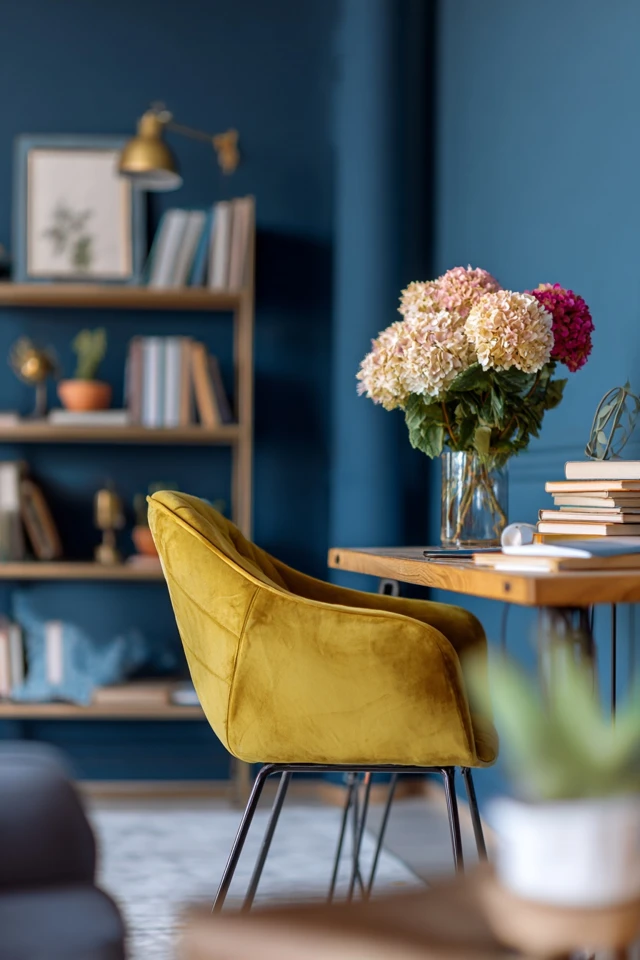
Garage office ideas and permission
A garage can work too, but it needs more than a desk. You'll usually need insulation, a proper floor, heating and cooling, and enough electrical capacity. Most of the design advice above (layered light, soft surfaces, clear walkways) applies equally.
Permission depends on where you live. Converting a garage into a habitable room often requires a building permit, and rules about parking, zoning and insulation vary by city and county. Call your local building department before you start, and use a licensed contractor for electrical and structural work.
Frequently asked questions
Is basement good for offices?
Usually yes. Basements are quiet and private, but they need good layered lighting, moisture control and a clear exit route to work well.
Can you have an office in your garage?
Yes, if it is insulated, heated or cooled, and has adequate power and lighting. Some conversions need permits and a licensed electrician.
Do I need permission to convert my garage into an office?
Often yes, especially if the work changes the structure, electrical or use of the space. Rules vary locally, so ask your building department before starting.
How can I make a small basement office feel larger?
Use pale walls and ceiling, low-profile furniture, a mirror and wall-mounted storage. Keeping the floor clear does as much as any paint color.
Filed under
ArticlesMeet the author
Written by an architect.
Julio Arco is a passionate architect with years of experience in architecture, interior design, urban design, and housing. He studied at prestigious universities across North America and Europe.

- Name
- Julio Arco
- Job
- Architect and online interior designer
- Studied
- Architecture, ITESM · Urban Design and Housing, McGill
- Partner
- Thor, Australian Shepherd
- Thor’s title
- Head of quality control