Painted Picnic Table Ideas for a Colorful Yard

By Julio Arco
Architect and online interior designer
In this post
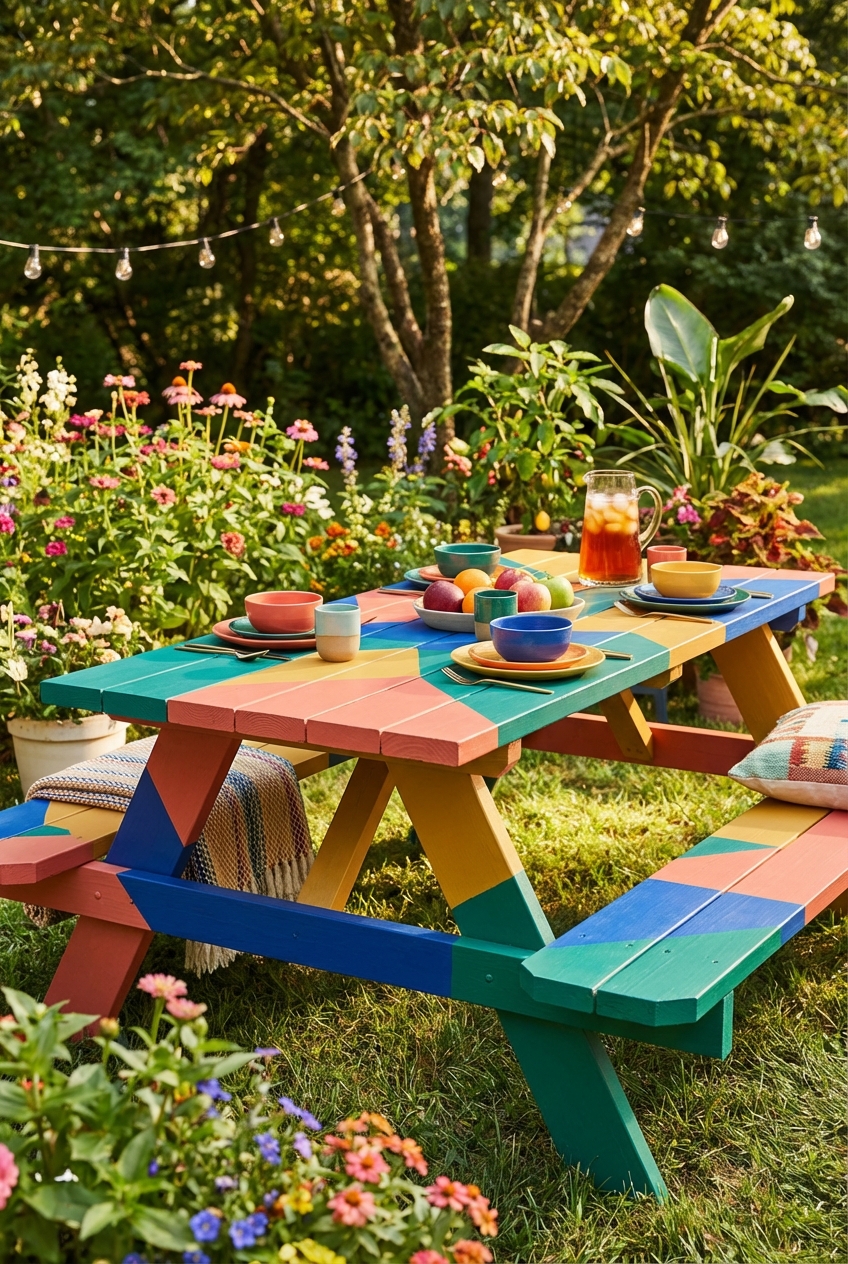
The best painted picnic table is a mid-tone color in a satin exterior finish, applied over a properly cleaned, sanded and primed surface. Color gets the attention, but prep decides whether the table looks good for several seasons or peels by August.
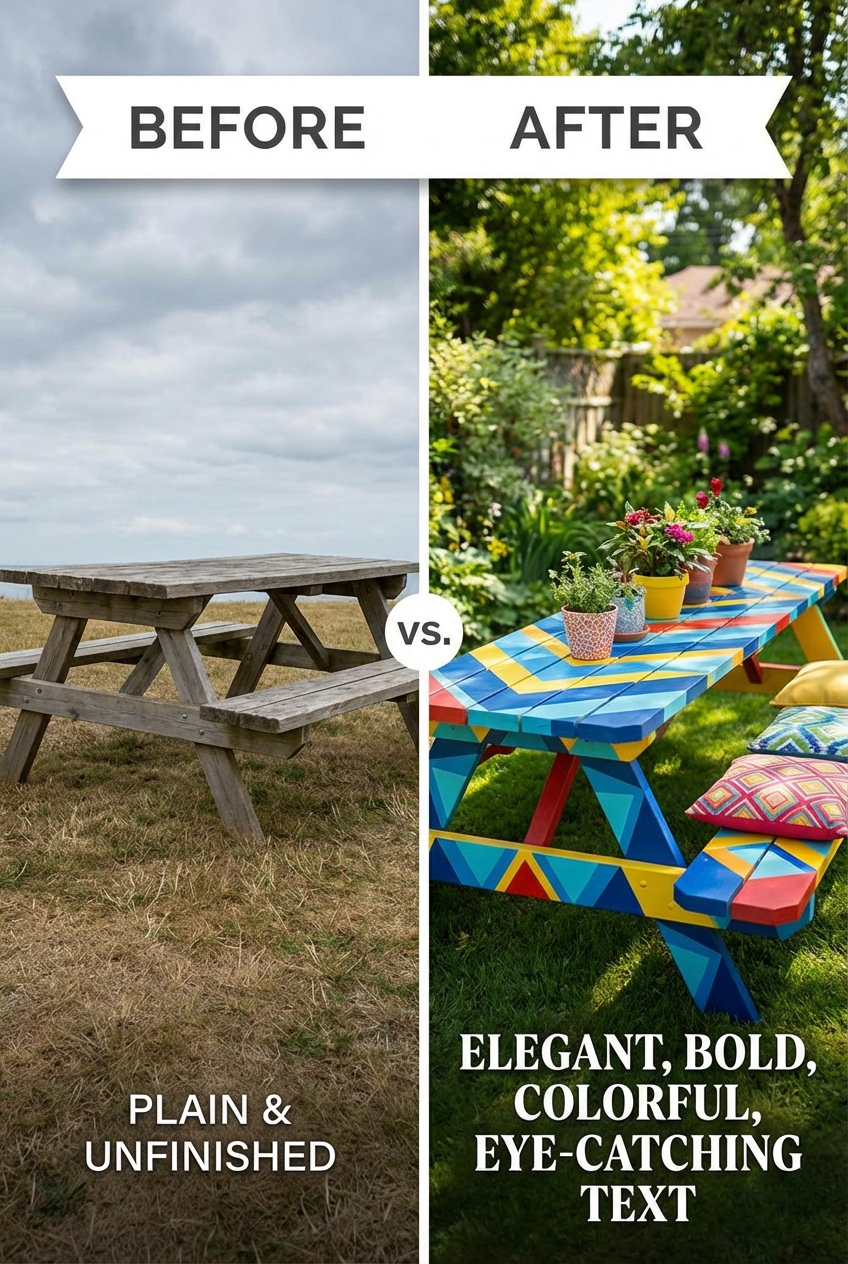
If your table is a tired brown relic (or one left behind by the previous tenants), a weekend and a gallon of exterior paint can turn it into the focal point of the yard. Here are the color ideas, the layout rules and the prep steps that make it last.
Which colors work best on a picnic table?
Think about where the table sits before you pick a hue. Light and dark extremes both cause trouble outdoors: a very pale table glares in midday sun, and a black or charcoal one gets hot enough to make bare legs unhappy on the benches. A mid-tone usually behaves best.
- Sunny patio: mint, sky blue or soft lavender read as cool and pair well with white umbrellas.
- Shady garden corner: marigold yellow or coral brings light into a dim spot, since dark colors disappear under trees.
- Modern deck: deep charcoal or navy, with the board edges painted a bright accent such as lime.
- Kids' play zone: rainbow stripes, or a tabletop in exterior-grade chalkboard paint that forgives spills and marker streaks.
- Natural yard: sage green or terracotta, so the table blends with plants and soil.
Colors look lighter and more washed out in full sun than on a paint chip indoors. I recommend testing a swatch on the underside of the tabletop and checking it at different times of day.
Why does the finish matter as much as the color?
Gloss reflects light and shows every dent, knot and sanding scratch. A satin or semi-gloss finish sheds water and wipes clean, and satin is more forgiving of imperfect wood. Flat finishes hide flaws but hold on to dust and pollen.
If you go bold with a solid color like emerald, soften it with natural textures: linen runners, clay pots, a galvanized tray. That contrast is what makes a painted table look styled instead of just painted.

Where should you place a painted picnic table?
A table floating in the middle of a lawn looks small and disconnected. Anchor it near the house, a hedge or a patio edge, and give it a defined spot.
How much clearance does it need?
Leave about 36 inches on every side so people can slide onto the benches without hitting a fence, planter or wall. On a deck or patio, treat that as a minimum.
What size rug goes under it?
An outdoor rug should extend roughly 12-18 inches past the benches when people are seated. For a standard 6-foot table, an 8x10 or 9x12 rug is usually the right size. A smaller rug makes the setup look cramped.
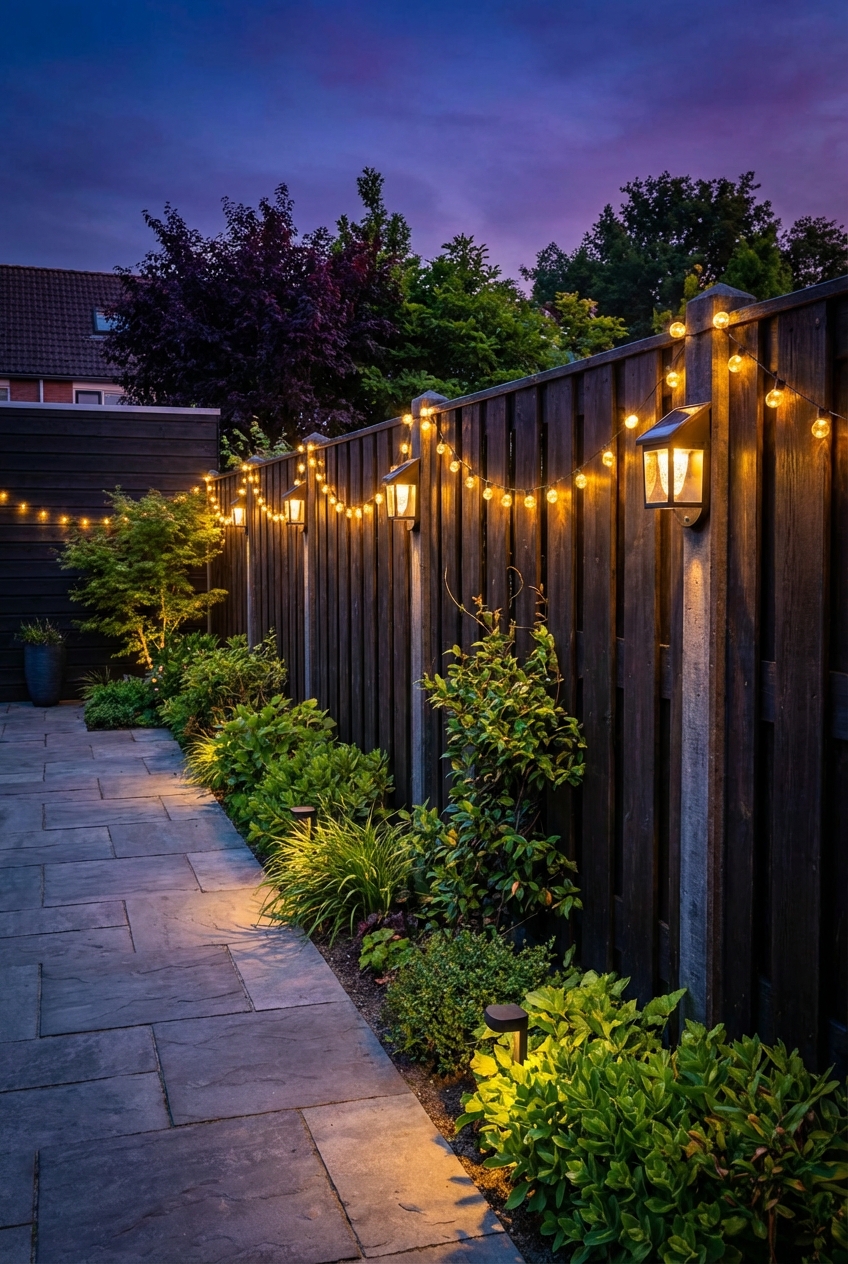
How high should string lights hang?
Hang the lowest point about 7-8 feet above the ground. Tall guests clear it, and the light still lands warmly on the tabletop. If the ground around the table is loose gravel, our post on decomposed granite landscaping covers a firm, tidy surface for chair and bench feet.
How do you separate dining from lounging?
Use the table color to mark the dining zone. A navy table against a gray house, for example, reads as distinct from a fire pit area nearby, which helps a large yard feel organized. For more ways to set up a backyard meal, see these home picnic trends.
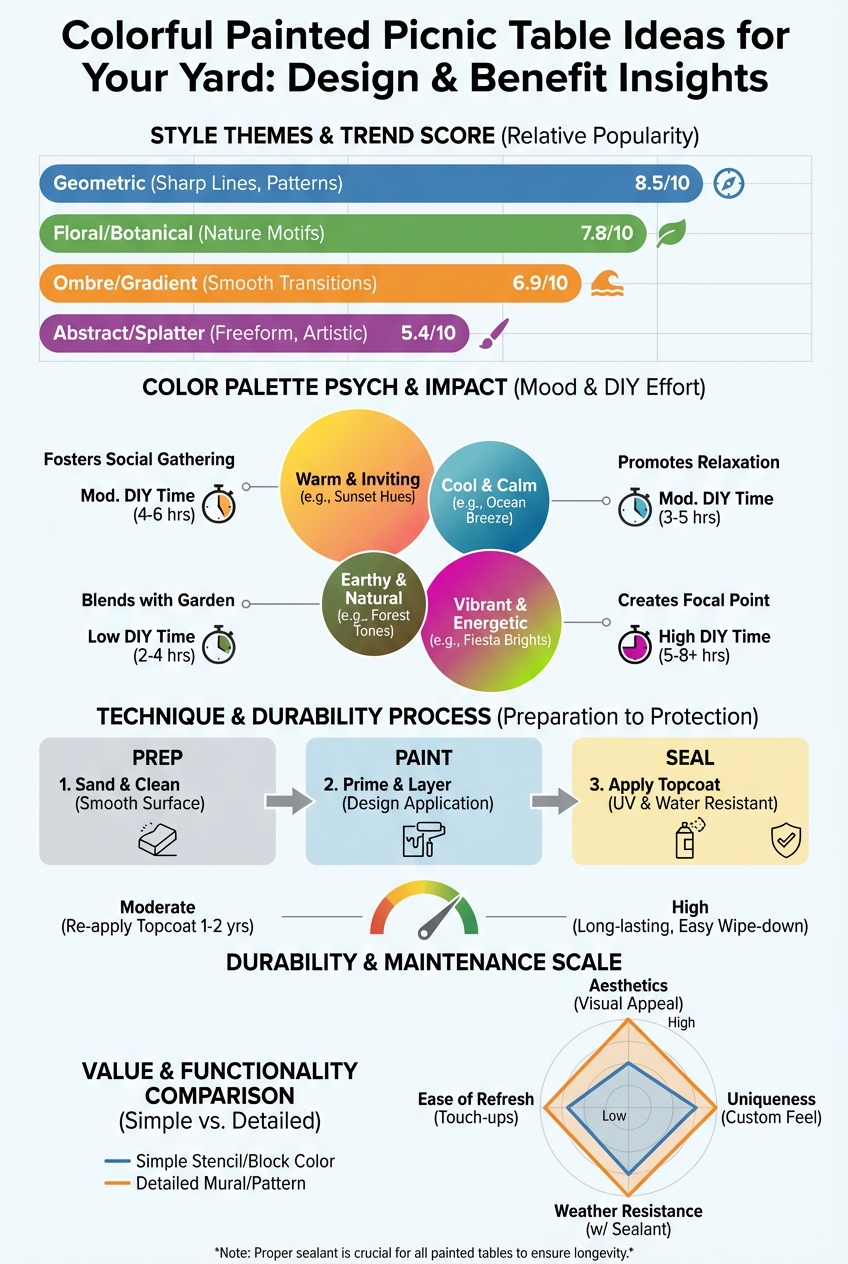
How do you paint a picnic table so it lasts?
- Clean it. Scrub with deck cleaner or mild dish soap and water. For mildew, a diluted bleach solution works. Then let the wood dry completely, which can take a couple of days.
- Scuff sand. You don't need bare wood. Start with 80-grit to remove loose fibers and flaking finish, then 120-grit on seats and the tabletop so the paint has something to grip.
- Remove dust with a tack cloth or damp microfiber rag. Leftover dust makes paint gritty and likely to peel.
- Prime with exterior-grade primer, paying attention to end grain, where moisture gets in. Cedar and redwood need a stain-blocking primer, because their natural tannins can bleed through light paint as yellow-brown stains.
- Paint in two or three thin coats of exterior acrylic paint or solid-color stain. Thick coats bubble and crack in the sun.
- Seal the tabletop and benches with clear exterior polyurethane if you want extra protection from spilled drinks. Check the paint label first, since some products are already self-sealing.
The general technique is the same one used on indoor pieces, so this walkthrough on painting a nightstand is useful for brush and coat habits.
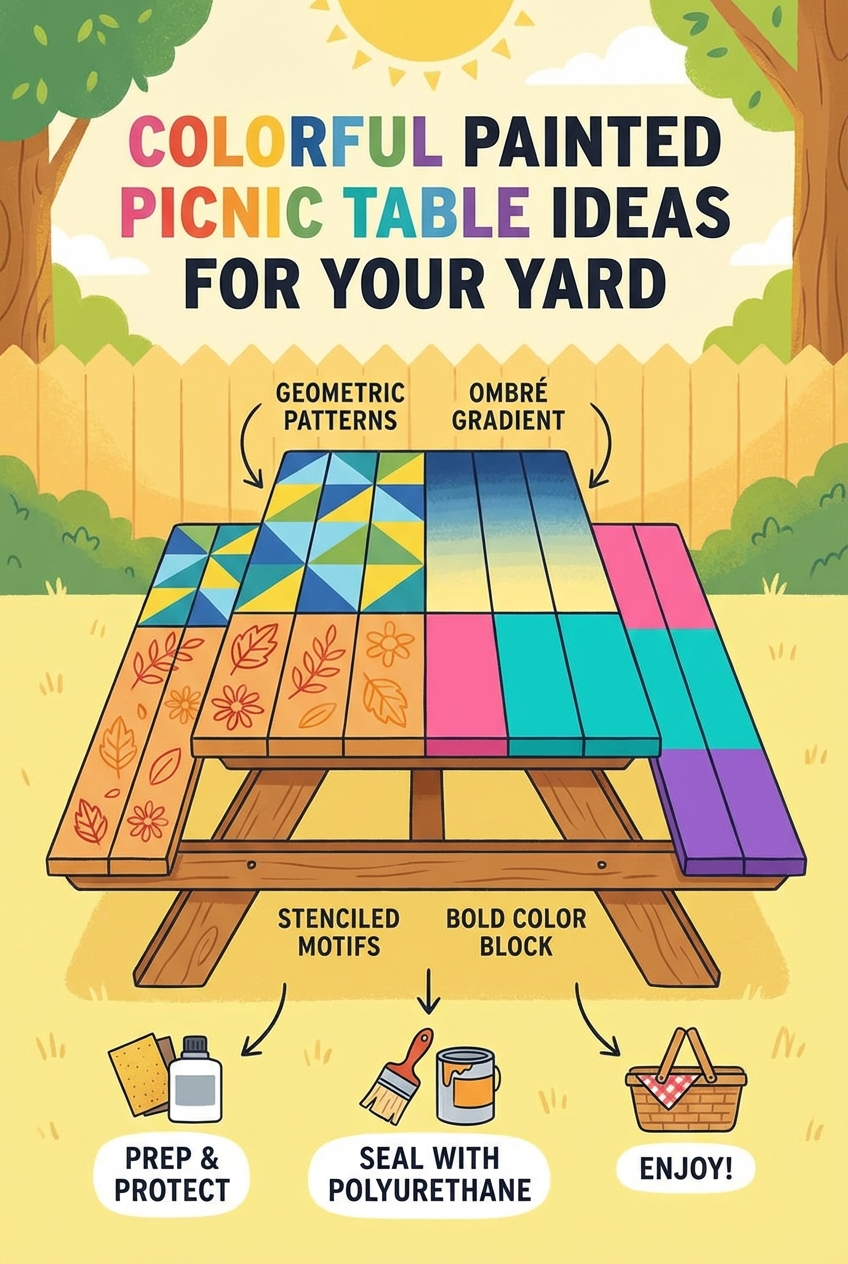
What mistakes ruin a painted picnic table?
Using indoor paint
Indoor paint lacks the UV and mildew resistance of exterior products. The label must say exterior or outdoor. If you've already used the wrong paint, sand it off and start again.
Painting damp wood
Trapped moisture turns to vapor in the sun and pushes the paint off in bubbles. A moisture meter is an inexpensive way to check, and the paint can will list the moisture limit it tolerates. Wait for a few dry days.
Skipping the underside
Wood takes on moisture from every side. Flip the table and prime and paint the underside and the bottoms of the legs, or the top coat will eventually crack from below.
Choosing a tacky paint
Some low-quality latex paints stay slightly sticky in heat, so plates and forearms stick to them. Look for "block resistance" on the label, or use a solid-color acrylic stain that dries harder.
Painting new pressure-treated wood
New pressure-treated lumber is saturated with treatment chemicals and moisture. Let it weather for a few months before painting, and follow the lumber and paint manufacturers' guidance.
What does it cost?
Refreshing a table you already own is cheap: paint, a sanding block and a decent brush. Some hardware stores sell mistinted paint at a discount, which is fine for a table. Buying a new unfinished pine table adds more, and a cedar or teak table costs considerably more again. The extra money buys better wood and longer-lasting stain, not better color, so spend where durability matters.
Small steps that save repainting
- Check the forecast for a stretch of dry weather and moderate temperatures. The paint can lists its temperature range.
- Put plastic glides or feet under the legs so wood isn't sitting in puddles or on wet grass.
- Tighten bolts before painting, and replace rusty ones.
- Round off sharp bench edges and sand out splinters, especially if kids or barefoot pets use the area.
- Keep a small jar of the paint for touch-ups after lawnmower nicks.
- Choose outdoor-rated table linens you can hose off.
If you also need seating that suits the color scheme, colorful dining chair sets can give you ideas for pairing hues.
Frequently asked questions
How long will a painted picnic table last?
With thorough cleaning, sanding and priming, a painted table can look good for several years. Harsh climates with heavy snow or salt air may need a fresh topcoat sooner.
Is a painted picnic table safe for food?
Let the paint cure fully, which can take a few weeks, and use plates, boards or a tablecloth instead of cutting directly on it. Check the can for low-VOC or food-contact labeling.
Can you paint a pressure-treated picnic table?
Yes, but new pressure-treated wood needs time to dry and weather first. Painting too early causes peeling.
What is the best way to clean a painted picnic table?
Use a garden hose, a soft sponge and mild soap. Avoid power washing, which can strip paint, and soften bird droppings or sap with a wet rag before wiping.
Can you use spray paint on a picnic table?
It suits small decorative accents, but it leaves a thin layer that wears quickly where people slide along benches. A brushed-on exterior paint holds up better on the main structure.
Filed under
ArticlesMeet the author
Written by an architect.
Julio Arco is a passionate architect with years of experience in architecture, interior design, urban design, and housing. He studied at prestigious universities across North America and Europe.

- Name
- Julio Arco
- Job
- Architect and online interior designer
- Studied
- Architecture, ITESM · Urban Design and Housing, McGill
- Partner
- Thor, Australian Shepherd
- Thor’s title
- Head of quality control