Playroom Ideas for a Guest Room That Also Hosts Play

By Julio Arco
Architect and online interior designer
In this post
- What should every playroom have?
- How do you set up a room that is a guest room and a playroom?
- Small playroom ideas and playroom ideas for small spaces
- Playroom storage ideas that kids can actually use
- Colors, materials and finishes
- Cool things to put in a playroom and kids playroom decor ideas
- Playroom ideas that grow with kids
- Frequently asked questions
If your spare room has to be a guest room and a playroom, the winning move is to give each use its own zone and keep everything off the floor when guests arrive. A daybed or sofa bed, low open storage and a washable rug cover most of it.
It's very common for a spare room to end up as a catch-all for toys, laundry and an air mattress, so don't feel bad if yours looks like that today. The ideas below work for a small alcove or a full bedroom, and none of them needs a renovation.
What should every playroom have?
A playroom needs five things: a clear floor, storage kids can reach, a soft place to sit, good light and a surface for drawing or building. Everything else is optional.
- A washable rug or foam tiles, so play happens on something comfortable.
- Low shelves and bins at child height, so cleanup is something a four-year-old can do alone.
- A daybed, sofa bed or floor cushions for reading and for guests.
- Ambient light from the ceiling plus a lamp for reading. Dimmers help when the room switches to bedroom mode.
- A small table or a wall-mounted drop-leaf desk.
If you have a dog, add one more: a spot for their bed that isn't in the middle of the block city. Check with your vet about anything small enough to be swallowed, because toys and dogs mix badly.
How do you set up a room that is a guest room and a playroom?
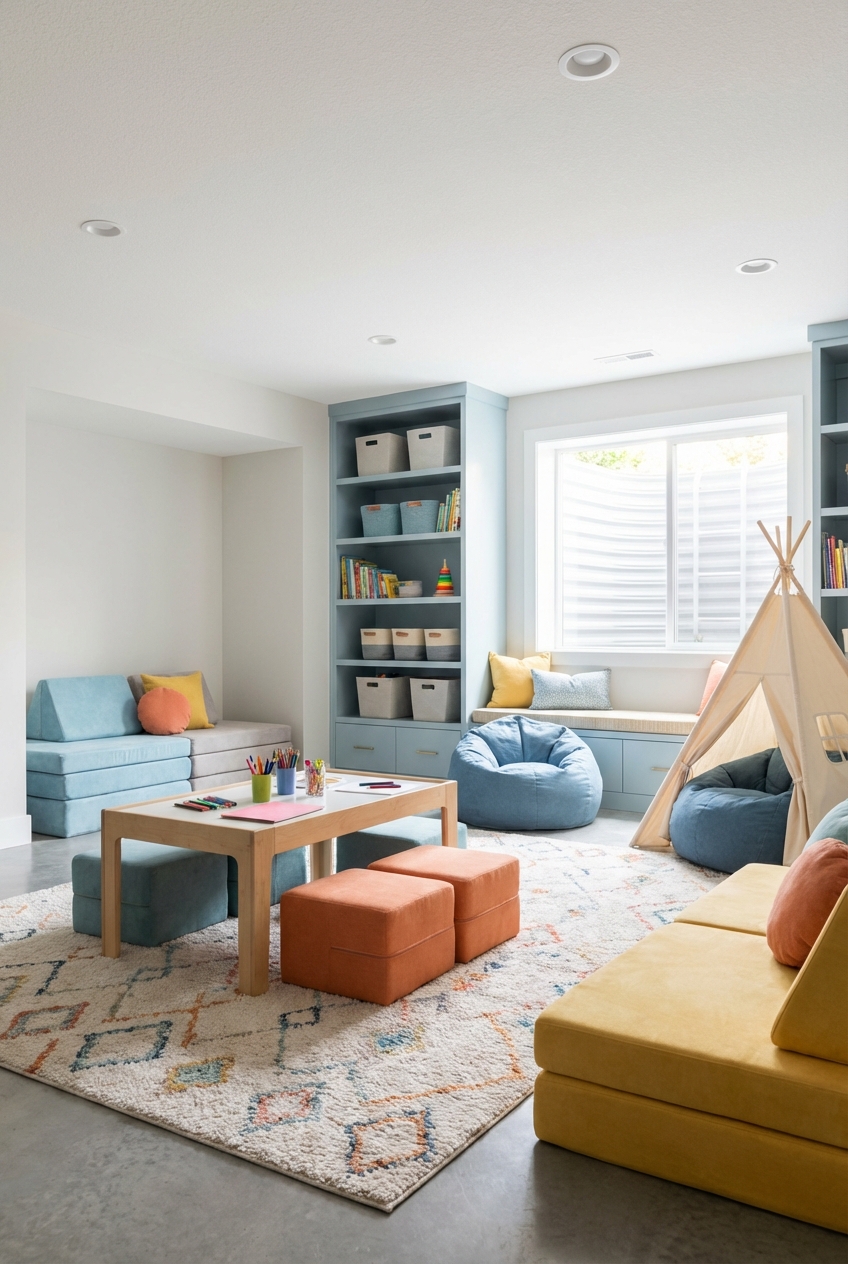
Think in zones. Sleeping goes against one wall, play takes the open floor, and storage sits between them as a divider.
A low bookcase or cube unit works well as that divider. It separates the areas without blocking light or sightlines, and kids can see their toys. Leave about 24-30 inches of walking space around the bed and main furniture so a guest with a suitcase can cross the room.
Furniture that does two jobs earns its place here: a daybed with a trundle, a storage bench at the foot of the bed, nesting tables that tuck away. As an architect, I'd pick one large flexible piece (the daybed) and keep everything else small and movable.
Small playroom ideas and playroom ideas for small spaces
In a small room, free the floor first. Go vertical and get things off the ground.
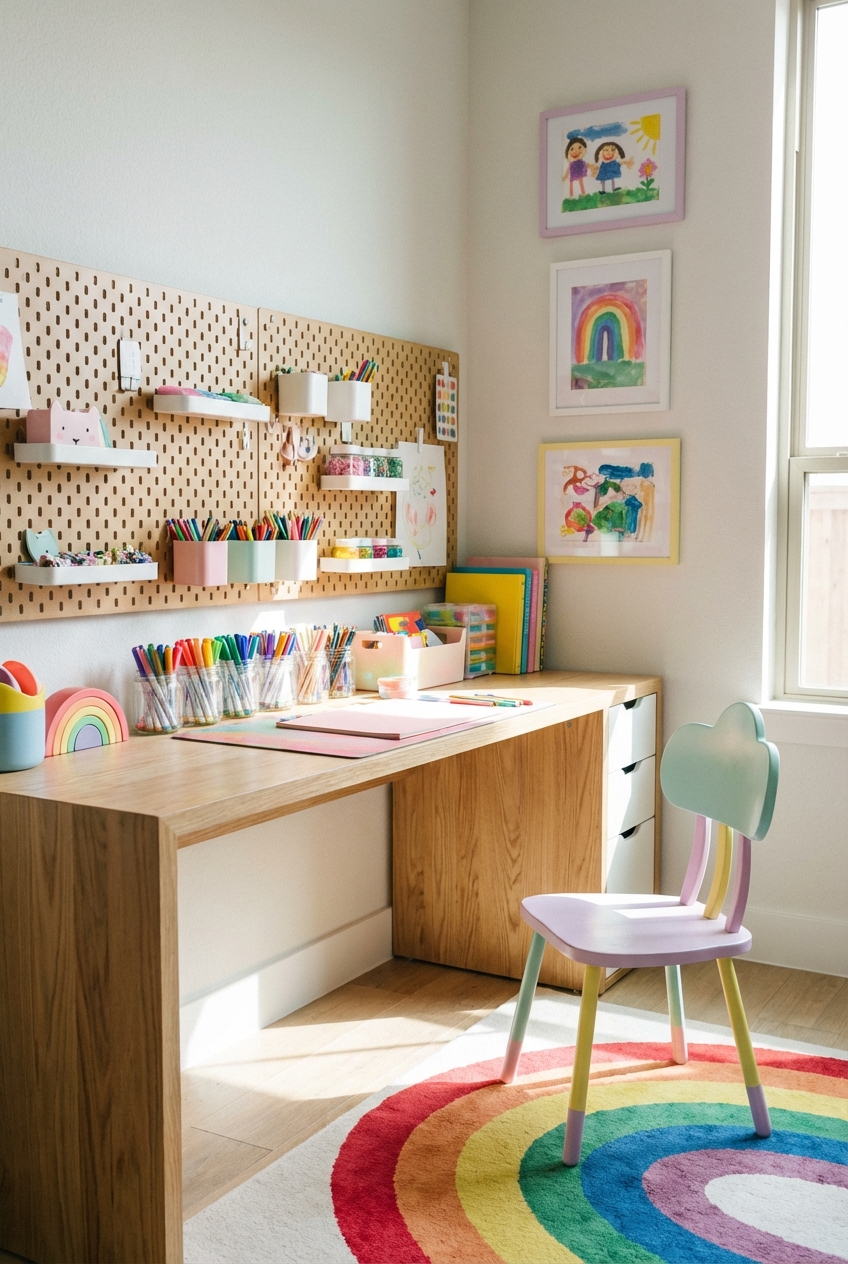
- Wall-mounted shelves, a pegboard or a rail with hooks for bags, costumes and art supplies.
- A fold-down desk or a wall bed, if the budget allows.
- Under-bed drawers for linens and out-of-season toys.
- A mirror opposite the window to bounce daylight around.
- Furniture with exposed legs, which lets you see more floor and makes the room feel larger.
Small rooms also suit a rotation system: keep a third of the toys out and the rest in a closet, then swap. It cuts clutter and the toys feel new again. For more small-room layout thinking, see our small apartment living room ideas and the tips in the very small TV room post.
Playroom storage ideas that kids can actually use
Storage fails when it is too high, too deep or too complicated. Open bins and low shelves beat lidded boxes for anything used daily.
- Use bins in a few sizes and label them with pictures for kids who can't read yet.
- Keep heavy items on the bottom shelf.
- Put a closed cabinet or a lidded bench in view for the things you want hidden before guests arrive.
- Anchor tall bookcases and dressers to the wall.
A corner unit can use dead space well, as in this corner drawers post. Whatever you pick, a closet shelf for the rotating toys saves the most floor.
Colors, materials and finishes
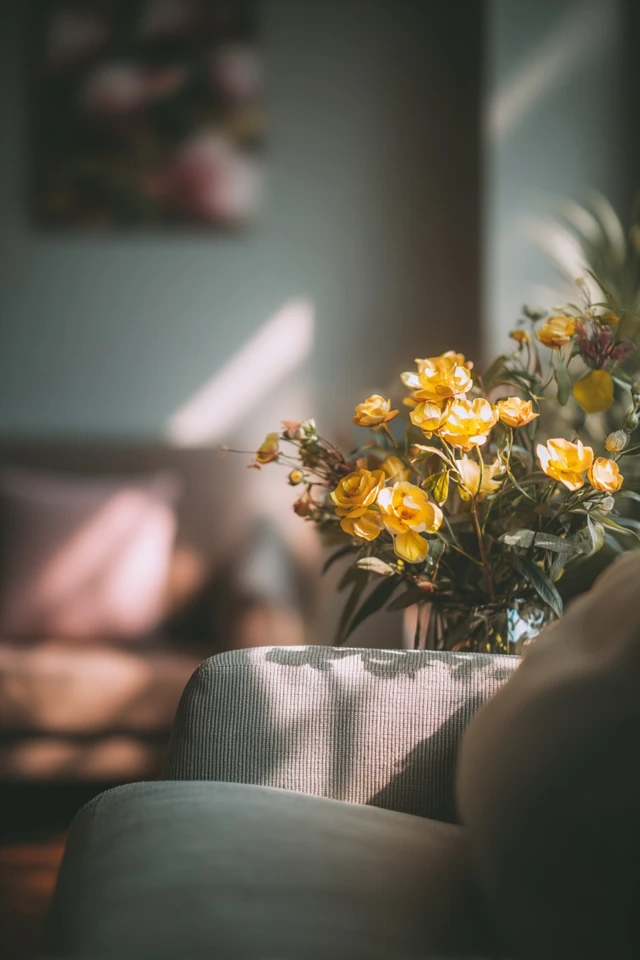
Soft, low-saturation colors suit both uses. A warm white, light greige or muted blue-green calms a guest and still looks lively with colorful toys. Keep saturated color for cushions, art and the toys themselves, so you can change it cheaply.
Test paint samples in the room, morning and evening. Light changes how a color reads, and warm bulbs (about 2700-3000K) will make a color look different than daylight bulbs.
For materials, choose what survives sticky hands and paws: washable rugs, removable slipcovers, performance cotton, wood and matte finishes that hide fingerprints better than gloss. Rounded furniture edges are a sensible choice around toddlers.
Cool things to put in a playroom and kids playroom decor ideas
Decor can be playful and still look calm if you repeat a small palette.
- A chalkboard or magnetic wall, or a framed corkboard for rotating art. A magnetic strip or painted magnetic panel is an easy DIY.
- A reading nook with a lamp and floor cushions.
- A tent, canopy or play kitchen if there's space.
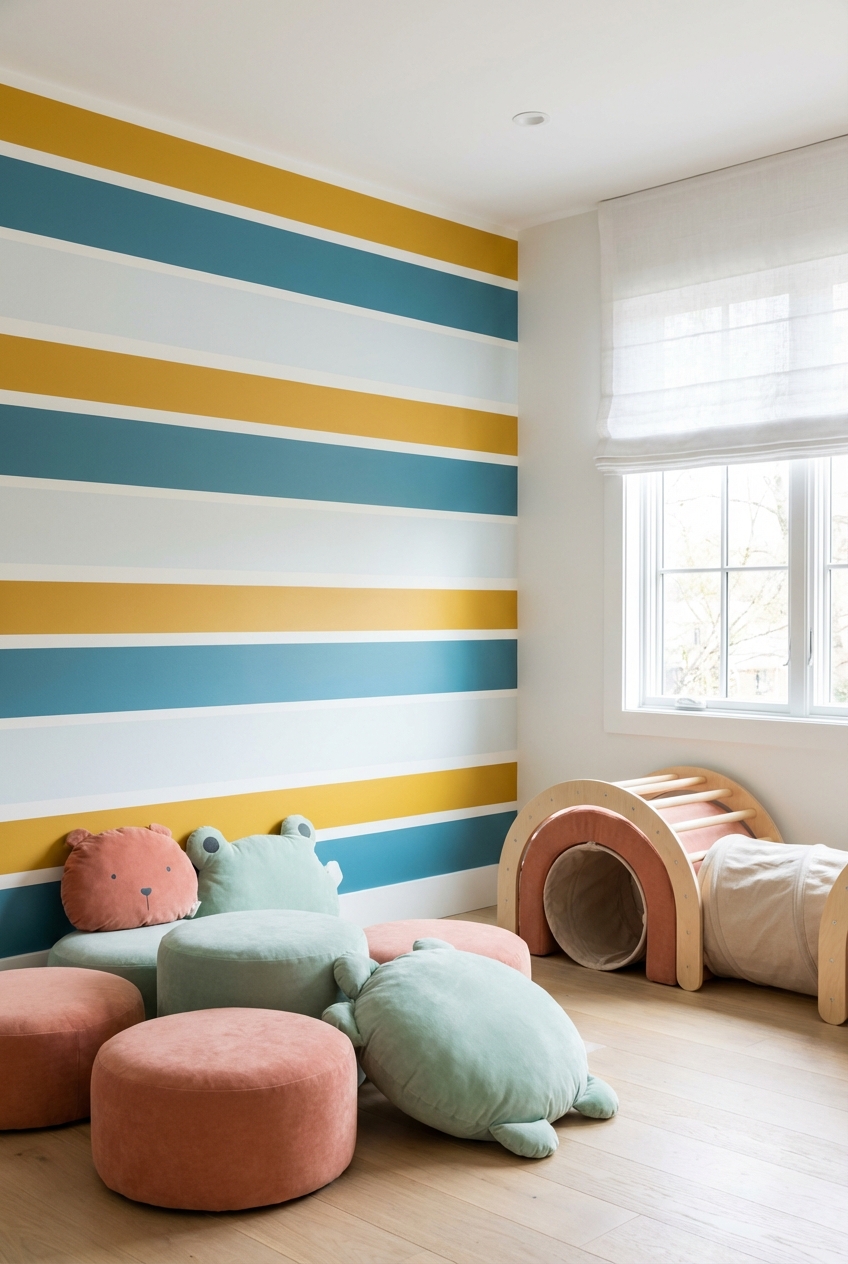
- Peel-and-stick wallpaper on one wall, which is cheap and removable.
- A guest basket with towels and toiletries on a high shelf, so the room still feels like a guest room.
Playroom ideas that grow with kids
Kids rarely stop using a playroom on one day. The use shifts from floor play to crafts, then homework, then hanging out with friends, so choose pieces that can change roles.
- Buy neutral big pieces (bed, shelves, rug) and let toys, art and cushions carry the age-specific style.
- Pick adjustable or modular shelving.
- Swap the play table for a proper desk when needed.
- Change hooks and bins to taller heights as children grow.
Updating accessories rather than paint or built-ins keeps the room flexible, and it's the cheapest route.
Frequently asked questions
What are some cool things to put in my playroom?
A magnetic or chalkboard wall, a reading nook with floor cushions, a play tent and a rotating art display are popular and inexpensive. Pick one or two so the room doesn't feel crowded.
At what age do kids outgrow a playroom?
There's no set age. Many kids shift from toys to games, crafts and homework in the school years, so a room with flexible furniture can follow them.
What are some ideas for a small playroom?
Use wall-mounted shelves, under-bed drawers and a fold-down desk, and keep only some toys out at a time. A light palette and furniture with exposed legs make the room feel larger.
What's the best flooring for a guest room that's also a playroom?
Easy-to-clean floors such as engineered wood, vinyl plank or laminate work well. Add a washable rug in the play area for comfort and less noise.
Filed under
ArticlesMeet the author
Written by an architect.
Julio Arco is a passionate architect with years of experience in architecture, interior design, urban design, and housing. He studied at prestigious universities across North America and Europe.

- Name
- Julio Arco
- Job
- Architect and online interior designer
- Studied
- Architecture, ITESM · Urban Design and Housing, McGill
- Partner
- Thor, Australian Shepherd
- Thor’s title
- Head of quality control