Wall Molding Ideas for Modern, Beginner-Friendly Rooms
Wall molding ideas for living rooms, bedrooms and small spaces: simple modern designs, molding types, proportions and a beginner DIY sequence.

By Julio Arco
Architect and online interior designer
In this post
- What is the molding that goes on walls called?
- What is the best molding design for a wall?
- Modern and simple wall molding ideas
- Wall molding ideas for living room, bedroom and kitchen
- How do you choose profile, size and proportion?
- Which materials and finishes work best?
- Is wall molding in style?
- A beginner DIY sequence
- Frequently asked questions
The easiest wall molding for a beginner is a grid of simple rectangles (often called picture-frame molding) painted the same color as the wall. It adds shadow lines and structure, needs only straight cuts, and forgives small mistakes because the paint hides the seams.
Molding is trim applied to a wall to add depth, divide the surface or finish an edge. Below are modern and simple wall molding ideas, the main types, how to size them, and a DIY sequence that works for a first project.
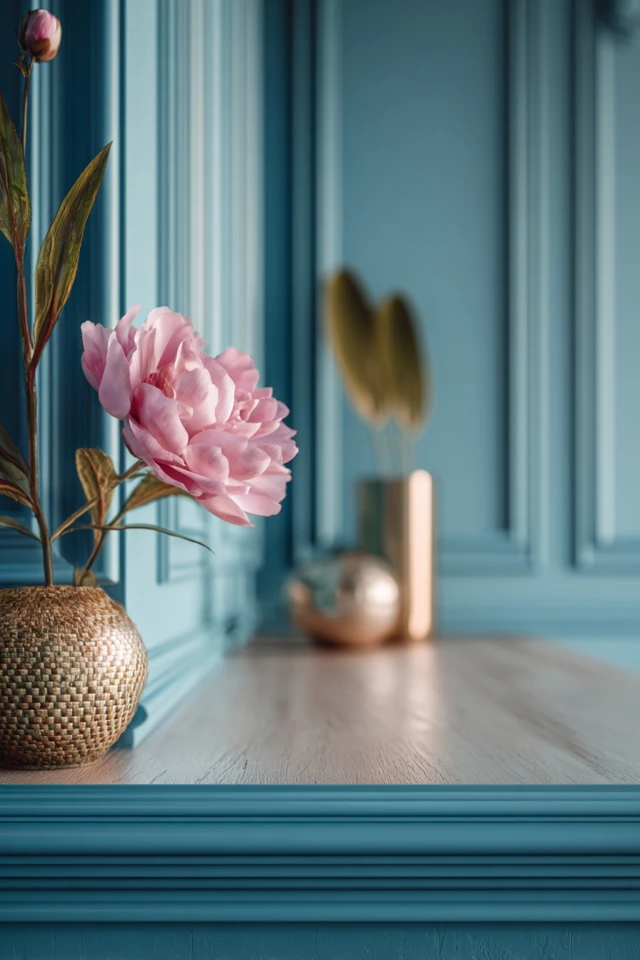
What is the molding that goes on walls called?
There isn't one name, because different pieces do different jobs. Here are the different types of wall molding you'll run into:
- Baseboard: runs along the floor and protects the lower wall from scuffs, vacuum bumps and dog claws.
- Crown molding: sits where the wall meets the ceiling.
- Chair rail: a horizontal band about a third of the way up the wall.
- Picture rail: a thin band near the ceiling, traditionally used to hang art.
- Wainscoting and beadboard: paneling that covers the lower part of the wall.
- Picture-frame (box) molding: rectangles applied flat to the wall.
- Battens: thin vertical strips repeated at even spacing.
Much of this vocabulary comes from older architecture. The National Park Service notes that the Greek Revival style was inspired by the classical Greek temple, and Italianate houses put decorative detail right at the roof line. Crown and cornice trim are descendants of those habits.
What is the best molding design for a wall?
It depends on the room and your skill level. As an architect, I'd start with picture-frame boxes or vertical battens: both read as modern, both are forgiving, and both look good with a flat or matte paint finish. Ornate profiles and curved pieces look best in traditional houses with high ceilings.
Modern and simple wall molding ideas
Picture-frame boxes
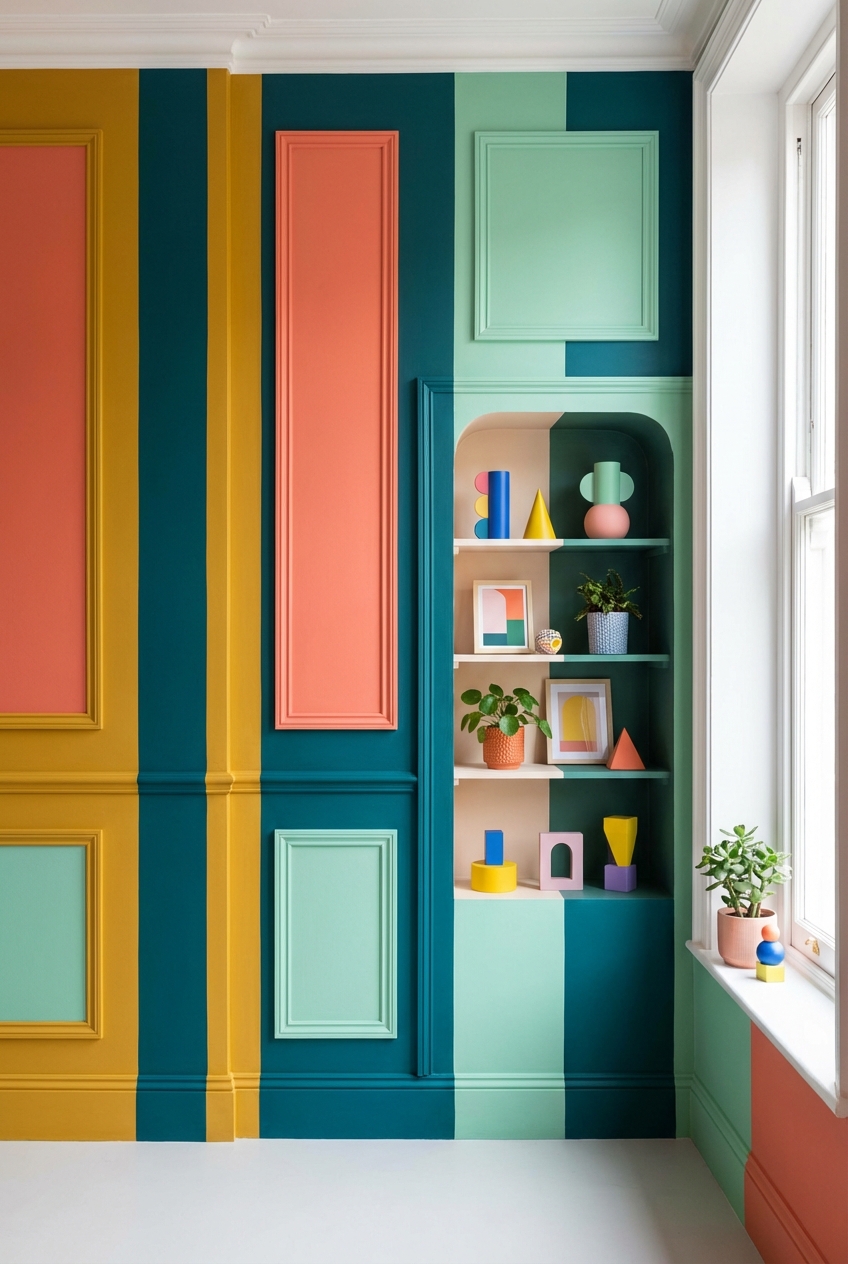
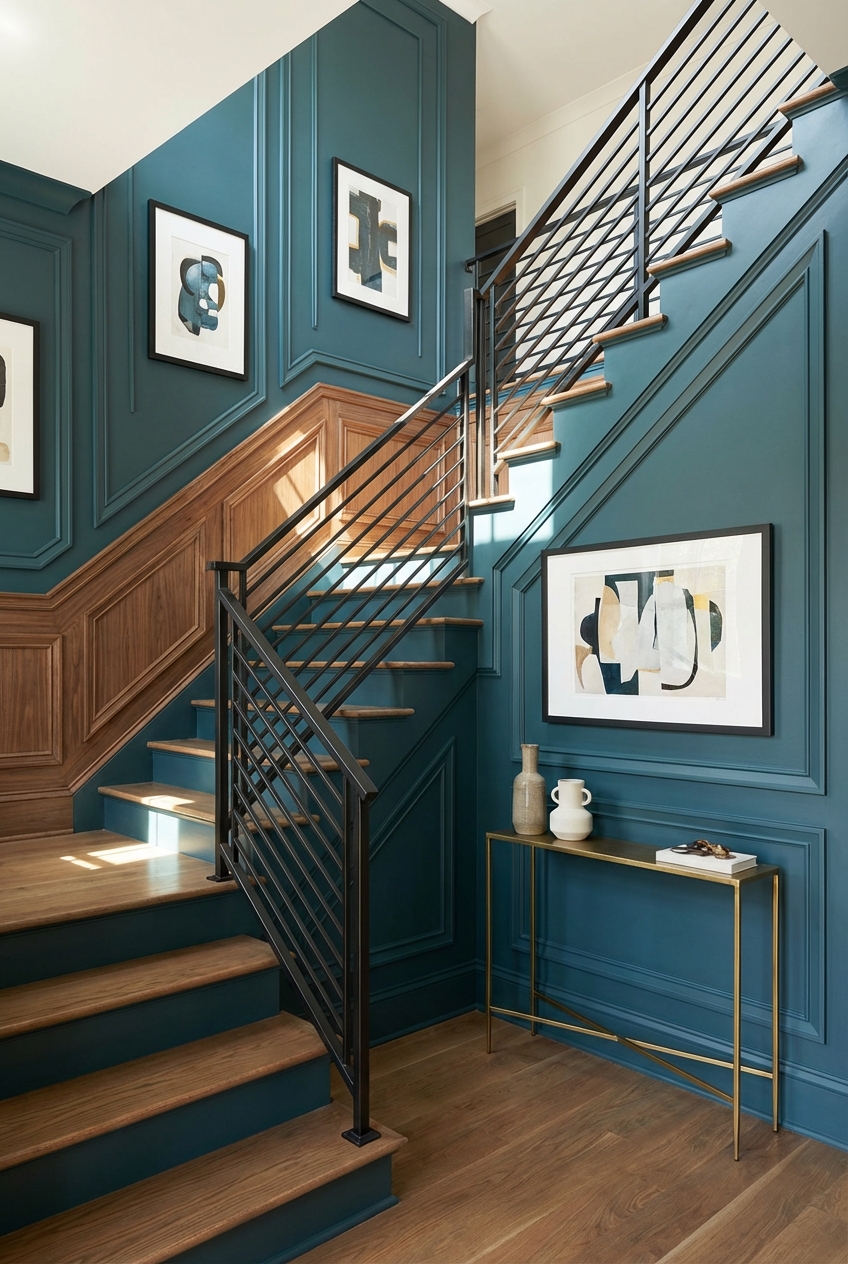
Rectangles of equal size, spaced evenly, behind a sofa or a bed. Painting trim and wall one color keeps the look quiet. Painting the trim white on a deep wall makes the grid the star.
Vertical battens
Thin strips set at regular intervals draw the eye up, which helps in low rooms. Keep the spacing consistent and the strips the same width, or the rhythm falls apart.
A single picture rail
One thin horizontal line adds structure for very little work and leaves the wall free for shelves and art. It also suits rentals if you use adhesive-mounted trim, though check your lease first.
Partial-height paneling
Panels that stop at roughly a third to half of the wall height protect the area where bags, chairs and pets rub. A semi-gloss or satin paint wipes clean far more easily than flat.

Wall molding ideas for living room, bedroom and kitchen
For a living room, a large panel grid behind the sofa or media wall anchors the furniture. Frame an art group with a molded rectangle if you want the wall to feel planned. In an open plan, molding on one wall can mark the dining zone without a divider.
In a bedroom, battens or boxes behind the headboard make a calm focal point. Center the pattern on the bed, not on the room, so the headboard sits symmetrically inside it.
In a kitchen, beadboard on a dining nook wall or a short chair rail works well. Choose paint made for kitchens, since grease and splashes are part of the deal. If you're planning the whole room, the modern white and wood kitchen post shows how trim fits with the rest of the palette.
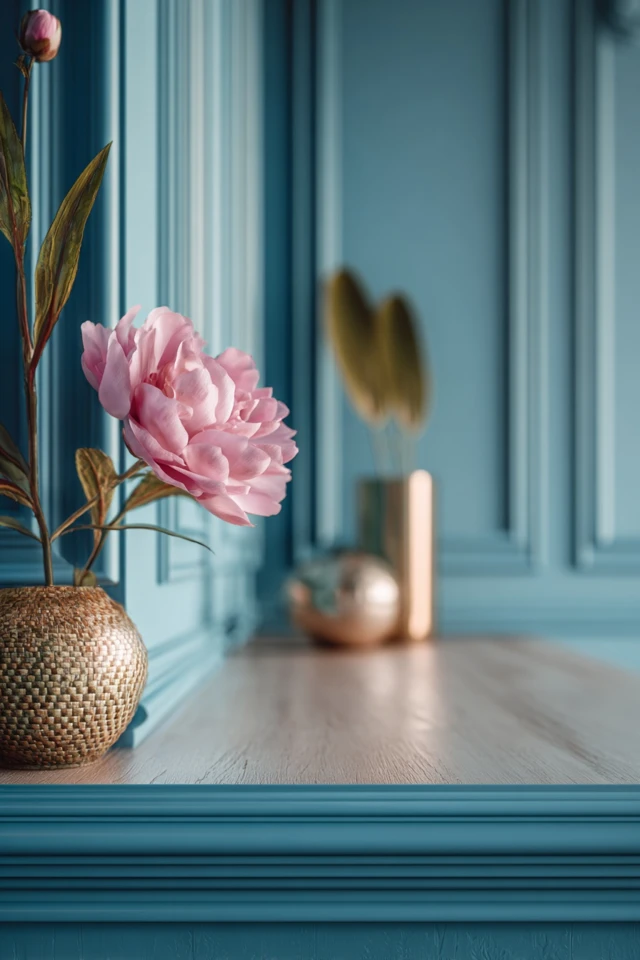
Entries are another good place for paneling, because walls there take the most knocks. See what a foyer is and how to style one for more.
How do you choose profile, size and proportion?
Scale matters more than the pattern. A few established rules of thumb:
- In rooms with low ceilings, use shorter profiles and horizontal or vertical lines that don't break the wall into many small pieces.
- High ceilings can take taller panels and wider trim.
- Keep a baseboard and any rails visually related. A very tall baseboard with a hair-thin rail looks bottom-heavy.
- Space boxes or battens evenly, and make the gaps around the outside of a grid equal.
Before you cut anything, mark the layout on the wall with painter's tape and look at it in the morning and in the evening. It costs nothing and catches most proportion mistakes.
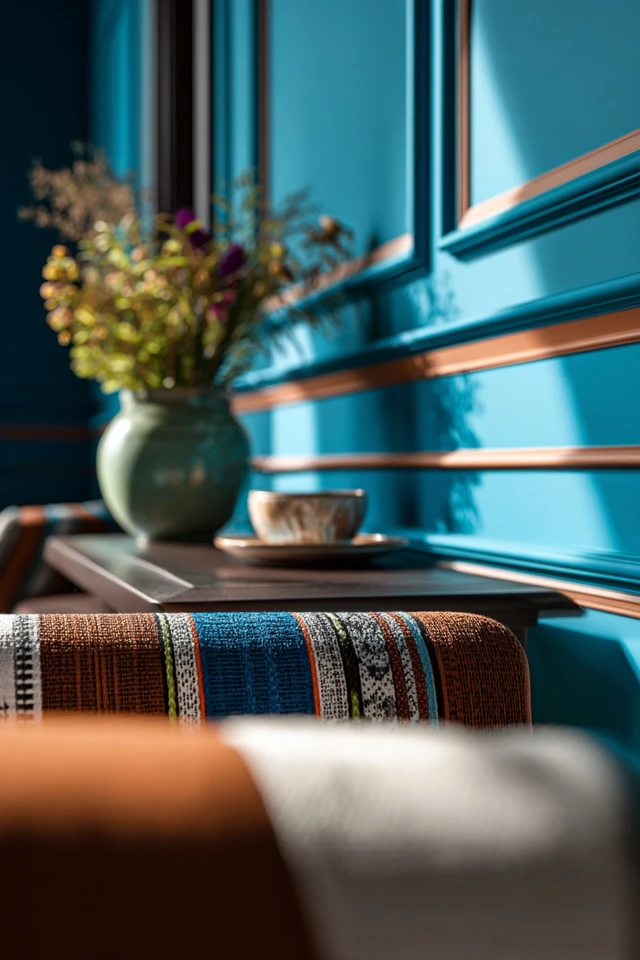
Which materials and finishes work best?
MDF is cheap, smooth and made for paint, so it suits most beginners, but it swells if it gets wet, so skip it in bathrooms. Polyurethane or foam trim is light and easy to cut, which helps for ceilings and rentals. Solid wood is the most durable and can be stained, though it costs more and is harder to work.
For paint, satin or eggshell on trim is forgiving and wipes clean. High gloss looks formal but shows every flaw in the wall behind it. Matte on the wall between the trim keeps the shadow lines soft: glossy surfaces bounce light and create sharp shadows, while matte ones absorb it. If you like the aged look, our shabby chic ideas use paneling in that spirit.
Is wall molding in style?
Yes, but in a quieter form than before: flat-faced profiles, boxes and battens, often painted a single color. I recommend choosing a layout you'd still like in ten years and letting the paint color carry the trend. Bold color is easy to change; glued and nailed trim is not. A dark wall with pale trim is a good example, and it pairs with the ideas in our black accent wall bedroom post.
A beginner DIY sequence
- Measure the wall and draw the layout on paper.
- Tape the layout on the wall and adjust.
- Cut the pieces, using a miter box or saw for 45-degree corners.
- Dry-fit everything on the floor or against the wall.
- Attach with construction adhesive and finish nails, hitting studs where you can.
- Fill nail holes and gaps with wood filler, then sand lightly.
- Caulk the seams where trim meets the wall.
- Prime, then paint two coats.
The caulk is what makes it look professional, so don't skip it. If you're working around electrical boxes or switches, turn off power at the breaker, and call a licensed electrician if you need to move anything. A wall that will carry heavy shelves should be fastened to studs.
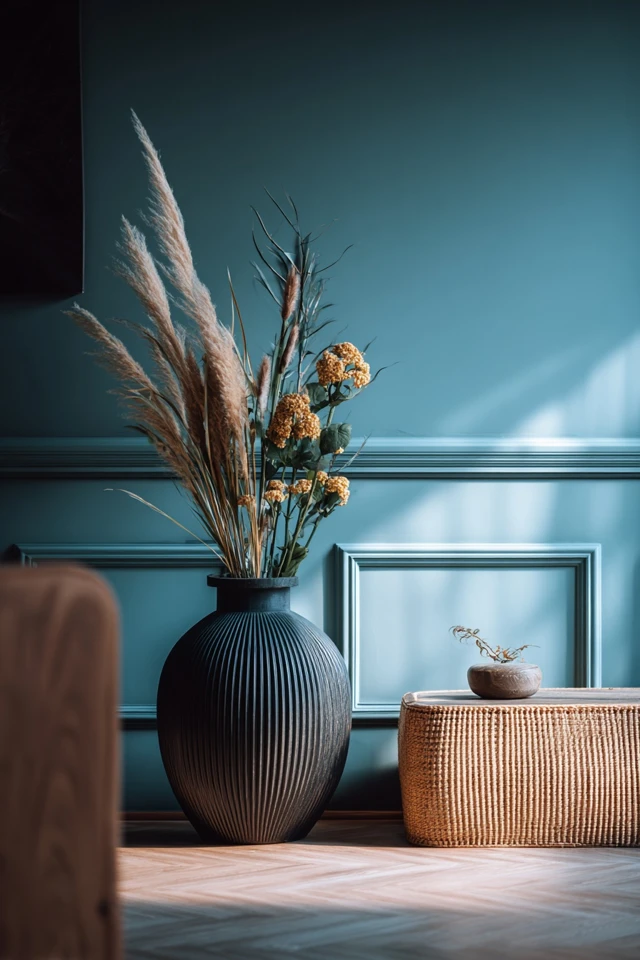
If you're also thinking about the ceiling, trim and ceiling treatments work together, and the ceiling design ideas post covers that side. For a broader overview of this topic, see more wall molding inspiration.
Frequently asked questions
What are the different types of wall molding?
The main ones are baseboard, crown molding, chair rail, picture rail, wainscoting or beadboard, picture-frame molding and vertical battens. Each sits at a different height and does a different job.
Is wall moulding in trend?
Yes, mostly in simple forms such as boxes and battens, often painted one color. Plain profiles tend to date more slowly than ornate ones.
Can renters use wall molding?
Often, with lightweight foam or polyurethane trim fixed with removable adhesive. Check your lease and test a small area first, since some adhesives can pull paint.
How high should a chair rail go?
A common placement is about a third of the way up the wall, which is roughly 32-36 inches in a standard 8-foot room. Mock it up with tape and adjust to your furniture.
Filed under
ArticlesMeet the author
Written by an architect.
Julio Arco is a passionate architect with years of experience in architecture, interior design, urban design, and housing. He studied at prestigious universities across North America and Europe.

- Name
- Julio Arco
- Job
- Architect and online interior designer
- Studied
- Architecture, ITESM · Urban Design and Housing, McGill
- Partner
- Thor, Australian Shepherd
- Thor’s title
- Head of quality control