Wall Molding Ideas for Every Room, Style and Budget
Wall molding ideas room by room: types of trim, how to size profiles to your ceiling, and simple, modern and traditional designs you can copy.

By Julio Arco
Architect and online interior designer
In this post
The best wall molding idea is the one that suits your ceiling height and the age of your house. Flat or picture-frame panels work in most rooms, a chair rail suits dining rooms and hallways, and crown molding finishes almost any wall. Start with one line of trim and add more only if the wall still looks bare.
If your walls feel empty even though the room is bright, molding is a cheap way to give them structure. Below you'll find the main types, how to size them, and ideas room by room.
What is the molding that goes on walls called?
There isn't a single name, because each piece has its own job and its own position on the wall. Here are the different types of wall molding you'll run into:
- Crown molding sits where the wall meets the ceiling.
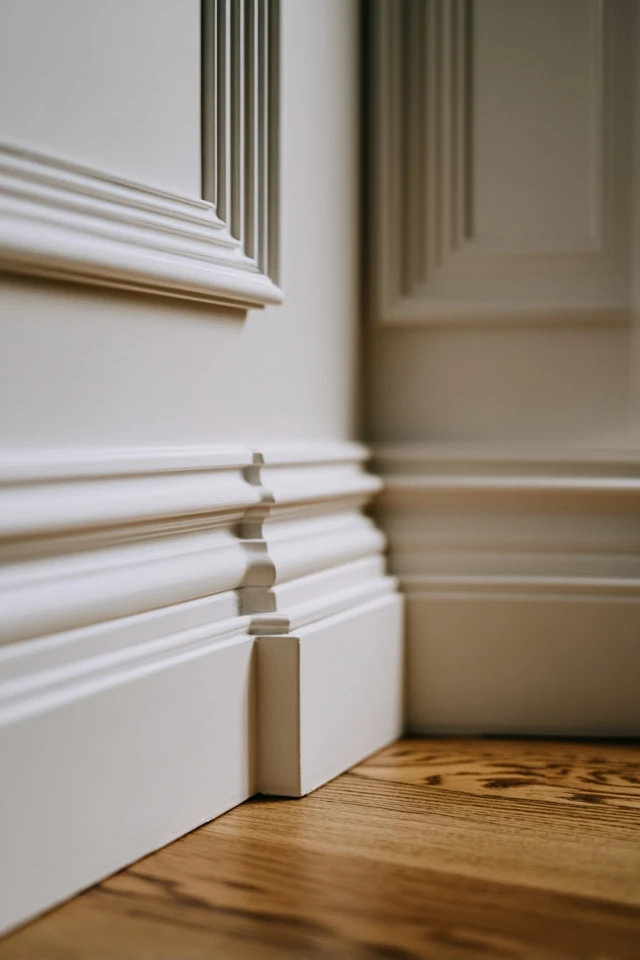
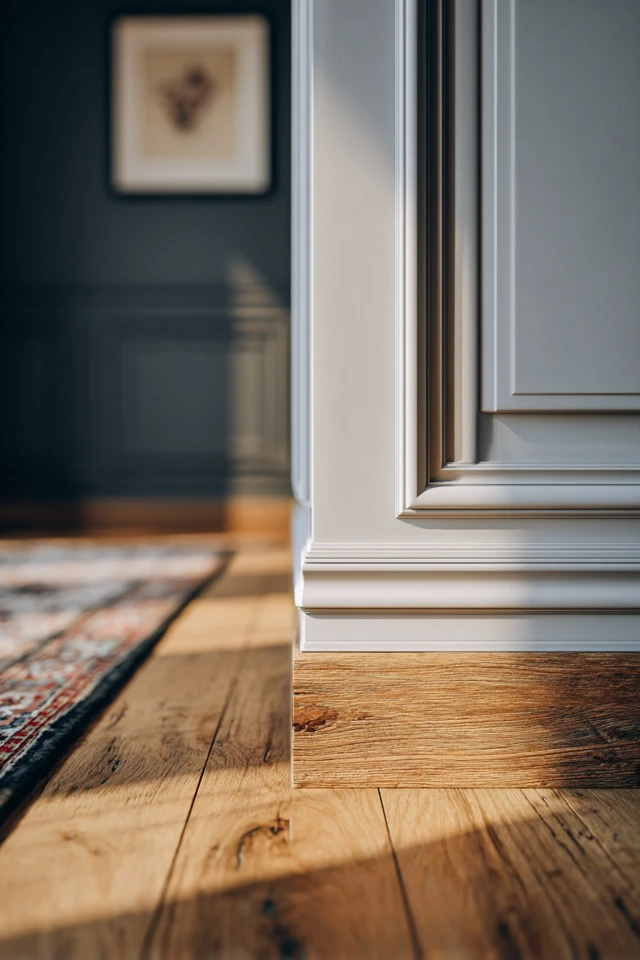
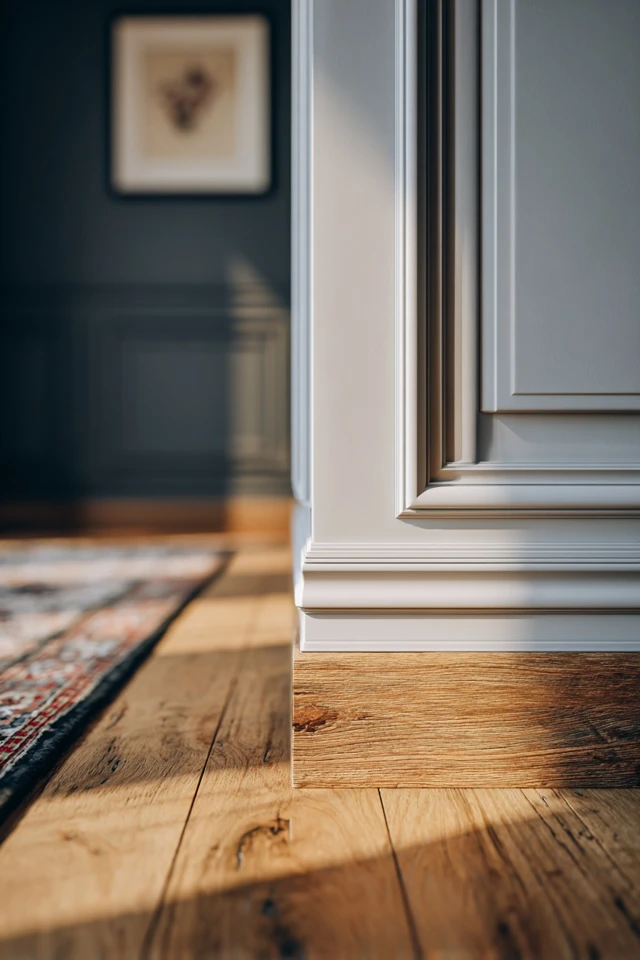
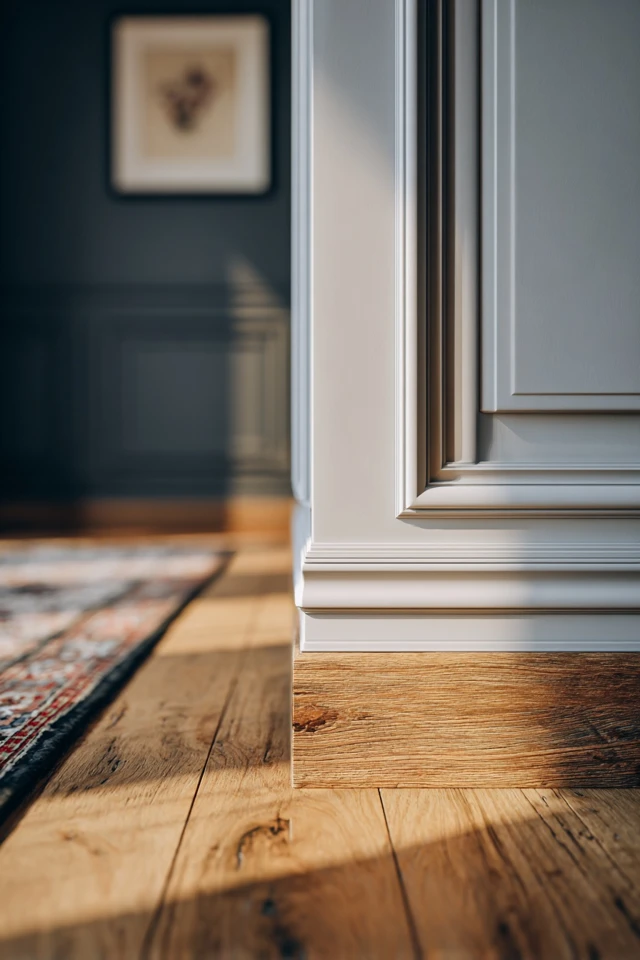
- Baseboard covers the joint between wall and floor and protects the lower wall from vacuum bumps and paws.
- Chair rail runs horizontally, usually around a third of the way up the wall.
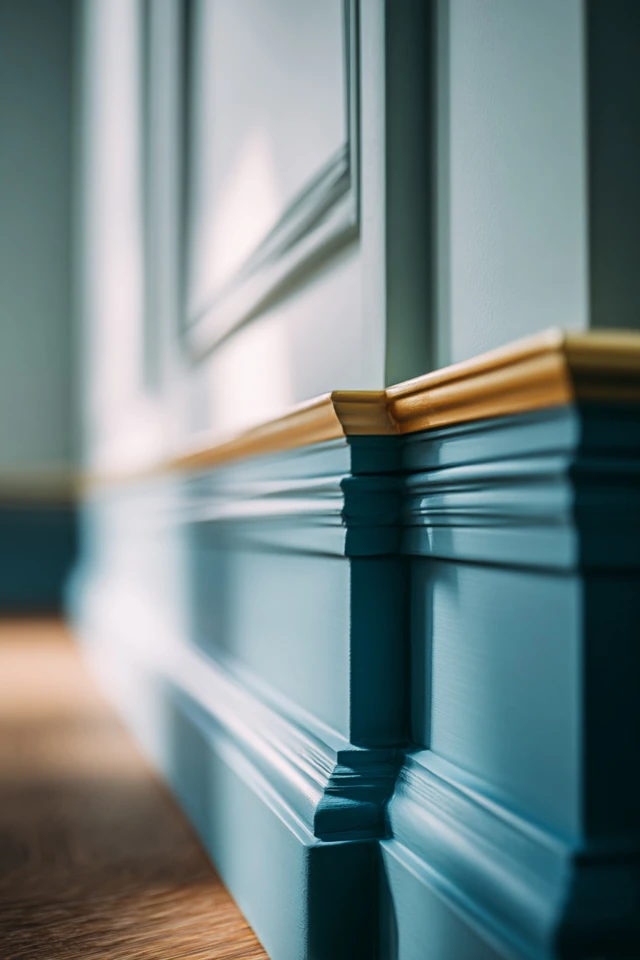
- Picture rail is a slim horizontal strip near the ceiling, used to hang art.
- Wainscoting covers the lower part of the wall with panels, beadboard or board-and-batten.
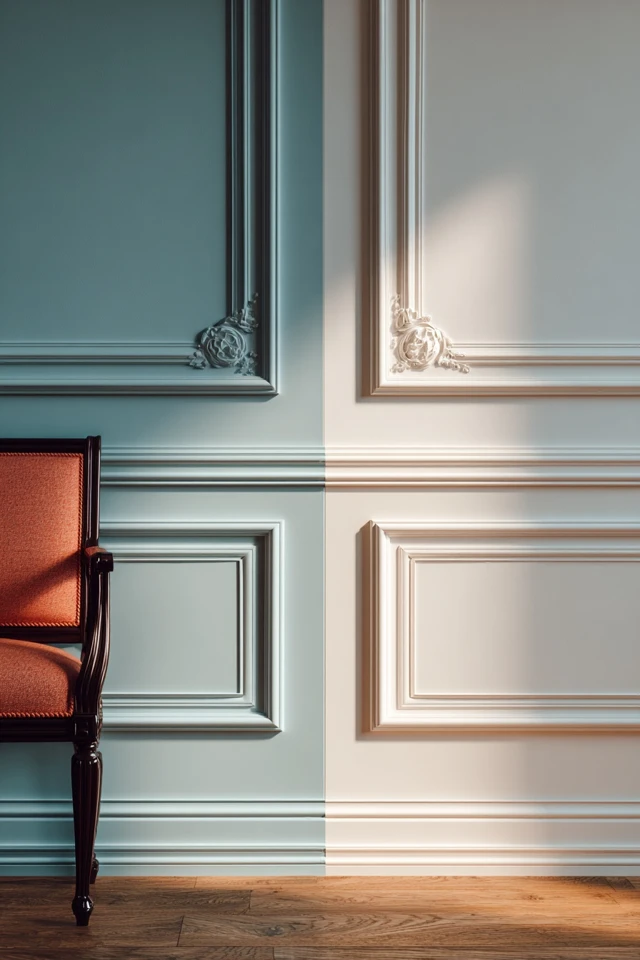
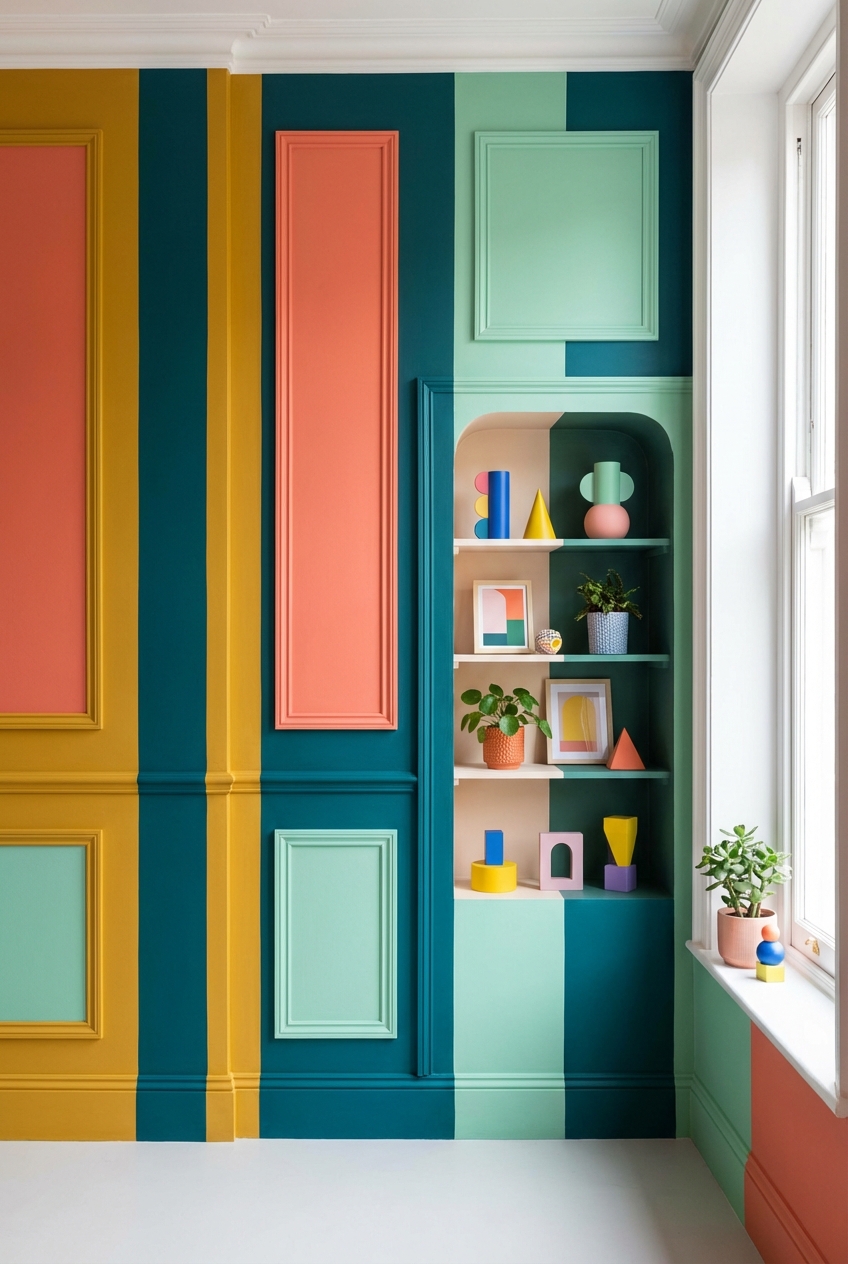
- Panel molding (often called picture-frame or box molding) forms rectangles directly on the wall.
- Casing frames doors and windows.
Wall trim ideas usually mix two or three of these, not all of them at once.
How do you choose profile, material and proportion?
Measure the wall height first, then decide. Tall ceilings can carry wide crown molding and deep panels. In a low room, slim profiles keep things from feeling crowded. As an architect, I'd keep the trim heavier at the top and bottom of the wall and lighter in between, so the wall reads as stable.
Materials come down to budget and moisture. MDF is smooth, takes paint well and costs less, but it swells if it gets wet, so skip it in bathrooms. Solid wood is tougher and good for stained finishes. Plaster is classic but best left to a professional. Polyurethane works in damp rooms and for ornate profiles.
Finish matters too. A matte paint on trim reads calm and modern. Satin or semi-gloss is easier to wipe clean, which is a real advantage on lower walls where dogs rub and shake. Keep the trim color the same as the wall for a soft, tonal look, or go a shade lighter for more definition.
Which style fits your home?
Traditional and historic styles
Older American houses often set the pattern. The National Park Service notes that the Italianate style was most prevalent in America between the 1850s and the 1880s, with a lot of decorative detail at the roofline. Inside, that translates to bold crown molding with layered profiles. Greek Revival houses, which the NPS says were inspired by the classical Greek temple, call for plainer, more rectilinear casings and wide, flat trim.
Modern wall molding ideas
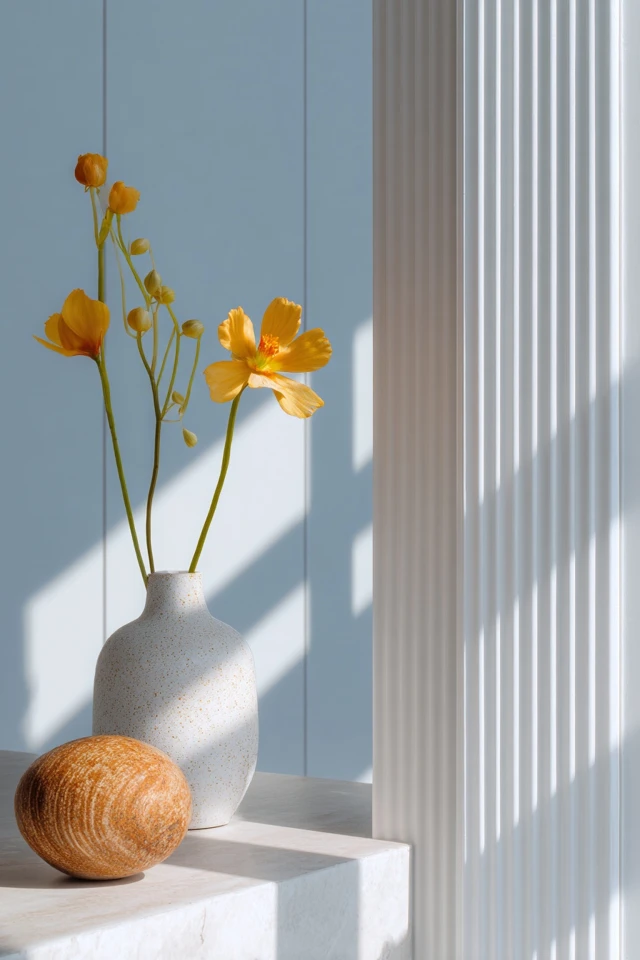
Modern wall molding ideas favor straight, flat profiles with no curves. Think thin vertical slats, large rectangles painted the same color as the wall, or a single horizontal band at picture height. Painting trim and wall in one color keeps it quiet and lets shadows do the work.
Simple wall molding ideas
If you're starting small, pick one of these:
- A row of evenly spaced rectangles on one wall.
- A chair rail with paint below it.
- Board-and-batten up to about two thirds of the wall height.
- Crown molding alone, in a profile that suits the ceiling.
Beadboard and paneling updates
Beadboard and slatted wood bring texture and handle scuffs better than flat drywall. If you like the look of horizontal boards, see our shiplap wall ideas.
Wall molding ideas for a living room
In a living room, picture-frame panels behind the sofa create a backdrop without needing art. Keep the rectangles evenly spaced and make the sofa narrower than the panel group. Around a fireplace, a symmetrical set of panels reinforces the focal point. If you prefer texture from masonry instead, brick wall living room ideas are another route.
Wall molding ideas for a bedroom
For a bedroom, a panel arrangement behind the bed works like a built-in headboard. Make it a little wider than the bed so it looks deliberate. Paint it a soft, low-contrast color for a calm room. If you want a color wall, pair it with ideas from our gray accent wall bedroom post.
Kitchens, dining rooms and entries
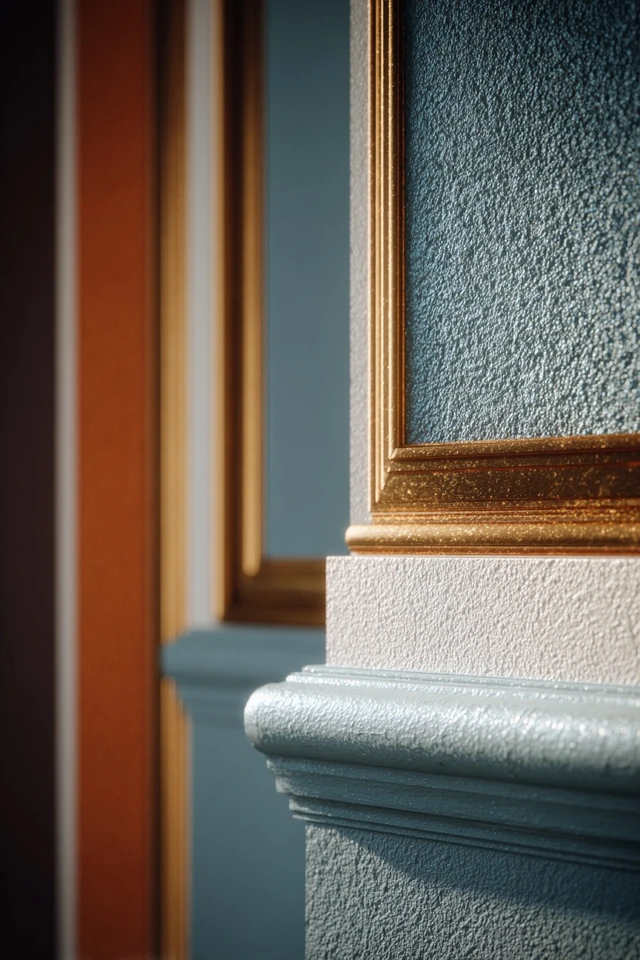
In a dining room, a chair rail or wainscoting protects walls from chair backs, and the upper wall is a good place for a gallery. See dining room gallery wall ideas for layouts. In entries and hallways, tall board-and-batten takes the wear from bags, leashes and muddy paws, and works well with a bench and hooks. Our foyer inspiration post shows more. In kitchens, keep molding to cabinet crowns and a simple rail, and use paint that you can scrub.
Can you use molding in high or unusual spaces?
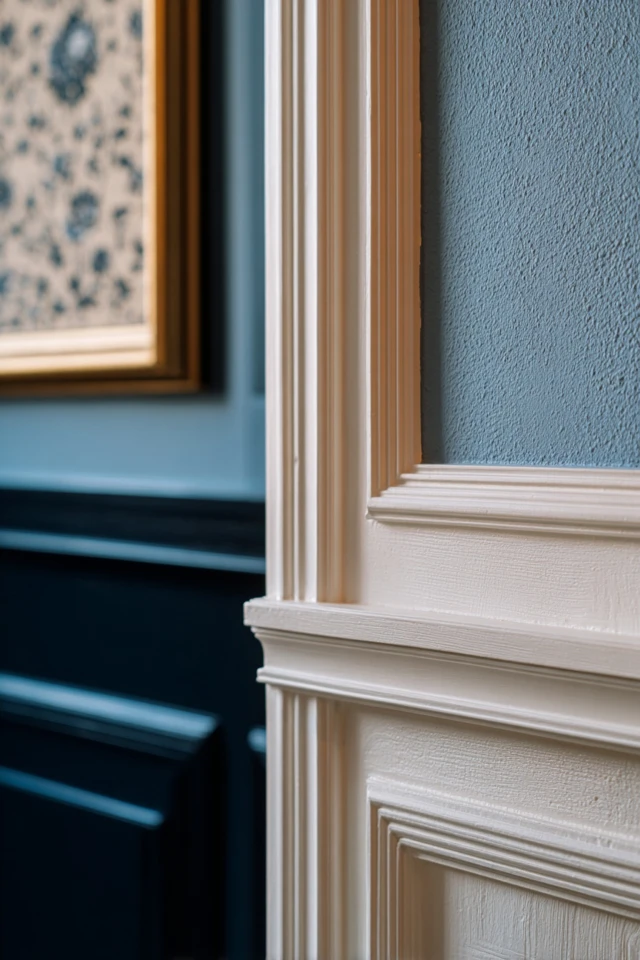
Yes. In a tall stairwell, run the panels up the stair slope so the lines follow the rake. In rooms with high ceilings, add a second horizontal line, such as a picture rail, to break up the height. Sloped ceilings suit simple vertical battens. For anything involving structural changes or old plaster, ask a licensed contractor.
Frequently asked questions
What is the best moulding design for a wall?
Picture-frame panels or board-and-batten suit most rooms because they are simple and scale easily. Pick the design by ceiling height: slimmer profiles for low rooms, wider ones for tall rooms.
Is wall moulding in trend?
Panel molding and board-and-batten are widely used in current interiors, especially painted in a single tonal color. Because molding is architectural, a restrained profile stays suitable longer than a trendy pattern.
Can you install wall molding yourself?
Simple flat panels and chair rails are manageable with a level, a miter saw and construction adhesive. For plaster, curved or high crown work, a professional is a safer choice.
Filed under
ArticlesMeet the author
Written by an architect.
Julio Arco is a passionate architect with years of experience in architecture, interior design, urban design, and housing. He studied at prestigious universities across North America and Europe.

- Name
- Julio Arco
- Job
- Architect and online interior designer
- Studied
- Architecture, ITESM · Urban Design and Housing, McGill
- Partner
- Thor, Australian Shepherd
- Thor’s title
- Head of quality control