Small Cabin Interior Design: Easy Ideas for Beginners

By Julio Arco
Architect and online interior designer
In this post
- What makes a small cabin interior work?
- How do you plan a small cabin interior layout?
- Small cabin living room ideas that save space
- Which colors suit small cozy cabin interiors?
- How should you light a small cabin?
- Rustic small cabin interior ideas that stay simple
- How do you do small cabin interior design on a budget?
- Frequently asked questions
Small cabin interior design comes down to four decisions: a clear layout, a light base color, layered lighting and a short list of natural materials. Get those right and the wood walls feel warm instead of heavy.
It's very common for a cabin to be a little dark, a little cramped and full of wood everywhere you look, so don't feel bad if yours is. Everything below is beginner-friendly and can be done in stages, which also keeps a makeover affordable.
What makes a small cabin interior work?
A cabin is a small house with a simple plan. Art Nash of the Cooperative Extension Service puts it plainly: "A dry cabin is in many cases a typical home by function, which can be lived in year-round or seasonally." That's a useful way to think about it. You still need places to sit, cook, sleep and store things, just in less floor area.
For scale, the same extension publication notes that popular prepackaged cabin kits in Alaska are 20x24 feet or 16x20 feet. Those are compact footprints, so every piece of furniture needs a reason to be there.
How do you plan a small cabin interior layout?
Start with how you move. Sketch the entry, the spot where you sit, the place you cook and the place you sleep. Then keep a main walkway of about 30-36 inches clear between them.
If the cabin is one room, create zones with rugs, lamps and the way furniture faces. A sofa with its back to the kitchen area marks the living zone without a wall. This also works well for a one room cabin interior design, where a bed, a seat and a table share the same space.
- Keep seating low-profile so sightlines to windows stay open.
- Float a sofa or bench a few inches off the wall in narrow rooms, which makes the room read wider.
- Leave the path from the door to the hearth or window uncluttered.
If you have a dog, leave a spot near the door for a bed and a boot-and-towel zone. Muddy paws are easier to manage when the mess has a home.
Small cabin living room ideas that save space
Choose furniture that does two jobs: a storage ottoman, a bench with a lid, a drop-leaf table or a fold-down desk. As an architect, I'd spend the budget on one good sofa sized to the room and keep the rest light and movable.
Use the walls for storage. Open shelves and tall, narrow bookcases keep the floor clear. Tall pieces also draw the eye up, which helps if the ceiling is high.
A woven rug under the seating group softens a hard floor and ties the zone together. Washable or flatweave options are easier with pets.
Which colors suit small cozy cabin interiors?
Begin with a light, warm base: ivory, cream or soft taupe. Light surfaces bounce daylight deeper into the room, while a wall of dark wood absorbs it. If the wood is already dominant, painting only some walls or the ceiling keeps the cabin feeling open.
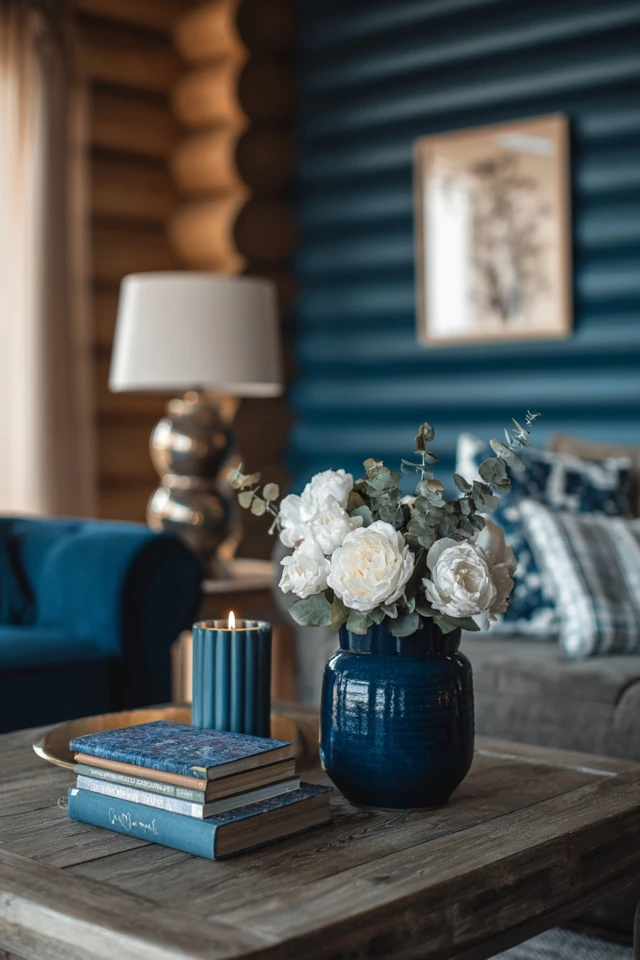
Then pull colors from outside: bark brown, fern green, dusty blue, stone gray. Keep the strongest color in small doses, like pillows, a throw or art, so you can swap it out cheaply.
- Base: warm white, taupe or stone gray.
- Wood: honey to medium brown, kept in one family so grains don't compete.
- Accents: muted green, dusty blue or clay red.
- Metal: brushed brass or dark bronze on hardware.
How should you light a small cabin?
Use three layers: ambient light from a ceiling or wall fixture, task light where you read or cook, and a few lamps for evening. Wood absorbs a lot of light, so a single overhead fixture rarely does the job.
For evenings, choose warm bulbs in the 2700-3000K range, which keep the wood glowing without turning orange. Put lamps on dimmers if you can; a licensed electrician should handle any new wiring.
Keep windows clear of heavy curtains. Linen or light cotton lets daylight in and still gives privacy.
Rustic small cabin interior ideas that stay simple
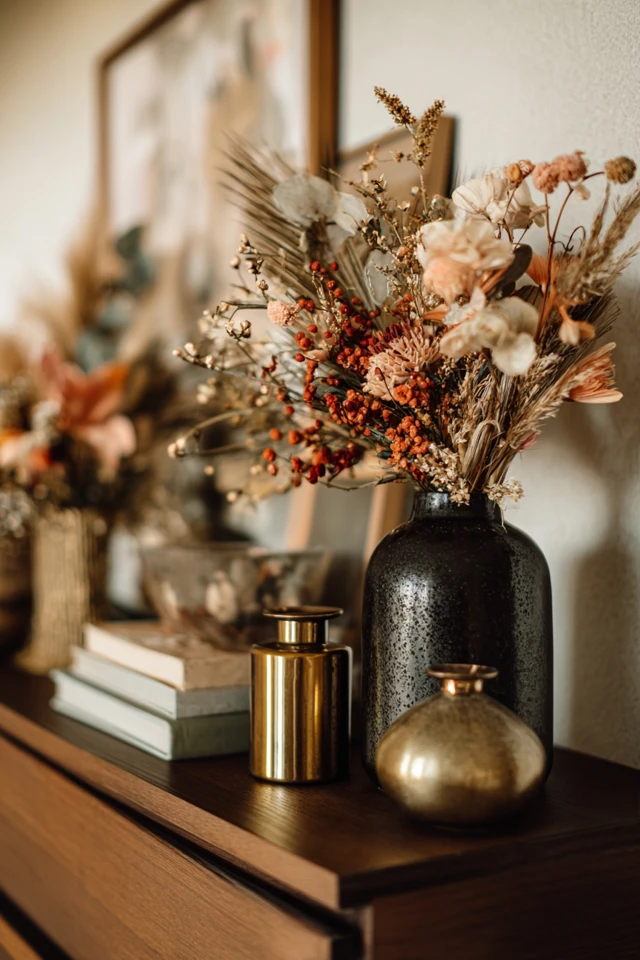
Rustic doesn't need a lot of props. Pick a few honest materials and repeat them: wood, stone, wool, linen and some iron or leather. Rough timber beams feel better next to smooth, soft upholstery than next to more rough surfaces.
Balance one heavy element, like a stone hearth or a chunky wood table, with lighter pieces such as a linen sofa and open shelving. Repeat one color or texture in three or four places, say the warmth of a cedar wall echoed in a rug and lamp shades, and the room reads as planned.
If you prefer a cleaner look, see how the same materials work in modern cabins in the woods, or borrow cozy details from these cabin design tips for a cozy, modern look.
How do you do small cabin interior design on a budget?
Work in this order, and stop whenever the money runs out:
- Declutter and rearrange. It costs nothing and often fixes the layout.
- Paint or limewash one or two walls in a light tone.
- Swap bulbs and add two or three lamps.
- Add textiles: a rug, wool throws, linen curtains.
- Replace hardware on cabinets and doors.
Secondhand wood furniture suits a cabin well, since scratches look like character. If the ceiling is the focus, these ceiling design ideas can add interest without major work.
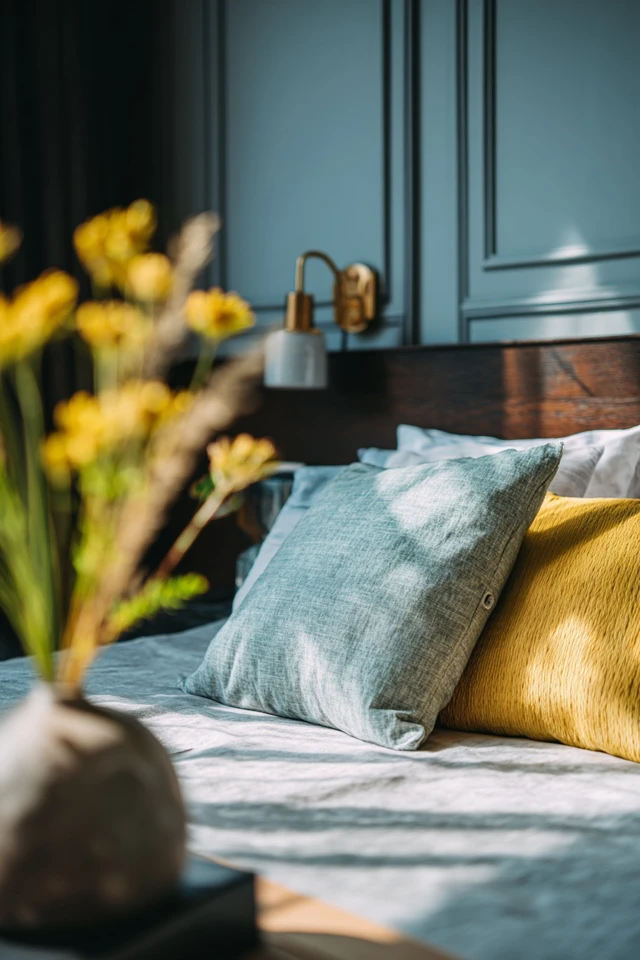
Plants and a view help too. Place a chair where you can see the trees, and add a plant or two with different leaf shapes if light is limited. Check with your vet that any plant is safe before bringing it home with a pet.
Frequently asked questions
What are some good ideas for the interior of a small cabin?
Use a light base color, multi-purpose furniture, vertical storage and warm layered lighting. Keep to a few natural materials such as wood, wool and linen so the room feels calm.
What is the cheapest way to build a small cabin?
Prepackaged kits are one common route, and a simple rectangular footprint keeps costs down. Prices vary by region, so get local quotes and check building codes with your local authority.
What is the 3-5-7 rule in decorating interior design?
It's a styling guideline that groups decor in odd numbers, usually three, five or seven items, because uneven groupings tend to look more natural than pairs. Treat it as a starting point, not a rule.
Filed under
ArticlesMeet the author
Written by an architect.
Julio Arco is a passionate architect with years of experience in architecture, interior design, urban design, and housing. He studied at prestigious universities across North America and Europe.

- Name
- Julio Arco
- Job
- Architect and online interior designer
- Studied
- Architecture, ITESM · Urban Design and Housing, McGill
- Partner
- Thor, Australian Shepherd
- Thor’s title
- Head of quality control