Small Cabin Interior Design: Layout, Color and Storage

By Julio Arco
Architect and online interior designer
In this post
- What makes a small cabin interior work?
- How do you plan a small cabin interior layout?
- Which colors make a small cabin feel bigger?
- What storage works best in small cabins?
- How do you light a small cabin?
- Which materials give rustic or modern cabin character?
- Can you do it on a budget?
- Frequently asked questions
A small cabin feels roomy when you plan the layout first, keep the palette light and warm, and give every piece more than one job. Decor comes last. The rest of this post follows that order.
It's very common to feel that a compact cabin fights you. Wood walls swallow light, and a single oversized sofa can take over the room. Both are easy to fix.
What makes a small cabin interior work?
Size matters less than proportion. For scale, the University of Alaska Fairbanks Cooperative Extension Service notes that popular prepackaged cabin kits are 20x24 feet or 16x20 feet, so a lot of real cabins are about the size of a large living room. Extension specialist Art Nash adds that "A dry cabin is in many cases a typical home by function, which can be lived in year-round or seasonally." In other words, plan it like a home, not a camp.
Measure before you buy anything. Leave about 30-36 inches for main walkways and about 12-18 inches between a sofa and a coffee table. Furniture that's too big for those clearances is what makes a cabin feel cramped.
How do you plan a small cabin interior layout?
Start with how you use the cabin: sleeping, cooking, reading, entertaining, working. Then give each activity a zone, even in a one room cabin interior design where everything shares a single space.
- Orient seating toward a focal point, such as the fireplace or the best window.
- Use a rug to mark the living zone and a console behind the sofa to separate it from dining.
- Keep the path from the door to the kitchen and bed clear.
- Put the bed against a wall or in a corner to free the middle of the room.
As an architect, I'd place the largest piece, usually the sofa or bed, first and arrange everything else around it. If you have a dog, leave a floor corner for the dog bed so it isn't competing with your walkway.
Which colors make a small cabin feel bigger?
Light, desaturated colors such as warm white, soft gray and muted sage bounce daylight around and keep wood from feeling heavy. Warm amber and terracotta tones suit living rooms and bedrooms, while cooler greens and blues calm kitchens and work corners.
You don't need to paint every wall. Pick one main wall color, then add a deeper accent on a bench or kitchen island. Test paint samples on a large patch of wall and look at them in morning and evening light, because incandescent and warm LED bulbs warm up colors and cool LEDs push them toward blue and gray.
What storage works best in small cabins?
Build up and build in. Built-in benches with drawers, shelving that runs to the ceiling, storage ottomans and fold-down tables keep surfaces clear, which matters more in a compact room than any decor choice.
A bench at the entry can hold boots, leashes and towels in one spot. If you want similar ideas for tight spots, the banquette seating post shows how seating can hide storage, and fold-out desks give you a work surface that disappears. For sleeping, bunk bed ideas can free a lot of floor.
How do you light a small cabin?
Use three layers: ambient light from a ceiling fixture or pendants, task light for reading and cooking, and a little accent light on art or shelves. Put them on dimmers if you can. Dark wood walls absorb light, so a single overhead fixture will leave the corners dim.
Keep window treatments minimal to let in as much daylight as possible, and hang a mirror opposite a window to bounce light deeper into the room.
Which materials give rustic or modern cabin character?
The rustic small cabin interior ideas people love rely on wood, stone, wool and leather. A modern small cabin interior design uses the same materials with cleaner lines, matte finishes and fewer objects.
Limit the palette to a handful of materials and repeat them. Warm wood floors with matte cabinetry, a stone hearth, and linen and wool textiles will feel cohesive. Choose one metal finish, such as blackened steel or brushed brass, for hardware and lighting. Matte surfaces absorb light and feel soft, while gloss reflects it and feels more formal, so mix them on purpose.
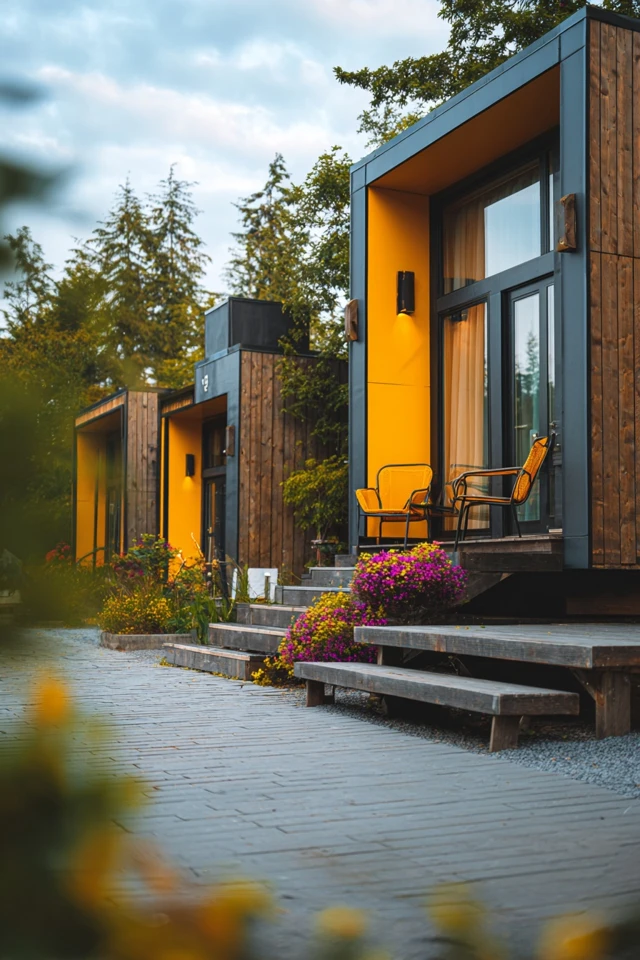
For dogs, performance fabrics and washable covers hold up better than delicate weaves, and a wide-plank wood or wood-look porcelain floor handles muddy paws at the door. A wool rug adds warmth and also absorbs sound in a high-ceilinged room.
Can you do it on a budget?
Yes. Spend on the pieces you use daily, such as the mattress and the sofa, and save on paint, textiles and lamps. Paint is the cheapest way to change a cabin's mood. Add trends through cushions, art and throws instead of built-ins, so they're easy to swap later.
Bring in a little of the outdoors with plants and framed botanical prints. If you like greenery on a small scale, see terrarium ideas. Brick can also give texture in a cabin-style room; the brick wall post covers how.
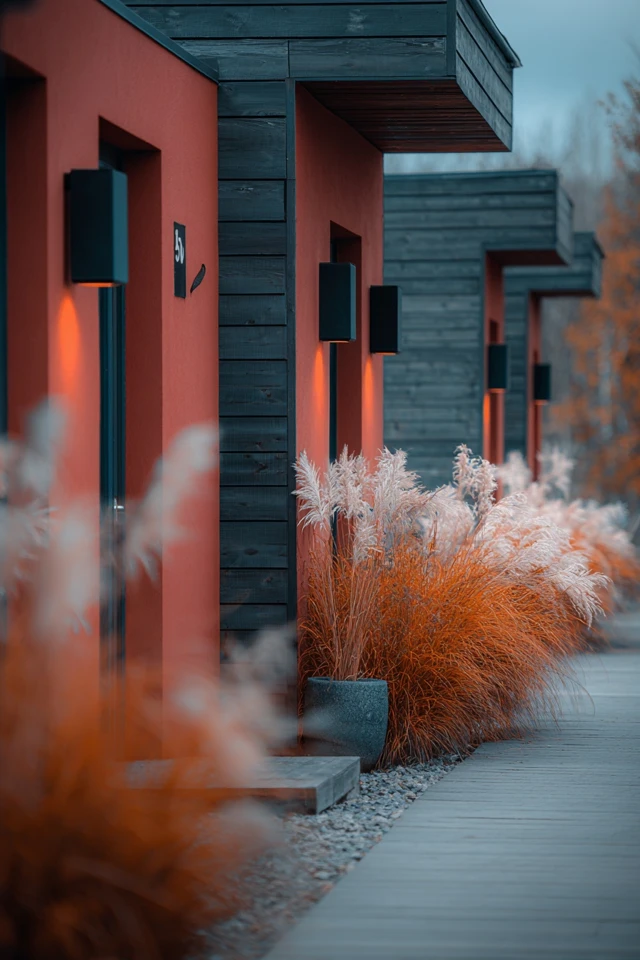
Start with one change: rearrange the seating group, test a paint color, or swap a bulky chair for a bench with storage. I recommend doing the layout first, since it costs nothing.
Frequently asked questions
What are some good ideas for the interior of a small cabin?
Light walls, built-in storage, multifunctional furniture, layered lighting and a limited palette of natural materials work well. Keep walkways clear and choose furniture sized to the room.
What is the cheapest way to build a small cabin?
Prepackaged kits are a common route, and sizes such as 16x20 feet are widely sold. Costs vary by region and site, so get local quotes and check codes with a licensed builder.
How can I make a small cabin feel larger?
Use a light cohesive palette, minimal window treatments, mirrors opposite windows and furniture that doubles as storage. Fewer, larger pieces usually look calmer than many small ones.
Which flooring is best for a cabin with a dog?
Wide-plank engineered wood or wood-look porcelain tile tolerates wear and is easy to clean. Add washable rugs where your dog lounges.
Filed under
ArticlesMeet the author
Written by an architect.
Julio Arco is a passionate architect with years of experience in architecture, interior design, urban design, and housing. He studied at prestigious universities across North America and Europe.

- Name
- Julio Arco
- Job
- Architect and online interior designer
- Studied
- Architecture, ITESM · Urban Design and Housing, McGill
- Partner
- Thor, Australian Shepherd
- Thor’s title
- Head of quality control