Wall and Floor Decorating Ideas, Including Glass Floors

By Julio Arco
Architect and online interior designer
In this post
Decorate the wall or the floor first, not both at once. Pick one to carry the pattern or texture and let the other stay calm. A bold tile floor wants quiet walls, and a textured accent wall wants a simple floor.
Below are ideas for both surfaces, from paneling and art to rugs and even glass floor inserts, plus how to pair colors so the room reads as one space.
Which wall decor ideas work best for a living room?
For wall decor ideas for a living room, start with the largest blank wall, usually behind the sofa or the TV. Large surfaces can take one big move: paneling, a deep paint color, a big piece of art or a full shelf wall. Several small frames scattered across it usually look busier than one large piece.
Hang art with its center at about 57-60 inches from the floor, and keep the bottom of a frame roughly 6-10 inches above a sofa back. If you plan a TV over the mantel, the TV above fireplace ideas post covers height and glare.
Accent wall ideas for every room
The best accent wall ideas for every room follow one rule: choose the wall people look at first when they walk in, not the one that is easiest to paint.
- Living room: the wall behind the sofa, in paneling, a darker paint or wallpaper with a small pattern.
- Bedroom: the wall behind the headboard. A tall upholstered or wood headboard against a textured wall is plenty.
- Kitchen: tile on the wall behind the range or sink, which is also the easiest place to wipe clean.
- Entry: a board-and-batten wall with hooks. It handles leashes, bags and muddy paws better than flat paint.
- Home office: the wall behind your video-call chair. See home office inspiration for layouts.
Paneling and molding
Applied molding, board and batten and slatted wood all add shadow lines, which makes a plain wall look finished without color. Matte paint hides the lines less than gloss, so a satin or matte finish keeps the effect soft. If you want to try it, wall molding ideas walks through patterns.
Tile and flooring on walls
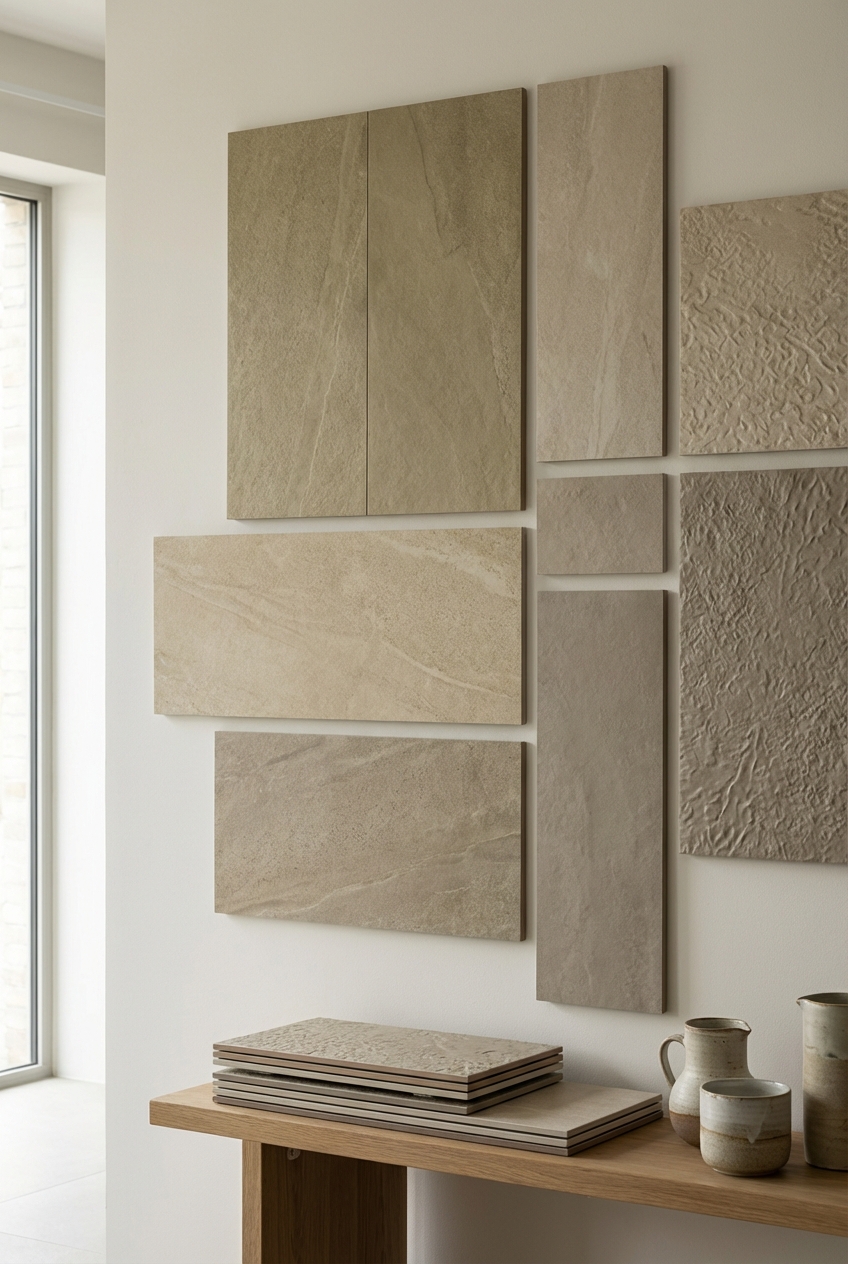
Tile works above a kitchen counter, behind a bathroom vanity or on a fireplace surround. Using flooring planks on a wall is a real option too: wood-look planks behind a bed or a bench are a quick way to add texture. Fasten them to a solid substrate and keep them off damp areas unless the product is rated for moisture.
What to put on the floor for decor
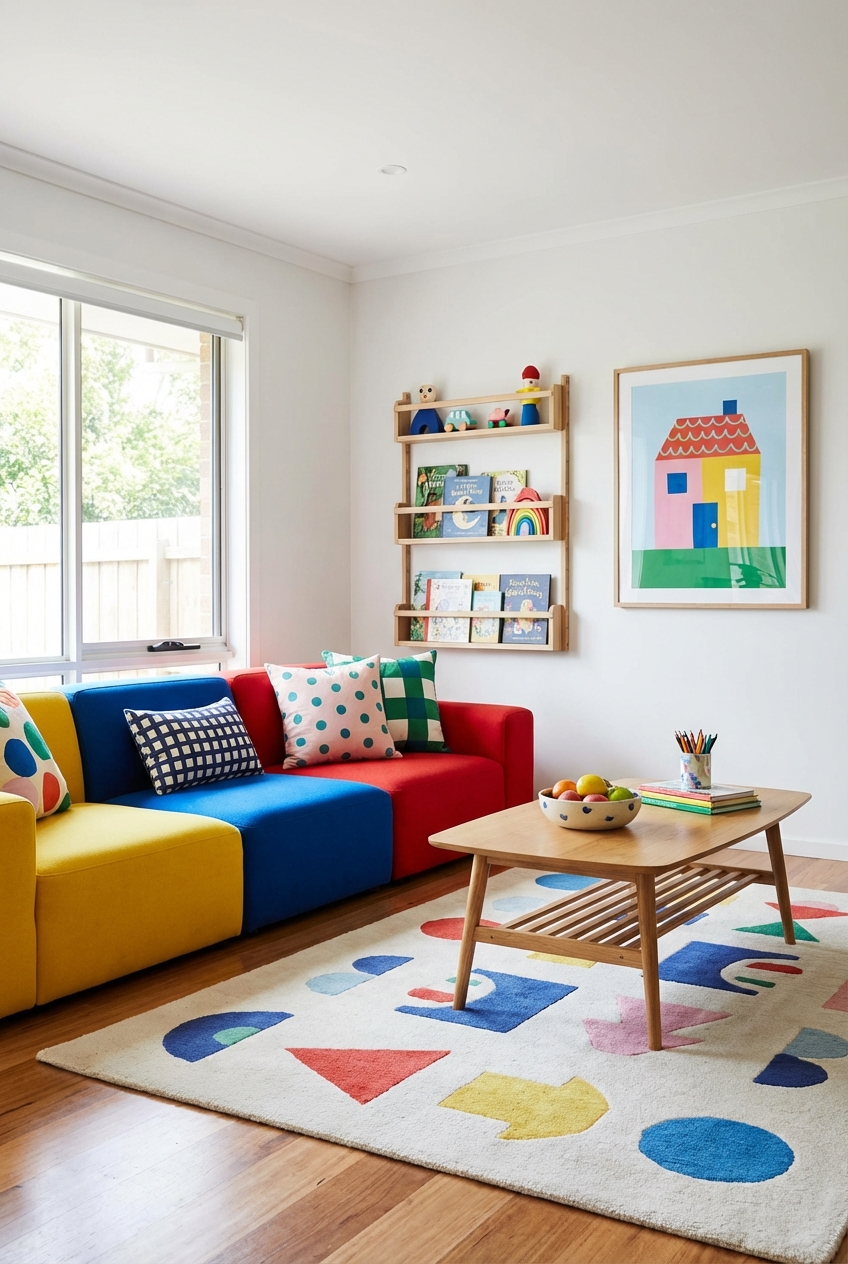
If you are wondering what to put on the floor for decor, the short list is a rug, a pattern in the flooring itself, a large plant in a heavy planter, or a low piece like a pouf or a floor basket. Rugs do the most work. They define a seating area, soften sound and add color without a renovation.
A few floor decoration ideas that hold up in a home with pets and kids:
- Low-pile or flat-weave rugs that wash or vacuum easily.
- A runner in the hallway or entry, where grit and paws land first.
- Patterned tile or a border inlay in a small room such as a bathroom or laundry room.
- Heavy planters, not tall lightweight ones, so a tail or a zoomie does not topple them.
Anchor every rug. A review of fall injuries tied to rugs and carpets notes that loose throw rugs and area carpets with curled edges or folds are among the factors most often named as unsafe and as raising fall risk. As an architect, I recommend a non-slip pad under every rug and replacing any rug whose corners no longer lie flat.
Can you decorate with a glass floor?
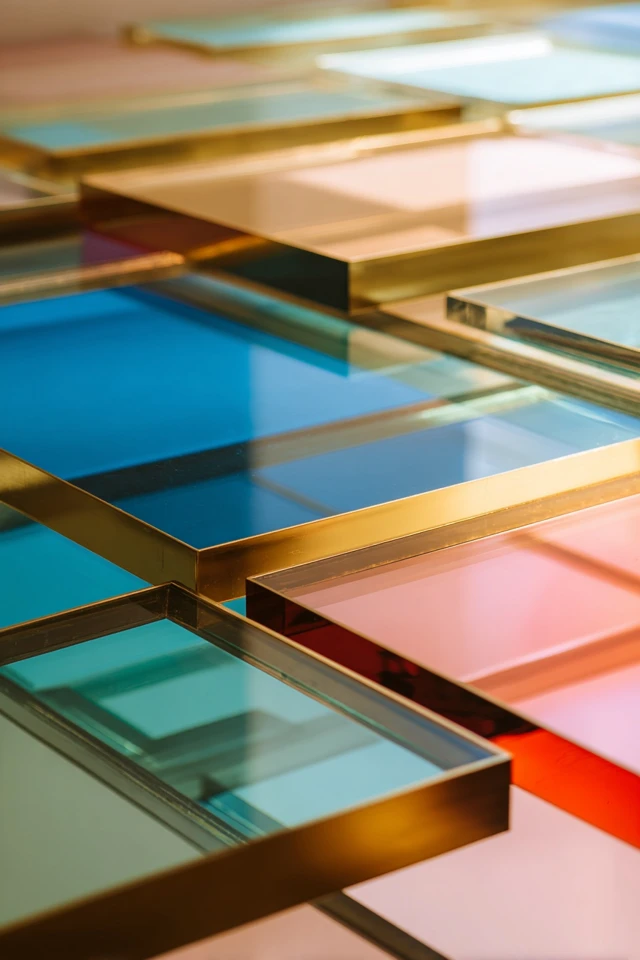
Yes, but it is a construction project, not a styling choice. Glass inserts let daylight reach a room below or show a view of a lower space. Any walkable glass needs laminated, tempered safety glass, correct framing and a licensed structural engineer who checks local building codes. I would not attempt it as a DIY job.
Once it is installed, decorating around it is simple:
- Put a rug beside the panel, not over it, so the glass stays visible and the edge reads clearly.
- Choose frosted or patterned glass where you want privacy or less visible footprints.
- Add dimmable lights around the perimeter so the edge is easy to see at night.
- Pair the glass with warm wood or matte stone so the room does not feel cold.
If you share the home with a dog, remember that smooth glass can be slippery under paws. Add a runner or textured finish on the paths they use, and check with your vet if your dog has joint or mobility problems.
What is the best color combination for floors and walls?
The best color combination for floors and walls is one where the two differ in lightness. A light floor with mid-tone walls, or a dark floor with light walls, keeps the room from blurring together. Matching undertones matters more than matching colors: warm wood floors sit well with cream, clay and warm gray, while cool gray floors suit blue-green and slate walls.
A few quick checks:
- Test paint on two walls and look at it in morning and evening light.
- Hold a flooring sample against the wall color, not just against the paint chip.
- If the floor has a strong pattern, keep walls to one plain color.
- Glossy floors bounce light and show every paw print, while matte finishes absorb it and hide marks better.
Pick materials by room
Match the surface to what the room goes through. Entries and kitchens need wipeable walls and tough floors. Bedrooms can take softer materials like upholstered panels and thick rugs. Bathrooms need anything on the wall or floor to be rated for moisture.
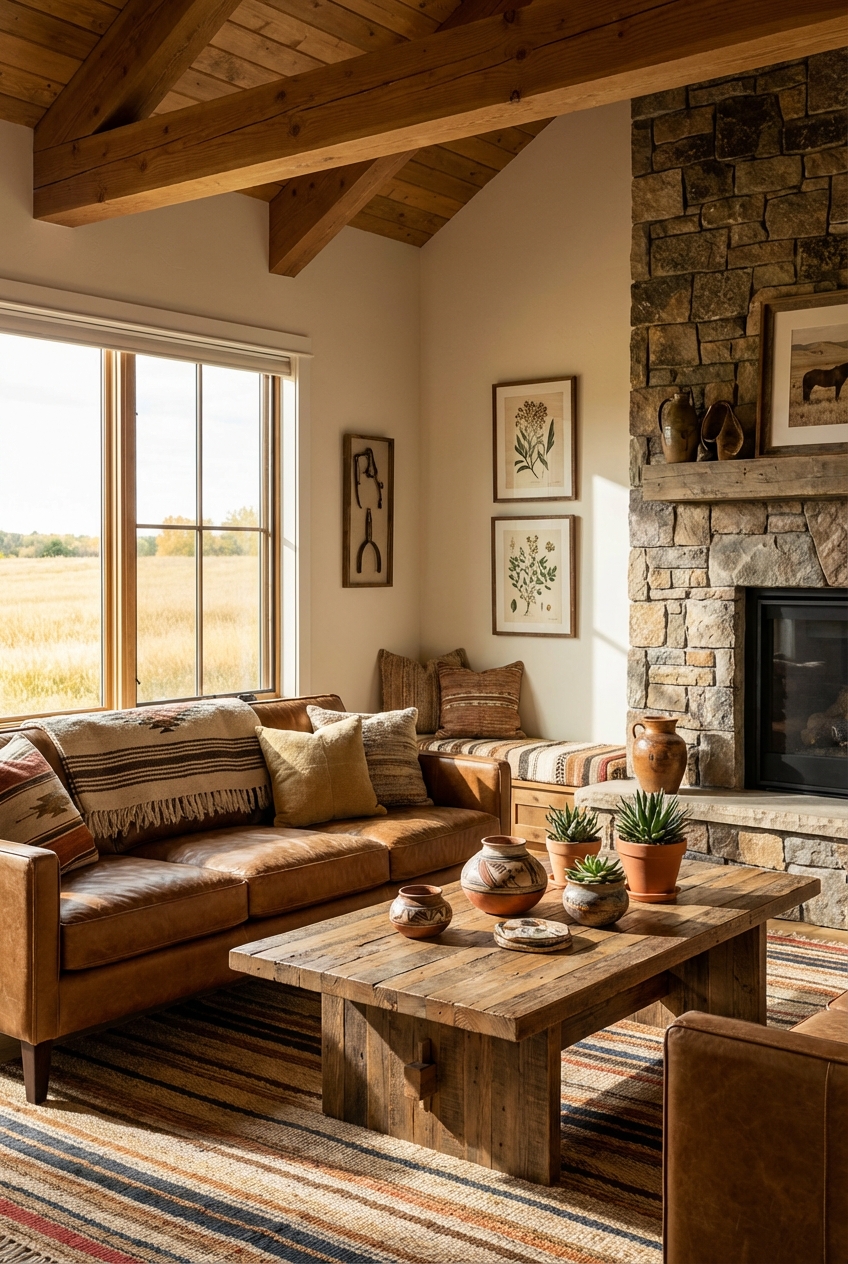
If your style leans a certain way, borrow from it: modern rustic favors wood and stone, and boho style favors layered textiles and woven pieces.
DIY or professional?
Paint, peel-and-stick tile, applied molding and hanging art are reasonable weekend jobs. Floor tile, anything that changes the structure, electrical work for wall lighting, and all glass flooring belong with a licensed professional. If you rent, stay with paint you are allowed to use, leaning art on a shelf, and rugs.
Frequently asked questions
What is the 3-5-7 rule in decorating?
It is a styling guideline for grouping objects in odd numbers, usually three, five or seven, because uneven groups look more natural than pairs. Use it for a shelf, a console or a coffee table, and vary the heights.
What are the current wall decor trends?
Textured finishes such as paneling, slatted wood and plaster-look paint keep showing up, along with mixing art with shelves. Trends change quickly, so choose materials you will still like and swap the art and accessories.
Will a glass floor make a small room feel larger?
A small glass insert can bring light into a room and extend sightlines, which helps a compact space feel more open. It needs structural planning and safety glass, so involve a licensed engineer first.
Is a glass floor safe for homes with pets?
Laminated, tempered glass installed to code is meant for walking, but smooth surfaces can be slippery for paws. Add runners or a textured finish, and check with your vet if your dog has mobility issues.
Filed under
ArticlesMeet the author
Written by an architect.
Julio Arco is a passionate architect with years of experience in architecture, interior design, urban design, and housing. He studied at prestigious universities across North America and Europe.

- Name
- Julio Arco
- Job
- Architect and online interior designer
- Studied
- Architecture, ITESM · Urban Design and Housing, McGill
- Partner
- Thor, Australian Shepherd
- Thor’s title
- Head of quality control