Gorgeous Container Home Ideas Decor That Feels Effortless
Shipping container home decor ideas for small spaces: color, layout, insulation-friendly finishes, lighting and storage to make a steel box feel like home.

By Julio Arco
Architect and online interior designer

In this post
- How do you decorate a shipping container home?
- Which colors make a container feel bigger?
- How should you lay out a small container home?
- Which materials and textures work best?
- How do you light a container home?
- What are good DIY decor ideas for a container?
- How do you keep it timeless?
- Frequently asked questions
The short answer to how to decorate a shipping container: keep the palette light and calm, plan the layout before you buy anything, and use texture to soften all that steel. A container is narrow and fixed, so every piece of furniture and every color has to earn its place.
Below are shipping container home decor ideas that work for a single module or a multi-container plan, from color and layout to materials, lighting and storage.

How do you decorate a shipping container home?
Start with the room's limits. A standard container interior is narrow, so you work with one long axis. Measure the width, the ceiling height and the window and door positions, then sketch where the bed, seating and kitchen go. Decorate only after that.
A few principles do most of the work in a small container house interior design:
- Scale: choose furniture sized to the box. Oversized sofas eat the walkway; modular and multifunctional pieces keep it open.
- Balance: put low seating on one side and open shelving or tall storage on the other, so the room doesn't feel lopsided.
- Repetition: a consistent color family, one or two wood tones and matching hardware make a narrow room feel intentional instead of cluttered.
- Contrast: a dark window frame or a deep accent wall gives depth against light wood.
Which colors make a container feel bigger?
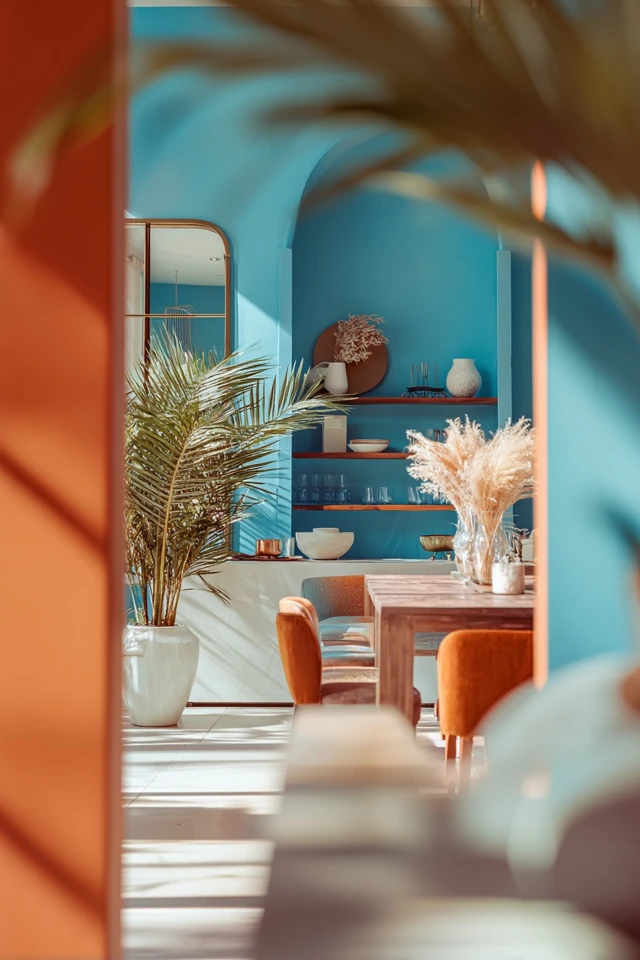
Light, low-saturation colors reflect daylight softly and make narrow walls recede. Soft white, pale gray-blue, warm beige and sage all work. Keep strong saturation for small hits: cushions, art or one end wall.
Light changes everything, so paint large samples and look at them in the morning and evening. Warmer undertones help in rooms that get cool daylight; softer neutrals help where sun is strong and glare is a problem. Warm tones suit the living area, and cooler ones suit a sleeping nook.
How should you lay out a small container home?
Plan circulation first. Leave a clear path of about 30-36 inches for your main walkway, and put tall storage on one long side and seating on the other so you get one clean central line.
Define zones without walls
Rugs, lighting and half-height partitions mark the living, cooking and sleeping areas while keeping the sightline open to the far end. Unbroken sightlines are the cheapest way to make a long, narrow room feel larger.
Choose furniture that does two jobs
Fold-down tables, storage ottomans, convertible sofas, wall-mounted desks and Murphy beds free up floor area. In a very small module, go vertical with a lofted bed and storage under the seating. If you work from home, the ideas in this white home office post fit a narrow wall well.

Which materials and textures work best?
Steel is hard, cool and reflective, so the interior needs softness. Wood, rattan, stone and butcher-block counters add warmth. Linen curtains, wool throws and bouclé cushions help absorb sound, which matters in a metal box that can echo.
On finishes, matte surfaces hide imperfections and cut glare, while satin or gloss bounce light and brighten a dim corner. A matte wall, satin cabinets and a little polished metal make a good mix. Limit metals to two tones.
If you live with a dog, I recommend durable, wipeable floors and performance fabrics or washable covers on anything they can climb onto. In humid or coastal climates, pick moisture-resistant finishes.
How do you light a container home?
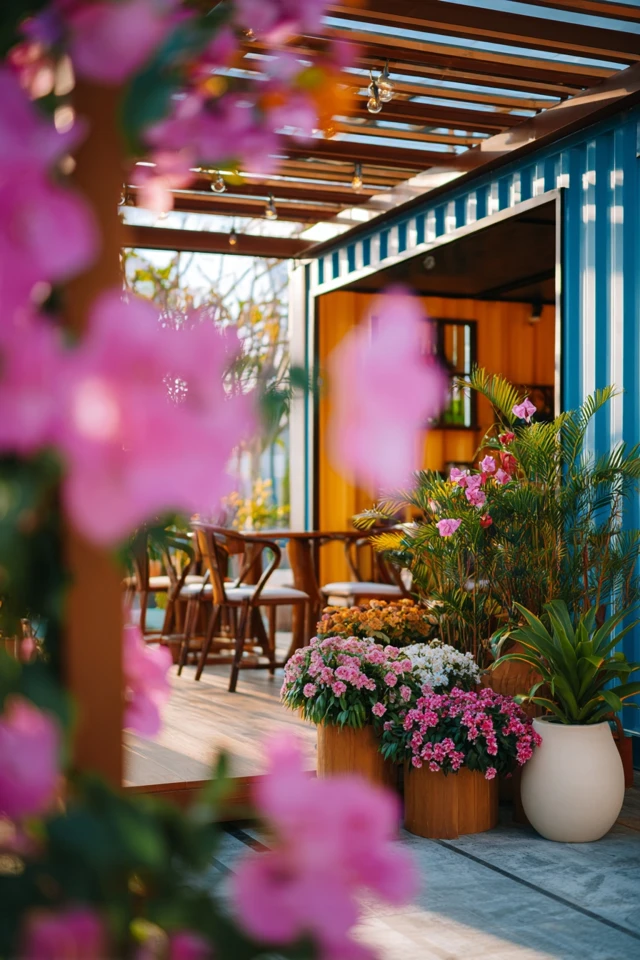
Use three layers: ambient light overhead, task light where you read or cook, and accent light for art or a feature wall. Dimmers are worth the small extra cost, since one room often serves as kitchen, lounge and bedroom in a single day. Warm bulbs suit living areas; a cooler, high-quality light suits the kitchen and desk.
Windows matter as much as fixtures. Keep them clear of tall furniture so daylight reaches the whole length of the room. For a cozy sleeping nook, the lighting suggestions in our bedroom lighting post translate directly.
What are good DIY decor ideas for a container?
Most of the effective shipping container home decor DIY projects are cheap and reversible:
- Build a mood board with paint chips, fabric swatches and material samples before you buy.
- Add a reclaimed-wood or paneled accent wall to break up the steel.
- Use runner rugs along the long axis to guide movement.
- Install open upper shelves and tall cabinets to draw the eye up and save floor space.
- Group a few low-maintenance plants. If you have pets, check with your vet that they're safe before bringing them in.
Insulation, wiring and structural cuts are not DIY decor. Have a licensed professional handle them, because a poorly insulated container gets hot, cold and damp quickly.
How do you keep it timeless?
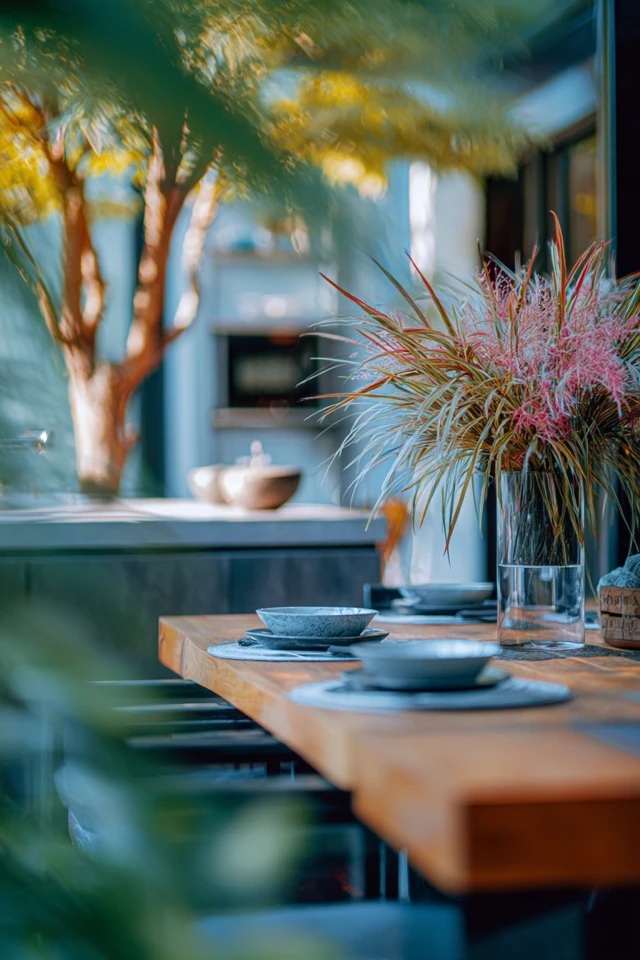
Build the base from neutral paint, classic main furniture and good finishes. Then put trends into pieces that are easy to swap: textiles, art and lamps. Reclaimed materials and Japandi-style restraint suit container interiors because they favor few, well-made things. A vintage or handmade piece or two keeps the room from looking like a catalog.
Declutter regularly and give everything a hidden home. In a small room, visible clutter is the fastest way to lose the calm you designed.
Frequently asked questions
What are the downsides of living in a shipping container home?
Narrow interiors limit layout choices, and steel conducts heat and cold, so insulation and moisture control need careful planning. A licensed professional should handle structure, insulation and wiring.
How can I make a small container room feel larger?
Use light, low-saturation colors, keep sightlines clear and choose low-profile furniture. Vertical storage and multifunctional pieces free the floor.
How do I mix patterns in a tiny space?
Stick to two or three pattern scales within one color family, and repeat a color across textiles to tie them together. Add solids so the eye has somewhere to rest.
Filed under
ArticlesMeet the author
Written by an architect.
Julio Arco is a passionate architect with years of experience in architecture, interior design, urban design, and housing. He studied at prestigious universities across North America and Europe.

- Name
- Julio Arco
- Job
- Architect and online interior designer
- Studied
- Architecture, ITESM · Urban Design and Housing, McGill
- Partner
- Thor, Australian Shepherd
- Thor’s title
- Head of quality control