Japanese Bathroom Design: Layout, Materials, Ideas
Learn what defines a Japanese bathroom, from the wet zone and deep soaking tub to wood, stone and warm light, plus how to copy it in a small space.

By Julio Arco
Architect and online interior designer
In this post
- What is a Japanese style bathroom?
- How to make a Japanese style bathroom
- Which materials suit a Japanese bathroom?
- Small Japanese bathroom design
- Japanese bathroom design with shower
- Modern Japanese bathroom design
- Color, light and warmth
- Plants, textiles and small accessories
- Keep it easy to maintain
- Frequently asked questions
A Japanese bathroom separates washing from soaking. You rinse off first in a wet zone, then ease into a deep tub that is kept clean for relaxing. Around that routine, the room stays quiet: natural wood, stone, soft light and very little clutter.
You don't need a big room or a remodel to borrow the idea. Most of it comes down to a few layout choices and a short list of materials.
What is a Japanese style bathroom?
The defining feature is the bathing routine. A review of Japanese-style bathing describes it as soaking in hot water up to the shoulders in a deep bathtub for a long time in the evening, which is different from Western-style bathing. Because you wash before you get in, the tub water stays clean and the tub becomes a place to unwind rather than to scrub.
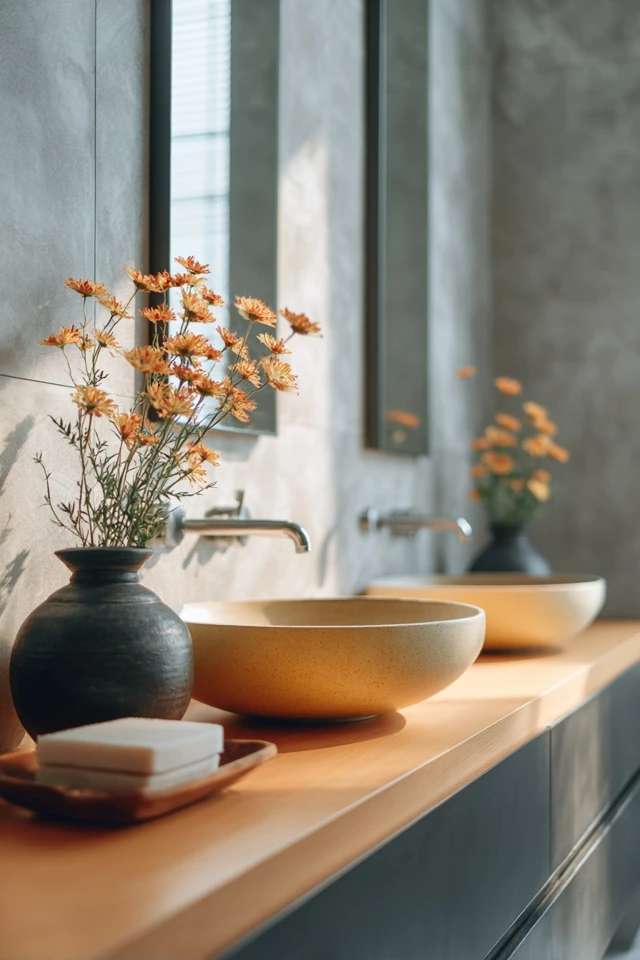
The look follows from that. Surfaces are simple and tactile, colors are muted, and the floor is built to get wet. Nothing is there only for decoration.
How to make a Japanese style bathroom
- Create a wet zone. The shower area and the tub share one waterproof space with a floor drain, or at least a clearly separated shower area.
- Add a deep tub. A soaking tub where you sit upright with water to the shoulders fits the tradition better than a long, shallow one.
- Pick two or three natural materials and repeat them: wood, stone or stone-look tile, and perhaps bamboo.
- Keep the palette soft. Warm whites, beige and pale gray, with one dark accent such as a matte black faucet.
- Light the room in layers, with warm, dimmable bulbs rather than a single bright ceiling fixture.
- Hide the clutter in recessed niches and drawers so the surfaces stay clear.
Which materials suit a Japanese bathroom?
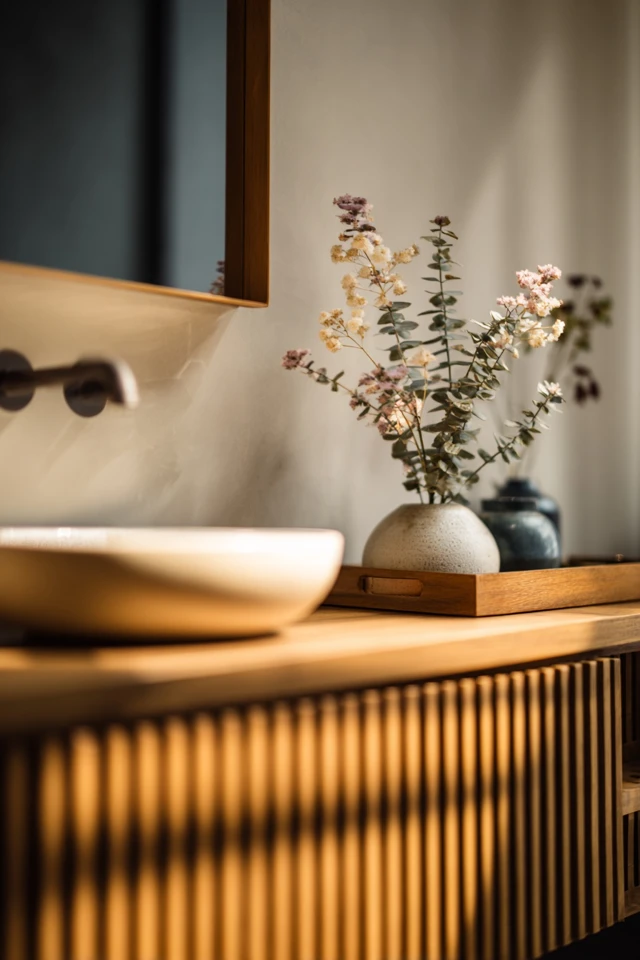
Wood is the signature. Traditional soaking tubs are often made of cypress (hinoki), which smells lovely but needs drying and care. If you want the look with less upkeep, use wood on a vanity, a slatted bench or a towel bar, and keep it out of constant splash zones. Teak and sealed hardwoods handle humidity better than most.
For floors and walls, matte stone, pebble inserts or textured porcelain work well. Matte surfaces diffuse glare, and texture gives your feet grip. If you like soapstone, know that it needs upkeep: Iowa State University Extension notes that soapstone doesn't need sealing but does need to be oiled regularly.
Glossy and matte surfaces behave differently. Gloss bounces light and creates sharp reflections, matte absorbs it and softens shadows, which is why matte finishes suit a calm room.
Small Japanese bathroom design
Small bathrooms are where this style works best, since it favors compact, efficient layouts. A few moves help:
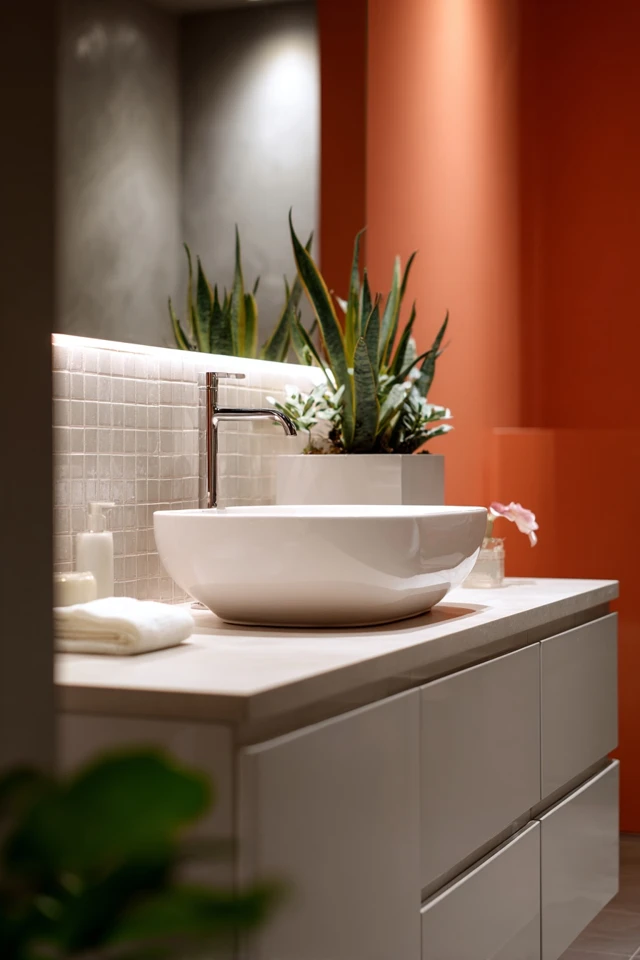
- Choose a wall-hung vanity so more floor shows.
- Use a frameless glass panel for the shower instead of a curtain or a solid wall.
- Carry the same floor material into the shower area to make the room read as one space.
- Swap a standard tub for a short, deep soaker if you have the footprint, or skip the tub and treat the shower as the wet zone.
Japanese bathroom design with shower
If a deep tub is out of reach, a walk-in shower still captures the wash-first ritual. Keep a low wooden stool and a small bucket or handheld sprayer in the shower, slope the floor gently toward the drain, and use a slip-resistant tile. A fixed bench is a good addition if anyone in the household has trouble standing for long.
When tub and shower share one wet room, a combined layout saves space. Keep a clear step or threshold detail simple so water stays where it should, and ask a licensed plumber or contractor about waterproofing and drainage before you commit.
Modern Japanese bathroom design
A modern version keeps the same logic with cleaner lines: a floating vanity, a large-format stone-look tile, a rectangular freestanding tub and a concealed storage wall. Let one material lead, say wood on the vanity, and carry it to one adjacent surface. For more in this direction, see our post on modern Japanese bathroom decor.
Color, light and warmth
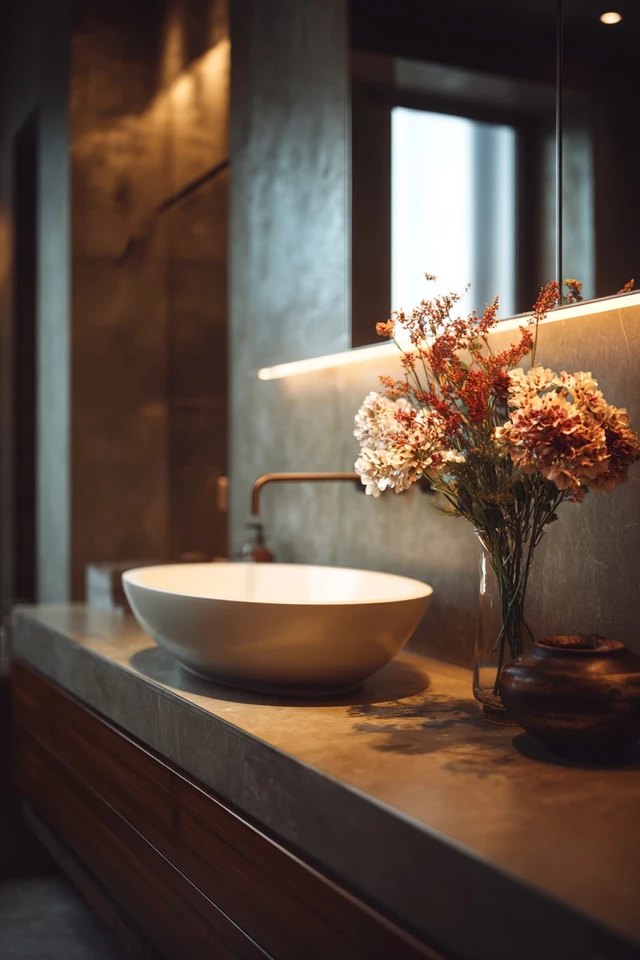
Start with soft off-white or warm ivory walls in a satin or eggshell finish, add wood and stone tones, and limit dark accents to hardware or trim. Cool lighting can make even warm whites look bluish, so choose warm, dimmable LEDs and put light at several heights: ambient overhead, task light by the mirror and a low accent glow.
Warmth is a comfort and safety matter too. The same review notes that for safe, comfortable winter bathing the dressing room and bathroom temperature should stay at 20 °C or higher, and a few degrees more is recommended for older adults (NIH-hosted review). Heated floors or a small bathroom heater can help in cold climates.
Plants, textiles and small accessories
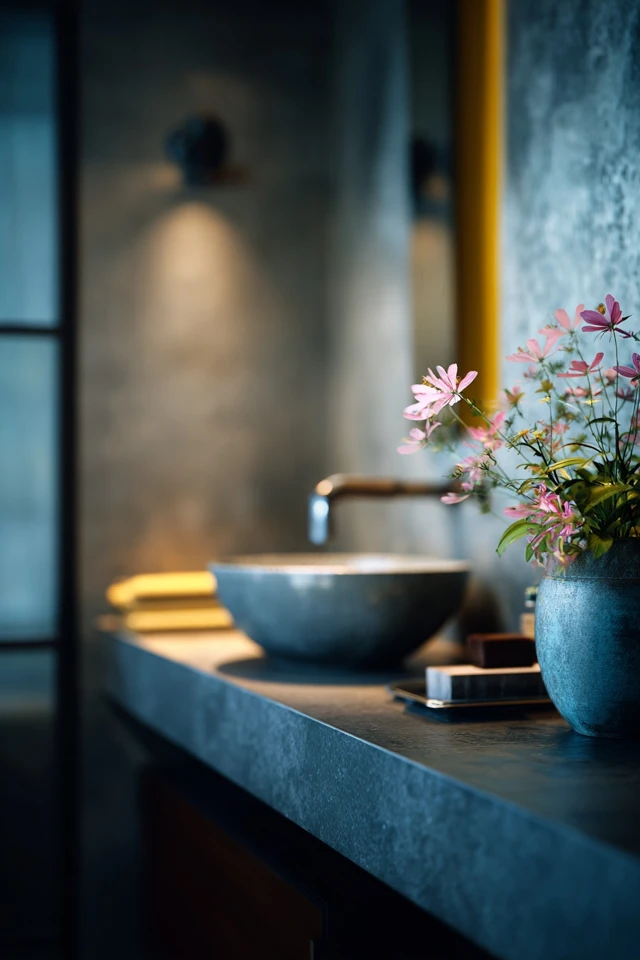
A single humidity-tolerant plant, a bamboo tray or a linen towel is enough. If you have a dog or cat, check any plant with your vet or a pet-toxicity list before bringing it in, since bathrooms are often where pets follow you.
Skip thick bath mats if anyone uses a mobility aid. The U.S. Access Board points out that thick, cushiony or loose carpet impairs accessibility, and the same logic applies to plush mats. A thin, washable, quick-drying mat with a non-slip backing is a safer choice.
Keep it easy to maintain
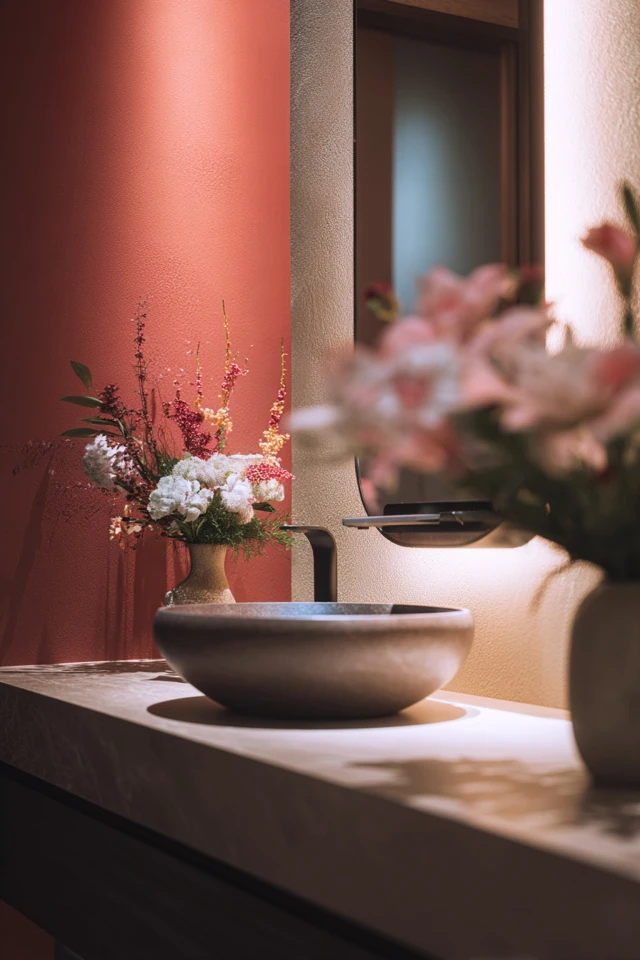
Use non-porous surfaces in wet areas, seal grout, and make sure the room is well ventilated so wood and textiles dry between uses. As an architect, I recommend planning the exhaust fan and the drain slope before choosing finishes, because a beautiful room that stays damp won't age well. Related ideas for tight spaces are in our guide to apartment bathroom ideas and a few finishing touches in bathroom wall art ideas.
Frequently asked questions
What does a bathroom look like in Japan?
Many have a separate washing area with a drain, a deep soaking tub, and a separate toilet room. Surfaces are usually simple, with wood, tile or stone and few decorations.
Do I need a deep tub for a Japanese-style bathroom?
No. A walk-in shower with a stool, a bucket or handheld sprayer and natural materials gives you much of the look and routine.
What are the Japanese design trends for 2026?
There is no single verified list, but the style keeps leaning on matte natural materials, warm layered light and hidden storage. Treat trendy pieces as small accents so the room stays timeless.
Filed under
ArticlesMeet the author
Written by an architect.
Julio Arco is a passionate architect with years of experience in architecture, interior design, urban design, and housing. He studied at prestigious universities across North America and Europe.

- Name
- Julio Arco
- Job
- Architect and online interior designer
- Studied
- Architecture, ITESM · Urban Design and Housing, McGill
- Partner
- Thor, Australian Shepherd
- Thor’s title
- Head of quality control