Gorgeous Victorian Bedroom Decor That Feels Effortless
Victorian bedroom decor explained: defining traits, typical colors, ornate furniture, textiles and easy ways to adapt the style for small or modern rooms.

By Julio Arco
Architect and online interior designer
In this post
- What are the defining characteristics of a Victorian bedroom?
- Which colors suit a Victorian bedroom?
- How do you choose furniture and a headboard?
- Which textiles and wall decor complete the look?
- How do you decorate a small Victorian bedroom?
- How do you make a modern Victorian style bedroom?
- Frequently asked questions
Victorian bedroom decor comes down to layered color, carved or turned wood, symmetry, and plenty of texture. You don't need a period house or a roomful of antiques to get the look. A few well-chosen pieces and a considered palette do most of the work.
Below you'll find the defining traits, the colors that suit the style, furniture and textile advice, and ways to adapt it for a small room or a modern home.
What are the defining characteristics of a Victorian bedroom?
The Victorian era covered several architectural fashions, so the style is more a family of looks than one recipe. The National Park Service describes the Italianate style as most prevalent in America between the 1850s and the 1880s, with a low, overhanging roof and decorative brackets. Earlier, Greek Revival houses were boxy and rectangular, with pedimented roofs and columns. Rooms inside these houses often had tall ceilings, generous moldings and fireplaces.
In the bedroom, the recurring traits are these:
- Symmetry around the bed, with matching bedside tables and lamps.
- Dark or richly finished wood, often carved, turned or painted.
- Layered textiles: heavy drapery, patterned rugs, quilts, embroidered linen.
- Metal details such as brass bed frames and drawer pulls.
- Decorative architecture: cornices, ceiling medallions, fireplace surrounds.
Which colors suit a Victorian bedroom?
Victorian bedroom colors lean toward deep, slightly muted tones: olive and moss green, dusty rose, muted teal, burgundy, and warm browns. Paler versions work too. Soft gray, ivory and muted blue let the moldings carry the style, which suits a bedroom you want to feel restful.
Color changes with light, so test swatches on the wall and look at them in the morning and at night. A dark Victorian bedroom looks rich in a bright south-facing room and can feel heavy in a dim one. If your light is limited, put the deep color on one wall or in bedding and upholstery, and keep the other walls warm and light. Deeper reds feel intimate, but they can also make a room look smaller.
A simple finish plan helps: matte or eggshell on the walls, semi-gloss on trim. The sheen difference makes the molding read without extra decoration.
How do you choose furniture and a headboard?
Start with the bed. A tall carved wood headboard, a brass frame or an upholstered tufted one all read as Victorian. As an architect, I'd match the bed's scale to the ceiling: a low bed under a very high ceiling looks lost, while a tall headboard fills the wall.
Mahogany, walnut and painted pine all fit. If you mix woods, keep one dominant tone and use the others sparingly. Repeat one metal finish, such as brass, across lamp bases, mirror frames and pulls, so the room feels collected rather than random.
Which textiles and wall decor complete the look?
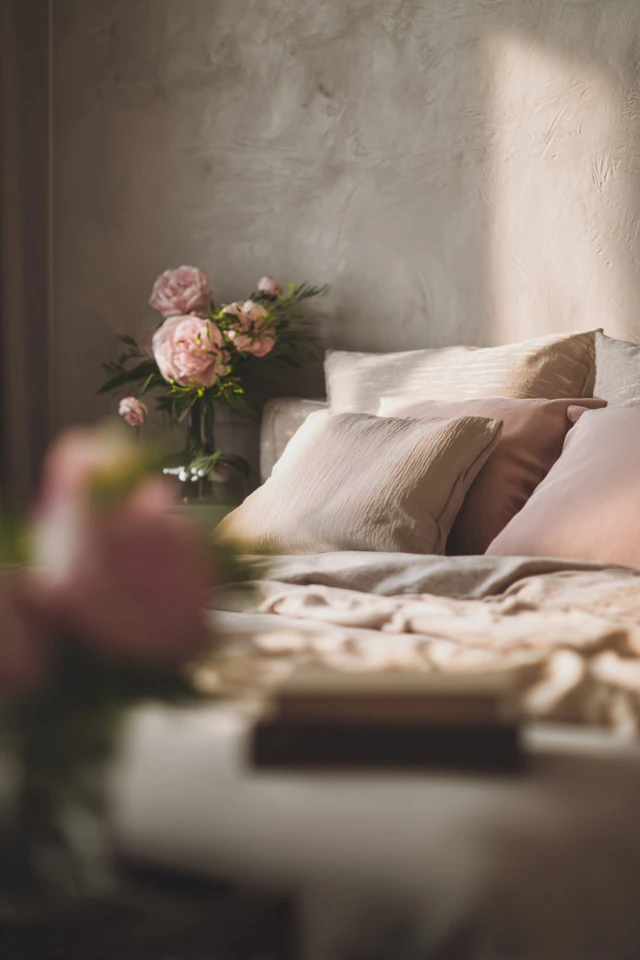
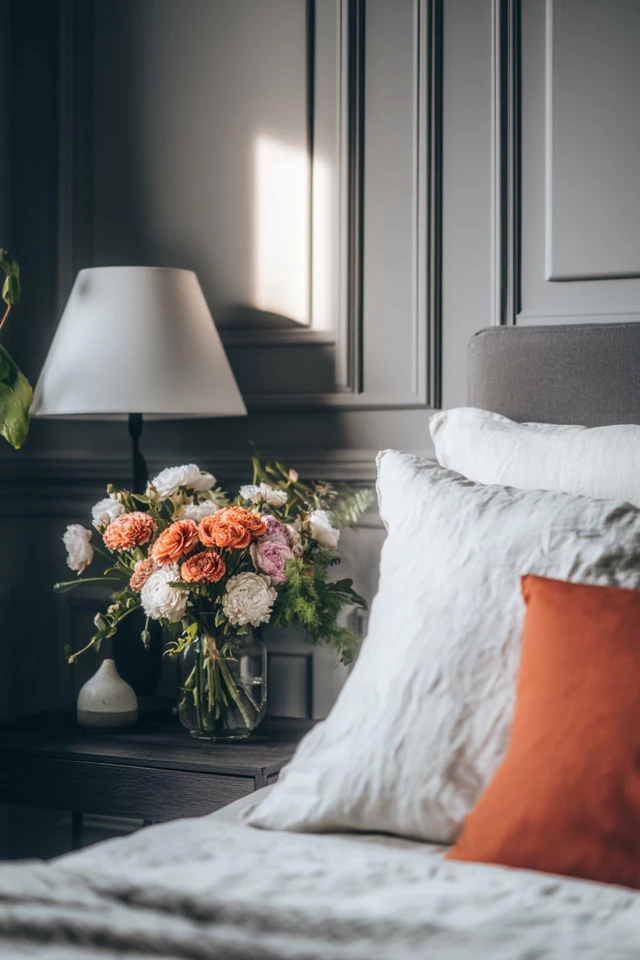
Velvet, embroidered linen and wool give the room its tactile character. Balance them with crisp cotton sheets so the bed doesn't sleep hot. A layered bed (sheet, light coverlet, heavier quilt, mixed pillows) looks period-appropriate and is easy to adjust by season.
For patterns, pick one dominant print (floral or damask), add a smaller stripe or geometric, and let a solid fill the rest. Vary the scale. Layer a vintage-style rug over wood floors to anchor the bed. If a dog or cat sleeps on the bed, choose washable covers and a rug you can vacuum or launder easily; delicate velvet and loose-woven throws snag on claws.
On the walls, a single ornate mirror, a group of framed prints and sconces are enough. Good bedroom lighting also matters, and our piece on bedroom lighting covers ambient, task and accent layers.
How do you decorate a small Victorian bedroom?
Small Victorian bedroom ideas work best when you keep the vertical drama and cut the bulk. Tall headboards, narrow bedside cabinets and curtains hung close to the ceiling echo the period's height without eating floor space.
- Choose a slim wardrobe or an ottoman with storage.
- Use wall-mounted shelves or sconces instead of large bedside tables.
- Hang a large mirror opposite the window to bounce light around.
- Stick to one rug, sized so the bed sits mostly on it.
Keep the main walkway clear, about 30-36 inches, and add a reading chair only if it doesn't pinch that path.
How do you make a modern Victorian style bedroom?
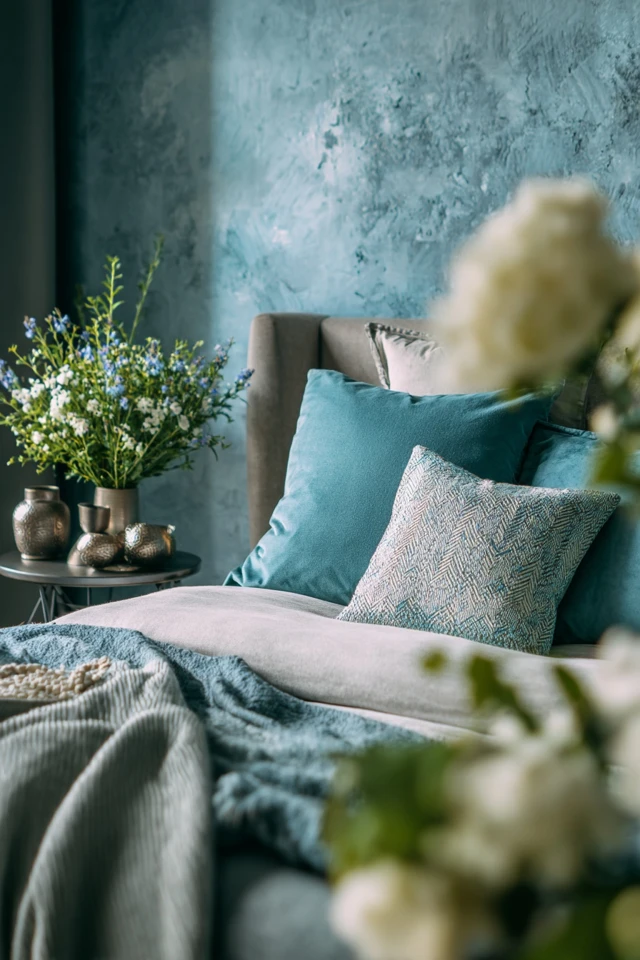
A modern Victorian style bedroom keeps two or three period anchors, such as a carved headboard, an antique mirror or a chest of drawers, and pairs them with plain contemporary pieces. Streamlined lamps, simple side tables and a clean-lined bench keep the room from feeling like a museum.
Hold the palette steady so different eras read as one story. Hide modern conveniences discreetly: cable management, dimmers and a plain smart bulb are easy to add. If you like a mix of eras and textures, our brick wall bedroom ideas show how raw surfaces and classic furniture can sit together. For simple Victorian bedroom decor on a budget, swapping drawer pulls and adding a patterned rug does more than buying new furniture.
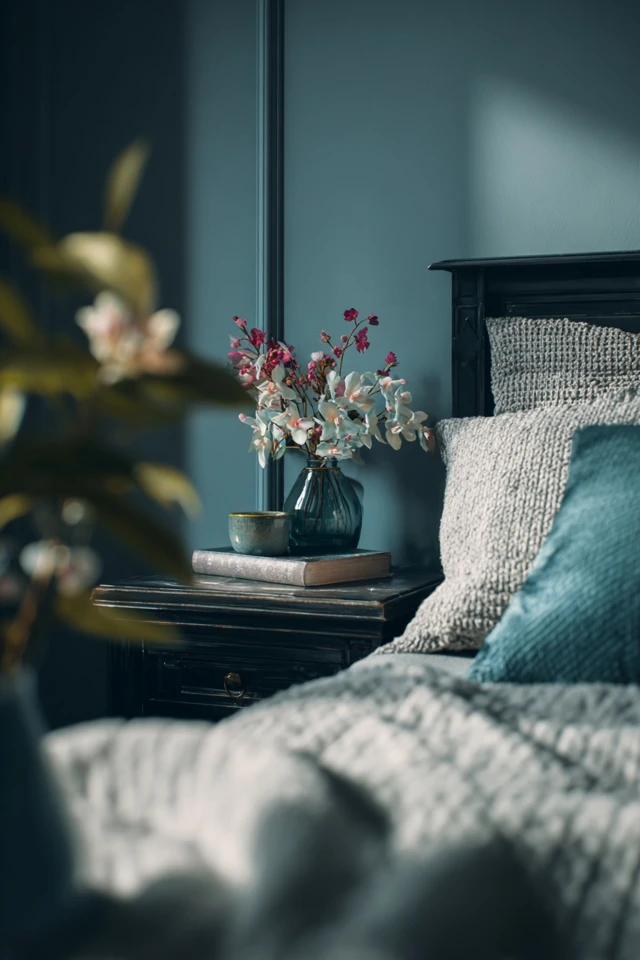
Before you buy anything, photograph the room and check the layout: the bed on the longest clear wall, a dressing or seating spot only if space allows, and a clear path to the door.
Frequently asked questions
What colors were commonly used in Victorian bedrooms?
Deep, muted tones such as olive green, burgundy, dusty rose and warm brown were typical, along with paler ivory and soft blue-gray. Today, the same hues work well either on all walls or as accents in bedding.
What are some ideas for decorating a Victorian bedroom?
Use a carved or upholstered headboard, matching bedside lamps, a patterned rug, layered bedding and one ornate mirror. Repeat a single metal finish for cohesion.
Can I use bold patterns without overwhelming the room?
Yes. Choose one statement pattern, balance it with solids and smaller prints, and repeat one color across them. Reserve the boldest print for curtains or one accent.
What paint finish works best in a Victorian bedroom?
Matte or eggshell on walls and semi-gloss on trim is a common pairing. The contrast in sheen makes moldings stand out.
Filed under
ArticlesMeet the author
Written by an architect.
Julio Arco is a passionate architect with years of experience in architecture, interior design, urban design, and housing. He studied at prestigious universities across North America and Europe.

- Name
- Julio Arco
- Job
- Architect and online interior designer
- Studied
- Architecture, ITESM · Urban Design and Housing, McGill
- Partner
- Thor, Australian Shepherd
- Thor’s title
- Head of quality control