How to Create Privacy in a Shared Bedroom – 10 Steps
In this day and age, it’s more common than ever to share a bedroom with someone else. Here are 10 tips on how to create privacy in a shared bedroom.

By Julio Arco
Architect and online interior designer
In this post
- 1Assess the shared room size and design a plan to divide it.
- 2Draw up a layout with rugs to create zones and boundaries.
- 3Use houseplants, hanging plants, or fill an etagere with small…
- 4Make rules for respecting private space and maintaining…
- 5Paint your walls and use different colors to distinguish each…
- 6Adjustable lighting fixtures draw attention away from certain…
- 7Add privacy features like drapes hung on rods providing light…
- 8Utilize storage boxes or cubbies to store items & hide messes…
- 9Experiment with ideas to maximize function while making sure…
- 10Have fun creating your own private space in the dorms!
- Create Privacy in a Shared Bedroom – FAQ
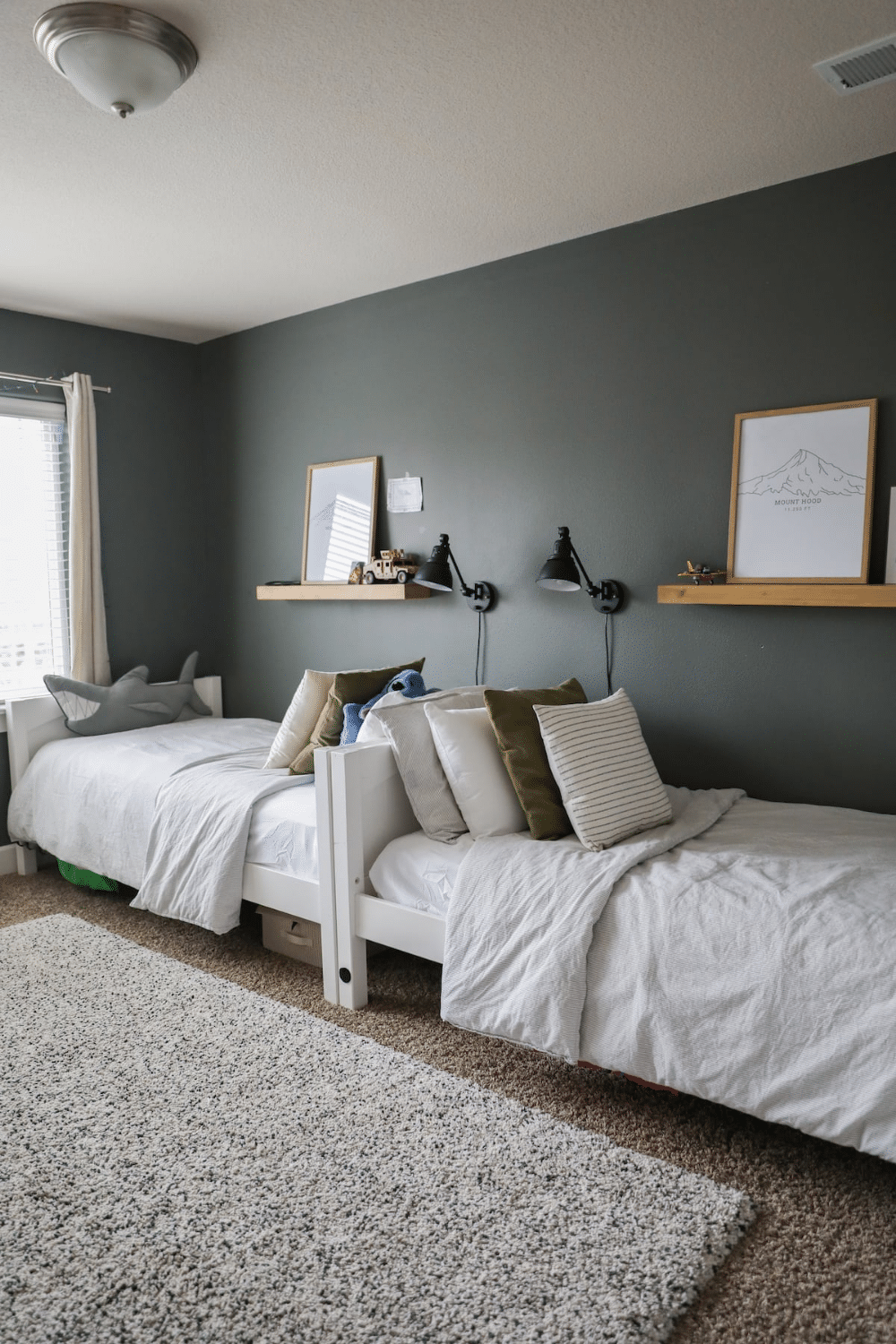
Sharing a bedroom can be an adventure, but it can also bring many challenges. Creating privacy in a shared bedroom is essential for feeling comfortable, secure, and respected.
While there may not always be an easy solution, there are ways to create the privacy you need without installing doors or cutting sheetrock! Some creative options include room dividers, furniture arrangements, decorative screens, and curtains, plus many more dorm privacy ideas.
Let’s explore how to create privacy in a room without a door and other creative ways to divide a shared bedroom – so you and your roommate (or your kids) can both have their own space!
When sharing a room with someone else, understanding expectations for each other’s privacy is key. To make this process easier, consider writing up “bedroom laws” together that establish boundaries for when one person should give the other some space. These road rules will help minimize potential conflicts and keep communication channels open between you both.
Ultimately when learning how to create privacy in a small room without a door – get creative! Look into all different kinds of ideas, no matter how small or large, then brainstorm your own custom solution specific to your needs – whether it’s your own living area versus bed/sleep area or even divvying up study vs. playtime zones within one large area – whatever works best suited just for you!
1.- Assess the shared room size and design a plan to divide it.
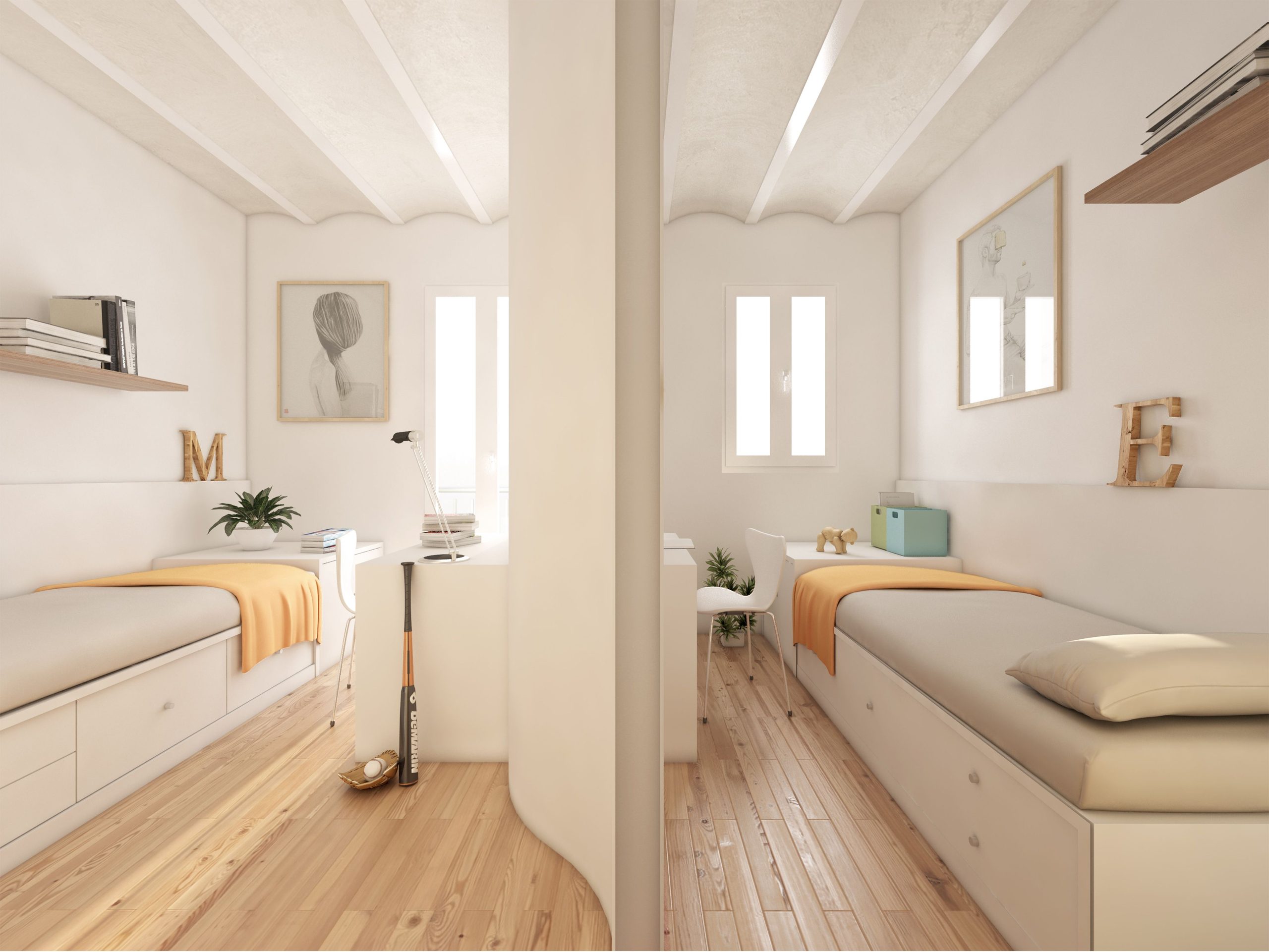
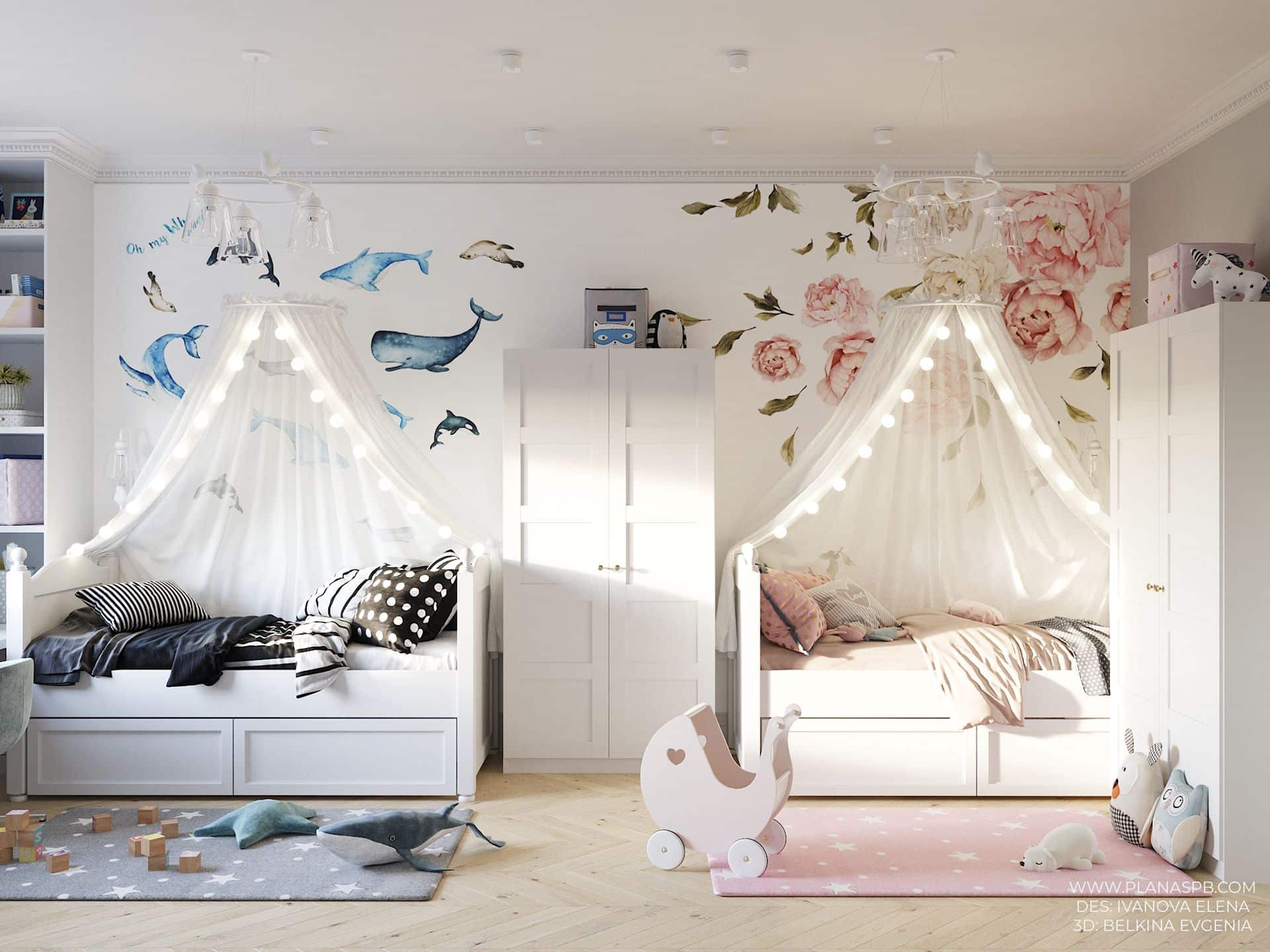
Creating privacy in a shared bedroom can be difficult yet rewarding. It is important to assess the size of the room and decide on a plan for dividing it in two. To accomplish this effectively, start by positioning furniture in such a way as to create separation between two areas.
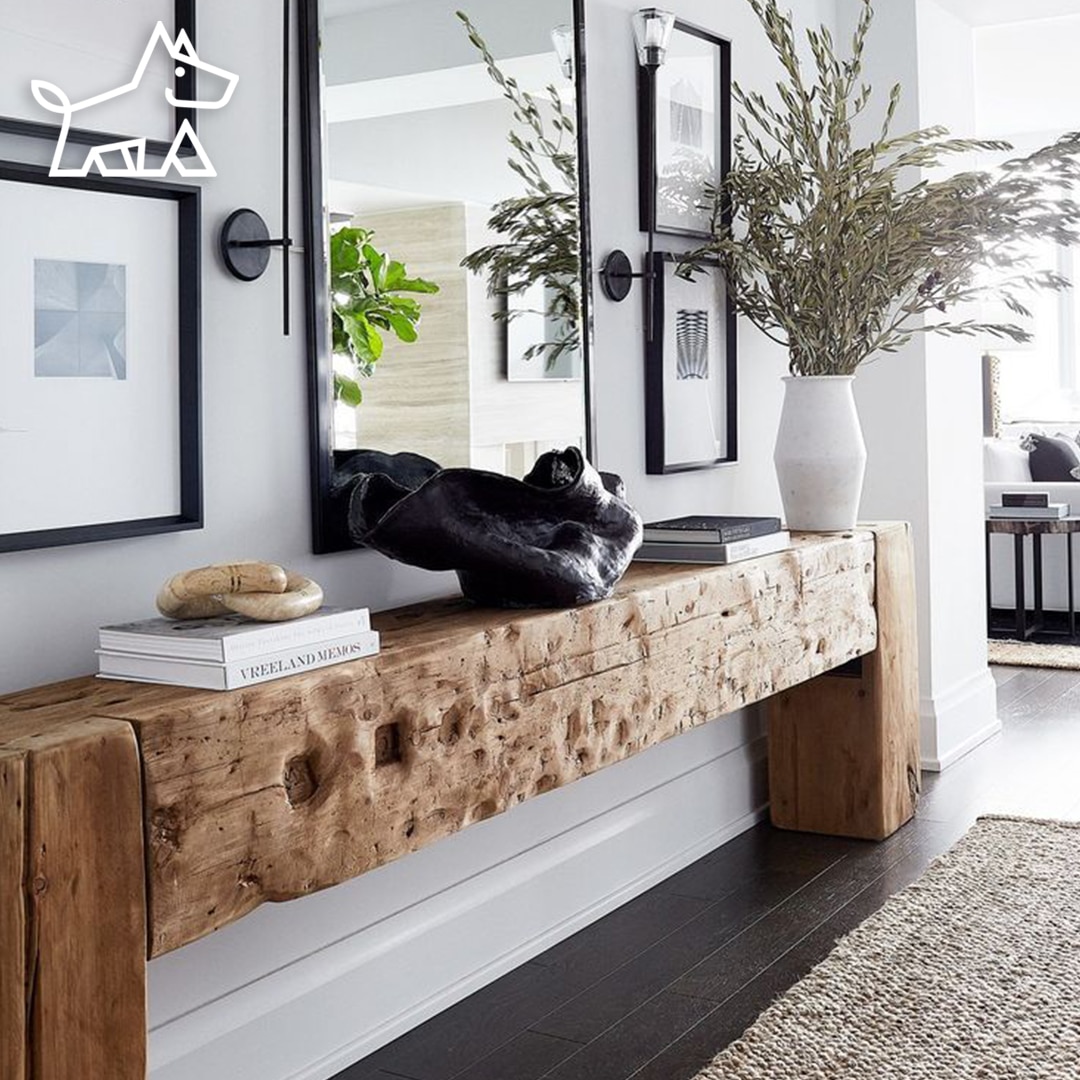
Creative ways to achieve this include throwing blankets or using tall furniture pieces such as an etagere to divide two sides of the room. Additionally, consider utilizing media consoles or hiding speakers within cabinets to free up some space.
Utilizing sound barriers can also aid in preventing eavesdropping and creating an atmosphere where personal conversations stay private. Furthermore, when setting up electronic entertainment devices like TVs, keep them at an appropriate level so that they are out of view but still able to be heard properly.
For pets that may occupy the bedroom space with you, hide their toys to avoid any potential distractions or accidents based on curious minds. Above all else, practice respect by assuming your roommate’s need for personal boundaries while also embracing open communication while living together– the perfect balance!
2.- Draw up a layout with rugs to create zones and boundaries.
Creating privacy in a shared bedroom is not always an easy task. With the right strategy and resources, however, you can craft your own individual space in no time! One great way to begin is to draw up a layout with rugs to create distinct zones and boundaries.
Rugs are the perfect resource for creating walls without having to build an actual wall or door dividers – plus, plenty of pet-friendly rugs are available for pet owners. You can get creative with mixing and matching different rug sizes, shapes, and colors of rugs depending on the size and layout of your room.
Other more extravagant but effective options include layering rugs, such as luxuriously deep pile, or using retro-style shaggy throw carpets that come with luscious textures at great depths. Whether it be an awkward corner room, try out different rug options to divide the area up into separate sections!
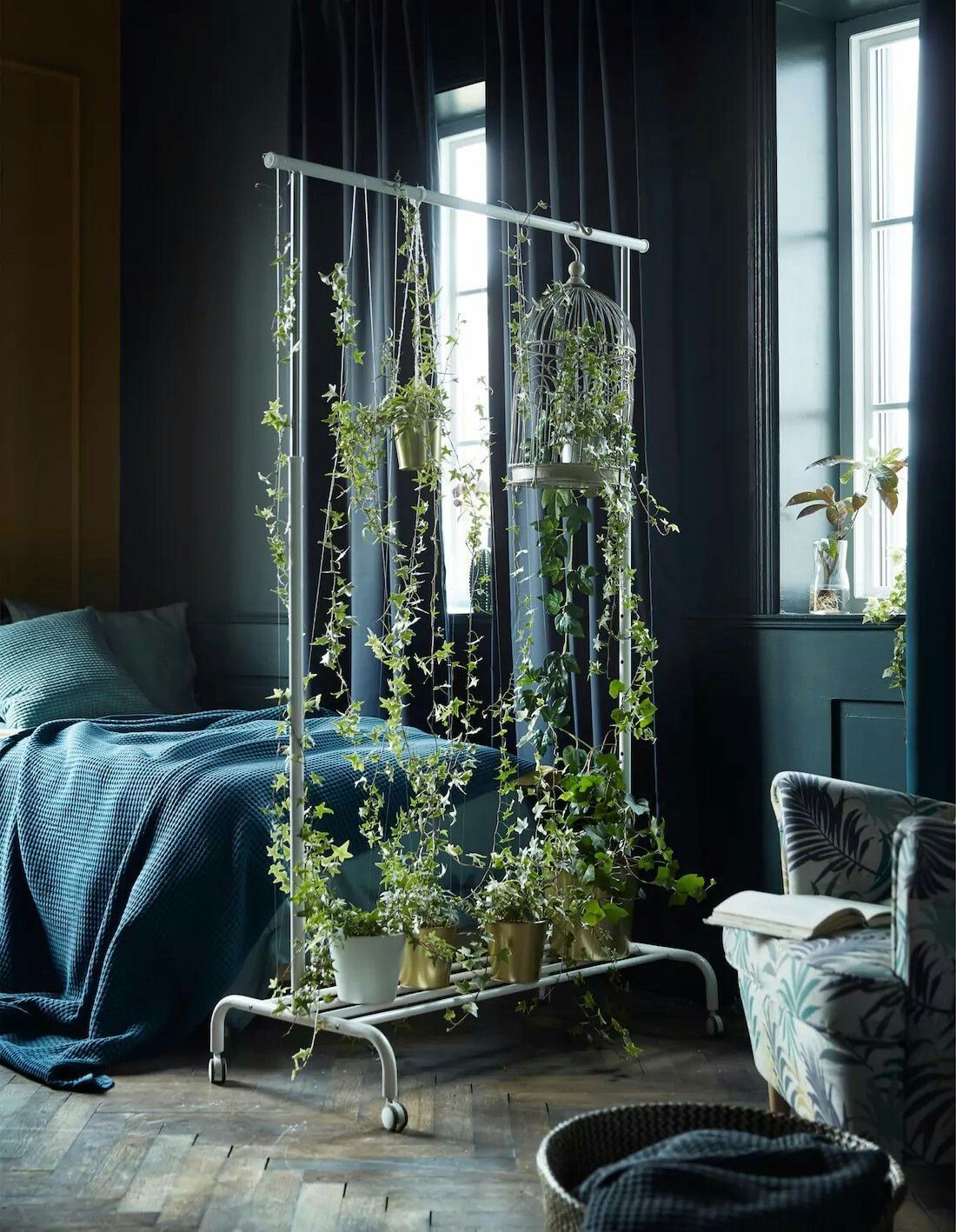
3.- Use houseplants, hanging plants, or fill an etagere with small plants to add to the atmosphere while dividing the room.
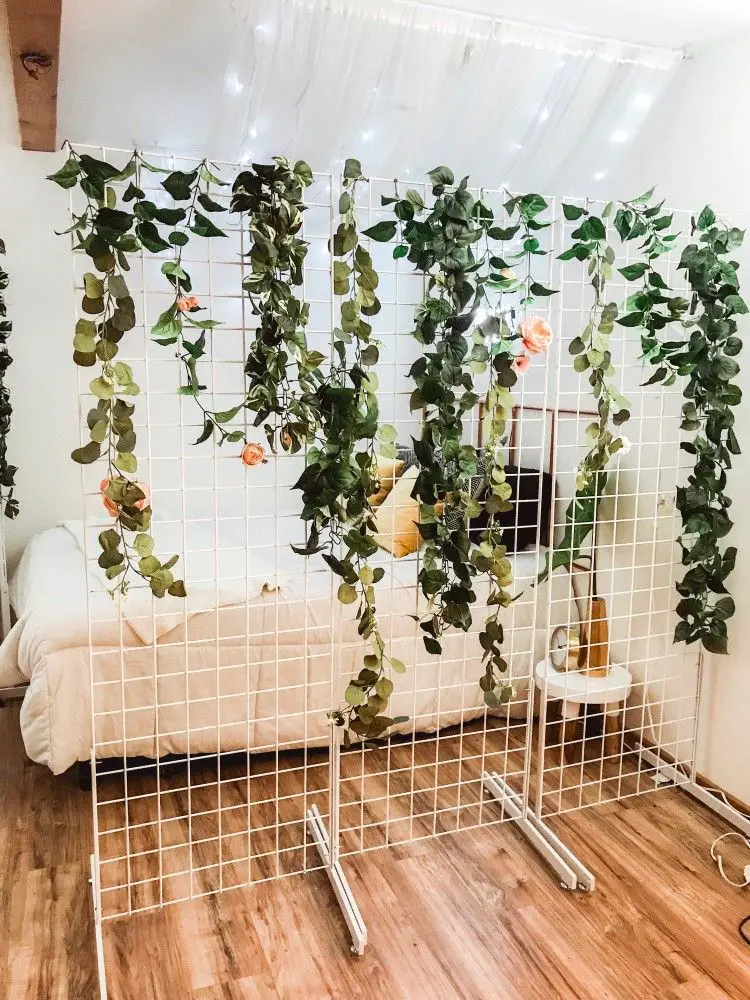
If you share a bedroom and wish to create some privacy, one creative way to do this is through the use of houseplants. Use hanging plants to divide the room into clear sections; by doing so, each person will have several feet of wall space that they can make their own. You can easily learn about houseplant care to master this project, as there are many resources available online.
Alternatively, fill an etagere with small plants to add to the atmosphere while dividing the room. For example, place a few potted greenery on one side of the room and wall art or books on the other side – this will create separation without making it look too obvious.
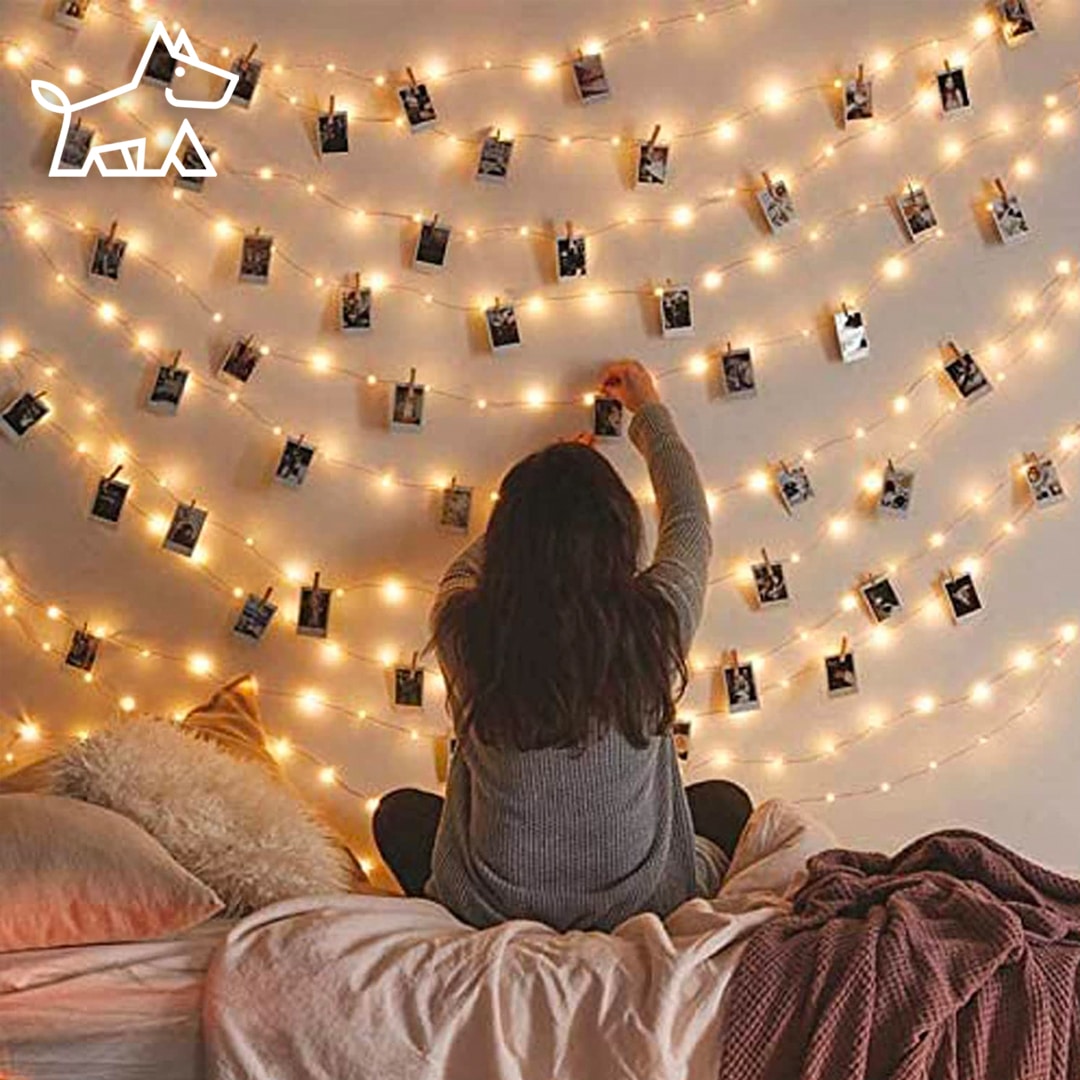
Make sure you buy from reputable sources to ensure the healthiest plants with no pests attached. Determine how much light and humidity the plants need, and then hang them from curtain rods or hooks on the wall. A great touch would be ambient lighting for each plant – LED string lights can look quite magical! Use these strategies for creating your private haven!
4.- Make rules for respecting private space and maintaining communication.
In order to maintain privacy and still build a strong relationship in a shared bedroom, it is important to establish communication rules as early as possible. Make sure both parties are comfortable with the number of boundaries being set so that one person doesn’t feel overwhelmed.
Put up curtains, use Noise-cancelling Headphones while studying or hanging out with other friends in your bedroom, and discuss ways to keep certain possessions tucked away when having visitors over.
Make sure the conversation during study time is short and concise, with appropriate pauses if either person needs time alone to think. Establish curfews for all activities in the bedroom and ensure that both have their designated sleeping space.
5.- Paint your walls and use different colors to distinguish each person’s space.
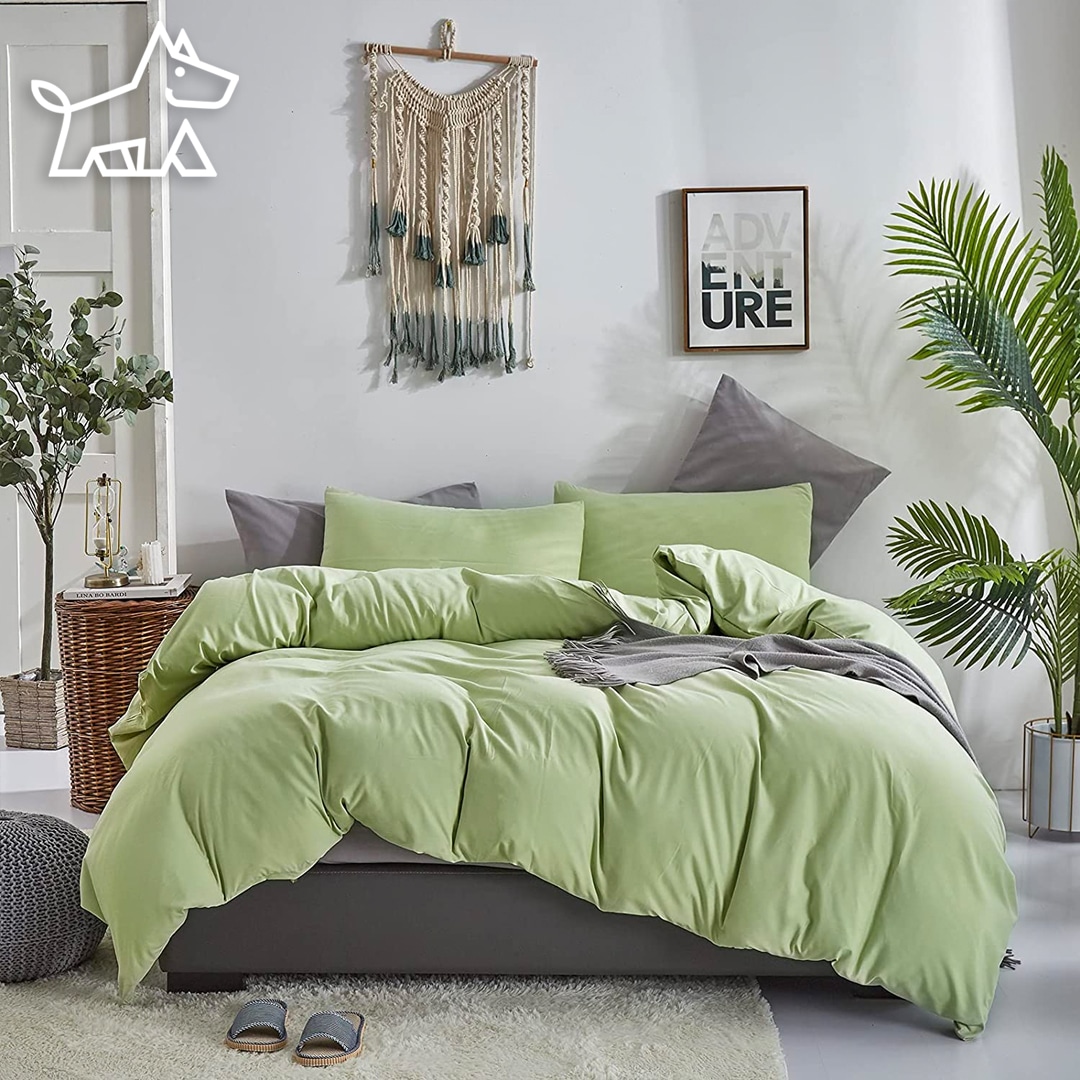
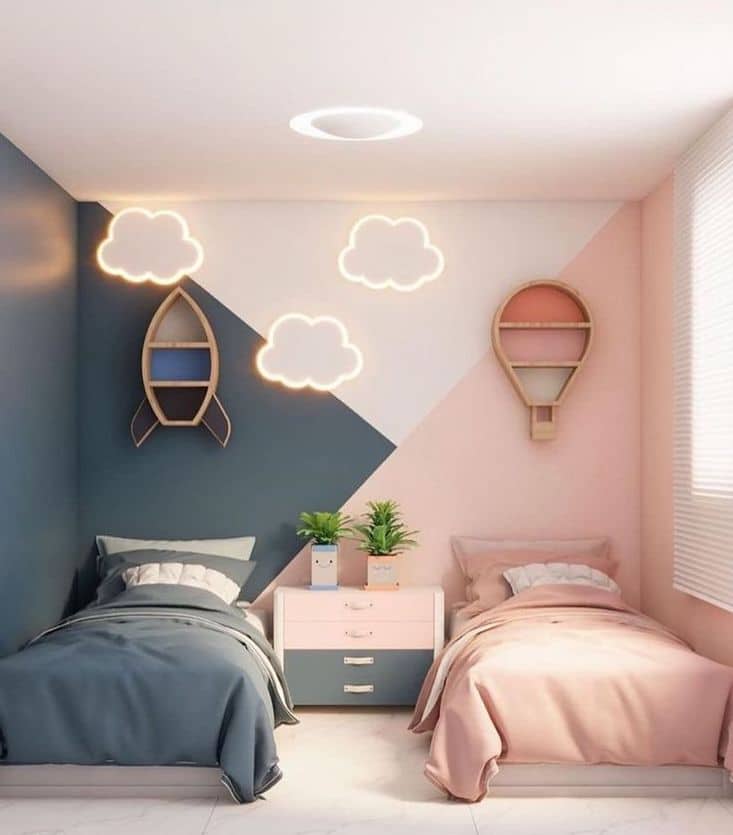
If you’re looking to create more privacy in a shared bedroom environment, consider painting the walls and using different colors to differentiate each individual’s space. Paint can be a quick solution that won’t break the bank, plus you have plenty of options when it comes to color palettes!
Paint also adds brightness and makes the room seem larger and airier. Suppose you want to maximize your decorating potential further. In that case, there are evidence-based design principles to take into account, such as the psychological benefits of color, texture, patterns, light, ceiling heights, space perception, and nature-inspired elements. These can all play a huge part in making an inviting yet personalized atmosphere for your shared bedroom.
6.- Adjustable lighting fixtures draw attention away from certain areas while creating barriers between beds or desks when sharing a bedroom.
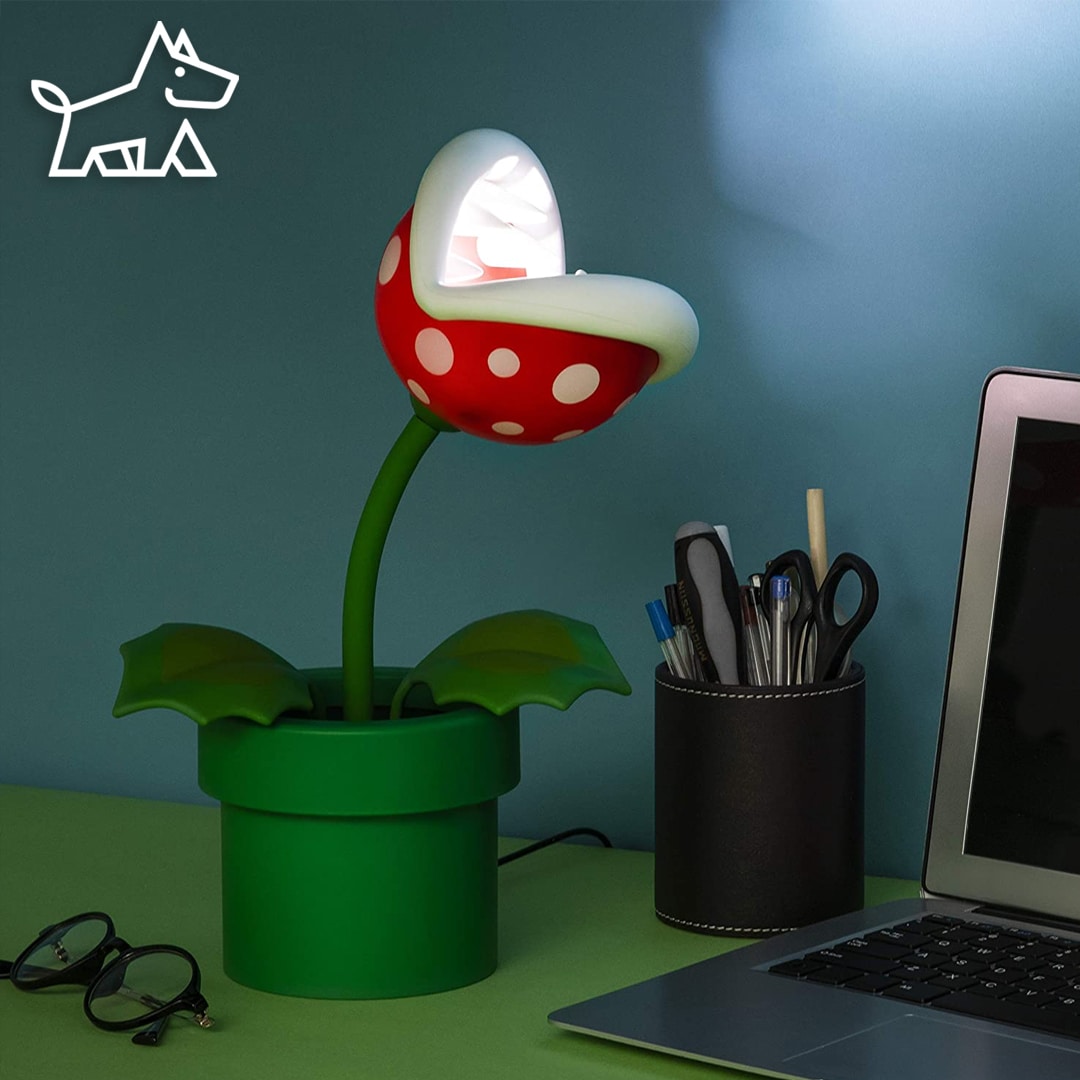
Adjustable lighting fixtures are important in creating privacy in a shared bedroom. Whether you choose to hang LED lights, use cool animal-shaped lamps, or have no overhead lighting, these pieces’ adjustable nature allows you to draw attention away from certain areas and create barriers between beds or desks.
By having the option to customize your lighting environment in a shared room, you can benefit psychologically from light and space perception. Adjustable lighting fixtures can offer an easy and cost-effective solution for creating privacy when you cannot partition a larger room into two distinct spaces.
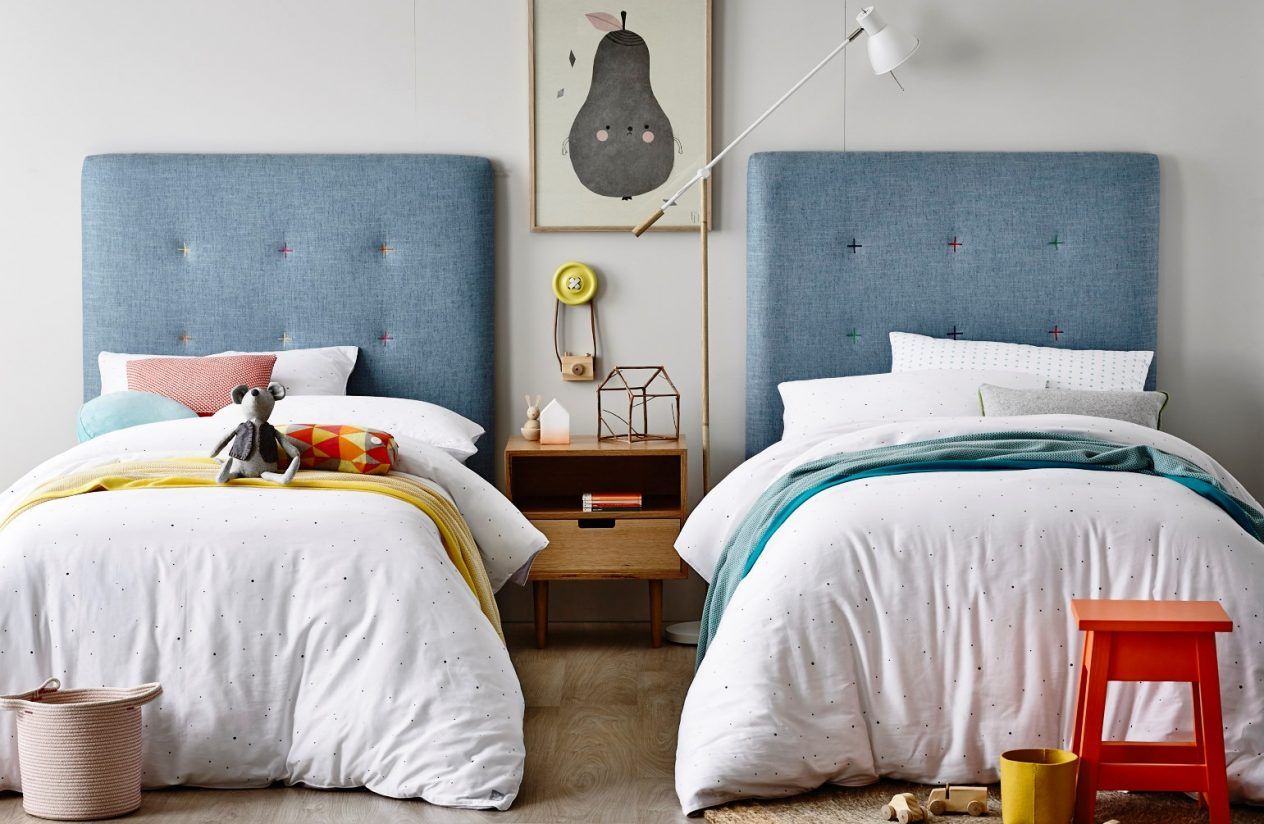
7.- Add privacy features like drapes hung on rods providing light blockage & sound dampening benefits!
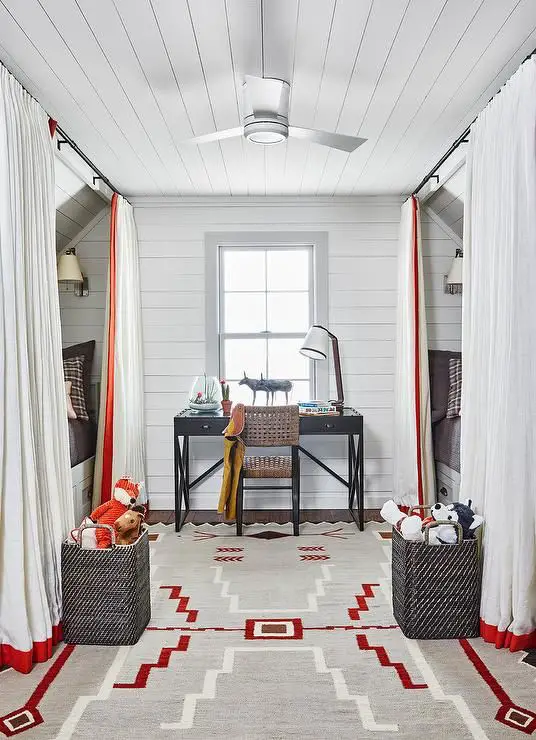
Drapes hung from rods provide light blockage, sound-dampening benefits, and aesthetic charm! When choosing curtain rod colors for your room, it is important to pick the color that matches the rest of the decor. Get creative with this option by personalizing curtains with vibrant colors or unique patterns. With these easy additions, you can have a stylishly private space in no time at all!
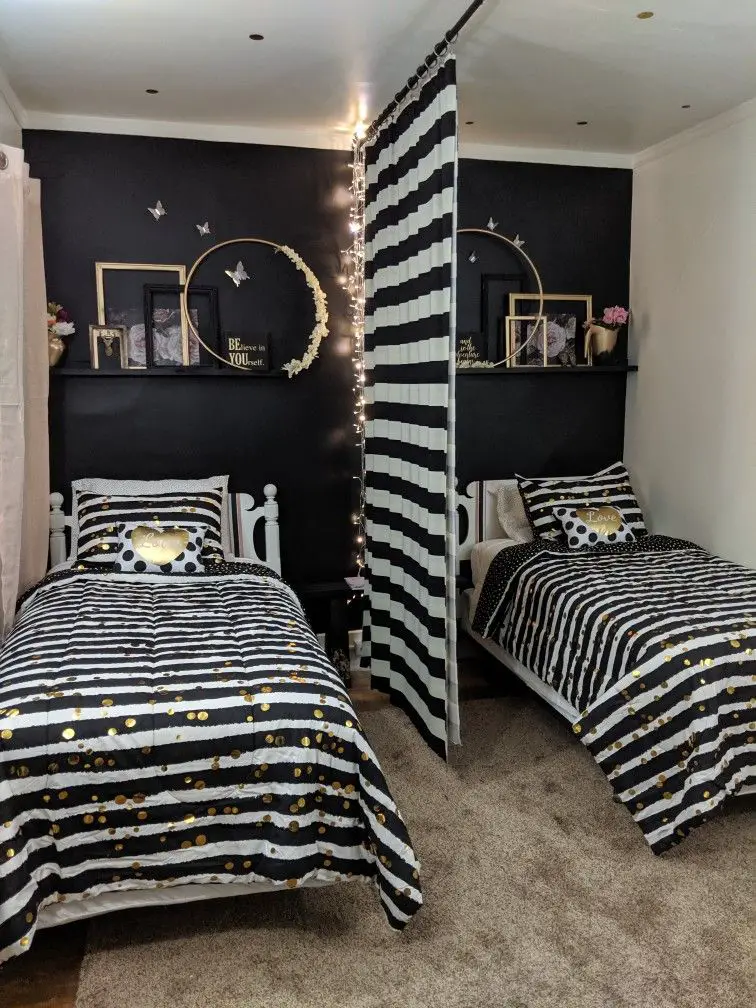
8.- Utilize storage boxes or cubbies to store items & hide messes lying around!
Utilize storage boxes or cubbies to store items and any messes that may be lying around. If your kids or pet has toys, you can hide them by using creative shelving units and compartments, making the room look less cluttered.
Utilizing larger furniture pieces such as a dresser for clothing and linens, a desk for crafts and school work, and bed frames with drawers can also help create some privacy. Additionally, many modern bedrooms come with built-in closets for clothes that are neat and separated from one another.
Utilizing an under-the-bed storage container (or two) is also a great way to minimize clutter but still designate private areas for individual persons. Furthermore, you should keep your work equipment hidden if you have any so that the space looks organized while not in use.
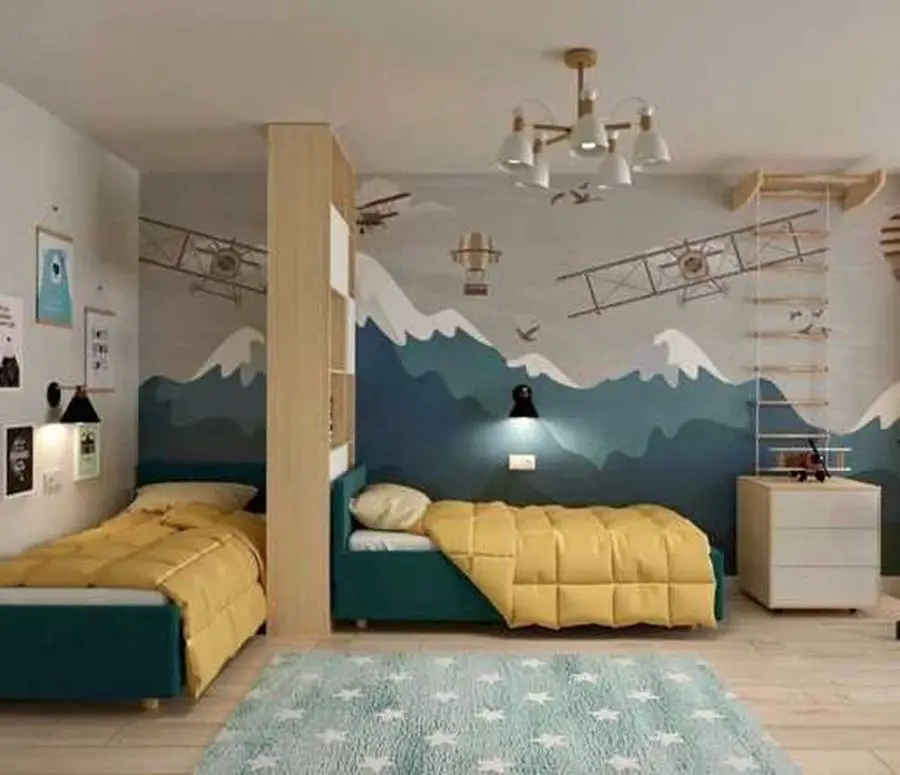
9.- Experiment with ideas to maximize function while making sure you maintain some level of privacy – enjoy the process!
Whether you’re sharing a bedroom with your partner, child, sibling, or roommate – it’s important to remember that each person needs some level of privacy. Experiment with different ideas and create personal spaces for each individual by using paint, adjustable lighting fixtures, curtains, furniture pieces, and storage boxes or cubbies.
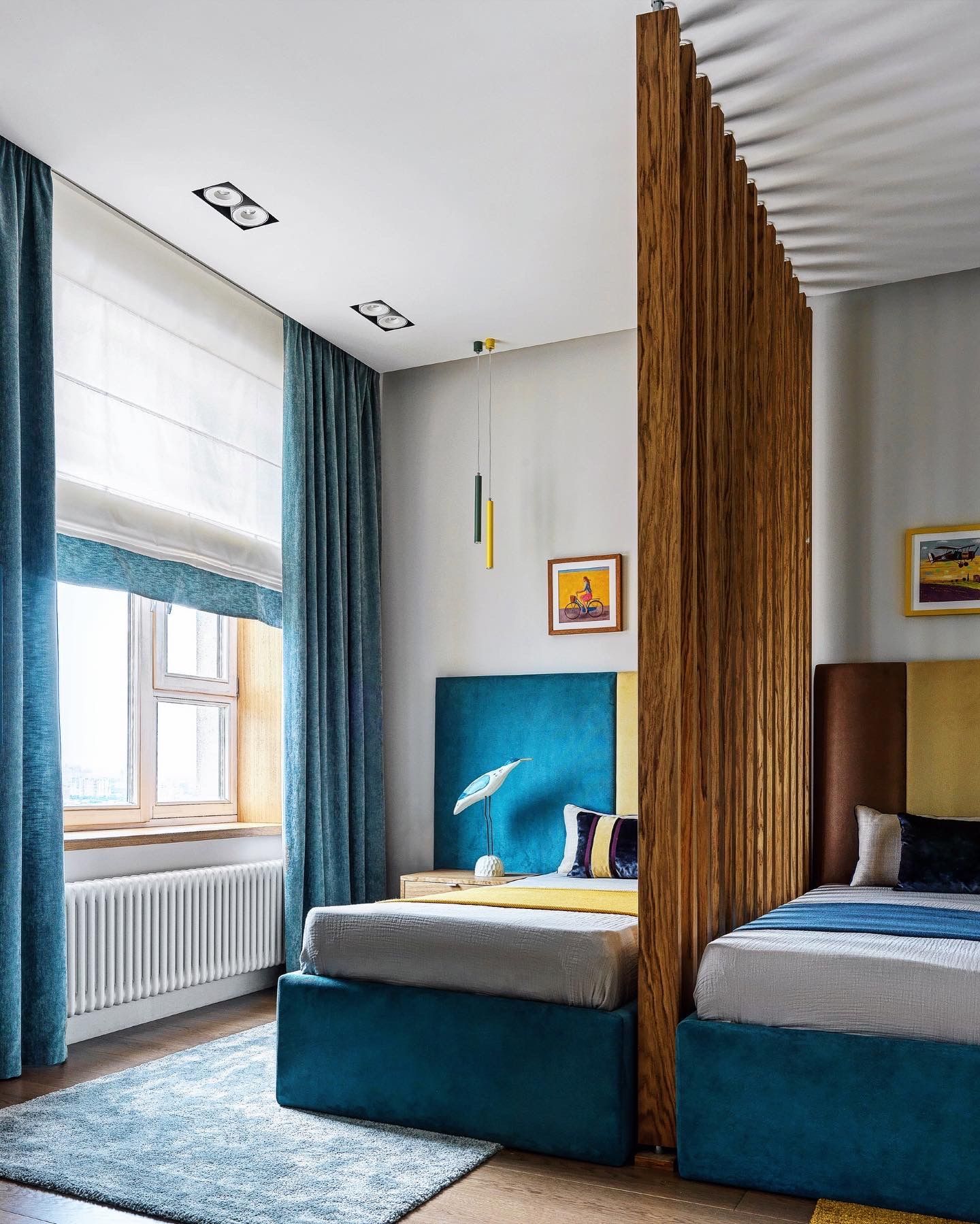
10.- Have fun creating your own private space in the dorms!
Maximize function, create a unique atmosphere, and enjoy the process. It’s your own private room – for now. 🙂
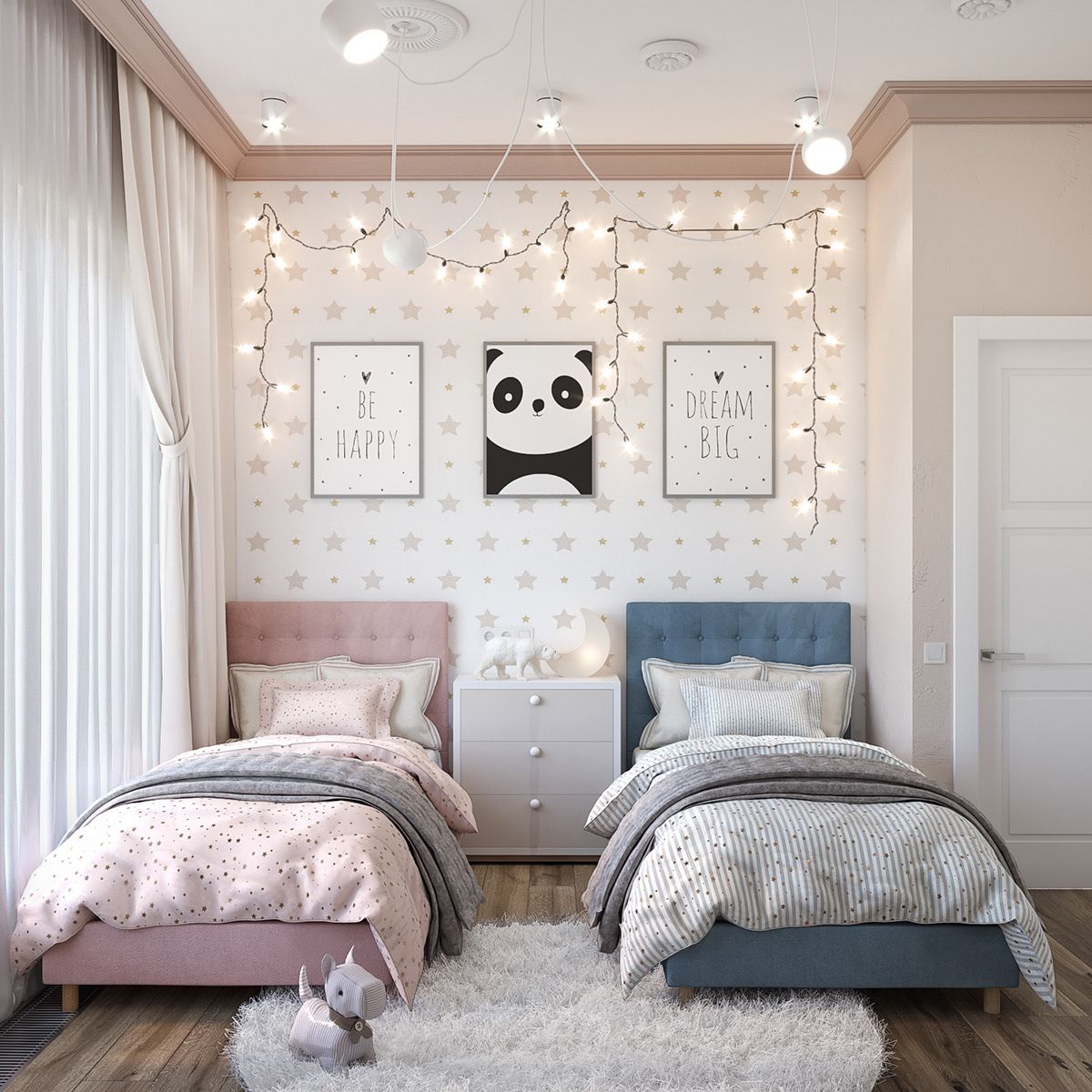
Create Privacy in a Shared Bedroom – FAQ
Meet the author
Written by an architect.
Julio Arco is a passionate architect with years of experience in architecture, interior design, urban design, and housing. He studied at prestigious universities across North America and Europe.

- Name
- Julio Arco
- Job
- Architect and online interior designer
- Studied
- Architecture, ITESM · Urban Design and Housing, McGill
- Partner
- Thor, Australian Shepherd
- Thor’s title
- Head of quality control