Victorian Bedroom Decor: Colors, Furniture and Layout
Victorian bedroom decor explained: the defining traits, typical colors, furniture, textiles and how to adapt the style for small rooms and modern homes.

By Julio Arco
Architect and online interior designer
In this post
- What are the defining characteristics of a Victorian bedroom?
- What are the best Victorian bedroom colors?
- Which furniture and headboard suit the style?
- How do you layer textiles, walls and decor?
- How do you plan the layout?
- Small Victorian bedroom ideas
- How do you build a modern Victorian style bedroom?
- Frequently asked questions
Victorian bedroom decor comes down to layered richness: deep or softly muted colors, a substantial headboard, patterned textiles, dark wood, brass and plenty of light-filtering fabric at the windows. You don't need a full period room to get the look. A few well-chosen pieces, repeated with some discipline, do most of the work.
If heavy curtains and dark wood make you nervous, that's normal. The trick is to pick one or two strong moves and keep everything else calm.
What are the defining characteristics of a Victorian bedroom?
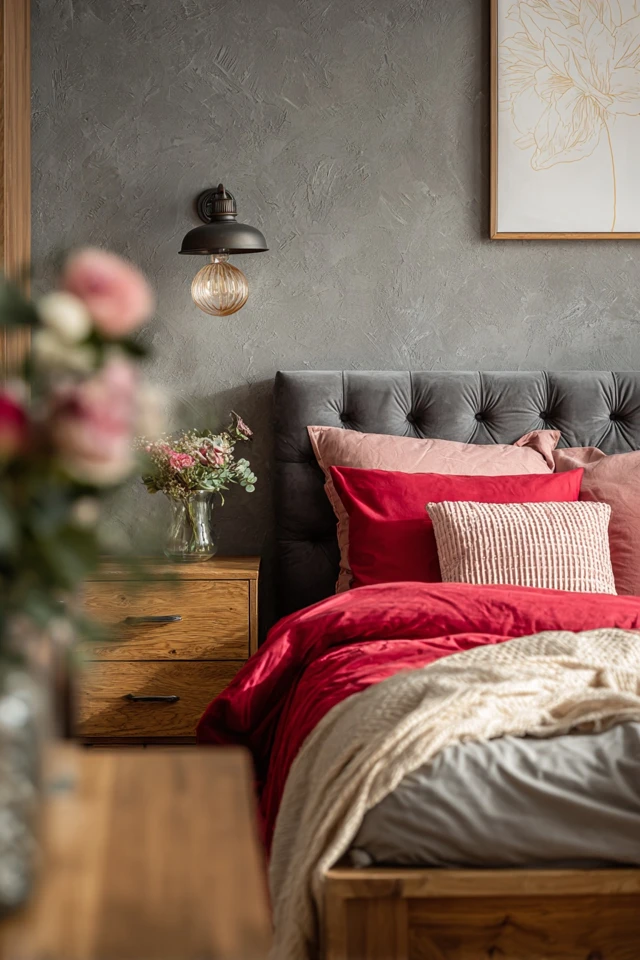
The defining characteristics of a Victorian bedroom are ornament, texture and pattern, all stacked in layers. Think carved or upholstered headboards, lace or embroidered sheers, velvet and brocade, patterned rugs over wood floors, framed art and mirrors with decorative frames.
The architecture behind the style was also decorative. The National Park Service notes that the Italianate style was most prevalent in America between the 1850s and the 1880s, and that its dominant feature was a low, overhanging roof with decorative eave brackets. That love of applied detail carried indoors, into moldings, mantels and furniture.
Three design principles keep this ornament from turning chaotic:
- Symmetry around the bed gives the room a calm anchor, while accessories can stay a little looser.
- Repetition ties things together: the same brass finish, a trim color that returns in the curtains and pillows.
- Scale has to suit the room. A massive wardrobe in a small bedroom feels heavy, and tiny pieces in a big room look lost.
What are the best Victorian bedroom colors?
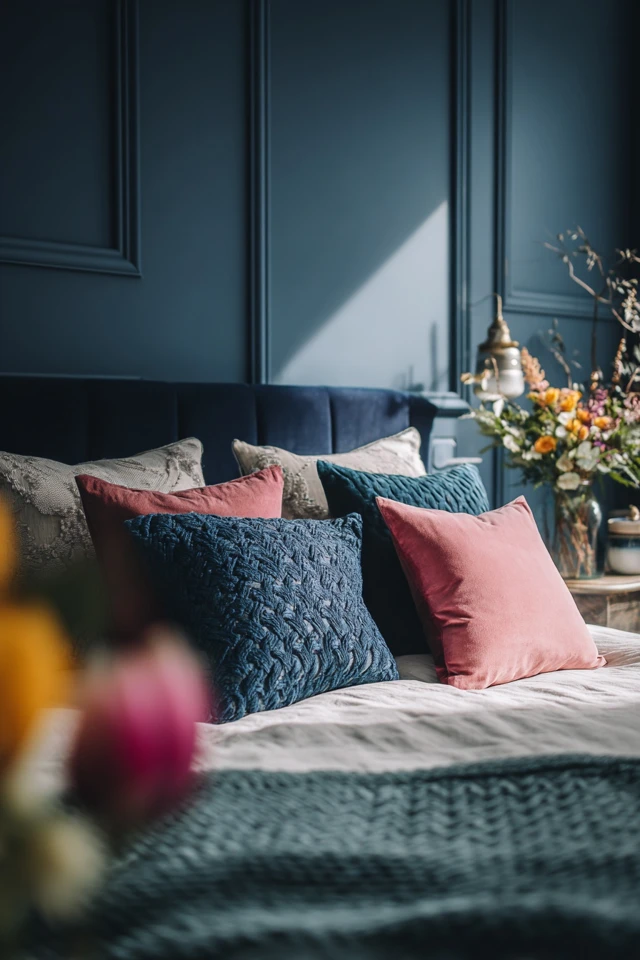
Victorian bedroom colors fall into three groups: deep jewel tones, muted pastels and layered neutrals. Each sets a different mood, so choose by how you want the room to feel at night.
- Emerald, burgundy and deep navy make a cocooning, dramatic room. This is the route for a dark Victorian bedroom.
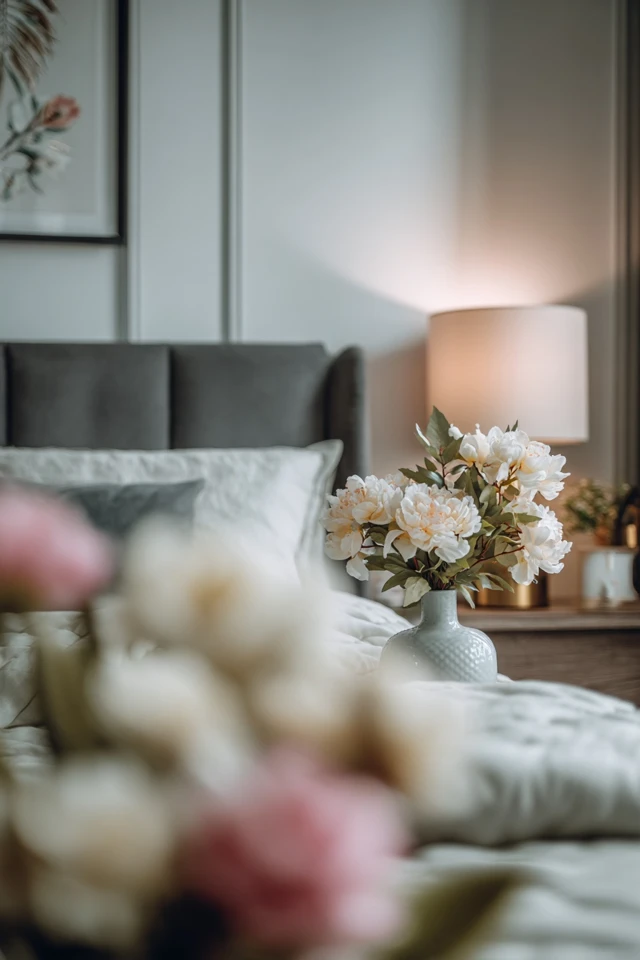
- Sage, dusty rose and soft lavender are gentler and suit rooms that need to stay light.
- Ivory, warm greige and taupe let texture do the talking and are the easiest to change later.
Light matters as much as the paint. North-facing rooms get cool light, so warmer shades balance them. South-facing rooms can handle cooler or more saturated colors. Paint large sample swatches on two walls and look at them in the morning and in the evening before committing.
Which furniture and headboard suit the style?
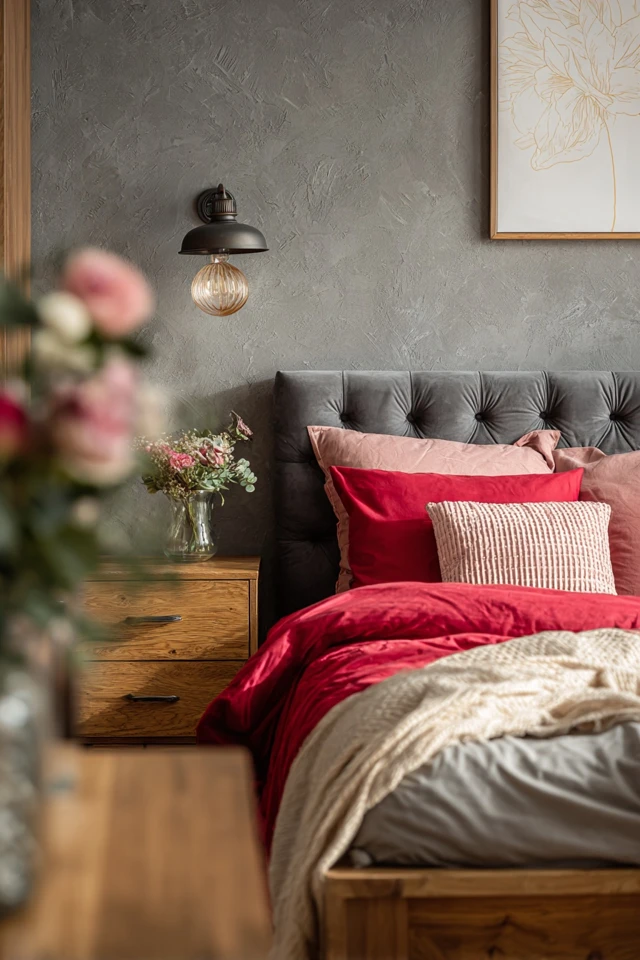
Start with the bed, since it sets the tone. A tall upholstered or carved headboard is the most recognizable Victorian move. Keep the bedding simpler than the headboard: solid or lightly patterned linen and cotton let the frame be the star.
Dark-stained mahogany or walnut looks authentic. Painted woodwork in a warm neutral keeps the period lines while feeling lighter. Whichever you choose, repeat the finish on two or three pieces, such as the nightstands and a dresser, so the room reads as one set.
If a dog or cat sleeps on the bed, I recommend washable covers over velvet and a tightly woven throw at the foot. Velvet is lovely, but it shows hair and holds claws.
How do you layer textiles, walls and decor?
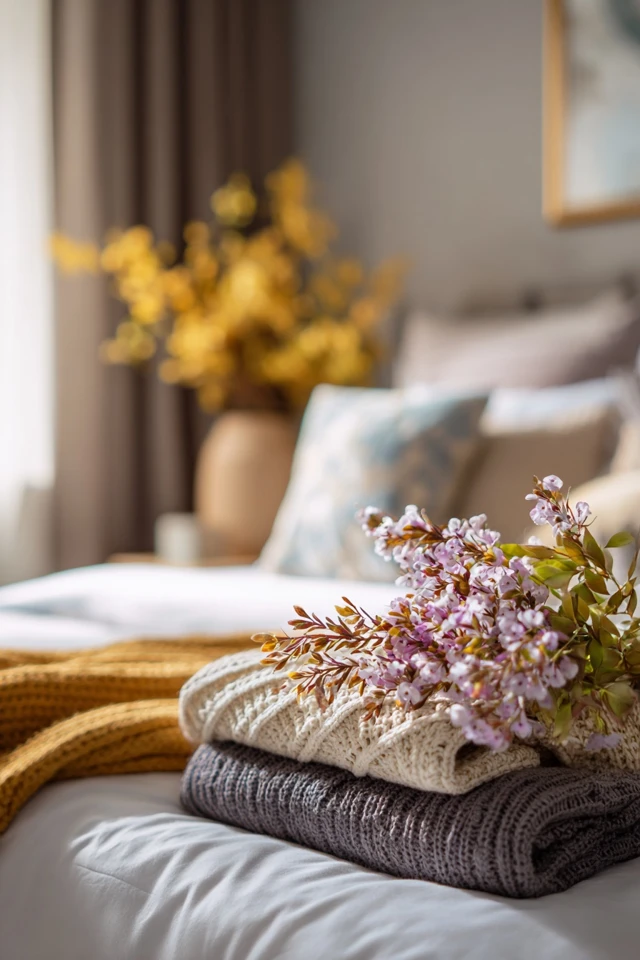
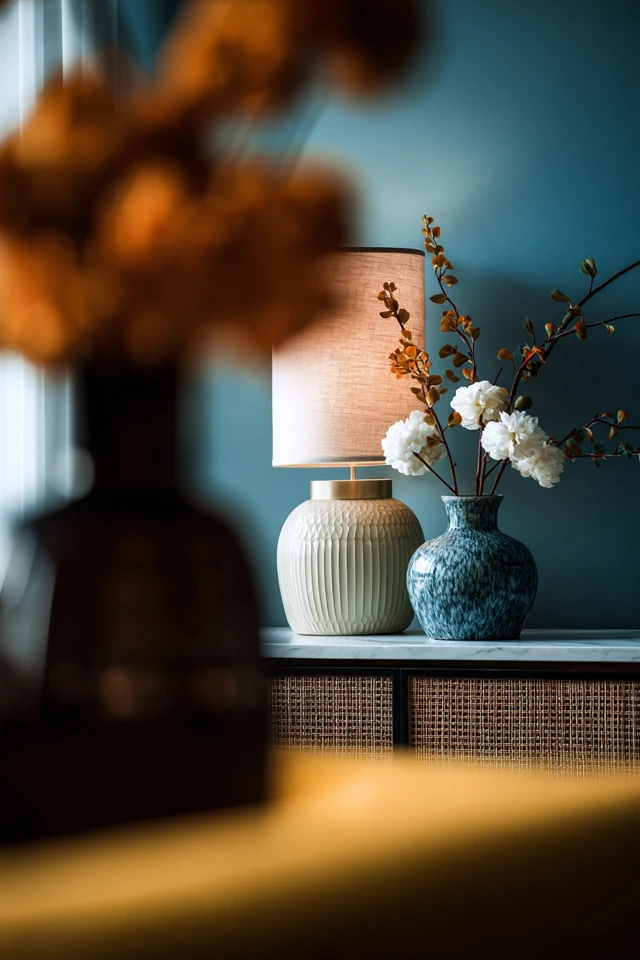
Use velvet or brocade where you touch and see the most (headboard, a bench, cushions), linen and cotton for the base layer of bedding, and lace or embroidered sheers at the windows. Brass lamp bases, picture frames and beveled mirrors add warmth and bounce light around.
Mixing patterns works if you vary the scale. Pair a large floral wallpaper with a small toile or geometric pillow, and keep one color running through all of them. Add a few solids to rest the eye.
For floors, layer an Oriental or floral rug over wood. As a rule of thumb, let it extend about 18-24 inches beyond the sides and foot of the bed.
How do you plan the layout?
Put the bed on the wall that gives the best sightline from the door, then leave at least 24 inches of clearance on one side, and more if you can spare it. Group the rest of the room into zones: sleeping, dressing, and a small reading or vanity corner near a window for daylight.
Layer your lighting too. A ceiling fixture, bedside reading lamps and a pair of sconces or a picture light give you options. Bulbs around 2700-3000K keep the glow warm.
Small Victorian bedroom ideas
A small room can carry the style if you edit hard. Choose furniture with visible legs, a lighter wall color with one deep accent, and curtains hung high and wide so the windows look taller. A storage ottoman, a narrow dresser used as a console, or a wall-mounted fold-down vanity replace bulkier pieces.
Mirrors help, but place them to reflect a window, not a pile of clutter. If you are working with limited square footage in general, our apartment bedroom guide has more layout ideas, and small bedroom closet ideas can free up floor space for that headboard.
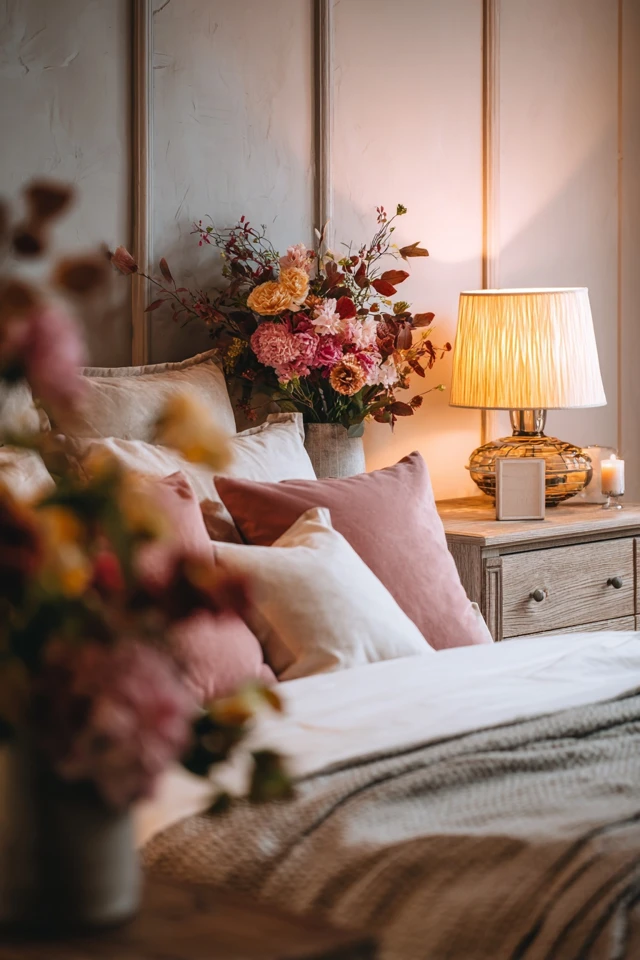
How do you build a modern Victorian style bedroom?
A modern Victorian style bedroom borrows silhouettes and textures and drops the museum-set density. Some easy ways to do it:
- Pair a simple platform bed with a Victorian-inspired headboard or canopy.
- Paint the woodwork a warm neutral and keep the walls matte.
- Add clean-lined lighting or contemporary art next to an heirloom piece.
- Use reclaimed wood or sustainable fabrics for new items.
If you want to compare it with a cleaner look, see our modern bedroom ideas. A stone or textured feature wall can also sit well with the style; take a look at stone wall for bedroom for options.
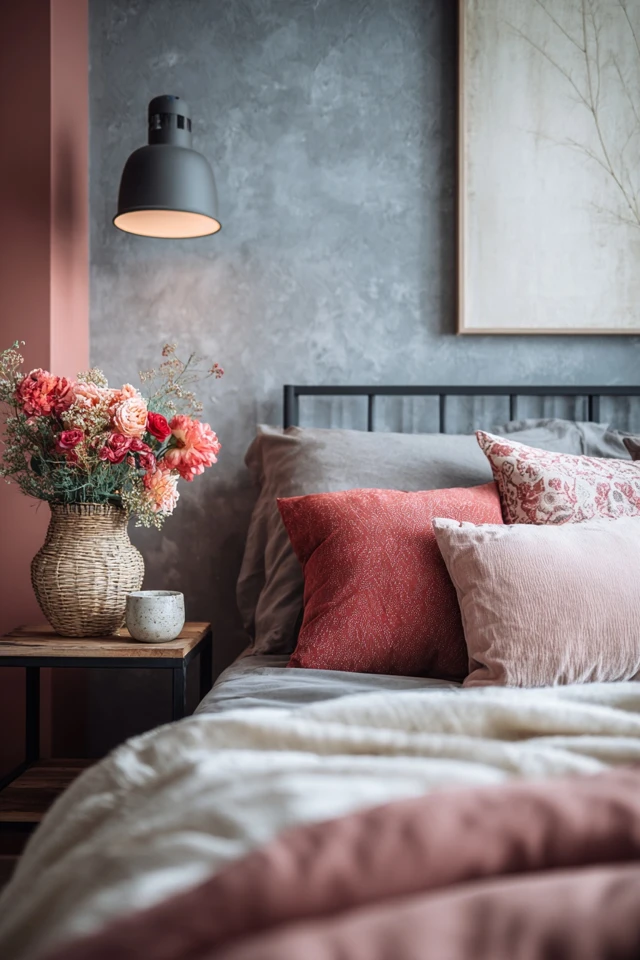
Keep it to two or three Victorian elements per room. Rich brown tones in the woodwork pair nicely with deep greens and warm creams, as covered in what colors go with brown.
Frequently asked questions
What colors were commonly used in Victorian bedrooms?
Deep jewel tones such as emerald, burgundy and navy were common, along with muted pastels and warm neutrals. Today you can choose by mood: deep shades for drama, pastels for a lighter room.
What are some ideas for decorating a Victorian bedroom?
Start with an upholstered or carved headboard, add lace or sheer curtains, layer a patterned rug, and finish with brass lamps and a beveled mirror. Keep the bedding simple so the ornament doesn't compete.
Can Victorian style work in a modern home?
Yes. Keep one or two signature pieces, such as an ornate headboard or brass hardware, and leave the rest streamlined with matte walls and simple lighting.
How do you mix patterns without making the room feel busy?
Choose one dominant pattern, like wallpaper, and support it with smaller-scale patterns in a shared color. Add a few solids so the eye has somewhere to rest.
Filed under
ArticlesMeet the author
Written by an architect.
Julio Arco is a passionate architect with years of experience in architecture, interior design, urban design, and housing. He studied at prestigious universities across North America and Europe.

- Name
- Julio Arco
- Job
- Architect and online interior designer
- Studied
- Architecture, ITESM · Urban Design and Housing, McGill
- Partner
- Thor, Australian Shepherd
- Thor’s title
- Head of quality control