Industrial Farmhouse Decor: Ideas for a Warm, Modern Home
Learn what industrial farmhouse decor is and how to mix it: palette, wood and metal, textiles, lighting and room-by-room ideas for a cozy, modern home.

By Julio Arco
Architect and online interior designer
In this post
- What is industrial farmhouse style?
- Do industrial and farmhouse go together?
- Key elements of industrial farmhouse style
- Choose a warm, muted color palette
- How do you mix wood, metal and masonry?
- Add cozy textiles and soften the sound
- Industrial farmhouse decor ideas, room by room
- Open shelving, lighting and small styling moves
- How to keep the look from feeling dated
- Frequently asked questions
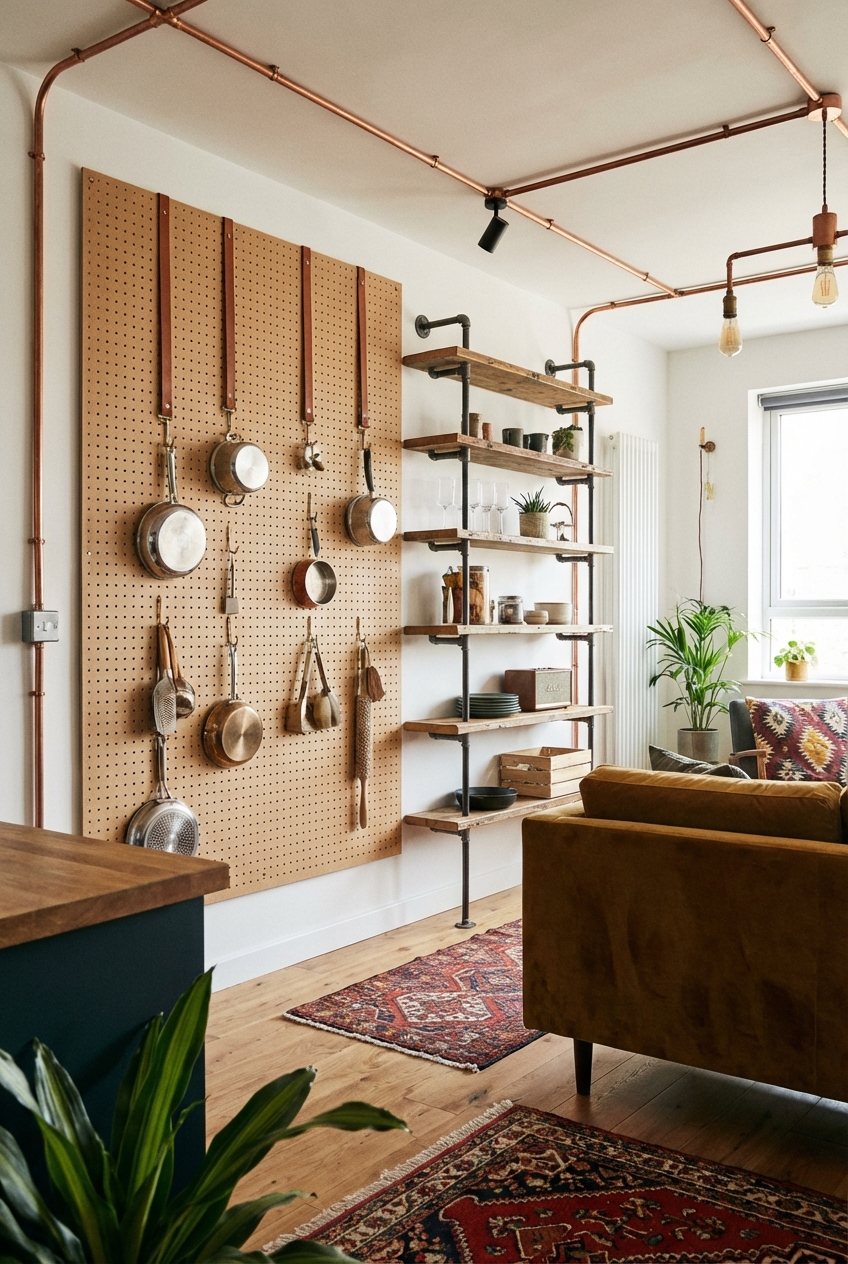
Industrial farmhouse decor pairs the raw materials of old factories (black steel, concrete, exposed brick) with the warm, worn comfort of a country house (wood, linen, soft neutrals). The trick is balance: let the metal give structure and the wood and textiles give softness.
If you like the idea but worry the room will end up cold or cluttered, that's a common concern and an easy one to fix. Below are the elements to pick, how to mix them, and how to apply them room by room.
What is industrial farmhouse style?
It's a blend of two traditions. Industrial style comes from converted warehouses and factories: open space, visible structure, hard-wearing metal and masonry. Farmhouse style comes from rural homes: practical furniture, natural wood, simple shapes and cozy fabrics.
Farmhouse looks also have a long architectural history. The National Park Service notes that the Italianate style, most prevalent in America between the 1850s and the 1880s, was inspired by rambling, informal Italian farmhouses. The industrial side adds its own edge on top of that rustic base.
Do industrial and farmhouse go together?
Yes, because they share honesty about materials. Neither style hides wood, metal or stone behind heavy decoration. They differ in temperature: industrial reads cool and hard, farmhouse reads warm and soft. Each corrects the other, which is why the mix works.
The risk is leaning too far in one direction. Too much black metal and concrete feels like a showroom. Too much shiplap and distressed paint loses the edge. Aim for roughly two parts warm to one part hard.
Key elements of industrial farmhouse style
- Wood with visible grain: reclaimed or lightly distressed beams, shelves, tables and floors.
- Matte black or aged metal in light fixtures, shelf brackets, window frames and hardware.
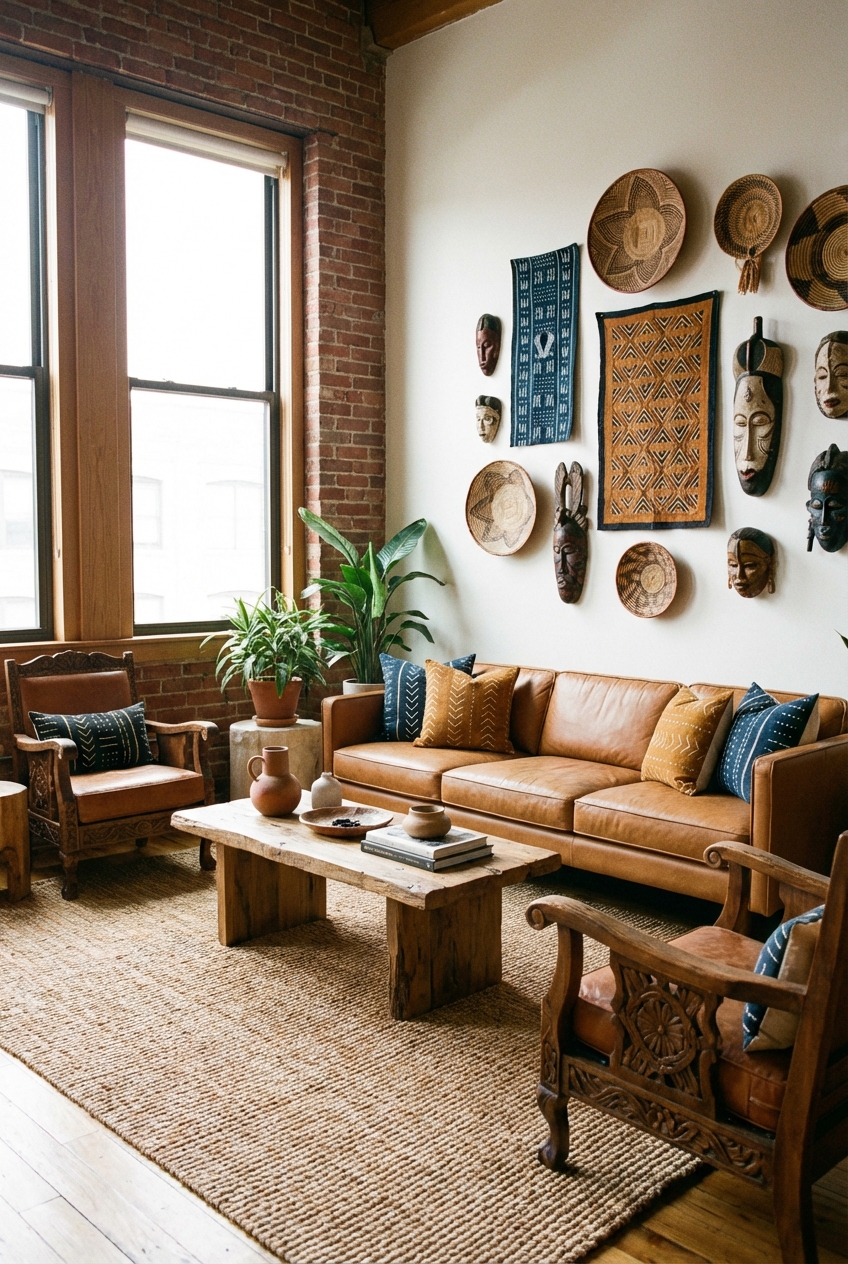
- Raw surfaces such as exposed brick, concrete or honed stone, used in one or two places.
- Natural-fiber textiles: linen, cotton, wool and jute.
- A warm, muted palette with a few dark anchors.
- Open shelving and practical, unfussy storage.
Choose a warm, muted color palette
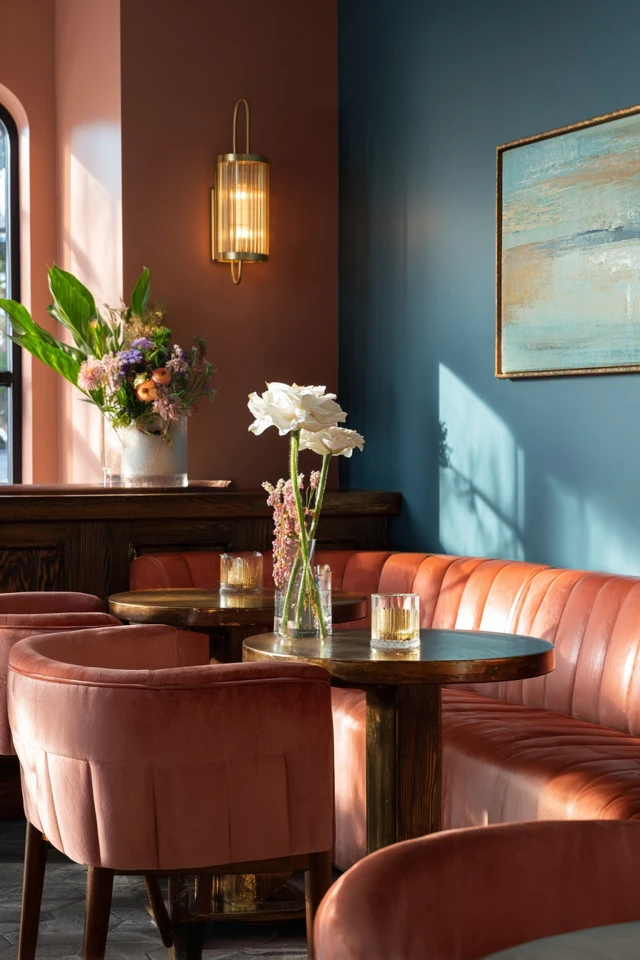
Start with a warm neutral base: cream, warm white or soft greige. Add mid-tone wood, then dark anchors like charcoal or black. A muted sage, terracotta or steel blue gives personality without fighting the metal.
Keep colors slightly desaturated. Bright, clean colors push the room toward trendy, while softer ones look lived-in. Test paint samples on the wall and check them morning and evening, since north-facing rooms look cooler and usually need a warmer base to feel cozy.
How do you mix wood, metal and masonry?
Think in layers. A hard surface sits next to a soft one: a concrete counter beside a wood shelf, black window frames against linen curtains. Pick one dominant metal finish (matte black is the usual choice) and one secondary accent, such as brushed brass, and repeat them across hardware and lighting.
Matte and low-sheen finishes suit this style best. Glossy surfaces bounce light and create sharp reflections, which reads more contemporary than farmhouse. Matte finishes absorb light and soften shadows, which keeps the room calm.
As an architect, I'd limit exposed brick or concrete to a single feature, like a fireplace wall or a kitchen counter, and let wood and fabric carry the rest.
Add cozy textiles and soften the sound
Hard materials amplify noise, especially in open-plan rooms. Rugs, curtains, upholstered seating and woven wall hangings absorb sound and take the chill off the metal. Vary pile heights and weaves so the layers feel collected rather than matched.
If a dog lives in your home, choose washable covers and low-pile or flat-weave natural-fiber rugs that can take claws and muddy paws. A tightly woven surface is easier to vacuum than a loopy one.
Industrial farmhouse decor ideas, room by room
Industrial farmhouse living room
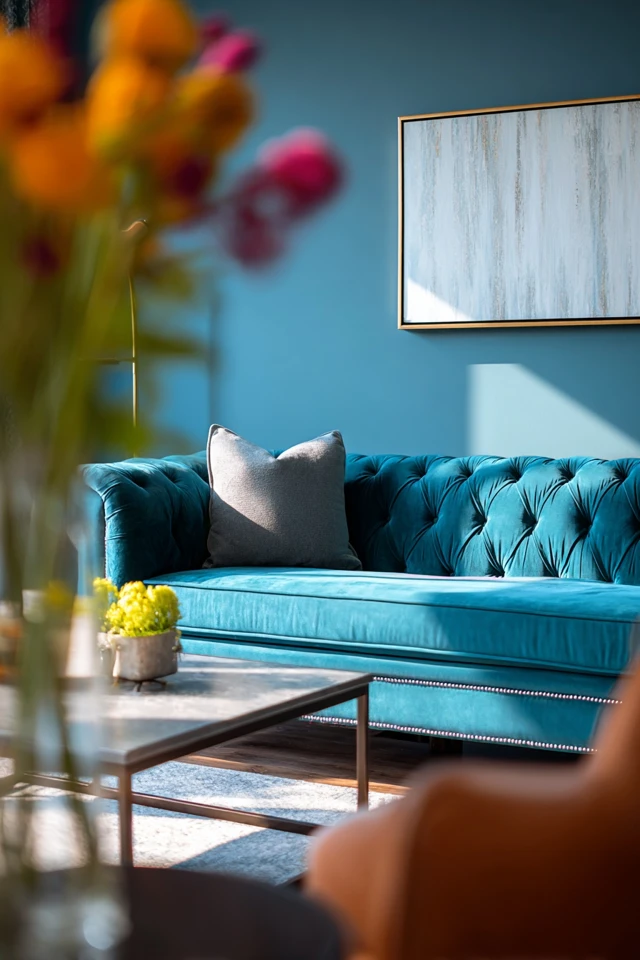
Arrange seating around one focal point, such as a fireplace or a low wood coffee table, and use a rug large enough to hold at least the front legs of every piece. Leave about 30-36 inches for main walkways. A black-framed window or steel shelving unit adds the industrial note, while a linen sofa and wool throws keep it comfortable.
Industrial farmhouse kitchen
Warm off-white or greige cabinets work well with matte black hardware, open wood shelves and a concrete or stone counter. Hang a pair of black pendants over the island. Muted green or blue-gray on lower cabinets adds color without breaking the calm palette.
Bedroom and entry
In a bedroom, keep metal to the bed frame or lamps and put the effort into bedding layers. For more ideas, see these industrial farmhouse bedroom ideas. In a tight entry, a narrow console and a minimalist entryway setup keep things tidy.
Open shelving, lighting and small styling moves
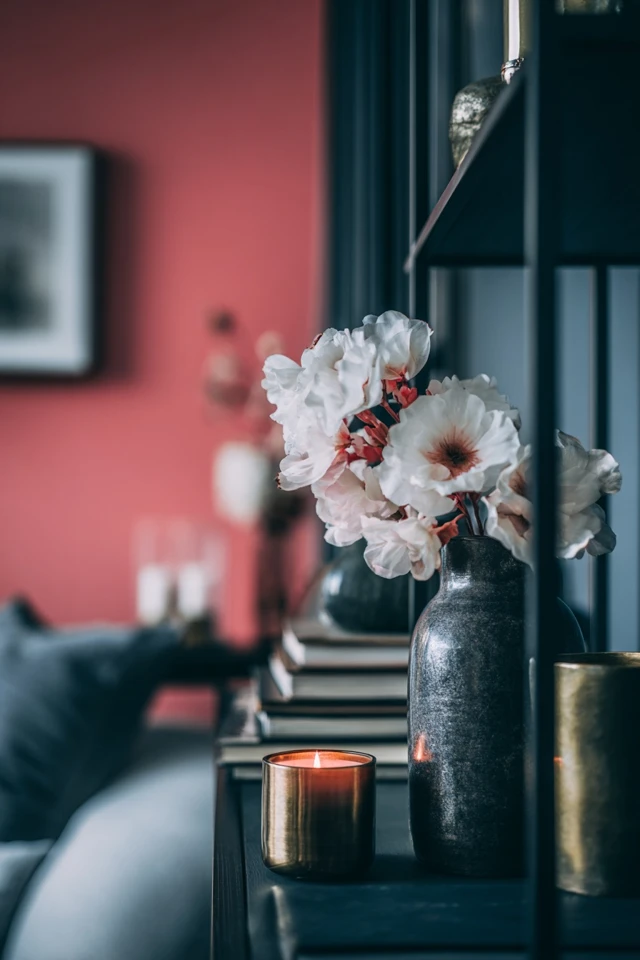
Open shelves look best when edited. Group objects in odd numbers, vary heights, and leave empty space so the wood and brackets show. If you'd rather hide clutter, a small pantry next to the kitchen keeps the shelves for things you like looking at.
Layer light in three ways: pendants or recessed fixtures for general light, task lamps for reading and cooking, and a few accent lights for mood. Warm bulbs flatter wood and neutrals, while cool bulbs make them look flat. For anything involving new wiring, hire a licensed electrician.
Plants soften hard lines. A large leafy plant or a hanging planter near a black window frame adds scale. If you have pets, check any plant against the ASPCA toxic plant list or ask your vet before bringing it home.
How to keep the look from feeling dated
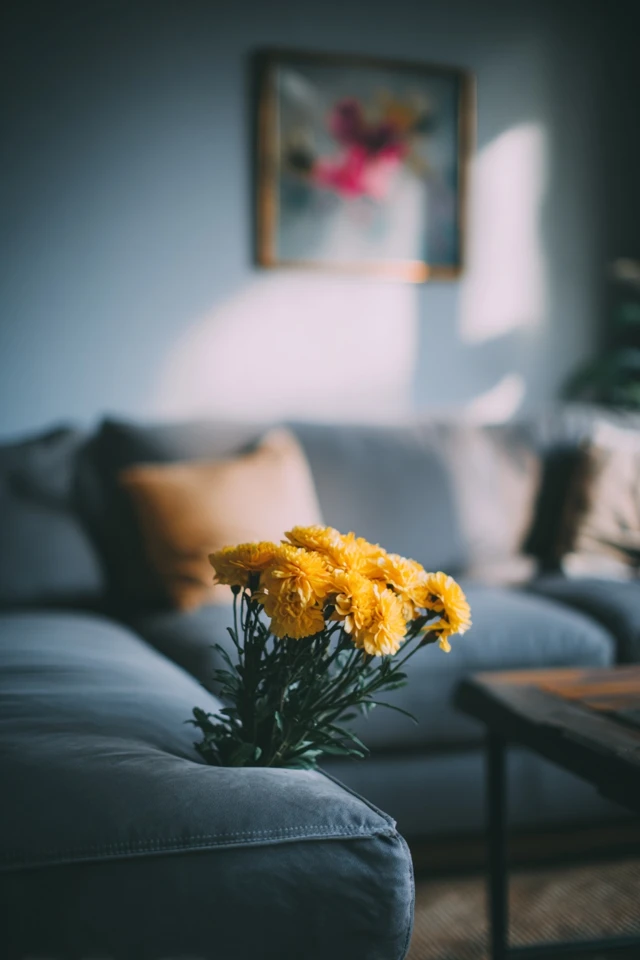
Buy the big pieces (dining table, sofa, shelving) in simple, durable forms, and let cushions, art and small lighting carry the trends. Keep bold moves to one area. Fans of a softer, more vintage take might also like shabby chic, and you'll find more variations in these industrial farmhouse decor tips.
If a room feels cold after styling, don't add more decor. Swap one metal piece for wood, or add a textured rug and a pair of curtains.
Frequently asked questions
What is industrial farmhouse style?
It combines industrial materials like black steel, concrete and brick with farmhouse warmth: natural wood, linen and soft neutral colors. The result is a room that feels both modern and lived-in.
Do industrial and farmhouse go together?
Yes. Both show their materials honestly, and their temperatures balance each other: industrial is cool and hard, farmhouse is warm and soft. Keep roughly more warm elements than hard ones.
What are some ideas for industrial decor?
Try black-framed windows, metal shelf brackets, pendant lights, a concrete or brick feature, and a reclaimed wood table. Soften them with rugs, linen and wool.
How much black metal is too much?
Use black metal as an accent on fixtures, brackets and frames rather than on every surface. If the room feels cold, add wood and textiles to rebalance it.
Filed under
ArticlesMeet the author
Written by an architect.
Julio Arco is a passionate architect with years of experience in architecture, interior design, urban design, and housing. He studied at prestigious universities across North America and Europe.

- Name
- Julio Arco
- Job
- Architect and online interior designer
- Studied
- Architecture, ITESM · Urban Design and Housing, McGill
- Partner
- Thor, Australian Shepherd
- Thor’s title
- Head of quality control