Small Pantry Ideas: Doors, Shelves and Layouts That Work
Small pantry ideas for tight kitchens: pick the right door, stack shelves, add pull-outs and risers, and keep food stored where it stays cool and fresh.

By Julio Arco
Architect and online interior designer
In this post
- Which pantry door works best in a small kitchen?
- How do you maximize a tiny pantry?
- What is the best small pantry design layout?
- Where should food live, and where shouldn't it?
- How do you keep a small pantry organized?
- Can you add style to a small pantry?
- What is the latest trend for pantries?
- Frequently asked questions
The best small pantry ideas come down to three moves: choose a door that doesn't eat floor space, use every inch of vertical height, and make the contents easy to see. Get those right and even a closet-sized pantry works hard.
It's very common to have a pantry that is narrow, deep or awkwardly placed, so don't feel bad if yours is. Below are the ideas I'd try first, starting with the door, since it decides how you reach everything else.
Which pantry door works best in a small kitchen?
The door is the first design decision, because a swinging door needs clear floor in front of it. Here's how the common types compare in tight spaces.
- Swing door: simple and cheap, but it needs room to open fully. In a small kitchen it can block the cook zone.
- Pocket door: slides into the wall and takes no floor space. It needs an empty wall cavity, so it can mean some construction.
- Bi-fold door: folds in half, so it needs only about half the swing clearance. Good for a shallow opening.
- Sliding barn door: saves floor space and looks good, but the door covers part of the opening, so you never reach the full width of the shelves at once.
- Glass or frosted glass door: lets light through and makes the pantry feel bigger. Frosted or seeded glass hides the mess.
Going doorless is also an option if the pantry is tidy and out of the main sightline. A curtain on a tension rod is a cheap middle ground and a fine one for small pantry ideas on a budget.
How do you maximize a tiny pantry?
Use the full height
Most pantries waste the space above head height and below the lowest shelf. Add shelves so there is only about 10-14 inches between them for cans and jars, and keep the top shelf for light, rarely used items you can reach with a step stool. Narrow shelves, about 12 inches deep, stop things from disappearing at the back.
Add risers and tiered shelves
Risers let you see small items behind taller ones. The University of Illinois Extension notes that risers can be homemade, such as a piece of wood or cardboard placed on two cans of the same size. That's a handy small pantry idea for DIY fans.
Use the back of the door
A shallow rack, hooks or a slim chalkboard on the inside of the door holds spices, foil, bags and the grocery list. Check that the rack depth leaves the door able to close past your shelves.
Pull out instead of reaching in
In a deep, narrow pantry, pull-out drawers or sliding baskets bring the back row to you. If the budget is tight, stackable bins with handles do a similar job.
What is the best small pantry design layout?
Match the layout to the shape of the space.
- Reach-in closet pantry: shelves on the back and side walls, deeper shelves at the bottom for bulky items, shallow ones above.
- Small walk-in pantry: shelves on one or both sides with a clear aisle. As a rule of thumb, I'd keep that aisle at least 30 inches wide so you can turn around with your arms full.
- Corner or nook: use a corner cabinet with a swing-out or lazy Susan system, or build floor-to-ceiling shelves into a dead-end niche.
Before building anything, sketch a simple plan that marks where the door opens and where you stand when cooking. The pantry shouldn't interrupt the path between sink, stove and fridge. If you're working with a kitchen that has no pantry at all, our guide to creating a pantry in a small kitchen covers the options.
Where should food live, and where shouldn't it?
Location matters as much as layout. Ohioline at Ohio State explains that cabinets above the range, near the dishwasher or next to the refrigerator exhaust are too warm for keeping food safe and at top nutritional quality. Use those spots for pots, dishes and pans instead.
Ohioline also notes that canned foods stored above 70 degrees F have a shorter shelf life. If your pantry shares a wall with a heat source, keep the shelves closest to it for non-food items.
How do you keep a small pantry organized?
Group items by use: baking, breakfast, snacks, canned goods, pasta and grains. Put the things you grab daily at eye level and the heavy items low.
Follow first in, first out. The Illinois Extension describes it as placing the oldest item in front and the newer item in the back. Judy Harrison, Ph.D., an Extension Food Safety Specialist, advises in her University of Georgia guidance: "Keep the supply fresh by rotating non-perishable staple items in general storage once or twice a year."
If you have a dog, keep kibble and treats in a lidded container on a low shelf you can still lift easily, and put anything pet-unsafe up high. Ask your vet which human foods to keep out of reach.
Can you add style to a small pantry?
Yes, and it's the cheapest upgrade. Paint the inside a color you like, or hang a bold wallpaper on the back wall. If you want ideas, see our picks of cool wallpapers.
- Decant dry goods into matching clear containers so the shelves look calm and you can see what's running low.
- Add a warm LED strip under a shelf, so you stop holding your phone flashlight over the flour.
- Mix open and closed storage: baskets hide the visual noise of packaging, while a few glass jars stay on show.
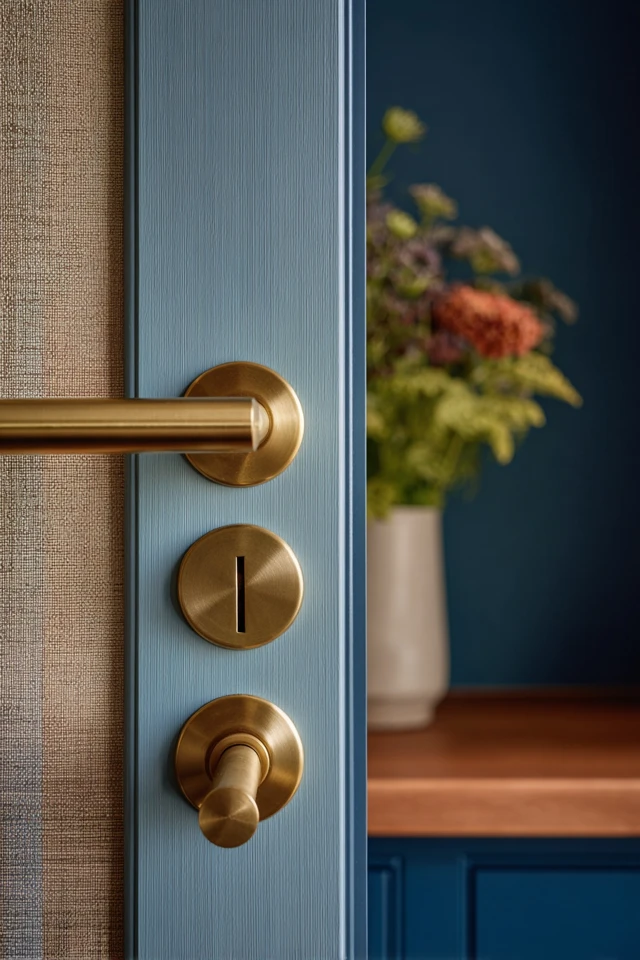
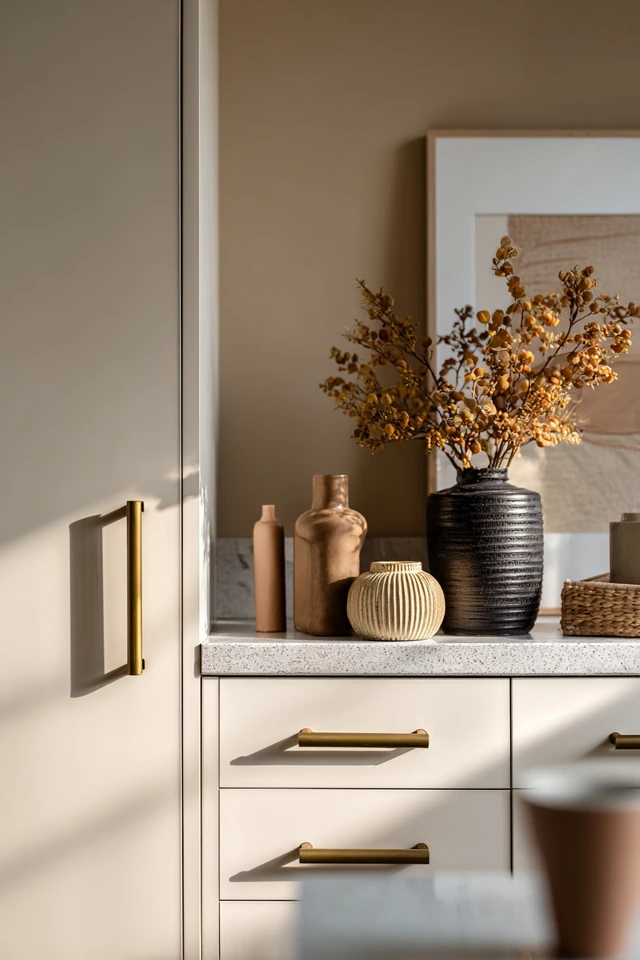
- Choose one door finish and repeat the hardware elsewhere in the kitchen. A slim bar pull suits modern kitchens; a chunky pull suits farmhouse ones.
As an architect, I'd paint the pantry door a satin or semi-gloss finish, since it's wiped often and takes scuffs from bags and elbows.
What is the latest trend for pantries?
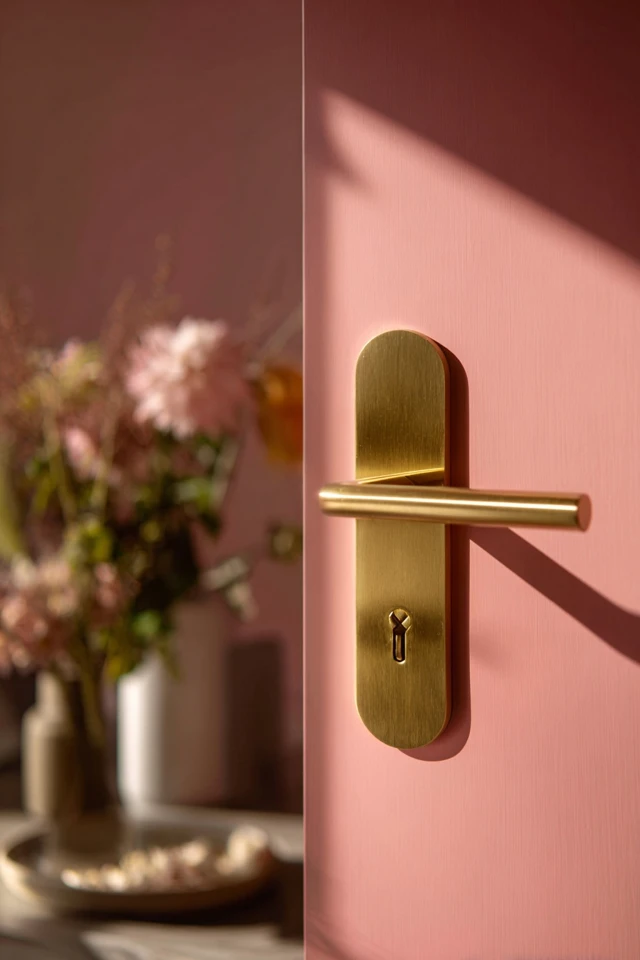
Popular right now are glazed or reeded glass doors, appliance garages that hide the toaster and mixer, and moody paint colors inside the pantry. I'd adopt trends in paint and hardware, which are cheap to change, and keep the structure simple.
Frequently asked questions
What is the best design for a small pantry?
Narrow shelves with adjustable heights, a door that doesn't take floor space (pocket, bi-fold or sliding) and good lighting suit most small pantries. Add pull-out baskets if the pantry is deep.
How to make a little pantry?
Pick a wall, nook or closet near the kitchen and fit shelves 10-14 inches apart, about 12 inches deep. Add a door or curtain and a light, and keep it away from the stove and dishwasher.
How can I make a small pantry feel larger?
Light paint, built-in lighting and a glass or frosted-glass door help it feel more open. Keeping the floor clear and using vertical storage matters too.
Filed under
ArticlesMeet the author
Written by an architect.
Julio Arco is a passionate architect with years of experience in architecture, interior design, urban design, and housing. He studied at prestigious universities across North America and Europe.

- Name
- Julio Arco
- Job
- Architect and online interior designer
- Studied
- Architecture, ITESM · Urban Design and Housing, McGill
- Partner
- Thor, Australian Shepherd
- Thor’s title
- Head of quality control