Pergola and Gazebo Ideas for Patios and Small Yards

By Julio Arco
Architect and online interior designer
In this post
The best pergola and gazebo ideas start with one decision: what do you want to do under it? Dining, lounging and cooking each need a different size, so pick the activity first and the style second.
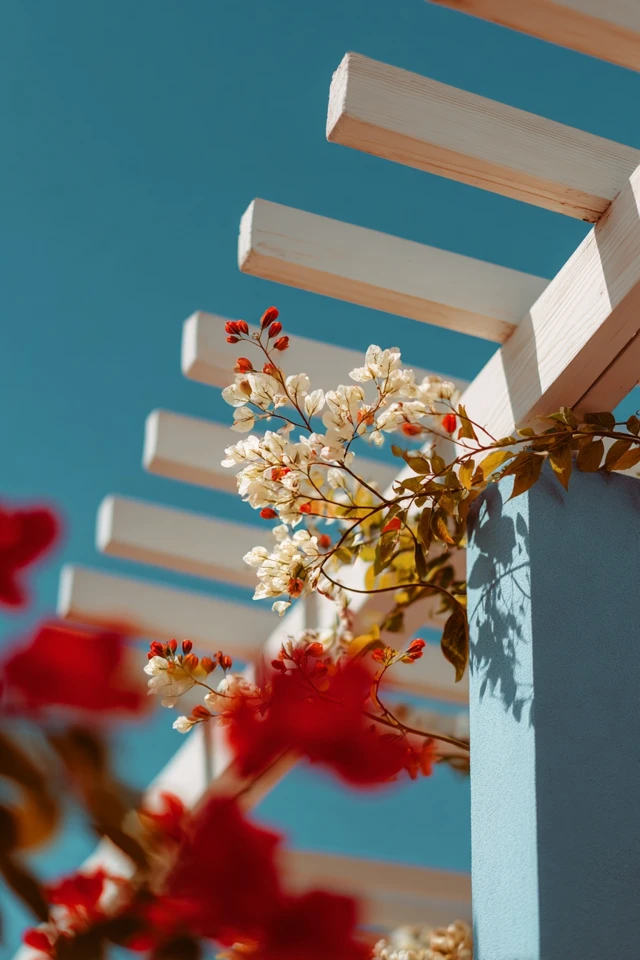
A pergola is an open frame of posts and beams that filters sun and carries climbing plants. A gazebo usually has a solid roof and stands on its own, so it gives more shelter and less airiness. Most of the ideas below work for either.
Pergola or gazebo: which fits your yard?
Choose a pergola if you want dappled light, a connection to the house or a frame for vines. Choose a gazebo if rain and full shade matter more than openness. A freestanding gazebo also works as a destination at the far end of a lawn.
On cost, a simple pergola is usually the cheaper structure, because it has no full roof and less material. Prices swing widely with size, material and region, so get local quotes instead of trusting a single number. A roofed or louvered pergola can end up costing more than a basic gazebo.
Wooden and metal options
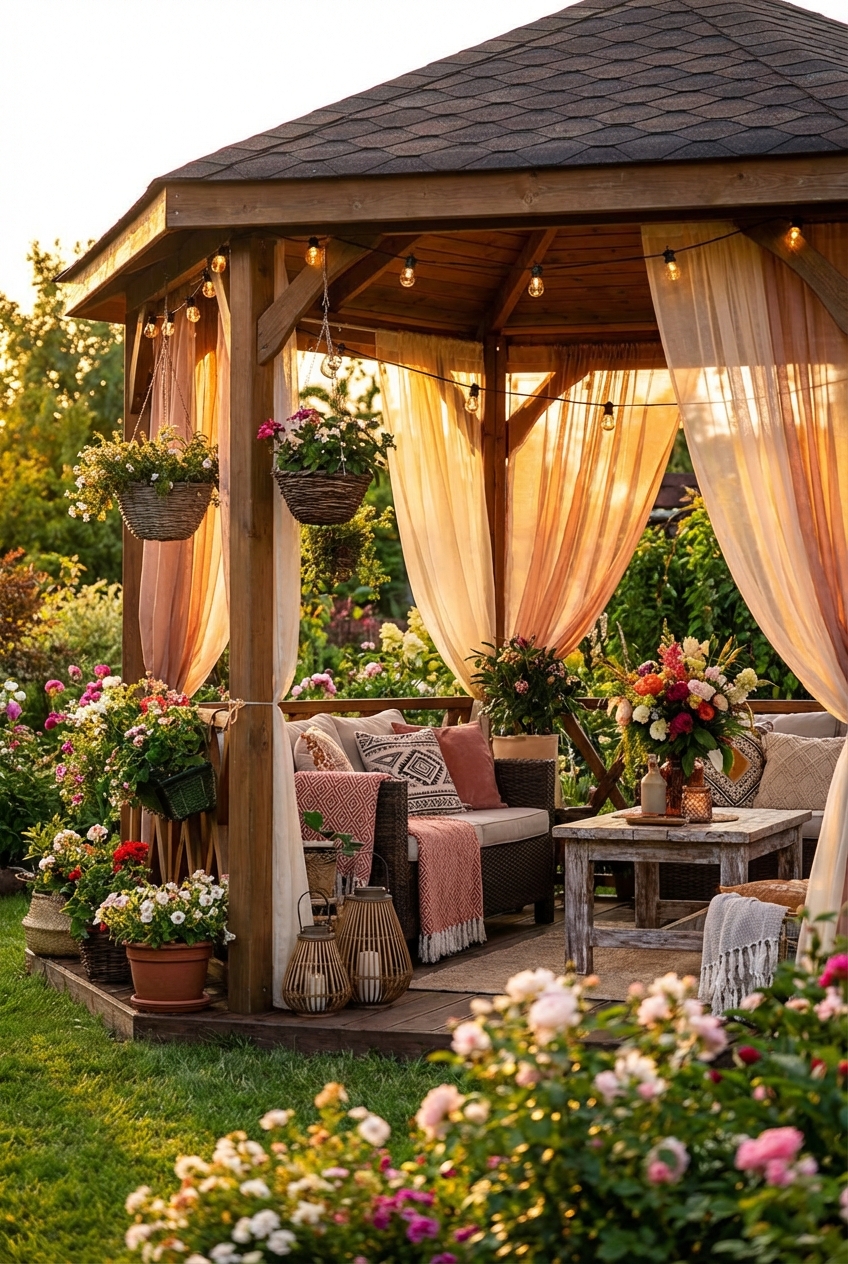
Wooden pergola and gazebo ideas lean on cedar, teak or ipe. They look warm and age well, though they need sealing on a regular schedule. Lighter woods brighten a shady corner, and darker stains add drama against green planting.
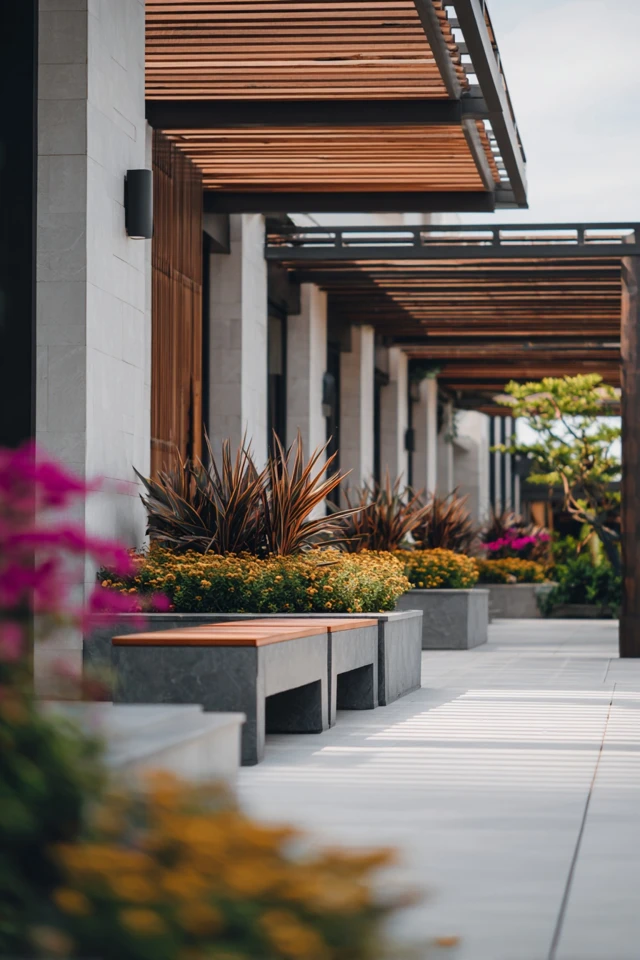
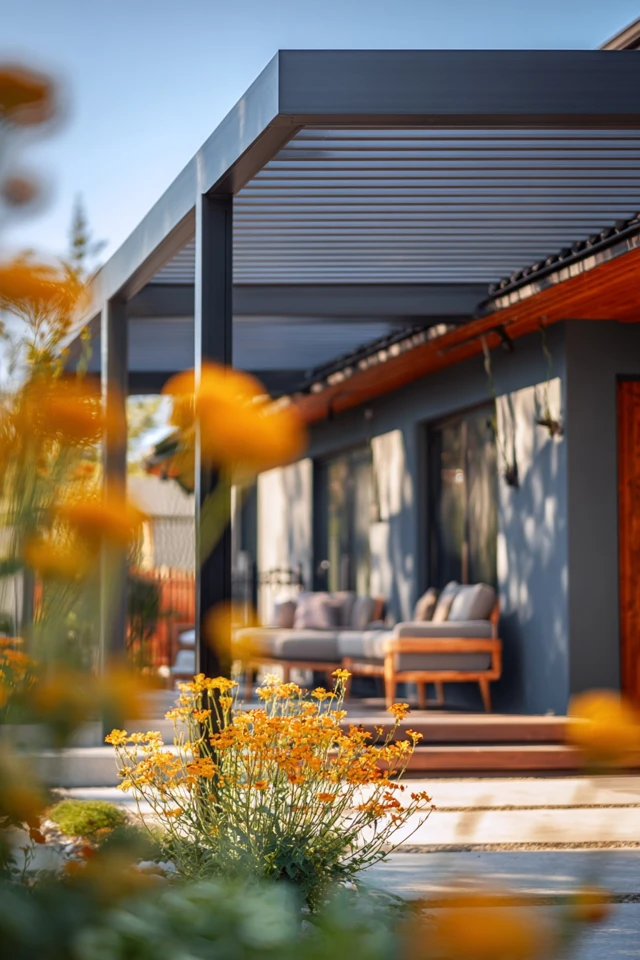
Metal pergola and gazebo ideas rely on powder-coated steel or aluminum. Aluminum won't rot, and slim steel frames give a clean, modern line. A good mix is a metal frame with wood slats on top: the cool and warm materials balance each other.
If you have a dog that chews, pick a finish that is safe to mouth, and check with your vet or the manufacturer if you're unsure about a particular sealant.
Pergola ideas attached to house
An attached pergola extends the living room outdoors. It shades the windows that face the patio and shortens the walk from kitchen to table. Match its beam color to the window trim or siding so it reads as part of the house.
Attaching it to the wall needs correct fixings and flashing so water doesn't get behind the structure. As an architect, I recommend a licensed contractor for that connection, and a check of local permit rules before you build. Freestanding structures can also need permits, depending on size.
Pergola and gazebo ideas for small spaces
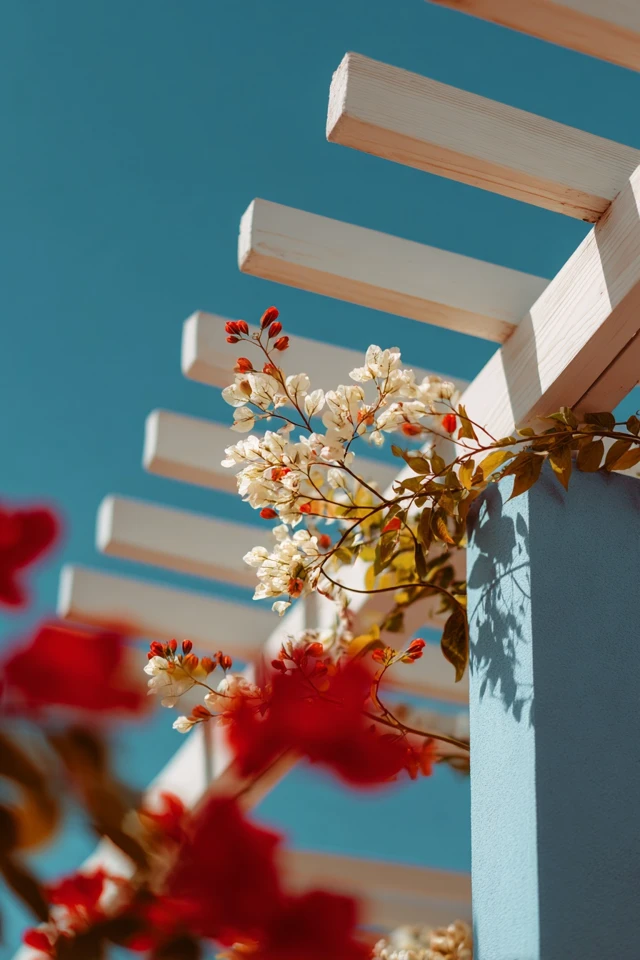
On a compact patio, a low, narrow pergola over a bistro set is plenty. Keep the structure slim, the roof slats widely spaced and the furniture slim-profile.
- Use vertical planters and climbers to draw the eye up instead of using floor space.
- Choose folding or storage furniture so the area clears quickly.
- Add a retractable shade for midday sun.
- Leave about 30-36 inches for the main walkway.
Layout, light and planting
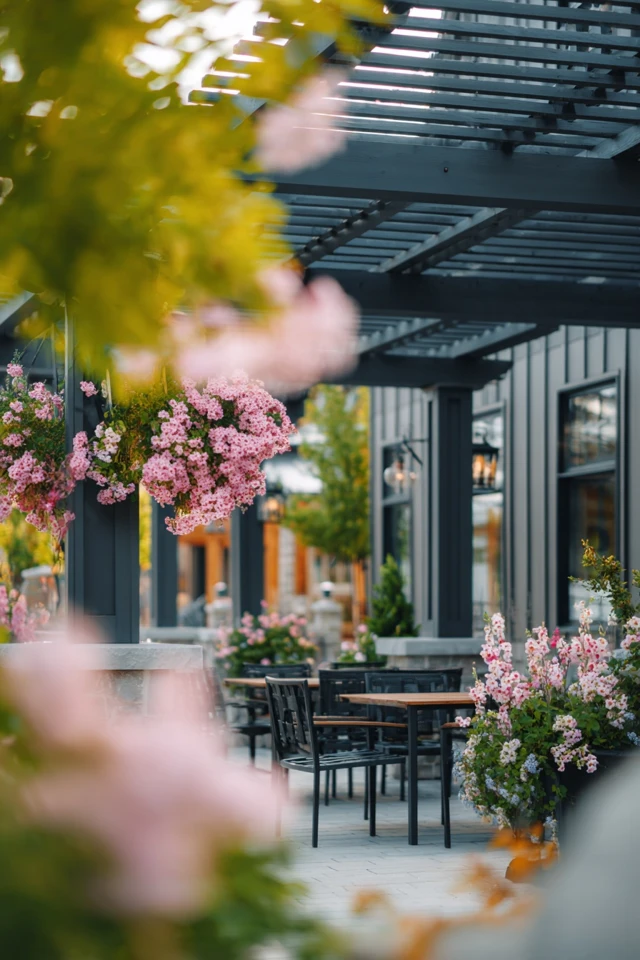
Zone the area with rugs and planters: one cluster for conversation, one for the table. If the yard is large, break it into smaller areas with partial pergolas or screens so it feels intimate.
Plants do most of the visual work. Evergreens give year-round structure, and flowering vines such as jasmine or wisteria add scent. Check how aggressive a vine is before planting it next to the house, and confirm any plant is safe for pets before it goes where your dog hangs out.
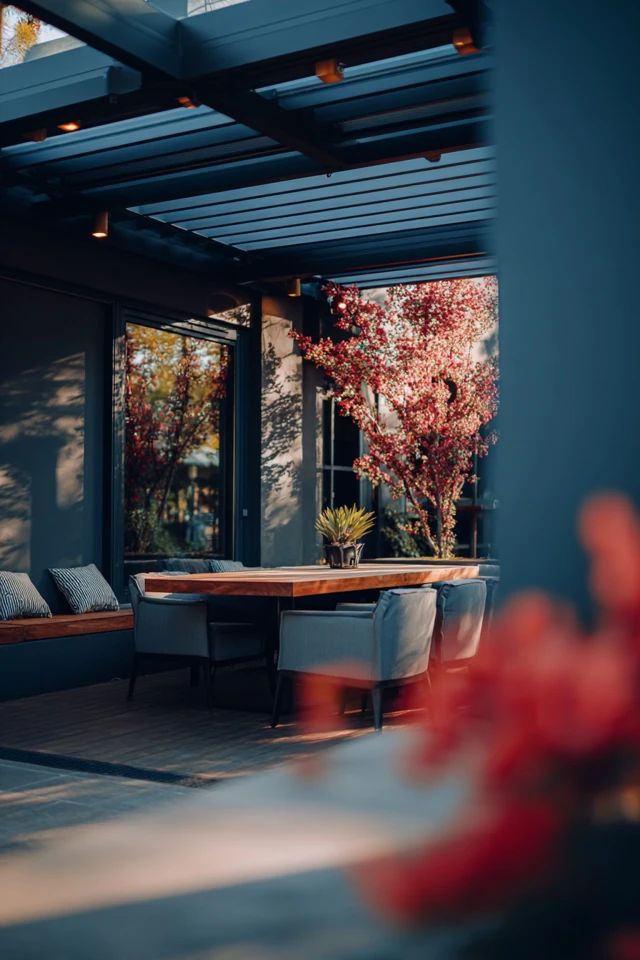
For evening use, layer string lights with a dimmer. Warm bulbs around 2700-3000K feel relaxing and don't glare.
Fabrics, floors and finishes
Use solution-dyed acrylic or similar performance fabric for cushions and shade panels, because it resists fading and mildew. Under the furniture, a textured composite deck or stone gives grip when wet. Washable outdoor rugs are easier to live with than anything that holds mud and paw prints.
Common pergola mistakes to avoid
- Building too small. If chairs hit the posts when pulled out, the frame is undersized for the table.
- Ignoring the sun path. Watch where shade falls at morning and late afternoon before fixing the orientation.
- Skipping the footings. Posts need proper foundations to resist wind, so ask a licensed professional when in doubt.
- Forgetting power. Plan outlets and lighting wiring before the roof or decking goes in, and have an electrician do the work.
- Choosing a style that clashes with the house. Echo its lines and materials.
Build it or buy a kit?
DIY pergola and gazebo ideas suit a confident builder with simple designs: a four-post frame, standard lumber, clear plans. A kit saves cutting and planning, and it is often the safer route for roofed or large structures. Building from scratch can cost less in materials but takes time, tools and a permit check.
If you like the dark, moody side of outdoor-indoor styling, our dark office aesthetic post has palette ideas that translate to a shaded seating nook. For a similar approach to a small corner, see coffee corner ideas, and for a palette that stays calm, minimalist bedroom aesthetic.
Frequently asked questions
Which is cheaper, a pergola or a gazebo?
A basic pergola is usually cheaper because it has an open roof and uses less material. Add a louvered or fabric roof and the gap narrows, so compare quotes for the exact size and material you want.
What are common pergola mistakes?
Common errors are making the frame too small for the furniture, skipping solid footings, ignoring where the sun falls and leaving wiring for later. Checking local permit rules first also avoids rework.
Is it cheaper to buy a pergola or build one?
Building can cost less in materials for a simple frame, but a kit saves time and reduces errors. The better value depends on your skills, tools and the size of the structure.
Filed under
ArticlesMeet the author
Written by an architect.
Julio Arco is a passionate architect with years of experience in architecture, interior design, urban design, and housing. He studied at prestigious universities across North America and Europe.

- Name
- Julio Arco
- Job
- Architect and online interior designer
- Studied
- Architecture, ITESM · Urban Design and Housing, McGill
- Partner
- Thor, Australian Shepherd
- Thor’s title
- Head of quality control