Home Art Studio Ideas for Any Room, Corner or Budget

By Julio Arco
Architect and online interior designer
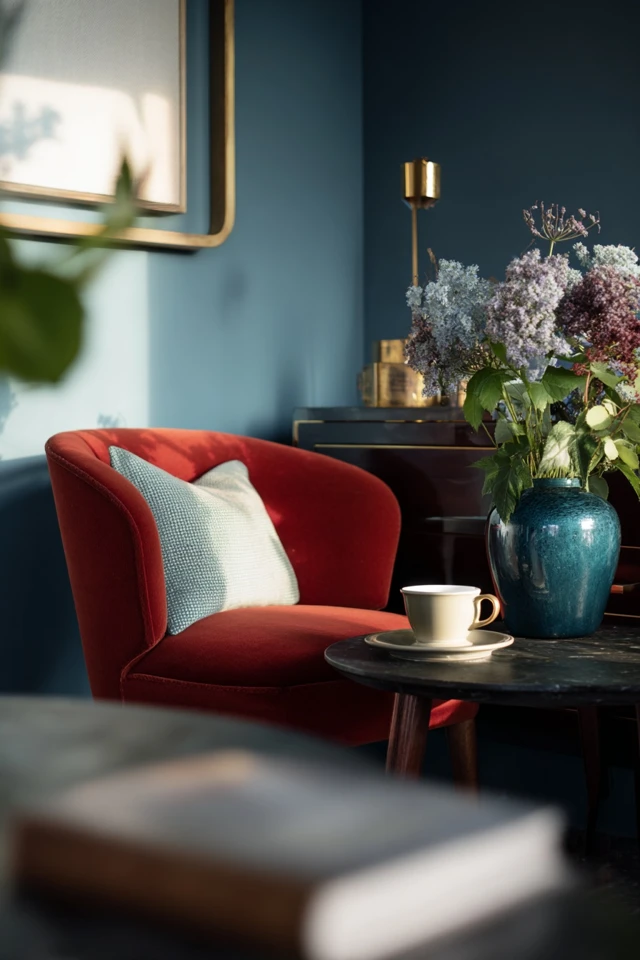
In this post
You don't need a spare room to make art at home. A corner with a table, good light and a place to park wet work is enough to start, and a closet, a divided room or a shed can grow into something bigger. The trick is choosing the spot that fits how you work.
Below are the places that work best, how to plan the layout, what a studio should include and how to keep supplies under control.
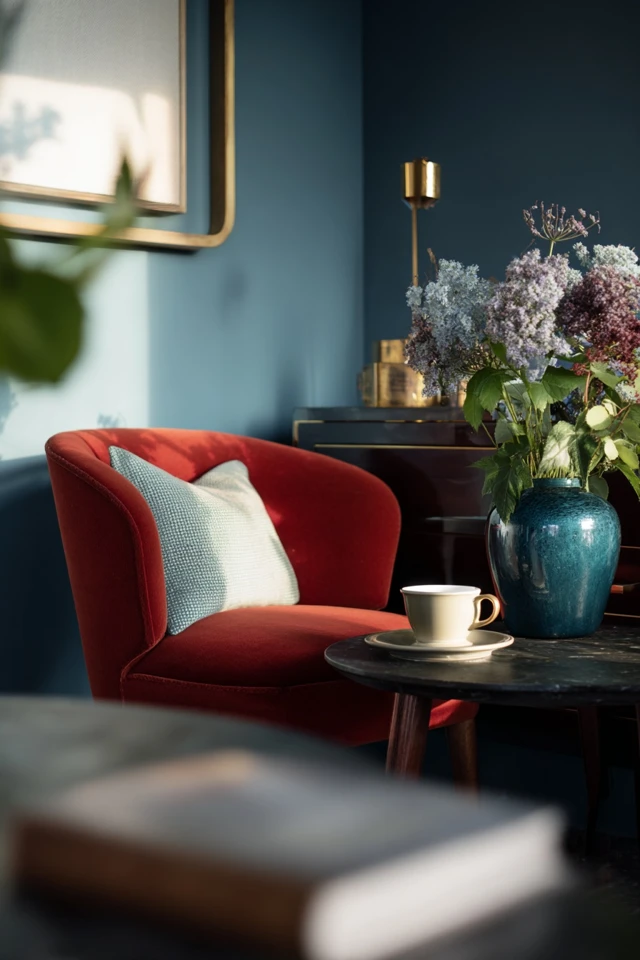
Where can you set up a home art studio?
Start with the room you already have. Ask what medium you use, how messy it gets and how often you need to leave a piece out overnight. Drawing needs a table and a lamp. Oil painting needs ventilation and a floor you don't mind splattering.
Take over a corner
This is the easiest of the home art studio ideas for small spaces. A corner gives you two walls for shelves and pinboards, and it stays out of the walking path. Put the work surface perpendicular to a window if you can, so your hand doesn't cast a shadow over the page.
Divide a room
In a bedroom or living room, a bookcase, a low screen or a rug can mark the studio zone. Open-backed shelving keeps light moving and doubles as supply storage. If the room is also used for other things, pick furniture on casters so you can reset the space quickly.
Convert a closet
A closet with the doors removed holds a narrow desk, a shelf above and a pegboard on the back wall. It works well for drawing, watercolor and small crafts. Add a clip-on or wall-mounted light, since closets rarely have good lighting.
Use a spare bedroom
A whole room lets you spread out and leave projects set up. This is where an easel, a flat file and a long table all fit. If you have a guest bed to keep, a small guest room layout can share space with a studio if the table folds away.
Convert a shed or garage
Outbuildings give you room for messy work and strong smells. Check the temperature first. Extreme heat and cold are hard on paint, paper and your own comfort, and I recommend a licensed electrician for any new wiring or heating. Pets can wander in and out of an open workshop, so keep solvents, pigments and sharp tools in closed storage and ask your vet about anything your dog might chew.
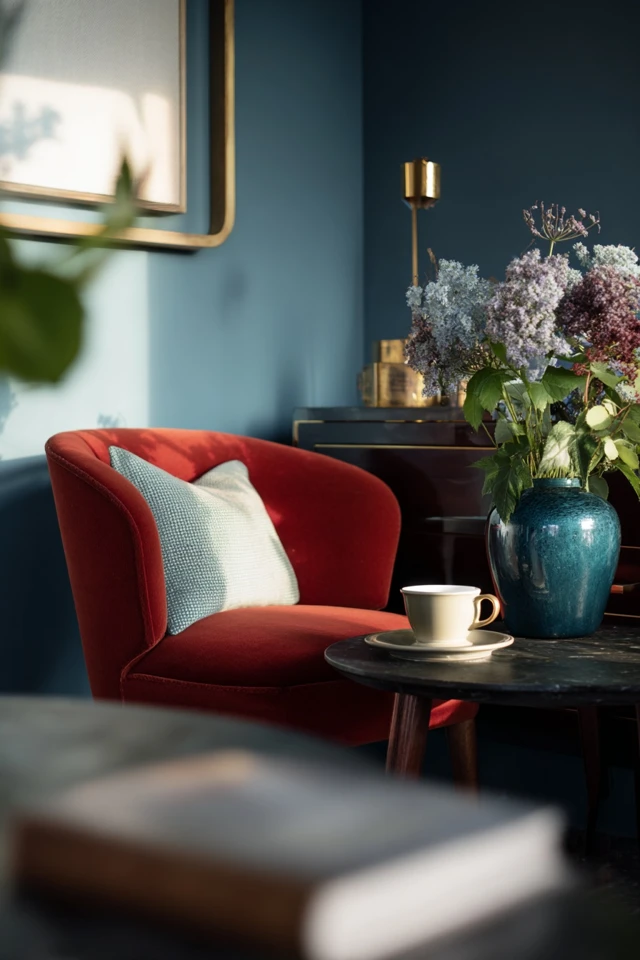
How do you plan an art studio design layout?
Think in three zones: a work zone, a storage zone and a drying or display zone. Keep the things you grab most within arm's reach of where you sit or stand. Paper, large canvases and rarely used tools can live farther away.
- Leave about 30-36 inches of clear floor around an easel so you can step back and move freely.
- Set the table height so your elbows rest at a comfortable angle. A drafting table or a counter-height surface suits standing work.
- Put wet work where it won't be bumped, ideally on a wall rack or a shelf above dog height.
- Choose a floor that wipes clean, or lay down a washable mat or drop cloth.
As an architect, I'd place the work surface first, then fit storage around it. Furniture that blocks the window or the path to the door is the usual mistake.
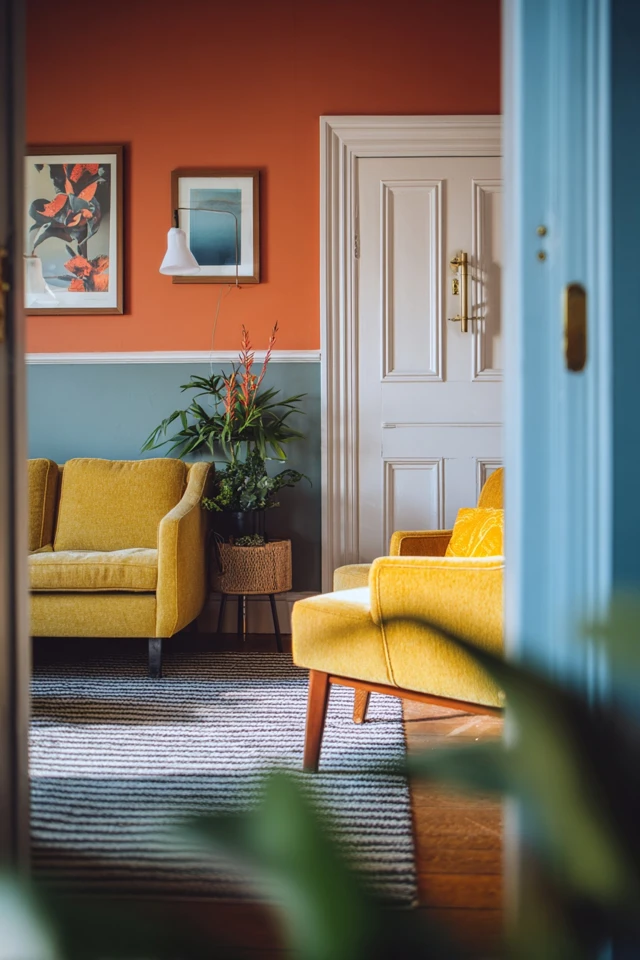
What should be included in an art studio?
The short list: a sturdy work surface, a comfortable chair or stool, good light, storage for supplies, a place to dry or display work and something to protect the floor. Beyond that, it depends on your medium.
Home art studio furniture
Look for pieces that do two jobs. A rolling cart holds paints and brushes and moves to wherever you're working. A flat file or a shallow drawer unit protects paper. A fold-down wall table gives you a desk when you need it and clears the floor when you don't. Adjustable stools save your back during long sessions.
Light
Natural light is ideal, but it changes through the day. Add an adjustable lamp for consistency. Color temperature matters for judging color, and the Department of Energy explains that correlated color temperature is one of the primary metrics used to characterize the visual appearance of light. In practice, choose bulbs with the same color temperature across the studio so colors don't shift from one lamp to the next.
LED bulbs are a sensible default. The DOE notes that good-quality white LED lighting products are expected to have a useful life of 30,000 to 50,000 hours or even longer, so you won't be changing them often.
How do you organize an art studio at home?
Sort supplies by medium first, then by how often you use them. Open containers such as jars, trays and wall pockets make everyday tools easy to see. Closed bins suit the things you use rarely.
- Hang brushes and tools on a pegboard or rail so they dry bristles-up and stay visible.
- Label drawers and bins so you can find a tube of paint in seconds.
- Keep one shelf for works in progress and one for finished pieces waiting to be stored or framed.
- Store solvents and anything toxic high up and closed, away from pets and kids.
Review your supplies once or twice a year. Dried-out tubes, cracked markers and warped brushes go out, and you'll see what you actually use.
Home art studio ideas on a budget
You can build a working studio with very little spending. A solid door on two filing cabinets makes a large table. Secondhand shelves, a thrifted lamp and a pegboard cover most storage needs. Spend first on light and a comfortable seat, since those affect how long you can work.
Paint the wall behind your work area a light neutral so it doesn't tint what you see on the page. If you want inspiration for display, a gallery wall is a cheap way to show finished pieces and make the room feel like yours. For a calmer setup, look at zen room ideas, which pair well with a quiet drawing corner.
Frequently asked questions
How can I create an art studio at home?
Pick a spot with good light, add a sturdy table and a comfortable seat, then plan storage close to where you work. Start with a corner or closet and expand as your needs become clear.
What are some good ideas for a home studio?
A corner desk, a divided room, a converted closet, a spare bedroom or a shed all work. A fold-down table is a good option when the space has to serve other uses.
What should be included in an art studio?
A work surface, a comfortable chair, strong light, storage, a spot to dry work and floor protection. Add an easel, flat file or ventilation depending on your medium.
Can I make an art studio in a small apartment?
Yes. Use a corner, a closet or a fold-down table, and store supplies on vertical shelves or a rolling cart so the space clears easily.
Filed under
ArticlesMeet the author
Written by an architect.
Julio Arco is a passionate architect with years of experience in architecture, interior design, urban design, and housing. He studied at prestigious universities across North America and Europe.

- Name
- Julio Arco
- Job
- Architect and online interior designer
- Studied
- Architecture, ITESM · Urban Design and Housing, McGill
- Partner
- Thor, Australian Shepherd
- Thor’s title
- Head of quality control