DIY Backyard Pond: Cheap Steps to Build One Yourself
Build a DIY backyard pond on a budget: pick a spot, dig to the right depth, fit a liner, add plants and keep the water clear. Simple steps for small yards.

By Julio Arco
Architect and online interior designer
In this post
- How to build a pond step by step
- Where should you put a backyard pond?
- Can you just dig a hole and make a pond?
- How deep should a small backyard pond be?
- Measuring and fitting the liner
- How to build a small garden pond from a container
- Finishing the edges and adding plants
- Keeping the pond clean and algae-free
- Frequently asked questions
The cheapest way to make a pond is to skip the fancy parts: a preformed basin or a flexible liner, a few rocks, some potted plants and a small pump. You can have one working in a weekend, and it doesn't need a big yard.
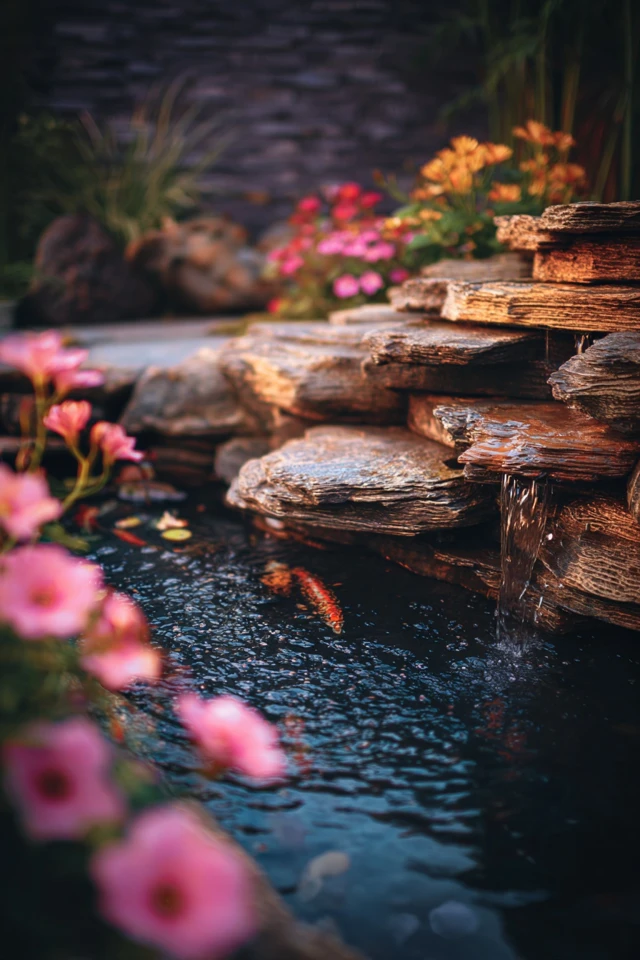
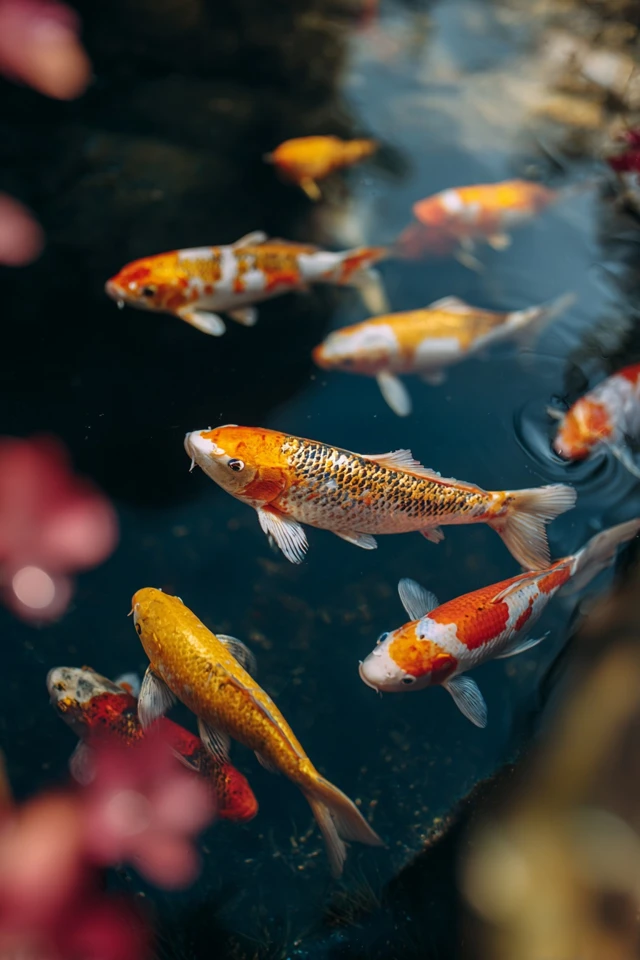
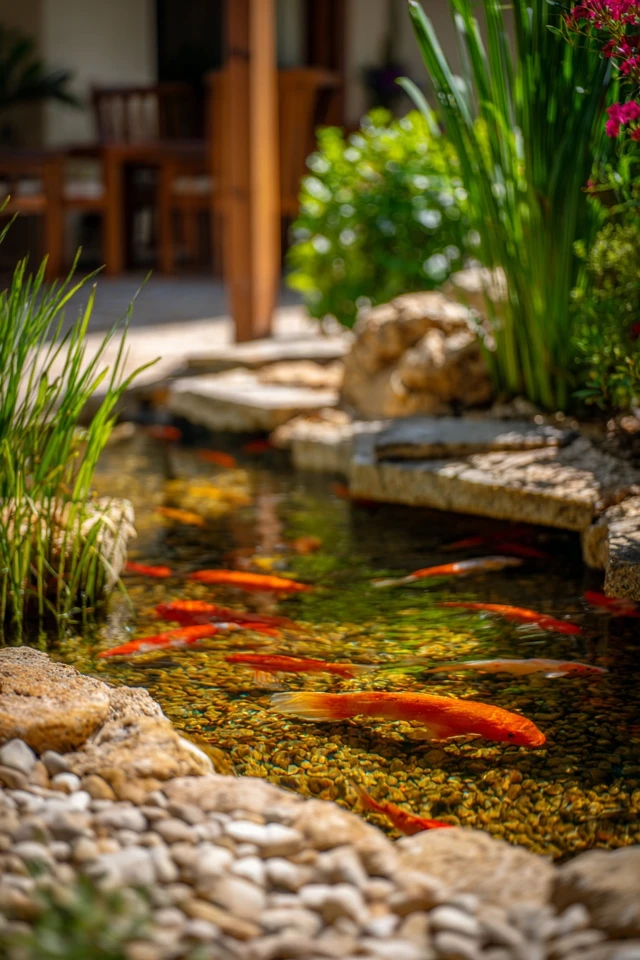
One caution first. A true koi pond is a different project from a decorative one. Koi need a lot of water volume and a proper filter, so a small budget pond is better suited to goldfish, plants and wildlife. If koi are your goal, the pond needs to be much bigger and deeper than anything in this guide.
How to build a pond step by step
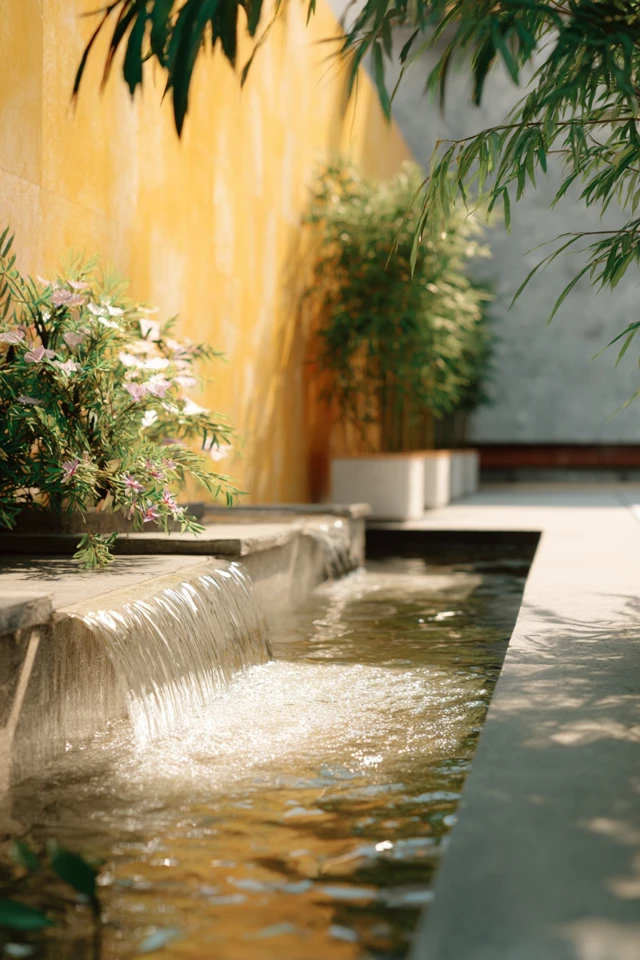
- Pick the spot and mark the outline with a garden hose or rope.
- Dig the hole with a shelf for plants and a deeper center.
- Remove sharp stones and roots, then line the hole with sand or old carpet.
- Lay the liner, fill it slowly and let it settle before trimming the edges.
- Hide the edges with rocks, add the pump and then the plants.
The sections below cover each step in more detail.
Where should you put a backyard pond?
Choose a spot you can see from a window or seating area. A pond you only notice when you trip over it won't get much enjoyment. Stay away from the base of large trees, where falling leaves and roots cause trouble, and avoid the lowest point of the yard, where runoff carries soil into the water.
Aim for a mix of sun and shade. Full sun grows algae fast, and deep shade is poor for water lilies. A spot with morning sun and some afternoon shade is a good starting point.
Leave about 3 feet of clear walking space around the edge if the pond sits near a path. Check where underground utility lines run before you dig, and look up local rules, since some areas regulate larger ponds or fencing. If the pump needs power, ask a licensed electrician about outdoor-rated outlets.
Can you just dig a hole and make a pond?
Not quite. Soil that drains well will empty a bare hole in days. Clay soil can hold water for a while, but it's unreliable, and the edges slump. A liner or preformed shell is what makes it a pond.
If you don't want to dig much, there are no-dig options. Build the pond partly above ground with a raised edge of stone or timber, or use a stock tank or large container set into a shallow pit or on the surface.
How deep should a small backyard pond be?
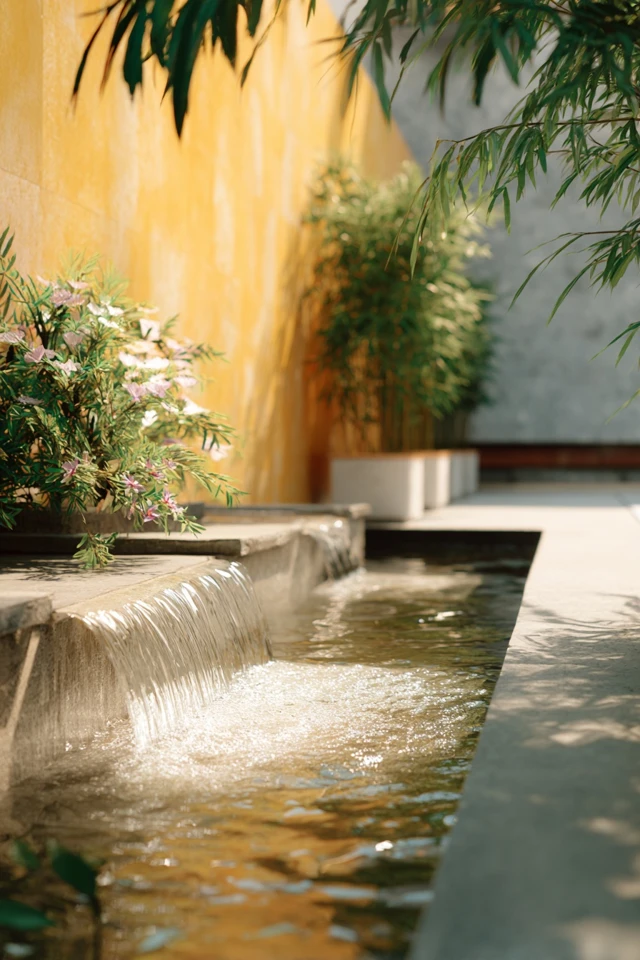
For a small wildlife or plant pond, about 18-24 inches at the deepest point works well, with a planting shelf around 8-12 inches deep. Goldfish do fine at that depth in mild climates. In places with hard winters, go deeper so the pond doesn't freeze solid.
If birds are your target, add a separate shallow area. Penn State Extension notes that birds will only use a bath with water no more than two to three inches deep, so a gently sloped beach of pebbles in one corner gives them a safe spot to drink.
Dig the sides at a slope instead of straight down. Steep, slick walls are hard on liners and make it difficult for frogs, hedgehogs and dogs to climb out.
Measuring and fitting the liner
To size a flexible liner, add the pond's maximum depth twice to its length, and do the same for the width. Then add about 2 feet to each dimension for overlap at the edges. It's better to have a liner too big than too small, since you can trim it.
Put a layer of sand or old carpet underneath to protect against stones. Lay the liner loosely, then start filling. The weight of the water pulls it into the hole, so smooth the folds as it goes. Trim the extra only after the pond is full.
A preformed rigid shell is easier to place but needs a perfectly level, well-compacted base. Set it in, check it with a level, and backfill around it with sand as you fill with water.
How to build a small garden pond from a container
This is the lowest-effort route. A watertight half barrel, a stock tank or a large glazed planter without drainage holes can all work. Place it on level ground, partly sunk if you like, and fill it with water.
Containers heat up and cool down faster than a dug pond, so put one in partial shade. Use bricks or upturned pots inside to hold potted plants at the right height. A container pond is a good fit for renters, since you can take it with you.
Finishing the edges and adding plants
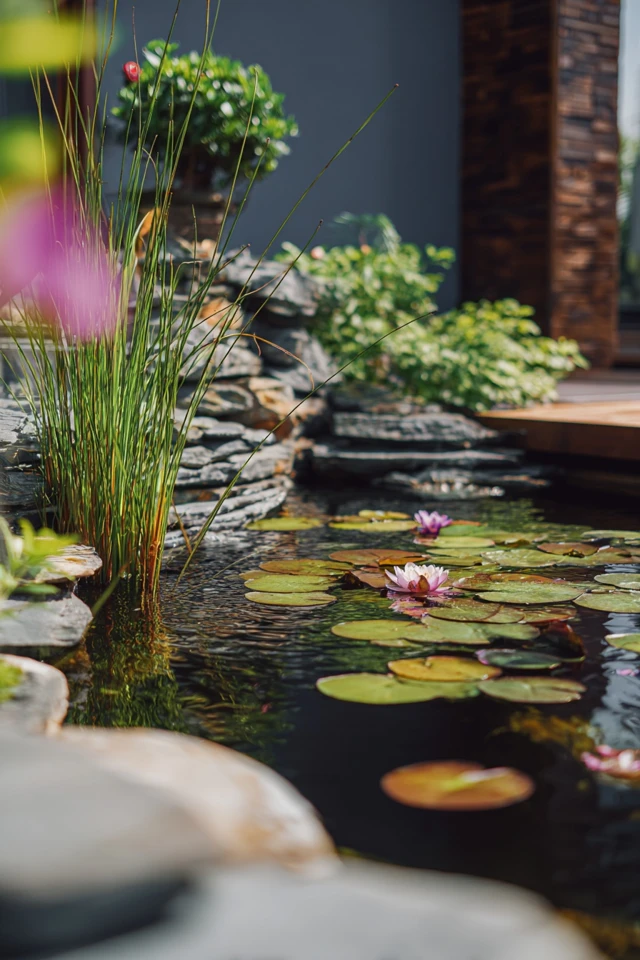
Rocks hide the liner and protect it from sunlight, which breaks down exposed plastic over time. Overlap the liner's edge with flat stones and tuck smaller ones into gaps. Leave one low area for wildlife to get in and out.
Plants do much of the cleaning work. They take up nutrients that otherwise feed algae, and floating leaves shade the water. Keep plants in pots with gravel on top so soil doesn't cloud the water. Group the same species together for a fuller look. Master Gardener Deb Christopher makes a similar point about ground covers in Penn State Extension's guide: "If disease or pest problems arise, the entire monoculture planting may be killed. Instead, consider planting drifts or groups of single species, providing a patchwork-quilt effect."
Keeping the pond clean and algae-free
A small pump with a basic filter keeps water moving, which helps with mosquitoes and oxygen. Aim to cover roughly half of the surface with plant leaves. Skim fallen leaves before they sink and rot.
Don't overfeed fish, since uneaten food feeds algae. A new pond often turns green for a few weeks before it settles, and that's normal. If you have pets, keep the edges gentle and supervise at first. For questions about what is safe for your dog around pond plants or water, check with your vet.
As an architect, I'd treat the pond like any other part of the layout: plan access for cleaning, hide the cable run, and keep the edge low and visible. For more ideas on style and planting, see our guides to a cheap garden pond, DIY koi pond ideas and pond decor on a budget.
Frequently asked questions
What is the cheapest way to make a pond?
Use a container such as a stock tank or half barrel, or dig a hole and line it with a flexible liner over sand. Add potted plants and rocks you already have to keep costs down.
How to make a homemade pond in your backyard?
Mark the shape, dig it with a plant shelf and a deeper middle, protect the hole with sand or underlay, then lay a liner and fill it. Finish the edges with rocks and add plants.
How deep should a small backyard pond be?
About 18-24 inches at the deepest point suits most small ponds, with a shallower shelf for plants. Colder climates need more depth so the water doesn't freeze solid.
Can I keep koi in a small DIY pond?
Koi need far more water volume and filtration than a small pond offers. Goldfish or plants are a better fit for a compact build.
Filed under
ArticlesMeet the author
Written by an architect.
Julio Arco is a passionate architect with years of experience in architecture, interior design, urban design, and housing. He studied at prestigious universities across North America and Europe.

- Name
- Julio Arco
- Job
- Architect and online interior designer
- Studied
- Architecture, ITESM · Urban Design and Housing, McGill
- Partner
- Thor, Australian Shepherd
- Thor’s title
- Head of quality control