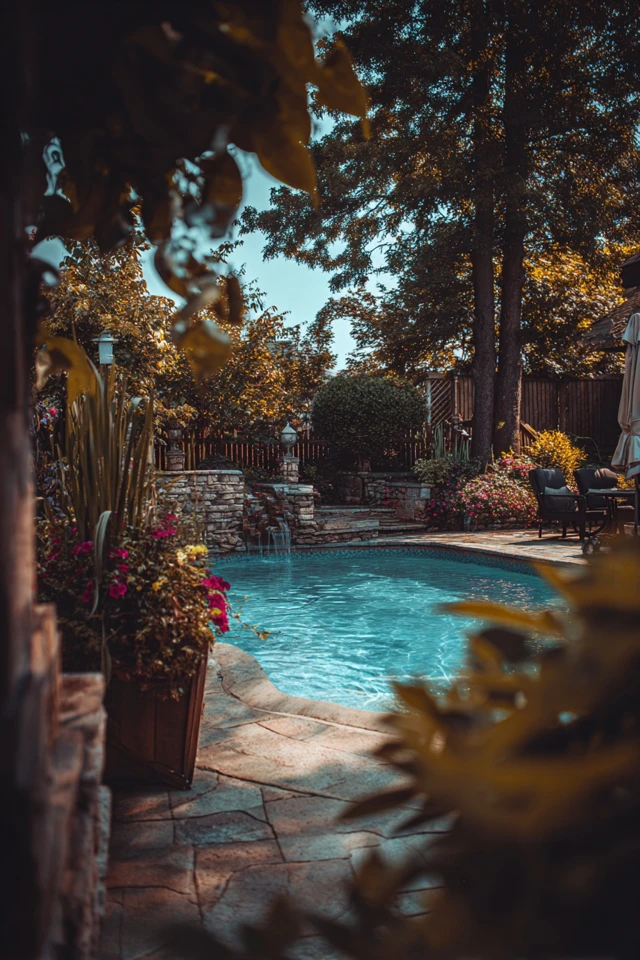
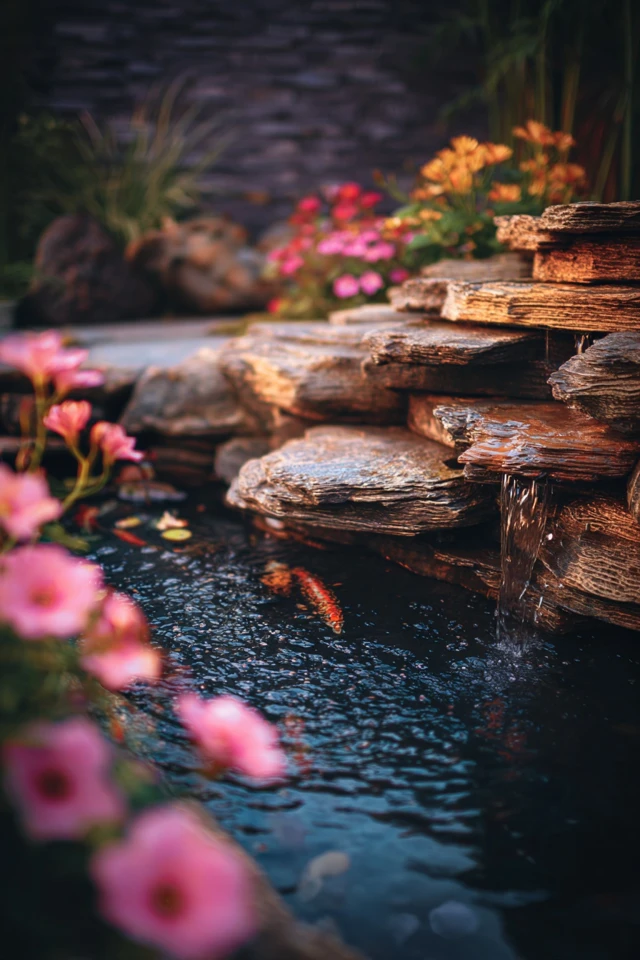
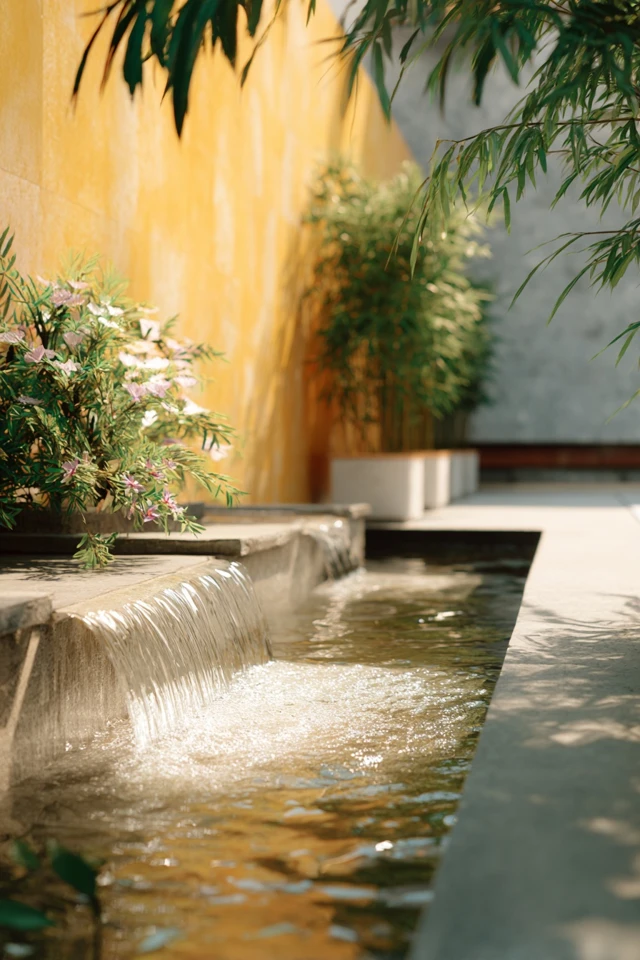
DIY Backyard Pond: Simple Steps and Budget Ideas
Build a DIY backyard pond with a shovel, a liner and a few plants. Learn depth, placement, the cheapest options and a no-dig container pond.

By Julio Arco
Architect and online interior designer
In this post
- Where should you put a backyard pond?
- Can you just dig a hole and make a pond?
- How to build a pond step by step
- How deep should a small backyard pond be?
- Finishing the edges with rocks and plants
- No-dig backyard pond ideas
- Keeping the pond clean and algae-free
- Cheap ways to build a pond on a budget
- Frequently asked questions
A DIY backyard pond needs four things: a spot with partial sun, a hole or container that holds water, a liner (unless the container is waterproof), and plants to keep the water balanced. You can finish a small one in a weekend, and the cheapest version costs about as much as a large planter.
It's very common to feel unsure where to start, so don't worry if you've never dug anything bigger than a flower bed. The steps below go from planning to upkeep, with options for tight budgets and for people who don't want to dig.
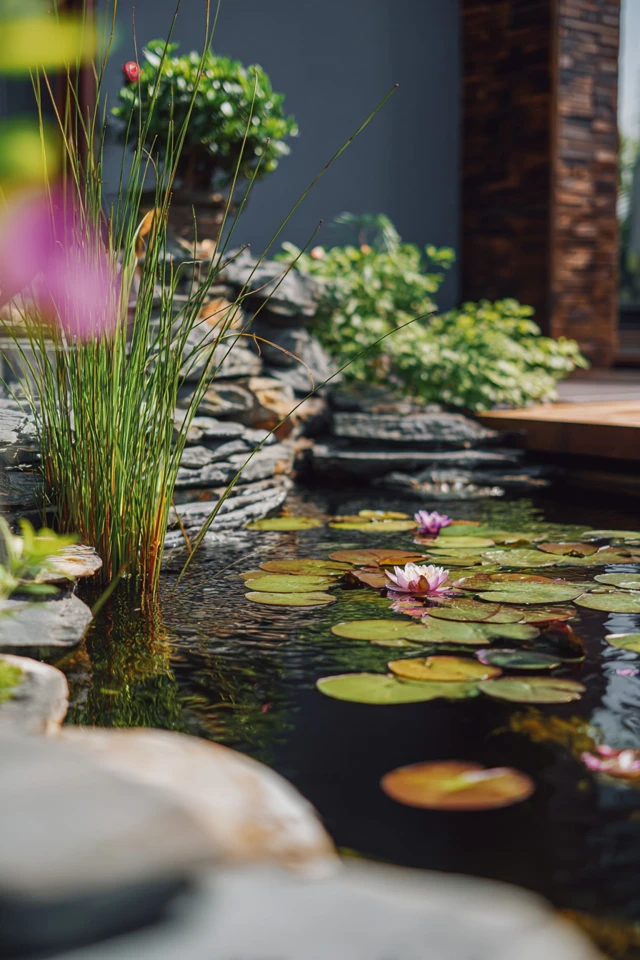
Where should you put a backyard pond?
Pick a spot you can see from a window or a seat, because a pond you never look at is wasted effort. Aim for roughly four to six hours of sun. Full sun cooks the water and feeds algae, while deep shade fills the pond with leaves and keeps plants from thriving.
Stay away from low spots where rain collects, since runoff carries soil and fertilizer into the water. Keep it clear of big tree roots, which make digging miserable, and of overhanging trees that drop leaves. Before you dig, call your local utility locator service and check with your town about any rules on water features or fencing.
If you have a dog, think about how the pond sits in the dog's routine. Dogs love to wade in, and a shallow, gently sloped edge is easier on them than a vertical drop. Ask your vet about algae and standing water if your dog drinks from the pond.
Can you just dig a hole and make a pond?
Not reliably. Most garden soil drains, so an unlined hole will drain or turn to mud within days. Only dense clay holds water on its own, and even that tends to crack in dry weather. A liner is cheap insurance.
The cheapest ways to make a pond are a pre-formed container, such as a large glazed pot or a stock tank, or a hole lined with flexible pond liner. Both cost far less than a molded rigid pond shell. Check secondhand listings for tubs, half barrels and old basins.
How to build a pond step by step
- Outline the shape with a garden hose or rope. Curves look more natural than rectangles, and they are easier to line.
- Dig the main basin. Keep the walls sloped slightly rather than straight.
- Cut a shelf about 8-12 inches below the rim for potted plants, then dig the deeper center.
- Remove sharp stones and roots. Lay a layer of sand or old carpet underlay on the soil to protect the liner.
- Drape the liner loosely over the hole and press it into the contours. Let it settle as you fill the pond with a hose, smoothing folds as the water rises.
- Check the rim with a level before the water reaches the top. A rim that's an inch low on one side will show.
- Trim the liner, leaving 8-12 inches around the edge, and tuck it under rocks or soil.
When you buy a liner, measure the maximum length and width, then add twice the depth plus about a foot of overlap on each side. A bit extra is much better than a bit short.
How deep should a small backyard pond be?
For a small pond, about 18-24 inches at the deepest point is a workable range. That is enough for water to stay cooler in summer and for plants to have a shelf and a deeper zone. If you live where winters freeze, a deeper section helps, especially if you plan to keep fish. Local conditions vary, so check with a nearby garden center.
Wildlife is a different case. Penn State Extension notes that birds will only use a bath with shallow water, no more than two to three inches of water at the deepest. If you want birds to drink and splash, build a gently sloping rock beach at one edge rather than relying on the deep part.
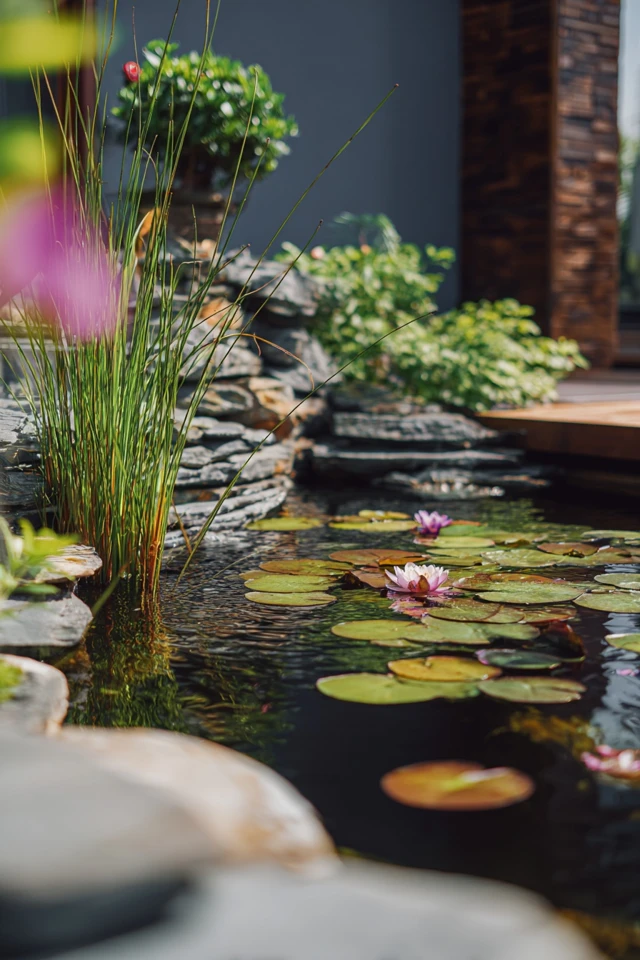
Finishing the edges with rocks and plants
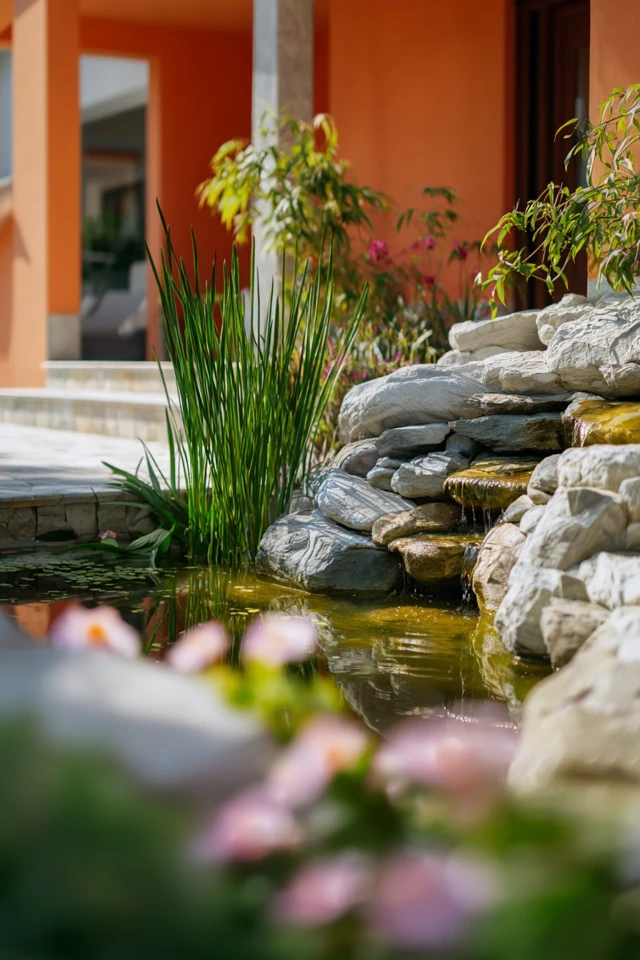
Rocks hide the liner and keep it from fading in the sun. Use a mix of sizes: a few large flat stones along the rim, then smaller river rock and gravel on the shelf. Avoid piling everything in a perfect ring, which looks like a fire pit.
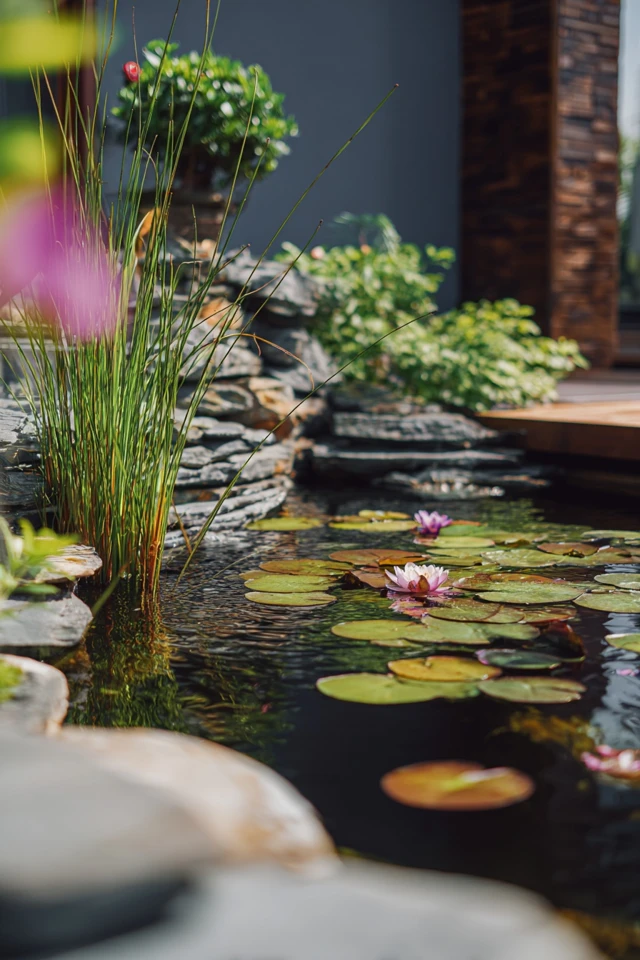
Plants do most of the work in keeping water clear. Floating plants and potted plants on the shelf shade the surface and take up nutrients that otherwise feed algae. Aim to cover roughly half of the surface once they fill in. Choose plants sold for water gardens, and avoid aggressive species that spread if they escape. Ask your vet or check a pet-toxicity list before planting anything near a dog that chews greenery.
Around the pond, plant in groups of one species rather than a single mixed row. Master Gardener Deb Christopher of Westmoreland County puts the logic well in Penn State Extension's piece on groundcovers: "If disease or pest problems arise, the entire monoculture planting may be killed. Instead, consider planting drifts or groups of single species, providing a patchwork-quilt effect."
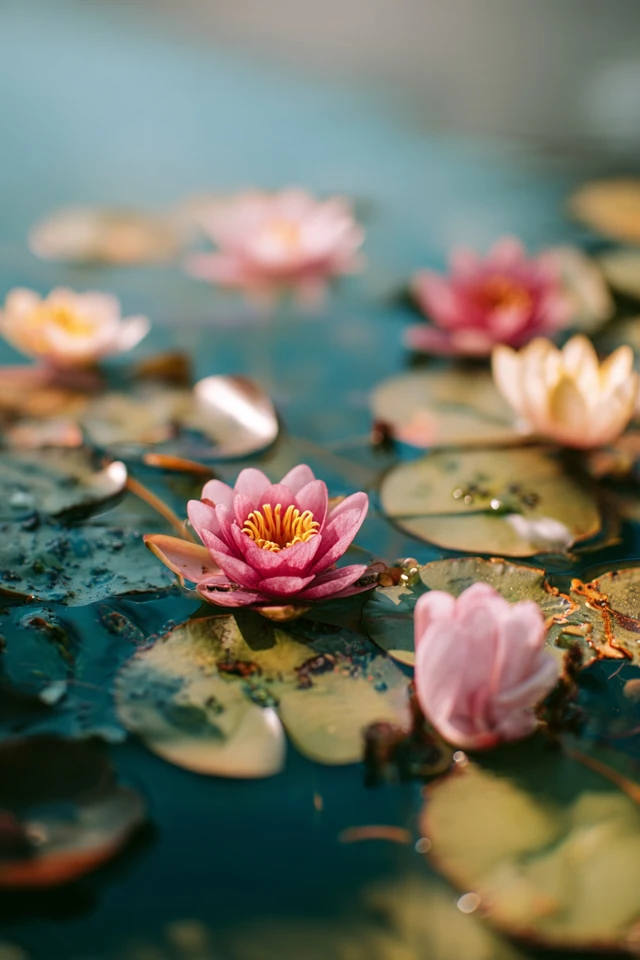
No-dig backyard pond ideas
If you rent, have rocky soil or just don't want a project, a container pond is the easiest route. It's also the best way to try the idea before committing to a larger one.
How to build a small garden pond from a container
- Choose a watertight vessel: a glazed ceramic pot with no drainage hole, a half barrel with a liner, or a stock tank.
- Set it on level ground, or sink it partly into the soil for a more natural look.
- Stack bricks or upturned pots inside to make shelves for potted plants.
- Fill it, then let it sit for a few days before adding plants.
A container pond can be as small as a barrel, so a patio or balcony will do. For a raised version, build up a ring of stone or timber and line the inside. As an architect, I'd keep a raised pond low, around knee height, so it feels like a seat edge and not a tank.
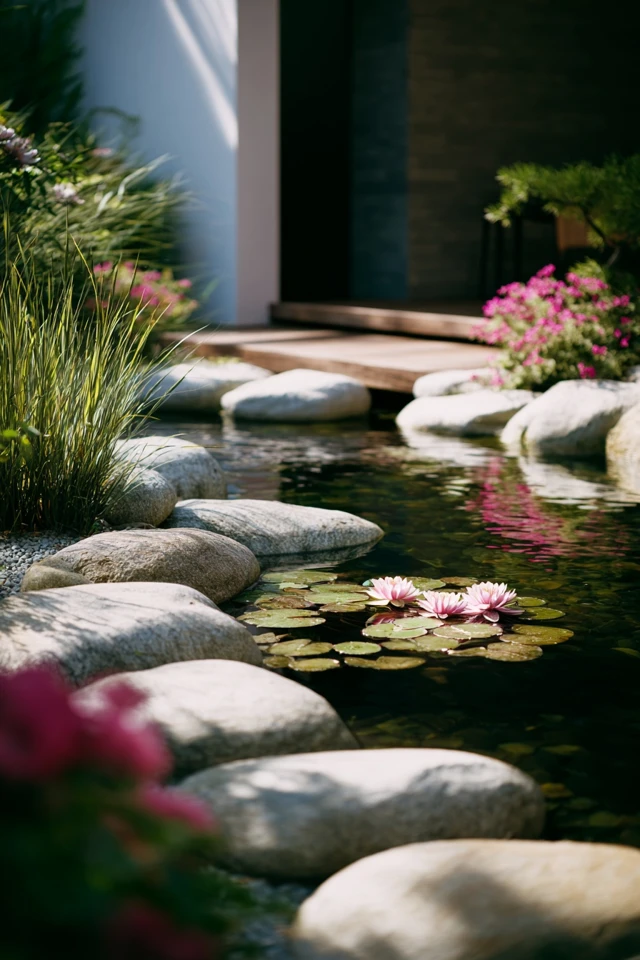
Keeping the pond clean and algae-free
A new pond usually turns green for a few weeks while plants establish. Resist the urge to drain it and start over. Instead, add more plants, shade part of the surface and scoop out fallen leaves before they rot.
- Skim debris weekly during leaf season.
- Top up with water as it evaporates.
- Don't overfeed fish, and keep numbers low.
- A small pump or fountain adds oxygen and keeps mosquitoes from settling. Use a cord rated for outdoor use and have a licensed electrician install any outdoor outlet.
Safety matters if children or pets are around. Keep the edges shallow and gently sloped, and consider a fence or a sturdy grate over the water if toddlers visit often.
Cheap ways to build a pond on a budget
For a DIY backyard pond on a budget, spend money on the liner and put your effort into digging. Reclaimed stone, rocks from your own yard and divided plants from friends keep costs down. A plain rubber or polyethylene liner works better than a cheap plastic tarp, which breaks down in sunlight. Skip the pump on a very small pond, and let plants carry the water balance.
If you're planning the rest of the yard-facing rooms, a pond view can shape how you arrange a sitting area. See our ideas for a drawing room if you want a window seat that looks onto the garden.
Frequently asked questions
What is the cheapest way to make a pond?
Use a watertight container such as a large pot, half barrel or stock tank, often found secondhand. A hole lined with flexible pond liner is the next cheapest, and rocks from your own yard cut the cost further.
How deep should a small backyard pond be?
About 18-24 inches at the deepest point works for most small ponds. Add a shelf around 8-12 inches down for potted plants, and check local winter conditions if you keep fish.
Can you just dig a hole and make a pond?
Only if your soil is dense clay, and even then it may crack. Most soil drains, so a liner or a preformed shell is the safer choice.
How do you make a homemade pond in your backyard?
Choose a partly sunny spot, dig a sloped basin with a plant shelf, cushion it with sand, lay the liner, fill it and edge it with rocks. Add plants once the water has settled.
Filed under
ArticlesMeet the author
Written by an architect.
Julio Arco is a passionate architect with years of experience in architecture, interior design, urban design, and housing. He studied at prestigious universities across North America and Europe.

- Name
- Julio Arco
- Job
- Architect and online interior designer
- Studied
- Architecture, ITESM · Urban Design and Housing, McGill
- Partner
- Thor, Australian Shepherd
- Thor’s title
- Head of quality control