Door Cover Ideas: 12 Ways to Hide or Dress Up a Door
Door cover ideas for unused doors, doorways and exterior doors: paint, fabric, wallpaper, film and more, with renter-friendly options that need no removal.

By Julio Arco
Architect and online interior designer

In this post
- How to cover a door without removing it
- Paint and stencil ideas
- Door covering ideas without curtains
- Can I put peel and stick wallpaper on a door?
- How to cover an unused door
- How to cover a doorway without a door
- Privacy film for glass doors
- Exterior door cover ideas
- Choosing between sliding and swinging covers
- Frequently asked questions
The easiest way to cover a door is to match it to what you want from it: paint or wallpaper to make it blend in, fabric or a panel to soften it, frosted film or a mirror to deal with glass. Most of these can be done without taking the door off its hinges, which suits renters too.
Below you'll find ideas for interior doors, unused doors, open doorways and exterior doors, plus a few notes on what works with pets in the house.

How to cover a door without removing it
Leave the door in place and work on its surface. Clean it, lightly sand glossy paint, and take off the handle or tape around it if you want a clean finish. Then pick one of the options below.
If you rent, favor anything removable: tension rods, adhesive hooks, peel-and-stick products and fabric hung from the top of the frame. Test a small, hidden corner first, because older paint can lift with adhesive.
Paint and stencil ideas
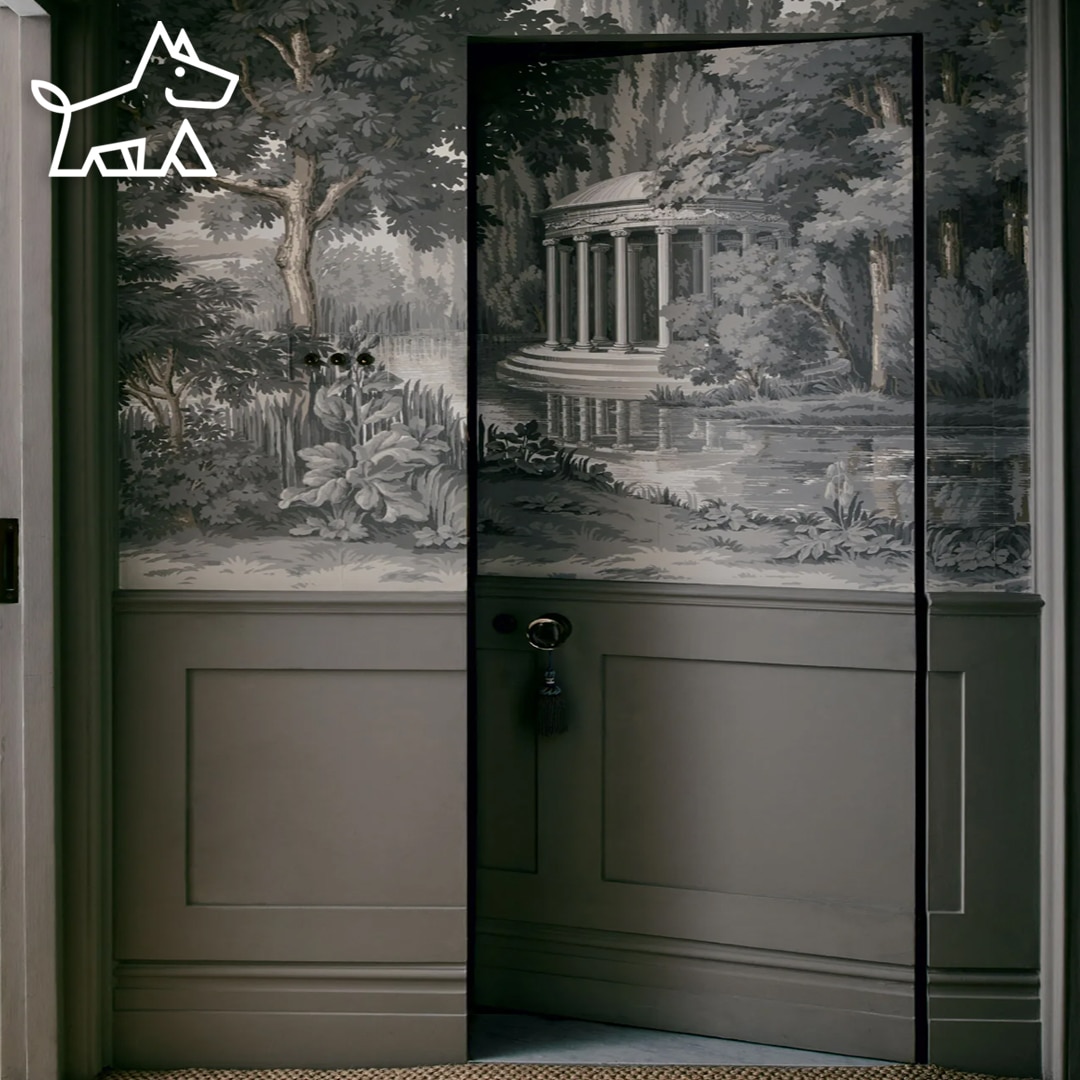
Paint is the cheapest of the creative ways to cover a door. Paint it the same color as the wall and it nearly disappears, which is useful for a door you never use. Paint it a deeper shade and it becomes a feature.
- Wall-matched paint with the hardware removed hides a door best.
- A saturated color on the door makes it a focal point. Matte and eggshell hide fingerprints better than gloss.
- Stencils or a simple geometric pattern add interest without much cost.
- Painted panels can be framed with trim to look like built-in wall paneling.
If you like bold door colors, see these burnt orange door ideas.
Door covering ideas without curtains
Curtains are the obvious answer, but they aren't the only one. These work well when you want something flatter or sturdier:
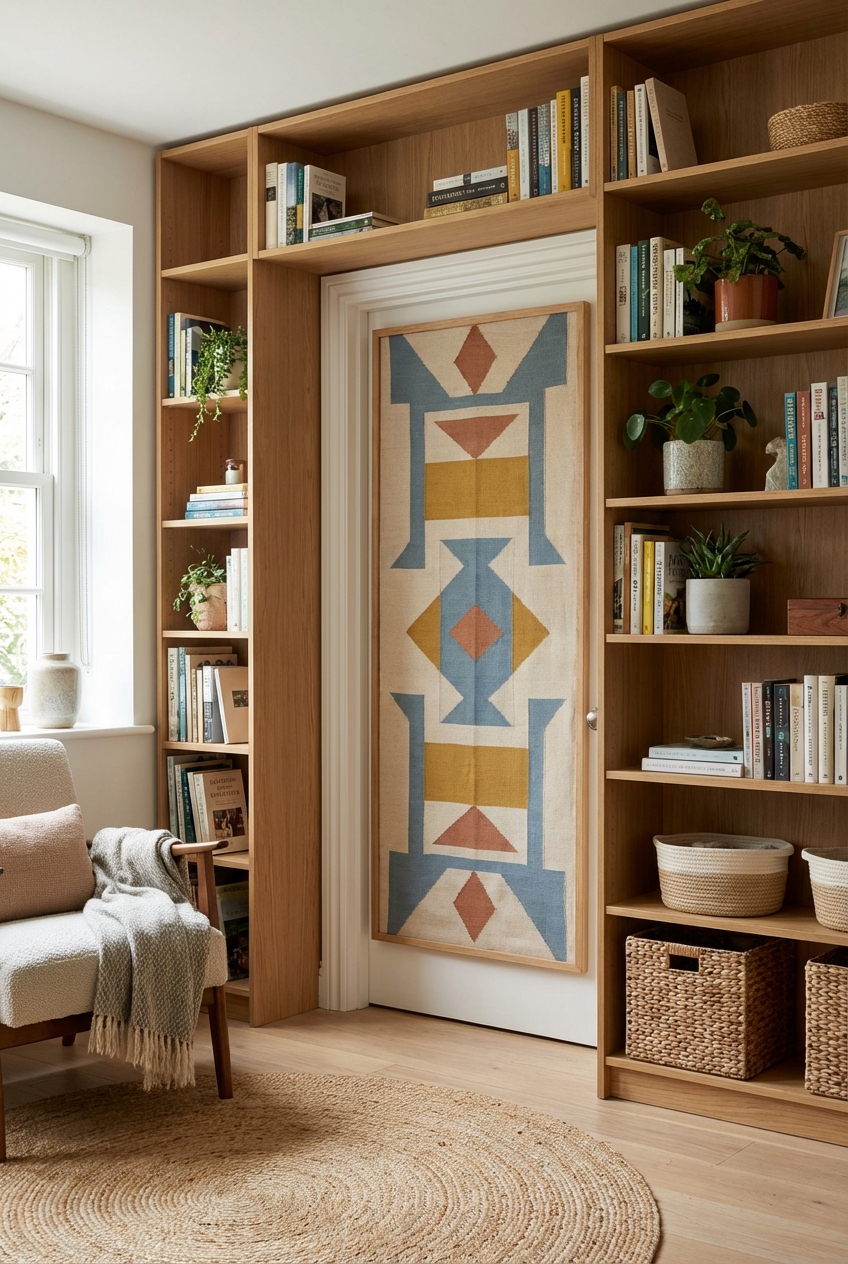
- A large piece of art or a framed print hung on the door with an over-the-door hanger.
- A woven wall hanging or tapestry on removable hooks.
- A fabric-wrapped board or acoustic panel leaned or hung over the surface.
- A full-length mirror, which also bounces light into a narrow room.
- Open shelving or hooks on the door itself, if it is a closet or pantry door.

Can I put peel and stick wallpaper on a door?
Yes, on a smooth, clean, painted door. Textured or recently painted surfaces (give fresh paint a few weeks to cure) can make the paper bubble or pull paint off when removed. Measure the door, cut panels slightly long, and smooth from the center outward. Wrap the edges if the door is visible when open.
Vinyl decals and removable stickers are the lighter version. They suit hollow-core bedroom doors and kids' rooms.
How to cover an unused door
For a door you will never open, the goal is usually to make it look like wall or like furniture.
- Paint it the wall color and remove the handle, or
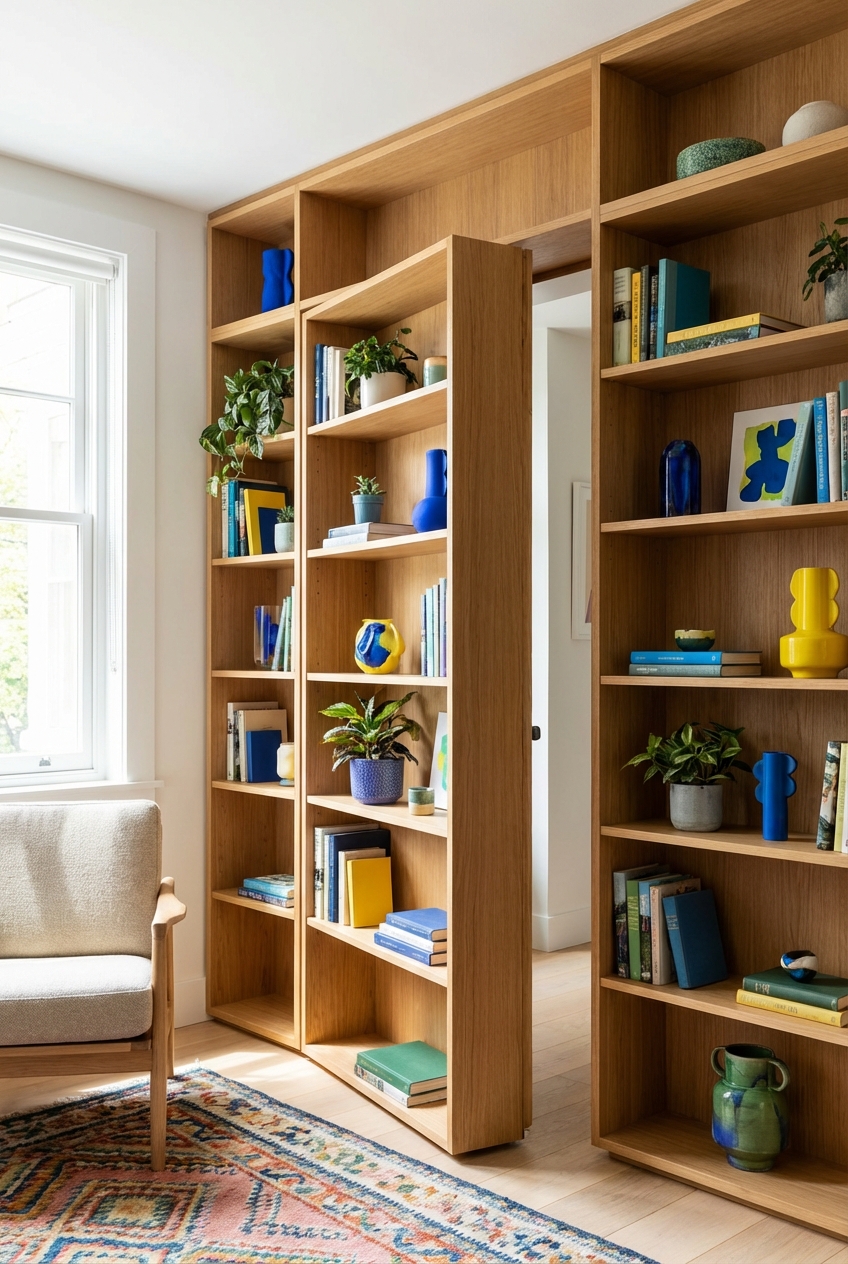
- Place a bookcase, console or tall plant in front of it, leaving the door itself untouched.
- Hang a large mirror or artwork across it.
Keep in mind that a door can be an exit route. If it leads outside or is part of a fire escape path, don't block it permanently. A licensed contractor can advise if you want to close an opening for good.

How to cover a doorway without a door
An empty opening needs something you can open and close easily. A few options:
- A sliding panel on a ceiling or wall track, which saves the floor space a swing door would need. Barn-style hardware is popular, and a pocket track hides the panel entirely.
- A tension rod with a fabric panel, good for renters and quick to remove.
- Folding screens or a freestanding divider, which need no installation.
- A beaded or woven curtain for a lighter separation.
If you have a dog, choose something that moves easily or lets them pass. A heavy sliding panel can trap a tail or paw, so check clearances and keep the track low-friction. For more on openings, see these small pantry ideas, where a sliding or curtained cover often replaces a swing door.
Privacy film for glass doors
Glass doors, including sliding patio doors, are covered with frosted or textured window film, which lets light in and blocks the view. Apply it to clean, dry glass with a spray bottle of soapy water so you can reposition it. Frosted film suits a bathroom or street-facing door, while a mirrored film gives daytime privacy in rooms that stay brighter inside than out.
Shades and blinds work too. The U.S. Department of Energy's building science pages say that overhangs, fixed shades, louvers, and screens can help control unwanted glare and heat. For a large glass door, that is a good reason to pick a shade over film alone if a room gets harsh sun.
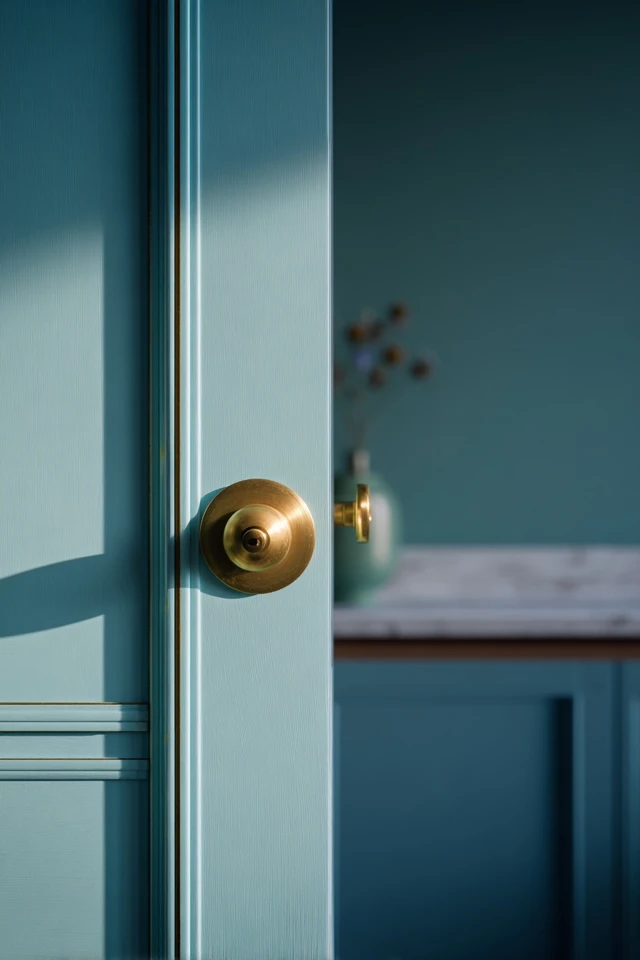
Exterior door cover ideas
Outside, the cover has to handle weather. A wreath is the simplest decoration and can hide a peephole or a worn spot. A roman shade or a mounted panel on the inside lets you control light and privacy, and a storm door adds a layer of protection.
Sun matters here. The same Department of Energy page notes that windows on the north and south side let in natural light, and it is easy to control glare and heat on these facades. If your door faces east or west, expect more glare and plan for a shade.
As an architect, I'd avoid fabric or paper stuck directly onto an exterior door that gets rain or direct sun. It fades and peels fast.
Choosing between sliding and swinging covers
If you're planning a sliding door or panel, measure the opening and the wall beside it first. A sliding panel needs a clear wall run about as wide as the opening to slide into. Pick hardware rated for the panel's weight, and mount it into studs or a solid header.
Material changes the look: wood feels warm, frosted glass keeps light moving, and fabric panels soften sound a little. A matte finish hides smudges better than gloss, which matters on a door that gets daily paw and hand contact. For ideas on a similar surface treatment, see these brick wall ideas.
Frequently asked questions
What can I cover a door with?
Paint, peel-and-stick wallpaper, fabric panels, artwork, a mirror, window film for glass, or a bookcase placed in front. Choose by whether you want the door to disappear or to become a feature.
How to cover a door without removing it?
Work on the surface or in front of it: paint, removable wallpaper, hooks with fabric or art, or a tension rod across the frame. Test adhesives on a hidden corner first.
What is the covering over a door called?
It depends on the cover. A fabric one is a portière or door curtain, a sliding panel is a barn or pocket door, and a glass cover is called window film.
Filed under
ArticlesMeet the author
Written by an architect.
Julio Arco is a passionate architect with years of experience in architecture, interior design, urban design, and housing. He studied at prestigious universities across North America and Europe.

- Name
- Julio Arco
- Job
- Architect and online interior designer
- Studied
- Architecture, ITESM · Urban Design and Housing, McGill
- Partner
- Thor, Australian Shepherd
- Thor’s title
- Head of quality control