Wood Burning Ideas for Beginners and Your Home
Easy wood burning ideas for beginners: coasters, trays, spoons, signs and gifts, plus the tools, wood choices and safety basics to start.

By Julio Arco
Architect and online interior designer

In this post
The easiest wood burning ideas are flat, small and forgiving: coasters, a serving tray, a wooden spoon, a cutting board or a small sign. Start with a pale, smooth wood, a basic pyrography pen and a simple pattern, and you can finish a first piece in an afternoon.
It's very common to feel nervous about your first burn, since you can't erase it. The good news is that simple lines, dots and leaves look intentional even when they wobble a little. Here's what to gather, what to make and how to make it look good in your home.

What tools and materials do you need?
You need a wood burning pen (a pyrography tool with a fine tip), a few scrap boards to practice on, fine sandpaper, a pencil and graphite or transfer paper for patterns. A heat-proof stand for the pen is worth having, because the tip stays hot for a while after you set it down.
Choose light, fine-grained wood such as basswood, birch or poplar. Pale wood shows the burn clearly, and tight grain lets the pen glide. Pine works, but resin and uneven grain can make lines streak. Sand the surface smooth first, since every scratch will show once it's burned.
How do you do wood burning as a beginner?
- Sand the board and wipe off the dust.
- Draw your design in pencil, or trace a pattern with transfer paper.
- Test the pen on scrap wood. Slower movement gives a darker line, faster movement a lighter one.
- Burn the outline first, pulling the pen toward you with light pressure.
- Fill in shading with small dots or tight lines, then lightly sand any stray marks.
- Seal the piece if it will be handled, using a finish made for the item (food-safe for anything that touches food).
Free patterns are easy to find, and simple geometry works well: triangles, scallops, botanical sprigs, mountains. Practice a single stroke repeated twenty times before you touch your real piece.
Safety basics before you start
The tip of a pyrography pen gets very hot, so work on a stable, heat-resistant surface and keep the cord out of walking paths. Burning wood makes smoke, so open a window or use a small fan to pull fumes away. Avoid plywood, MDF and painted or treated wood, since the glues and coatings can release nasty fumes. If you share your home with a dog or cat, keep the pen and warm tip well out of reach of curious noses, and check with your vet about any sealant you plan to use on items pets might chew.
One more distinction: burning decoratively with a pen is a different thing from burning logs in a stove. If you do burn firewood, the EPA says wood burns best at a moisture content of less than 20 percent.
Easy wood burning projects for beginners
Coasters
Coasters are the best first project. They're small, flat and you can make a set of four with one repeated motif. Try a simple border, a leaf or a monogram. Seal them, because cold glasses leave rings on bare wood.
Spoons and kitchenware
Wooden spoons and spatulas take a burned pattern on the handle nicely. Burn only the handle, away from the part that touches food, and keep designs shallow so they stay easy to wash. Hand-wash and dry them soon after use.
Cutting boards and serving boards
Burn a border or a corner motif, leaving the main surface plain for cutting. Use a food-safe oil afterward. A board with a burned name or a simple herb sprig looks good leaned against a kitchen backsplash.
Signs and wall art
A small plaque with a house number, a plant name or a short word is easy to hang. Letters are harder than shapes, so pencil them first and keep the font simple and thick.

Small gifts: keychains and ornaments
Small wood burning ideas like wooden discs, tags and ornaments are low-risk practice. They also work as gifts. For wood burning ideas for couples, try a shared initial pair, a wedding date on a wooden slice or a matching set of coasters.

Can you sell wood burned pieces?
Many people do sell wood burning ideas as handmade goods, and the items that suit it are repeatable and small: coasters, ornaments, spoons and signs. Practice until your lines are consistent across a whole set, and photograph pieces in daylight against a plain background. Check your local rules on selling food-contact items before you list boards or spoons.
How to place wood burned pieces in your room
Dark burn lines on pale wood read as a crisp focal point, so one piece usually does more than five. As an architect, I'd hang a single plaque or tray at eye level above a console, then keep the surrounding decor quiet. Scale matters: a tiny plaque disappears on a big wall, so group small pieces together or choose a larger board.
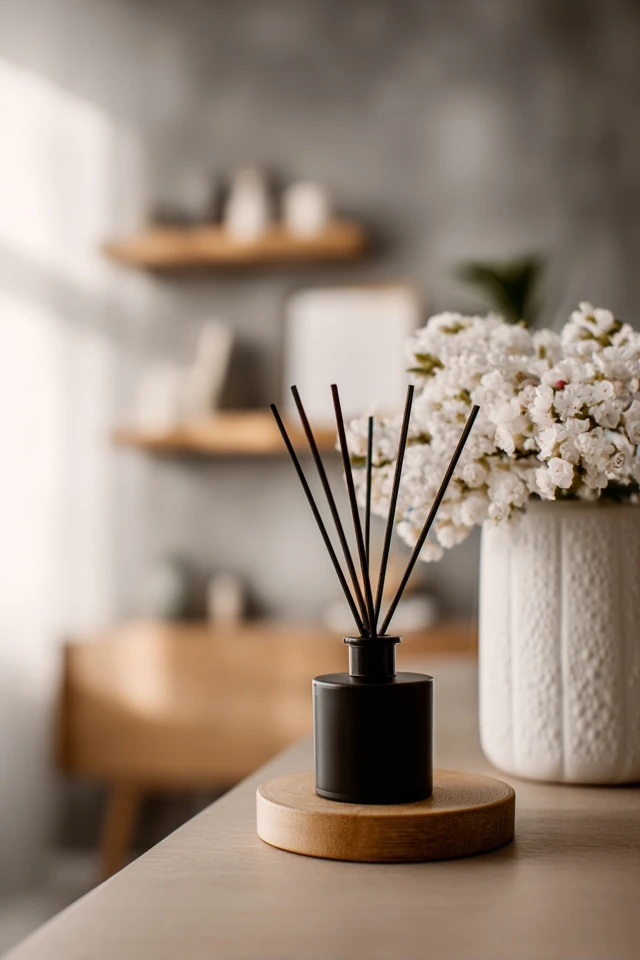
Repeating a motif helps a room feel planned. If you burn a leaf on a tray, echo it on a set of coasters. Finish the wood with a matte or satin sealer so light doesn't glare off the burn pattern. Warm bulbs make the tones look richer in the evening. For more ideas on styling the results, see these wood burning designs and current wood burning trends.
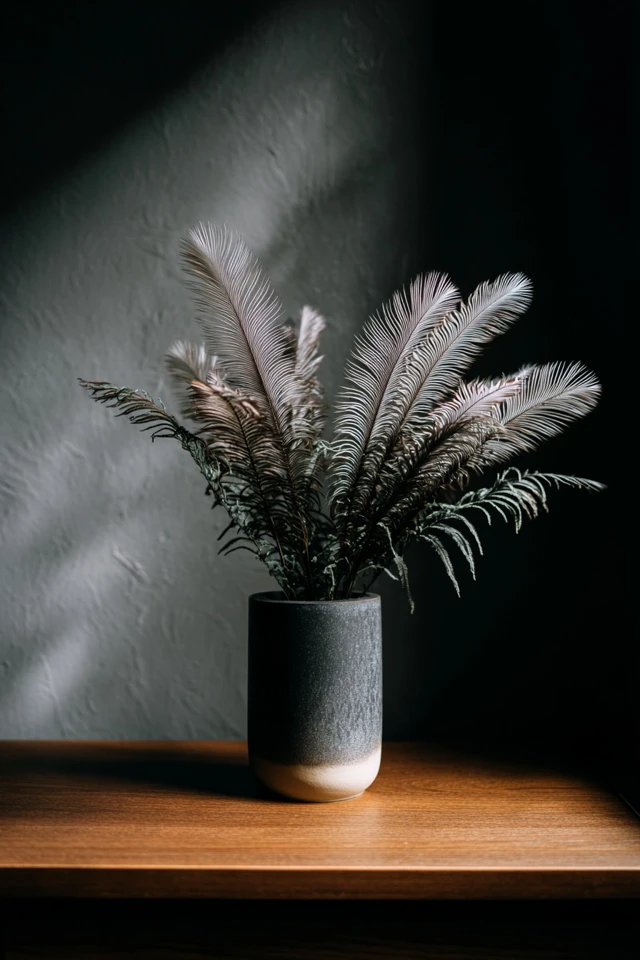
Trays and boards also suit a kitchen or pantry shelf, so you might browse small pantry ideas for places to show them off. A burned panel can also anchor an entry wall, as in these foyer room ideas.
Frequently asked questions
What types of wood should you not burn?
For pyrography, avoid plywood, MDF and painted or chemically treated wood, because glues and coatings can give off harmful fumes. For firewood, <a href="https://www.epa.gov/burnwise/best-wood-burning-practices">the EPA's guidance</a> centers on dry, seasoned wood rather than damp or treated pieces.
How can you tell if firewood is seasoned?
The EPA notes that properly seasoned wood is darker, weighs less and sounds hollow when hit against another piece of wood.
How to burn wood decoratively?
Use a pyrography pen on smooth, light wood, trace a pencil pattern, and burn the outline before adding shading. Practice on scrap first and seal the finished piece.
Where can you find wood burning patterns free?
Simple shapes you draw yourself, such as leaves, dots and geometric borders, work well. Many crafters also share free printable patterns online; trace them with transfer paper.
Filed under
ArticlesMeet the author
Written by an architect.
Julio Arco is a passionate architect with years of experience in architecture, interior design, urban design, and housing. He studied at prestigious universities across North America and Europe.

- Name
- Julio Arco
- Job
- Architect and online interior designer
- Studied
- Architecture, ITESM · Urban Design and Housing, McGill
- Partner
- Thor, Australian Shepherd
- Thor’s title
- Head of quality control