Wood Paneling Ideas for Walls, Bathrooms and Beyond

By Julio Arco
Architect and online interior designer
In this post
- What are the popular styles of wood paneling?
- How high should wainscoting go?
- Vertical, horizontal or diagonal?
- How to make wood paneling look good
- Wood paneling ideas for the living room
- Wood paneling ideas for the kitchen
- Wood paneling for bathrooms
- Inexpensive wall paneling ideas
- Trends worth borrowing, and ones to skip
- Frequently asked questions
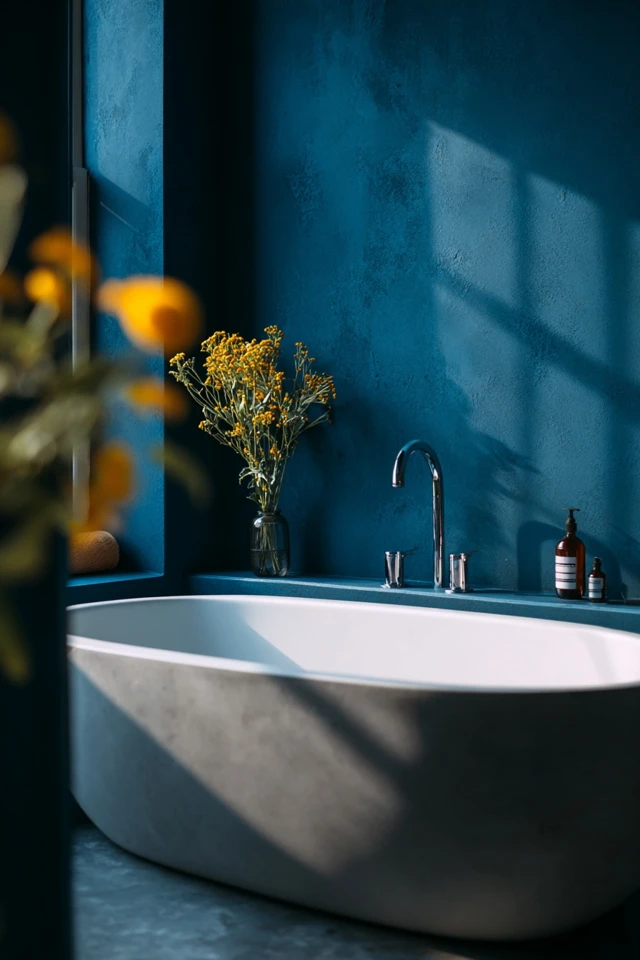
The easiest wood paneling idea for a bathroom is wainscoting: panels that cover the lower third to half of the wall, painted a durable satin or semi-gloss, with a lighter paint above. It adds texture, protects the wall from splashes and wet paws, and costs far less than tile.
The same logic works in other rooms. Below are wood paneling ideas for walls, organized by style, height, room and budget, with the bathroom as the starting point.
What are the popular styles of wood paneling?
Four profiles cover most of what you'll see in homes today:
- Beadboard: narrow vertical boards with a small groove. Casual, cottage-leaning, and forgiving on uneven walls.
- Shiplap: horizontal boards with a slight gap. It draws the eye sideways, which helps a narrow room feel wider.
- Board and batten: flat boards with thin strips over the joints. Wider spacing reads modern, tighter spacing reads traditional.
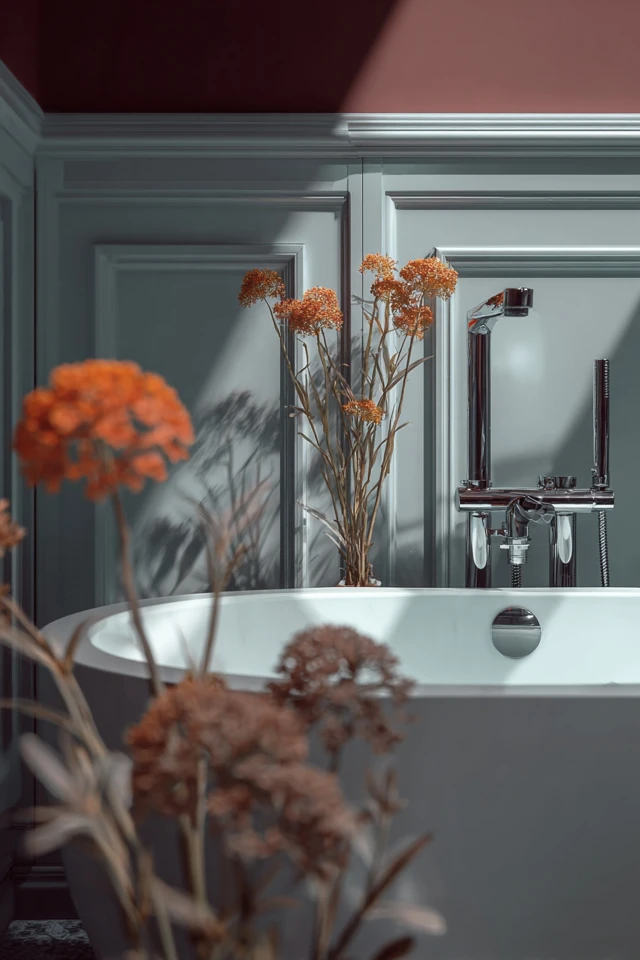
- Shaker or raised-frame panels: rectangles framed by trim. This is classic wainscoting, and it suits formal rooms and entries.
Paneling also has a long history in American houses. The National Park Service describes Greek Revival as popular from the 1830s through the 1860s, and its Italianate overview places that style between the 1850s and 1880s. If your house is from one of those eras, simple framed panels will look at home.
How high should wainscoting go?
A common range is 32-42 inches, roughly a third of the wall. Lower panels around 30-36 inches feel cottage-like and ground a room. Taller panels, 42-54 inches, pull the eye up in a narrow space, especially when the wall above is a lighter color.
As an architect, I'd line the top rail up with something that already exists, like a window sill or the top of the vanity backsplash. A rail that cuts a window in half always looks accidental.
Vertical, horizontal or diagonal?
Vertical lines make a ceiling feel taller. Horizontal lines widen a room. Diagonal boards add energy but show every cutting mistake, so save them for a small feature wall or a powder room where you can be patient.
How to make wood paneling look good
Most paneling that looks dated is dated because of finish and context, not the wood itself. A few fixes go a long way:
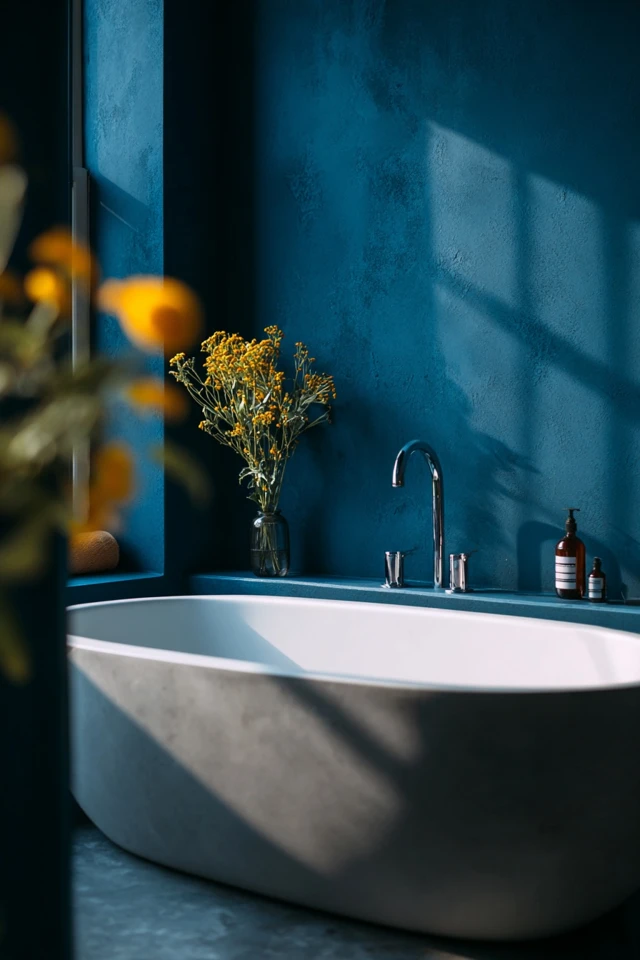
- Paint it, or at least refresh it. A deep green, warm gray or soft white changes the whole mood. Sand glossy old panels and use a bonding primer first.
- Mix finishes. Pair wood panels with smooth plaster-look walls, tile or painted trim so the room doesn't read as a wood box.
- Control the light. Dark paneling absorbs light, so add layered lamps and a large mirror, and keep the ceiling light.
- Update the hardware and fixtures. New knobs, sconces or a modern mirror frame make old paneling look chosen.
Test paint on the wall and look at it morning and evening. North-facing rooms tend to read cooler, south- and west-facing rooms warmer.
Wood paneling ideas for the living room
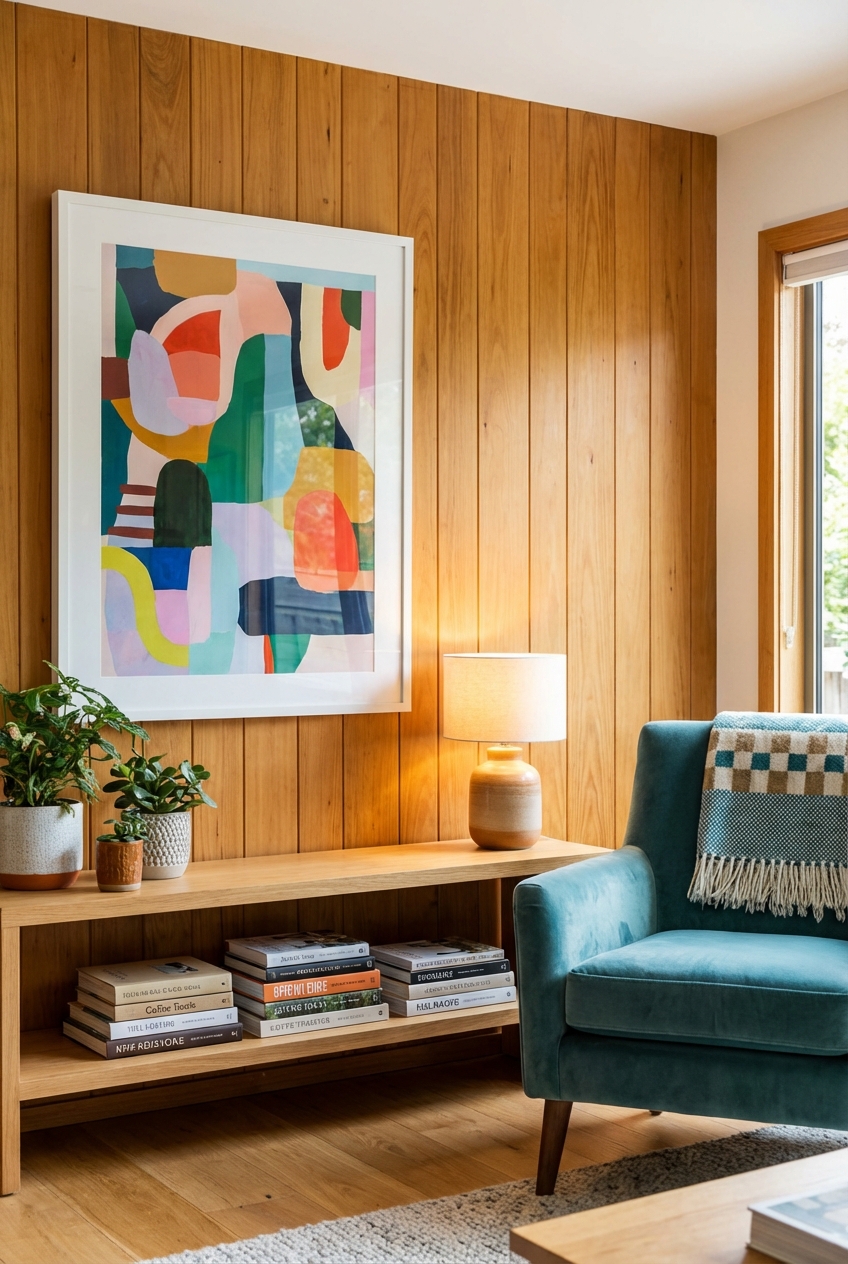
Panel the wall behind the sofa or TV, where you want a calm backdrop. Floor-to-ceiling slats in a vertical rhythm look modern, and a painted board-and-batten wall in a dark color makes a cozy reading corner. If you have a dog on the sofa, a semi-gloss or satin finish on the lower wall wipes clean after the inevitable rub-down.
Wood paneling ideas for the kitchen
Keep it modest. Beadboard on the end of an island, behind a breakfast nook bench, or on the lower walls of an eat-in area looks natural. Stay away from the wall right behind the stove and sink, where grease and water hit constantly. If you want a backsplash with some character, see how a copper backsplash can be a better fit there.
Wood paneling for bathrooms
Moisture is the deciding factor. MDF is cheap and paints well, but it swells if water gets into the edges, so seal every cut edge and keep it away from the shower. PVC planks or moisture-resistant plywood are safer in damp rooms. The Mississippi State University Extension notes that laminated paneling that gets soaked will separate or delaminate, which is a good reason to choose carefully in a bathroom.
Use a full-height tile in the wet zone and wainscoting on the dry walls. Paint the panels in satin or semi-gloss and the upper wall in a washable low-sheen paint. If you like the look of rustic wood in bathrooms, there are more ideas in our rustic bathroom roundup.
Inexpensive wall paneling ideas
- Draw it with trim: thin MDF strips glued and nailed to the wall, caulked and painted, make a convincing board-and-batten wall.
- Use pre-cut panel kits or tongue-and-groove boards, which cut installation time.
- Try peel-and-stick paneling if you rent. Test a small patch first so you know how it comes off.
- Panel only one wall, or only the lower half, to cut the material bill.
Basic carpentry skills are enough for most of these. Call a licensed professional if the job involves moving electrical boxes or any plumbing.
Trends worth borrowing, and ones to skip
Current wood paneling trends lean toward slim profiles, board and batten, two-tone walls and slatted accent walls, often with matte black or warm brass hardware. I recommend choosing a classic profile such as beadboard or shaker for the structure and keeping the trendy parts, like paint color and hardware, easy to change.
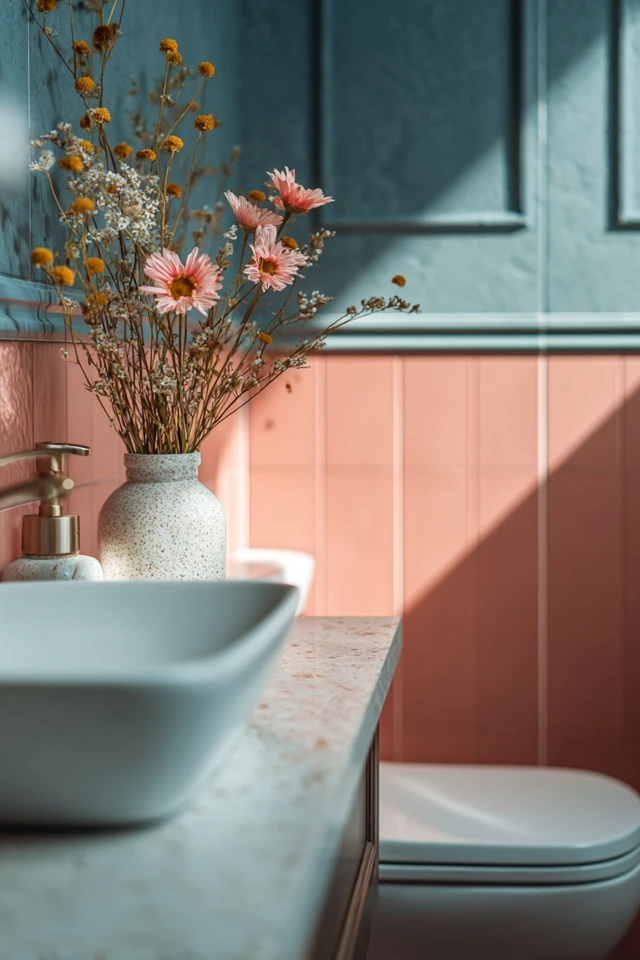
For a whole-room look, modern bathroom ideas pair well with simple paneling.
Frequently asked questions
What are the current interior wood paneling trends?
Slim board-and-batten, slatted accent walls and two-tone painted wainscoting are the most common. Many people now paint the paneling in deep greens or soft neutrals instead of leaving it dark.
Is wood paneling outdated?
Heavy, glossy, dark paneling covering every wall can feel dated. Cleaner profiles, painted finishes and partial-height or single-wall use look current.
How do I make a small bathroom feel larger with wainscoting?
Use a lighter color above the panels and keep the profile simple. Horizontal boards widen a narrow room, and one large mirror adds depth.
What paint finish works on wainscoting in a bathroom?
Satin or semi-gloss wipes clean easily and handles humidity better than flat paint. Make sure the room is ventilated and seal cut edges on MDF.
Filed under
ArticlesMeet the author
Written by an architect.
Julio Arco is a passionate architect with years of experience in architecture, interior design, urban design, and housing. He studied at prestigious universities across North America and Europe.

- Name
- Julio Arco
- Job
- Architect and online interior designer
- Studied
- Architecture, ITESM · Urban Design and Housing, McGill
- Partner
- Thor, Australian Shepherd
- Thor’s title
- Head of quality control