Wood Paneling Ideas for Walls That Look Fresh Today
Wood paneling ideas for living rooms, kitchens and small spaces: styles, layouts, makeover options and budget tricks to make paneling look current.

By Julio Arco
Architect and online interior designer
In this post
- How do you make wood paneling look good?
- Which styles of wood paneling are most popular?
- Wood paneling ideas for living rooms
- Wood paneling ideas for kitchens
- Vertical, horizontal or diagonal placement?
- Wood paneling makeover ideas for outdated paneling
- Inexpensive wall paneling ideas
- Mixing wood with other materials
- Frequently asked questions
Wood paneling looks current when you control three things: the scale of the boards, the finish, and how much of the wall you cover. Narrow slats, a painted finish or a partial wall of paneling read as modern. Dark, glossy, floor-to-ceiling boards in every room read as 1975.
If you already have paneling, you don't have to rip it out. The ideas below cover wood paneling ideas for walls in general, then living rooms, kitchens and small spaces, plus makeover and budget options.
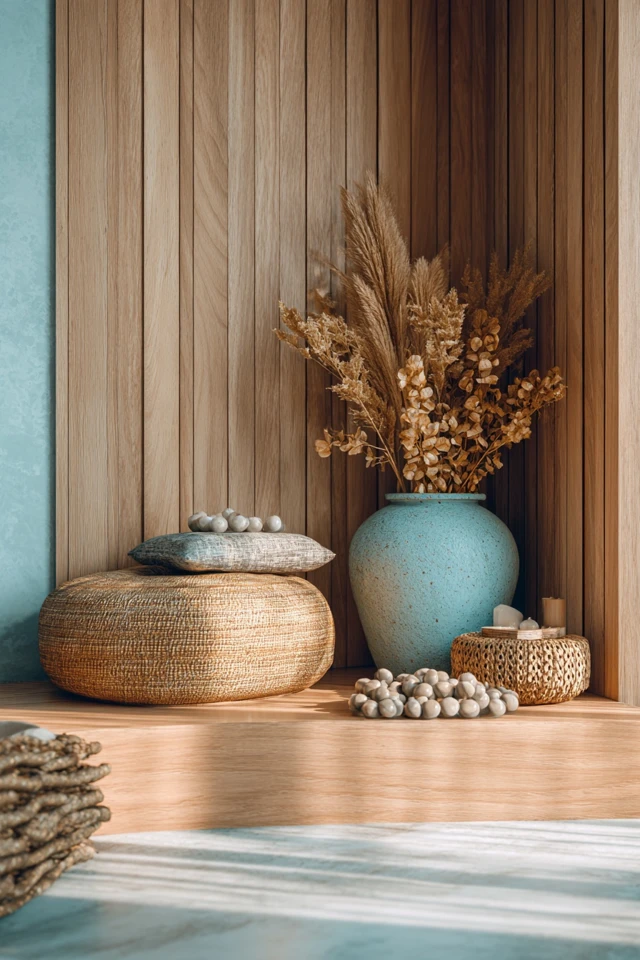
How do you make wood paneling look good?
Start with proportion. Wide planks suit large rooms, and narrow slats suit compact ones. Vertical lines draw the eye up and make a ceiling feel taller, while horizontal boards stretch a narrow room sideways.
Then look at finish. Glossy surfaces bounce light and create sharp reflections, and matte or oiled finishes absorb it and soften shadows. In a dim room, a matte finish on a lighter wood is usually the calmer choice.
Finally, limit the amount. One paneled wall, or paneling on the lower half of the walls, gives you texture without making the room feel boxed in. As an architect, I'd paneling-test it first: tape up a full-size sample and look at it in morning and evening light before you commit.
Which styles of wood paneling are most popular?
Most paneling falls into a handful of families, and they behave differently in a room.
- Wainscoting covers the lower part of the wall, usually a third to half of its height. It protects the wall from bumps and works in hallways and dining rooms.
- Shiplap uses horizontal boards with a small gap or overlap. It is casual and works well painted.
- Beadboard has narrow vertical grooves. It suits kitchens, laundry rooms and bathrooms.
- Slat paneling uses thin strips with space between them. It is the most modern look and can be backed with acoustic felt.
- Board-and-batten pairs wide boards with thin strips. It adds rhythm without much fuss.
- Full-height solid or veneer panels give a library or den feel.
Traditional paneling has a long history in American houses. The National Park Service notes that the Greek Revival style was popular from the 1830s through the 1860s, which is one reason classic trim and wall detailing still feels familiar.
Wood paneling ideas for living rooms
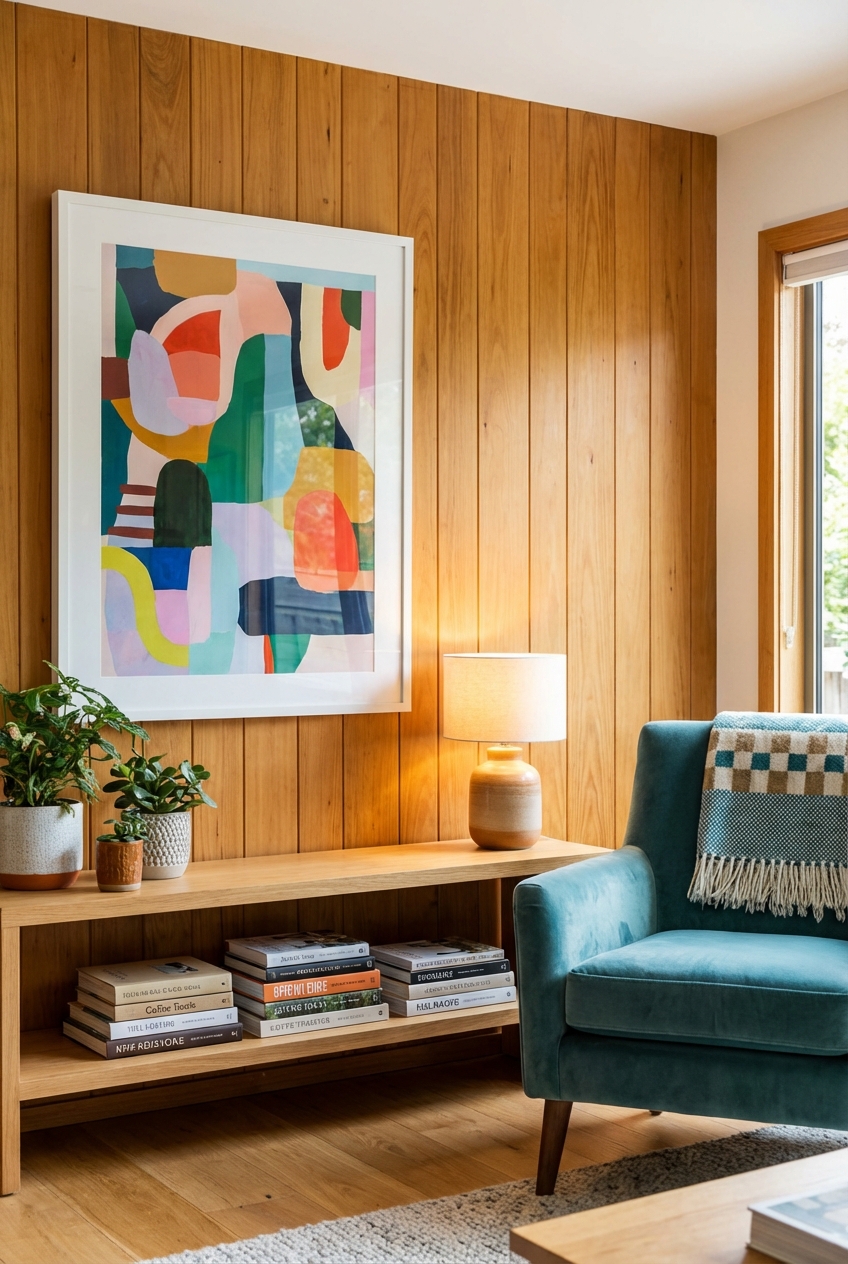
A paneled wall behind the sofa or television gives the seating group an anchor. If the room is small, keep the paneling to that one wall and paint the rest a light color. For more layout help, see these small living room ideas.
Around a fireplace, paneling pairs well with stone or plaster. Our post on a modern stone fireplace shows how to balance the two textures. If you like a darker, moodier look, the masculine living room approach uses deep stained wood with leather and wool.
With a dog on the sofa, remember that paneling at sofa-back height takes the scuffs. A satin or semi-gloss finish wipes clean more easily than raw wood, so I recommend sealing the lower part of the wall.
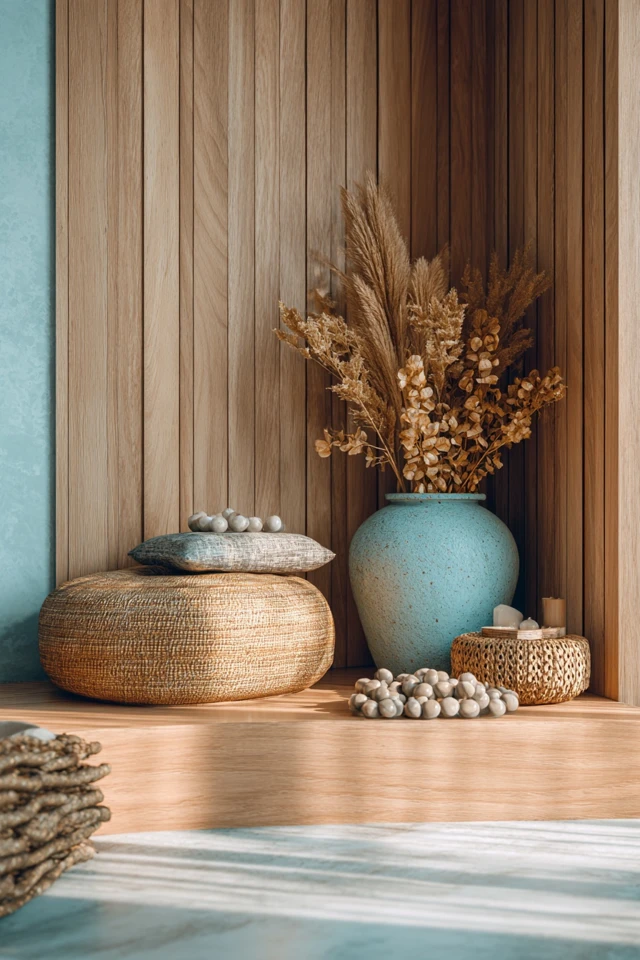
Wood paneling ideas for kitchens
Kitchens ask more of a wall: steam, grease and splashes. Beadboard on the lower walls or the side of an island is a classic fit. Use a sealed, wipeable finish, and keep raw wood away from the sink and cooktop. Tile or another sealed splashback works better in those spots.
Paneled cabinet ends and island sides are a low-risk way to bring wood in. If you're planning one, our small kitchen with island post covers clearances and layout.
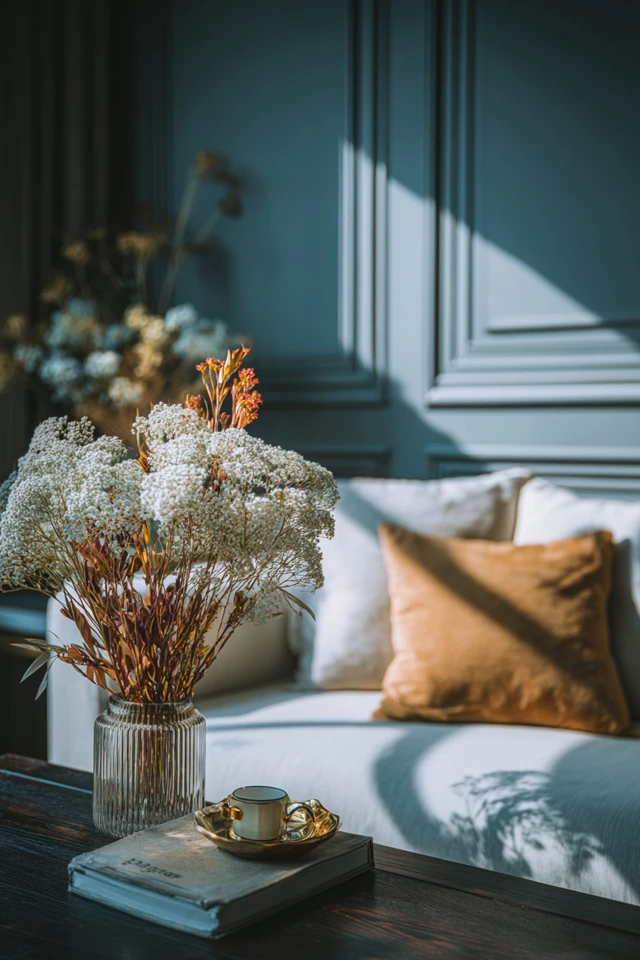
Vertical, horizontal or diagonal placement?
Vertical slats suit low ceilings. Horizontal boards suit narrow hallways and rooms that feel too tall. Diagonal and herringbone patterns are the boldest, and they work best on a single accent wall, since they draw attention. If the room already has a patterned rug or busy art, keep the paneling straight.
Wood paneling makeover ideas for outdated paneling
Dated paneling is often the easiest wall to improve. These are the options, from least to most work.
- Clean and paint. Degrease, sand lightly, prime with a bonding primer and use a matte or satin paint. A light warm white brightens the room, and deep green or navy gives a library mood.
- Fill the grooves. Caulk or skim the V-grooves for a smoother, more modern wall, then paint.
- Whitewash or limewash. Thin paint lets some grain show through and keeps the wall warm.
- Cover half. Add a chair rail or picture rail and paint the upper half a different color.
- Remove it. Only worth it if the wall behind is sound or you want to rebuild it.
If your paneling has been through a flood or leak, check the material first. Mississippi State University Extension notes that laminated paneling such as plywood or hardboard that has been soaked will separate or delaminate, while solid wood paneling can often be removed, saved and reinstalled once the wall cavity is dry. If you see moisture damage, have a licensed professional look at it.
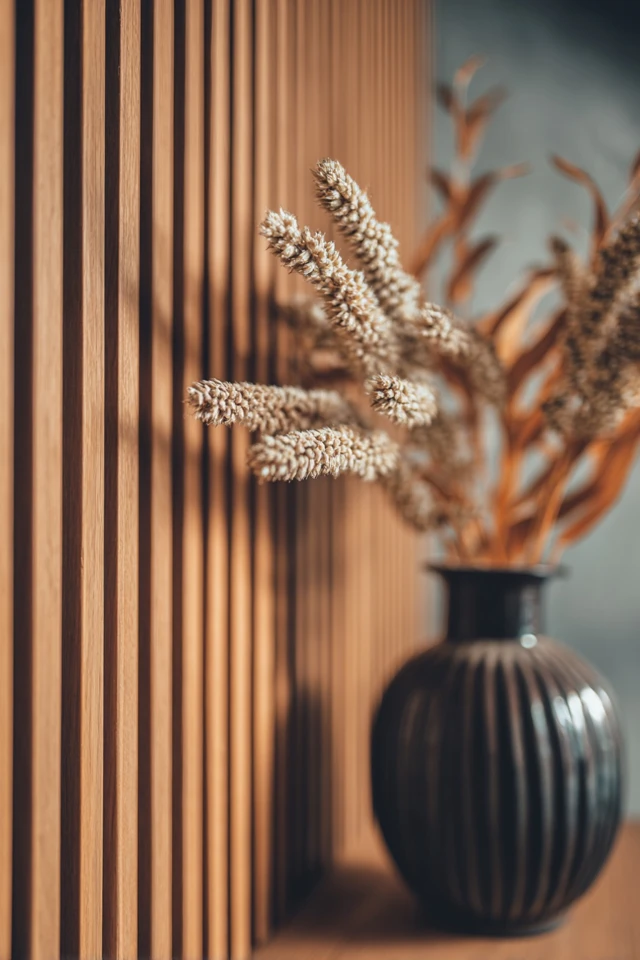
Inexpensive wall paneling ideas
- Paint your existing paneling instead of replacing it.
- Use thin plywood or MDF strips to build board-and-batten on a plain wall.
- Panel only the lower half of the wall.
- Frame a single feature wall behind a bed or sofa and leave the others plain.
- Use paint-grade boards and finish them yourself rather than buying pre-finished hardwood.
For a game room or basement, where walls take more punishment, durable lower paneling is useful. See the game room ideas and basement office ideas for how to pair it with lighting and storage.
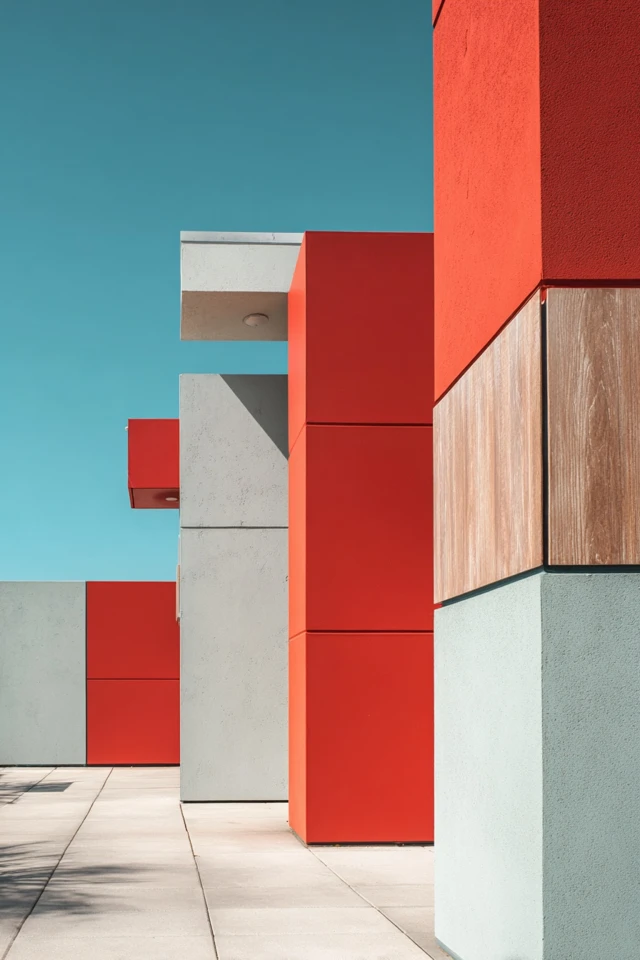
Mixing wood with other materials
Keep to one dominant wood tone and add one or two supporting materials. Linen, wool, matte black or brushed brass metal, and plaster paint all sit well next to wood. Mixing different wood tones works when they share a warm or cool undertone.
Fabric helps too. Soft furnishings take the edge off hard surfaces and cut echo in a room with bare boards. Layer lighting: a wall washer or sconce grazing the surface shows off the grain.
Frequently asked questions
What are the current interior wood paneling trends?
Slat paneling, painted board-and-batten, and partial-height wainscoting are common right now. Many people also use paneling on a single wall rather than a whole room.
Is wood paneling outdated?
Dark, glossy, full-room paneling can look dated. Lighter finishes, narrow slats, paint and partial walls keep it current.
Can I mix different wood tones in one room?
Yes, if the tones share a warm or cool undertone and you repeat one wood or a linking color elsewhere in the room.
Is wood paneling suitable for bathrooms and kitchens?
Only with a sealed, wipeable finish, and not directly where water splashes. Use tile or another sealed surface behind sinks and cooktops.
Filed under
ArticlesMeet the author
Written by an architect.
Julio Arco is a passionate architect with years of experience in architecture, interior design, urban design, and housing. He studied at prestigious universities across North America and Europe.

- Name
- Julio Arco
- Job
- Architect and online interior designer
- Studied
- Architecture, ITESM · Urban Design and Housing, McGill
- Partner
- Thor, Australian Shepherd
- Thor’s title
- Head of quality control