Asian Bedroom Design: Calm Ideas That Actually Work
Asian bedroom design made practical: low beds, natural materials, soft light and a restrained palette, with tips for small rooms and respectful styling.

By Julio Arco
Architect and online interior designer
In this post
Asian bedroom design comes down to a low bed, natural materials, a short list of colors and soft, layered light. Add one or two meaningful objects, leave the rest of the surfaces empty, and the room starts to feel calm.
You don't need a big room or a big budget. Most of these asian bedroom ideas work through proportion and restraint, so they suit a small apartment as well as a large suite.
How to make your room look Asian
Start with the bed. A low platform frame keeps the silhouette quiet and makes the ceiling feel higher. Then choose a base of natural materials: wood, linen, cotton, paper, stone. Finally, edit. A Japanese-inspired room depends as much on empty space as on objects.
Japan, China and Korea have different traditions, so pick one reference instead of mixing every motif. A paper shade, a single vertical artwork and a wood bed frame read clearly. A dragon, a Buddha statue and a set of lanterns together read as a theme party.
What do Japanese bedrooms look like?
Traditional Japanese bedroom design is minimal and close to the floor. Think a low bed or futon, a woven floor surface, light wood, and sliding screens with paper that diffuse daylight. Storage is built in or hidden, so the floor stays open.
For a modern version, keep the same logic with everyday pieces: a platform bed, a linen duvet, a rice-paper pendant or shade, and one shelf or alcove for a single object. Light-toned woods fit this look well. Darker lacquered wood adds formality, and I'd use it in small doses.
Which colors suit an Asian-inspired bedroom?
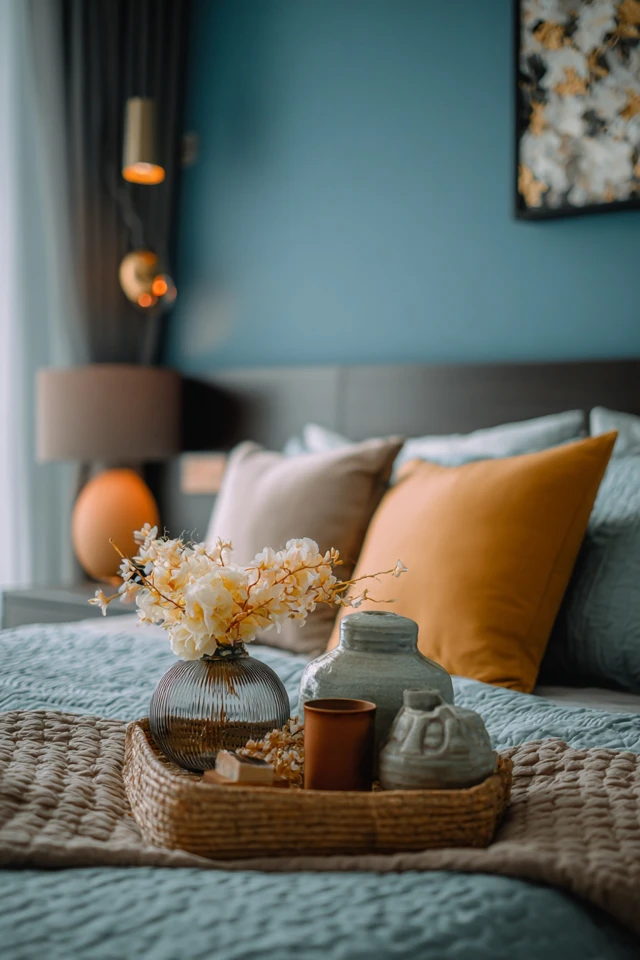
Muted, low-saturation colors are easier to sleep in than bright ones. Soft beige, cream and warm gray make a good base. Muted green, ochre or terracotta can sit on top of it.
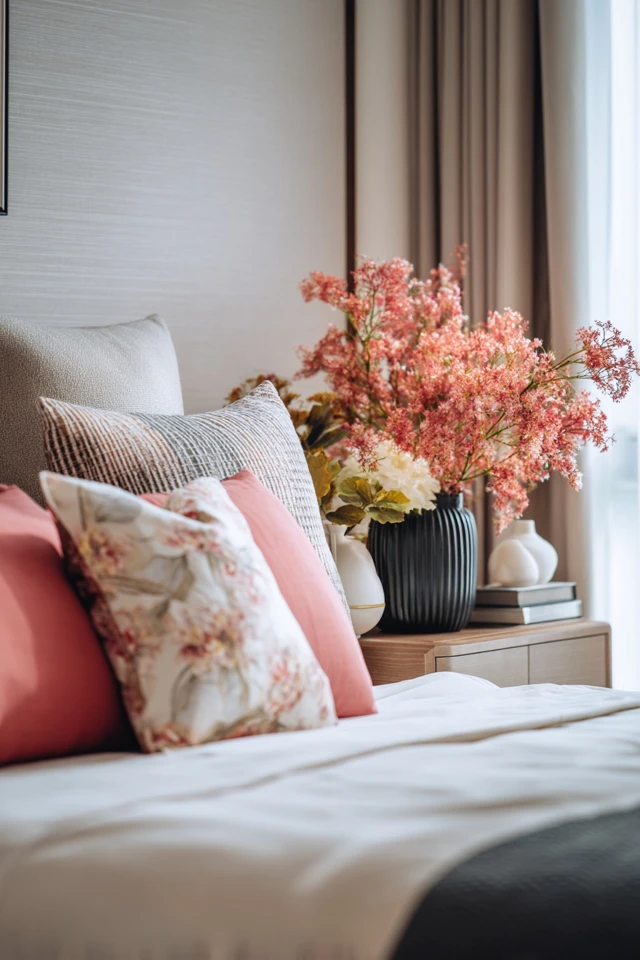
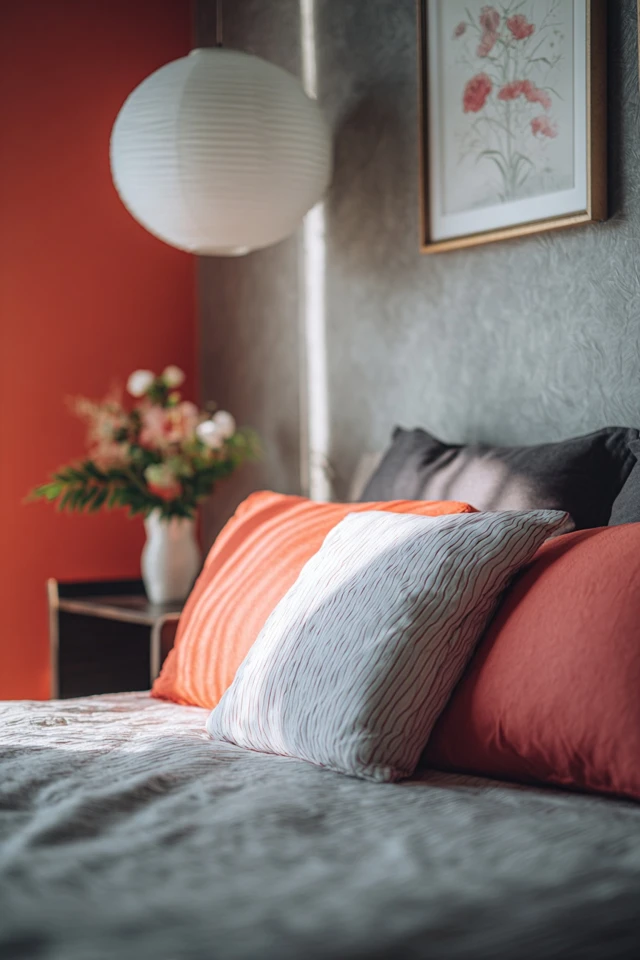
For a modern Chinese style bedroom, deep red or lacquer black works as an anchor. Use it on one cushion, a lamp base or a single wall, not everywhere. Indigo does the same job with a cooler feel.
Matte finishes soften light, while glossy ones bounce it and create sharper shadows. Test paint samples on two walls and look at them in morning and evening light before you commit.
How do you plan the layout?
- Put the bed against a solid wall with access on both sides if the room allows it.
- Leave about 24-30 inches for the main walkway, and keep large furniture out of the line from door to window.
- Add a small reading or meditation corner with a floor cushion or low bench, separated by a rug or a folding screen.
- Keep furniture low so sightlines stay open.
If you follow feng shui, the common guidance is to place the bed so you can see the door without being directly in line with it, and to keep clutter out of view. It's a reasonable layout rule on its own terms too: you feel more settled when you can see who's coming in.
Asian bedroom design for small rooms
Small rooms benefit most from this style. A platform bed with drawers replaces a dresser. Wall-mounted shelves and a slim bedside ledge free the floor. Choose one large piece of art instead of several small ones, and keep the palette to a base color, one accent and one highlight.
If you share the room with a dog, a washable linen duvet and a natural-fiber rug that can be vacuumed are easier to live with than silk or delicate paper at floor level. Keep any paper screens out of tail range.
Which materials and textures work best?
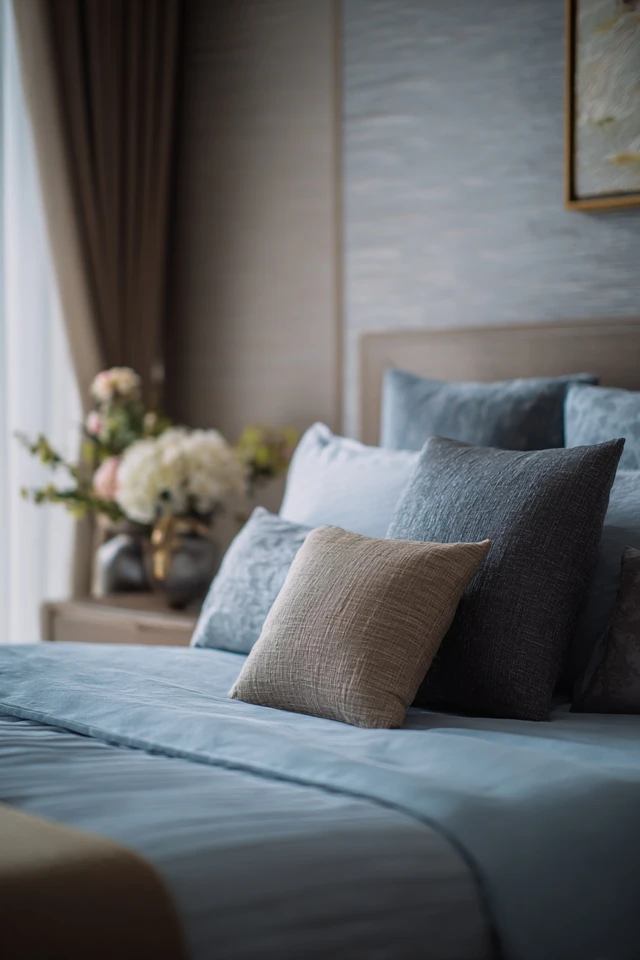
Layer a few natural textures instead of many colors. A woven rug, a linen duvet and one silk or cotton accent pillow give enough variation. Shoji-style screens and rice-paper shades diffuse light and add the traditional element without permanent changes.
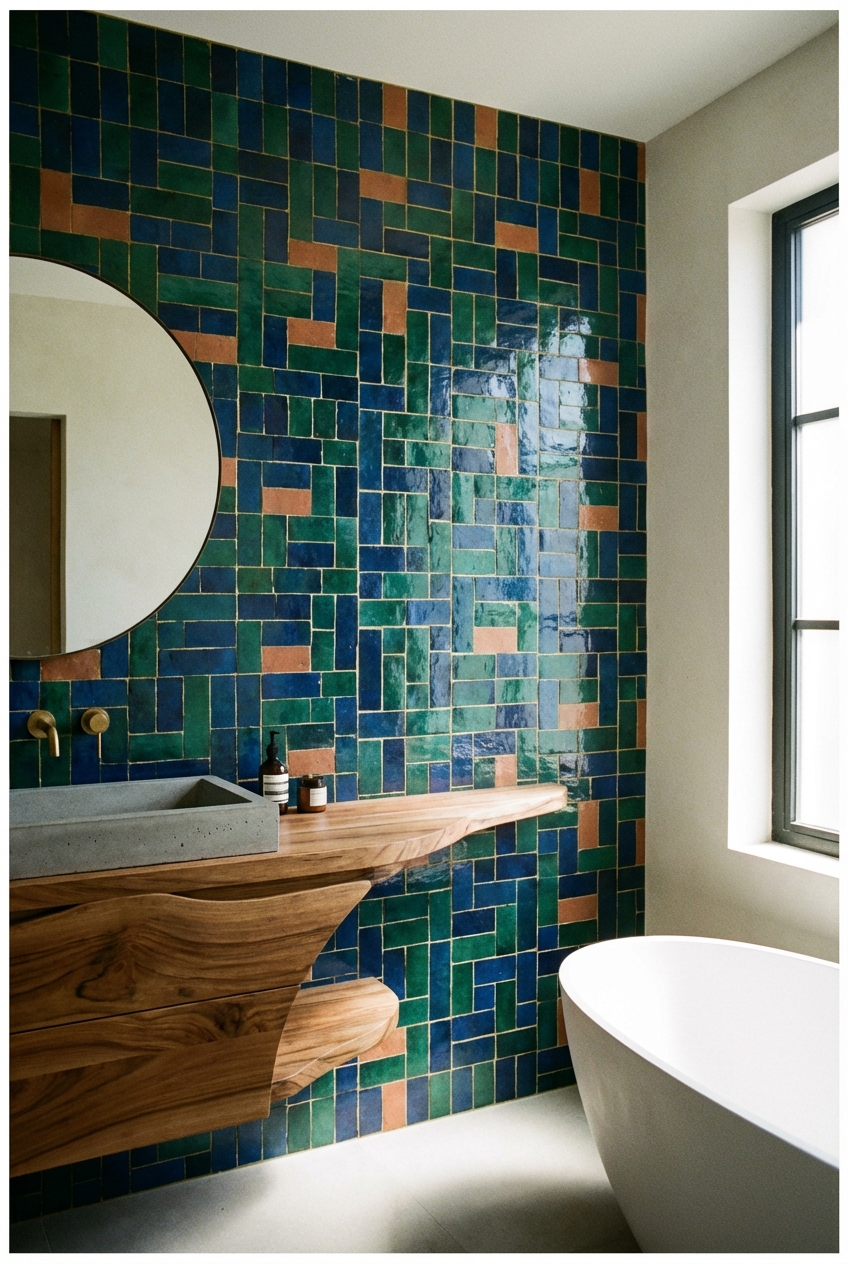
Bamboo, oak, walnut and teak each have different grain and warmth. Pick one or two. For hardware, brushed brass or matte black keeps things modern without drawing attention. If you're repainting or buying new furniture, look for low-VOC finishes, which are easier on indoor air.
How do you light an Asian-style bedroom?
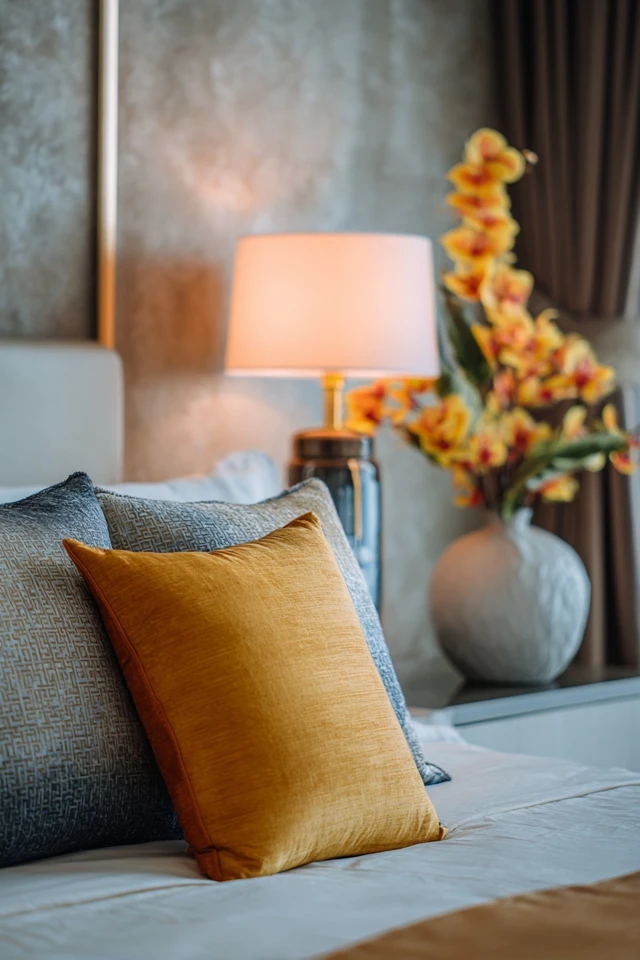
Use three layers: ambient light (a paper pendant or hidden cove), task light (bedside lamps for reading) and a small accent (a picture light or sculptural floor lamp). Put the overhead on a dimmer. Warm bulbs in the 2700K-3000K range suit evening use.
Paper and fabric shades make the light feel soft instead of pointed, which is the whole point in this style.
Modern Asian bedroom design: fusion without the clichés
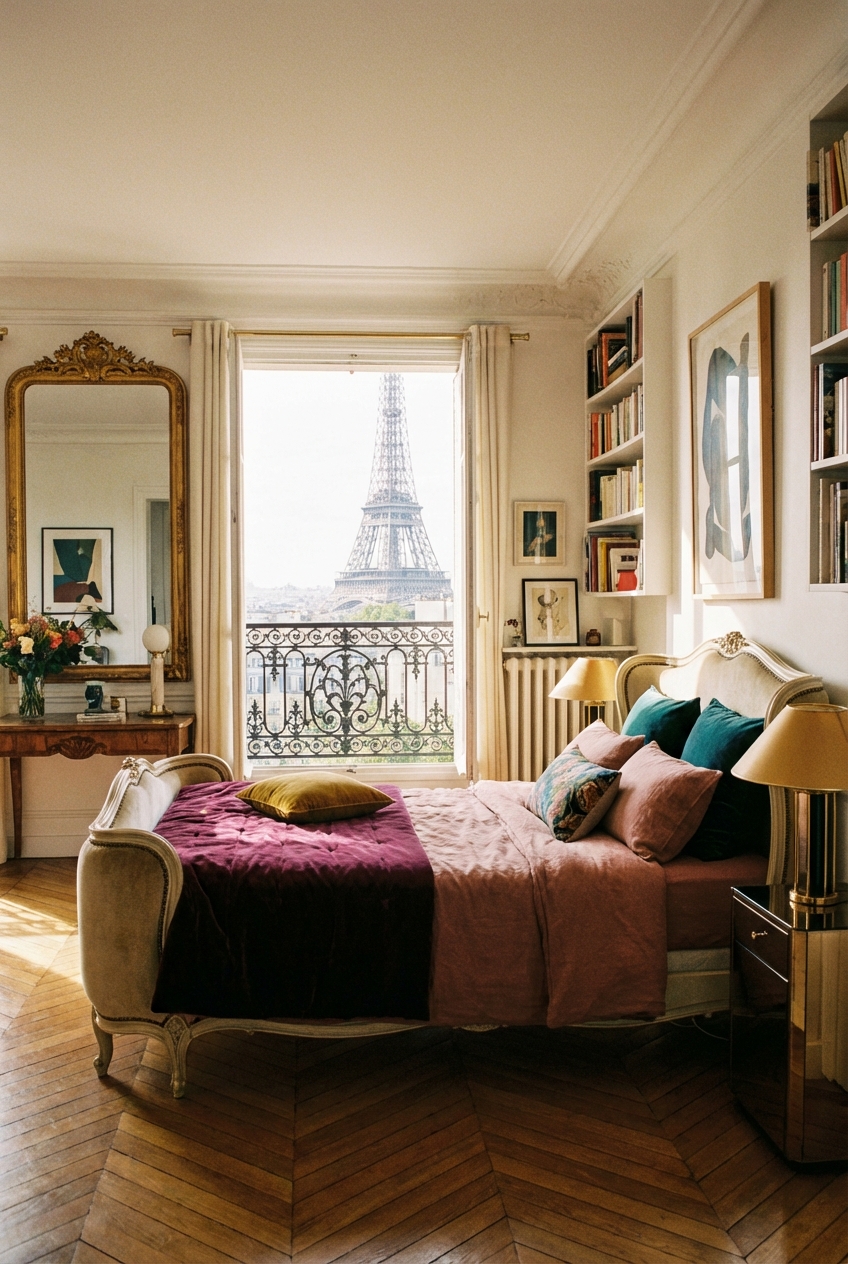
Japandi, which pairs Japanese minimalism with Scandinavian warmth, is the easiest way into a warmer, natural-material look that still feels current. Keep the big pieces simple and put trends into things you can swap: pillows, a throw, a lamp.
On cultural respect: borrow principles such as simplicity, craftsmanship and natural materials, and avoid stock symbols used as decoration. Buy pieces from makers or sellers who say where and how they were made. If you want another style reference for comparison, our budget-friendly bedroom ideas show how to build a calm room from affordable basics.
Quick styling checklist
- Size the rug so it extends about 18-24 inches beyond the bed on the sides and foot.
- Limit surfaces to a few objects each. Empty space is part of the design.
- Add one or two low-maintenance plants, such as a snake plant, only if the light suits them. Check with your vet first if a pet can reach them.
- Add dark tones in small amounts for contrast.
As an architect, I'd begin with the bed height and the lighting, since they change the feel of the room most, and leave decor for last. For another bedroom with a strong identity, compare it with an industrial farmhouse bedroom.
Frequently asked questions
How to make your room look Asian?
Use a low platform bed, natural materials like wood, linen and paper, a muted palette and soft layered lighting. Keep surfaces sparse and choose one cultural reference instead of mixing many.
What do Japanese bedrooms look like?
They are minimal and low to the floor, with a futon or low bed, light wood, woven textures and paper screens or shades that soften daylight. Storage is usually hidden so the floor stays open.
What is Asian style decor called?
There is no single name, because the look spans many cultures. People often say Japanese minimalist, Zen, Chinese-inspired or Japandi when they mean a calm, natural-material blend.
What is the feng shui rule for bedrooms?
A common rule is to place the bed where you can see the door without lining up directly with it, and to keep clutter out of sight. It is a traditional guideline, not a measured requirement.
Filed under
ArticlesMeet the author
Written by an architect.
Julio Arco is a passionate architect with years of experience in architecture, interior design, urban design, and housing. He studied at prestigious universities across North America and Europe.

- Name
- Julio Arco
- Job
- Architect and online interior designer
- Studied
- Architecture, ITESM · Urban Design and Housing, McGill
- Partner
- Thor, Australian Shepherd
- Thor’s title
- Head of quality control