Asian Bedroom Design: Calm, Practical Ideas to Try
Asian bedroom design ideas for color, furniture, layout and lighting, with Japanese and Chinese inspired tips that work in small rooms too.

By Julio Arco
Architect and online interior designer
In this post
Asian bedroom design comes down to a low bed, natural materials, a quiet color palette and very little clutter. Start with those four things and the room will already feel calmer.
You don't need to copy a traditional Japanese or Chinese interior piece by piece. Borrow the proportions, the textures and the habit of leaving empty space, and adapt them to the room you have.
How to make your room look Asian
Work in this order, because each step makes the next one easier:
- Clear the surfaces and decide what actually earns a place in the room.
- Choose a low bed, ideally a platform frame with drawers underneath.
- Pick a muted palette and repeat one wood tone.
- Add one or two objects with character: a ceramic vase, a branch, an ink wash print.
- Swap harsh overhead light for warm, low lamps.
Asian-inspired interiors often favor asymmetry, so you don't have to match both nightstands. A tall lamp on one side and a small stool or shelf on the other keeps the eye moving without feeling stiff.
What do Japanese bedrooms look like?
Japanese bedroom design is minimal and close to the floor. Think a low platform bed or a mattress on a raised base, pale wood, linen bedding, and walls left mostly bare. Storage is hidden so the room reads as one calm surface.
If you like that look but want more warmth, the Japandi mix of Japanese restraint and Scandinavian softness is an easy route. It suits renters too, since most of it is bedding, a rug and lighting. If you're also planning the garden outside, our Japanese backyard ideas follow the same logic.
Which colors work for an Asian bedroom?
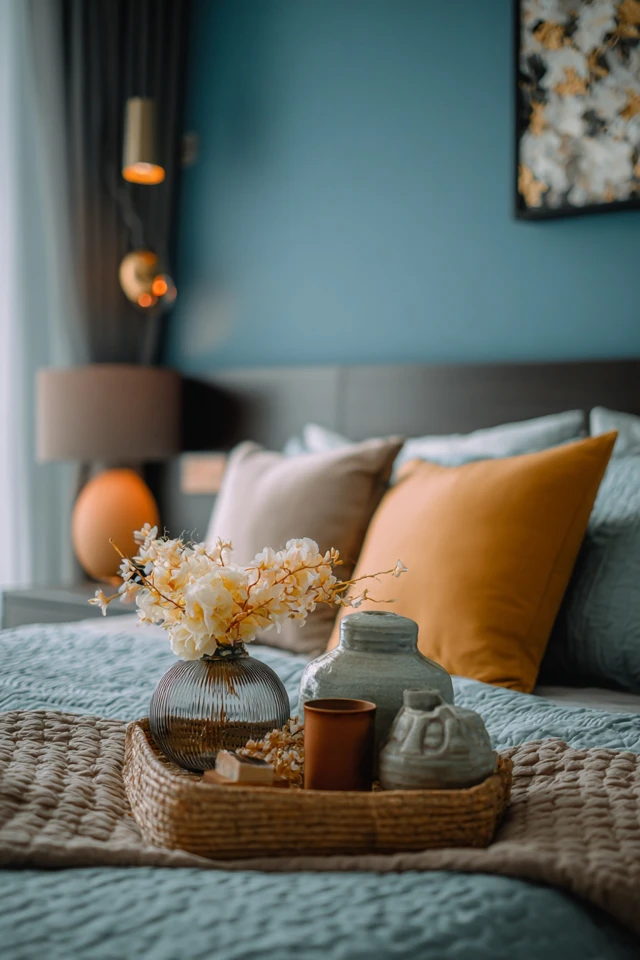
Muted, nature-based tones are the safest base: soft greens, warm neutrals, ink black and indigo. Low-saturation colors are less stimulating, which is what you want where you sleep.
Chinese-inspired rooms can go bolder. Keep the walls quiet and bring in a lacquer red drawer front, a silk cushion or a deep indigo throw as the accent. One strong color is enough. Test paint samples in morning and evening light before you commit, because bulbs change how a color reads. If you're considering a darker feature wall, the grey accent wall ideas show how much contrast a bedroom can handle.
Modern Asian bedroom design: mixing old and new
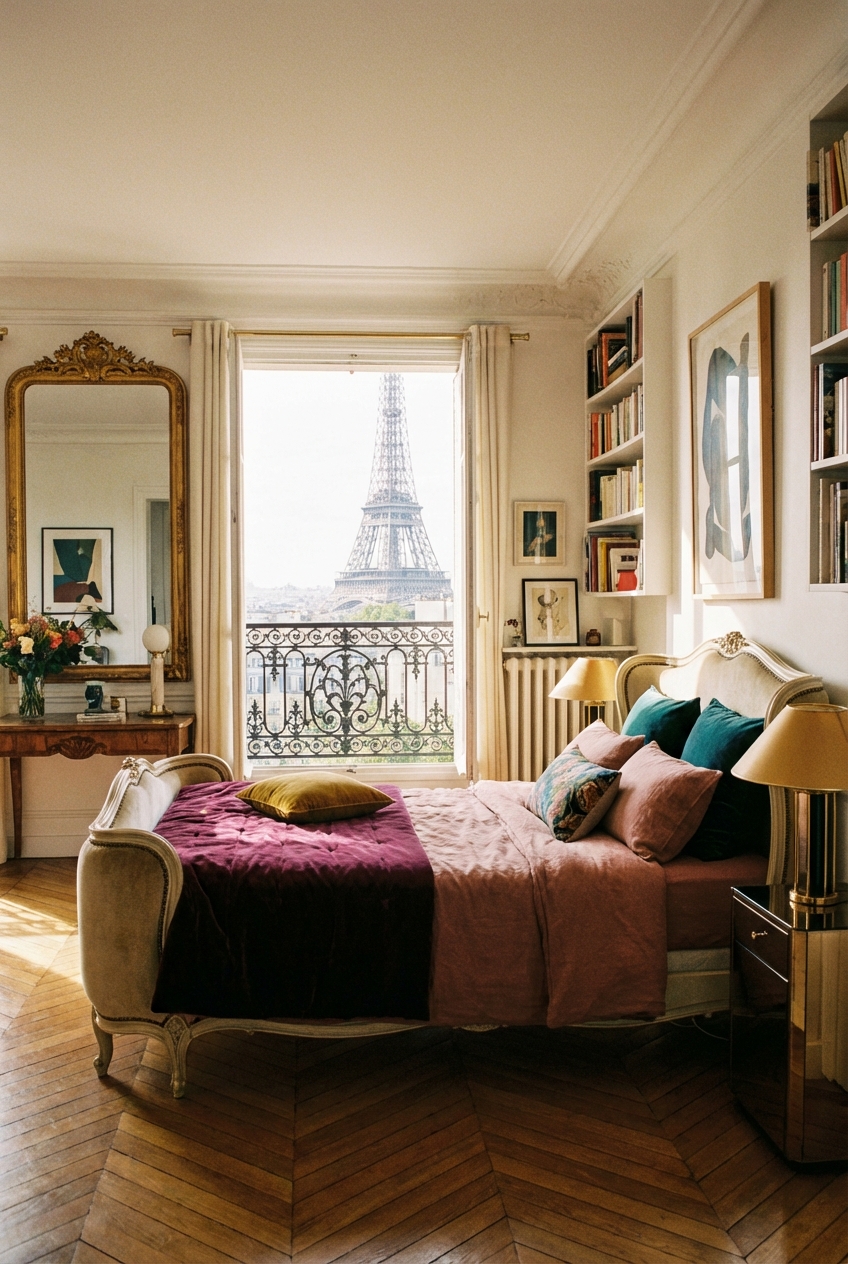
Modern Asian bedroom design pairs clean contemporary shapes with a few traditional cues. A simple upholstered bed can sit beside a carved wooden chest, or a sleek lamp can light a wall with a framed calligraphy print.
As an architect, I'd keep the architecture and furniture plain and let one or two objects carry the cultural reference. Literal reproductions of motifs tend to feel like a theme room. Proportion, material and craft read as more authentic.
Furniture that fits the look
- A low platform bed with a simple headboard in wood or woven cane.
- Low credenzas or a chest instead of tall dressers.
- A folding screen to soften a corner or separate a dressing area.
- Floor cushions or a low bench for a reading or tea corner.
Asian bedroom design for small rooms
Small rooms benefit most from this style, because it already favors low furniture and open floor. Choose a platform bed with drawers, mount lighting on the wall, and use floating shelves so the floor stays visible.
Keep about 24-30 inches of clear walkway along the main path. A mirror placed opposite a window bounces daylight deeper into the room. Keep one wood tone throughout so the room reads as one piece. For more space-saving thinking, see these studio apartment ideas.
If the dog sleeps in the room, a low bed is easy for them to hop onto. Washable linen or cotton covers and a low-pile rug make fur manageable.
Textures and materials to layer
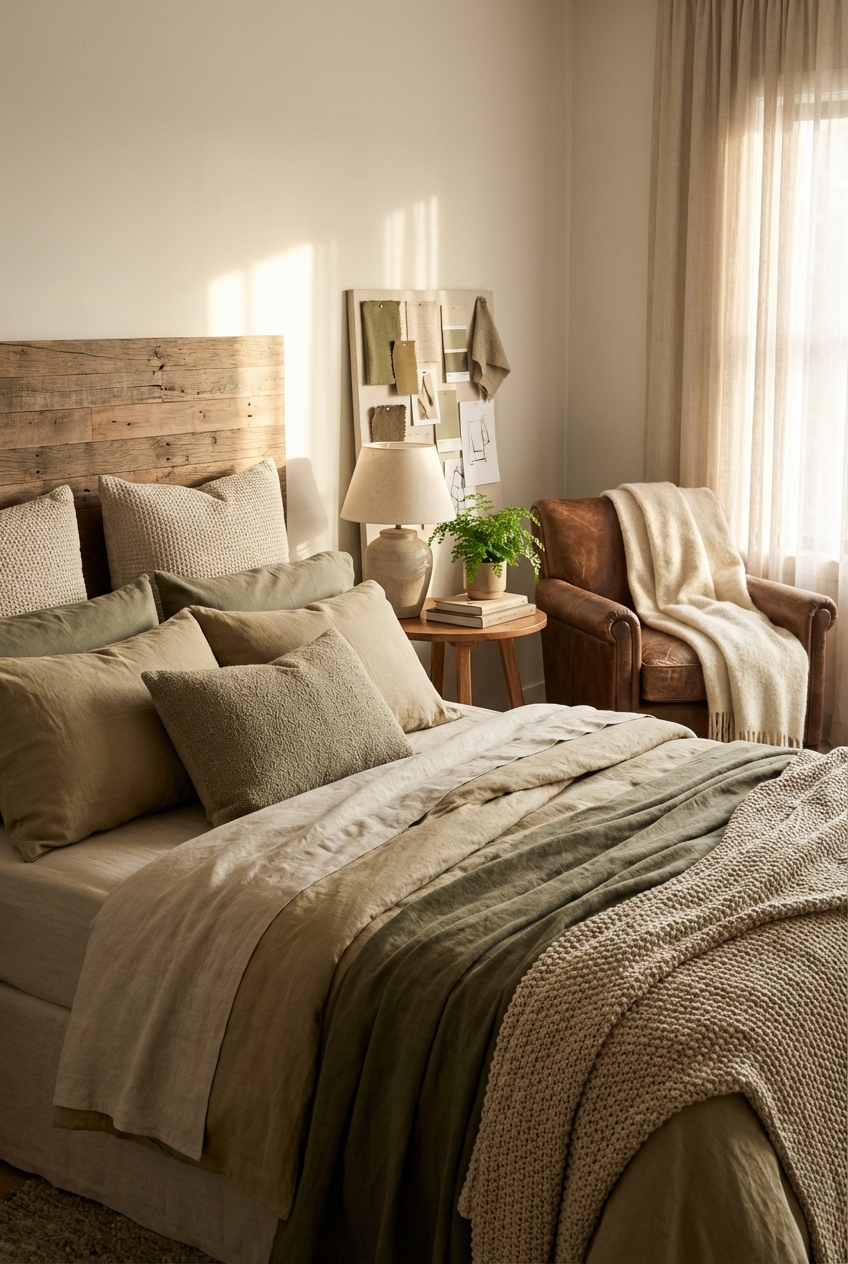
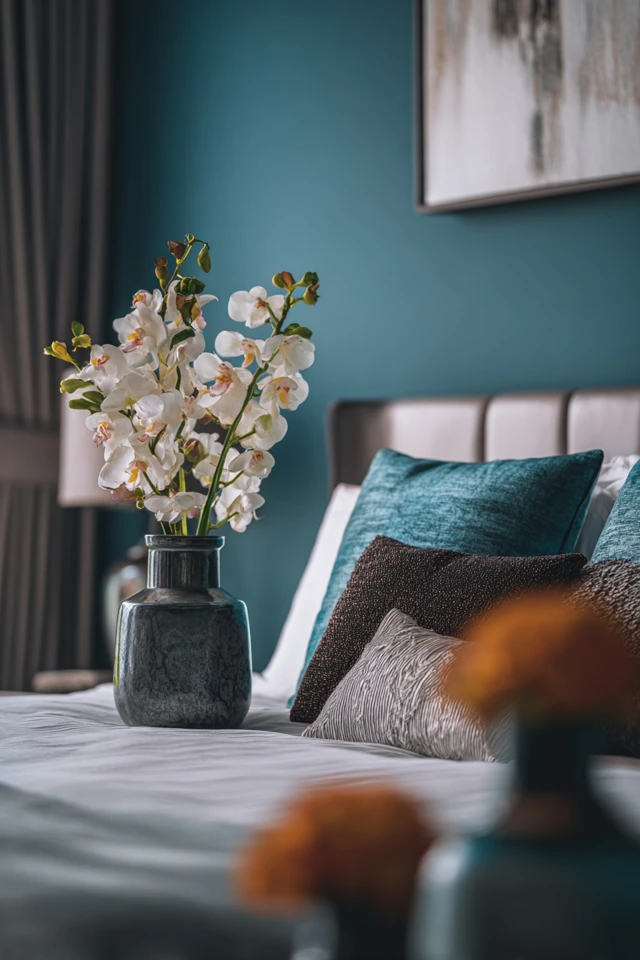
Texture does the work that pattern does in other styles. Matte wood for the frame, a nubby rug underfoot, linen sheets, a wool throw and a ceramic lamp base give plenty of variety while the colors stay quiet.
Matte finishes absorb light and soften shadows, while glossy ones bounce it. Use gloss sparingly, such as one lacquered piece, so it reads as a highlight. Bamboo and rattan add lightness for headboards or lampshades. If you like the grounding feel of timber, wood burning can add a handmade detail.
Lighting and feng shui basics
Layer three kinds of light: a soft ambient source, a reading lamp, and a small accent such as a paper lantern or a sculptural lamp. Wall sconces beside the bed free up nightstand space. Use warm bulbs in the evening.
On feng shui, the commonly cited bedroom guidance is to place the bed so you can see the door without being directly in line with it, keep a solid wall behind the headboard, and avoid clutter under the bed. These are traditional practices rather than proven rules, but they match good layout sense: clear paths, a sense of shelter and less visual noise.
Styling tips that keep it calm
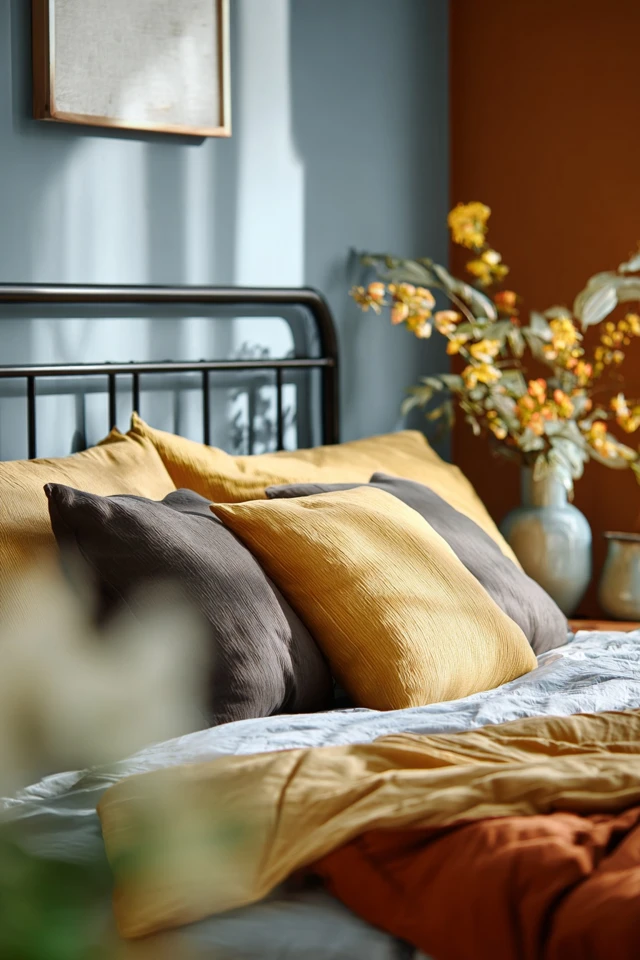
- Hang three to five pieces of art or objects with generous space between them.
- Use one plant or a small moss bowl. If you have pets, check with your vet that any plant is safe before bringing it in.
- Extend a low-pile rug beyond the bed so your feet land on something soft.
- Hide cables and electronics in cabinetry.
- Spend on the mattress and bedding first, and decorate after.
Frequently asked questions
What is Asian style decor called?
There is no single name, since the look draws on different traditions. Common labels include Japanese minimalism, Japandi (Japanese and Scandinavian), wabi-sabi, and Chinese-inspired or modern Asian fusion.
What is the feng shui rule for bedrooms?
A common rule is to place the bed with a solid wall behind the headboard and a clear view of the door, without lining it up directly with the door. It's a traditional guideline, not a scientific one.
How do I mix patterns without making the room feel busy?
Limit yourself to two or three patterns at different scales, such as a large rug, medium cushions and a small accessory. Keep the colors close and let solid pieces give the eye a rest.
Can I use bold colors and still keep the room restful?
Yes, as accents. A lacquered nightstand, an indigo throw or one piece of art adds energy while the walls and bedding stay quiet.
Filed under
ArticlesMeet the author
Written by an architect.
Julio Arco is a passionate architect with years of experience in architecture, interior design, urban design, and housing. He studied at prestigious universities across North America and Europe.

- Name
- Julio Arco
- Job
- Architect and online interior designer
- Studied
- Architecture, ITESM · Urban Design and Housing, McGill
- Partner
- Thor, Australian Shepherd
- Thor’s title
- Head of quality control