TV Room Decor Ideas: 10 Ways to Style the Wall and Space
TV room decor ideas for the wall, stand and seating: paneling, shelves, lighting, art and color, with sizes that work in small and modern rooms.

By Julio Arco
Architect and online interior designer
In this post
The easiest way to make a TV room look good is to stop treating the screen as the only thing on the wall. Give the TV a frame (paneling, shelves or a painted block of color), keep the surfaces around it calm, and light the room so the screen isn't the brightest object in it.
Below are ten ideas that work in most rooms, plus notes on layout, color and materials. Pick two or three rather than all of them. A TV wall with ten ideas on it is just a busy wall.
How to decorate a TV wall
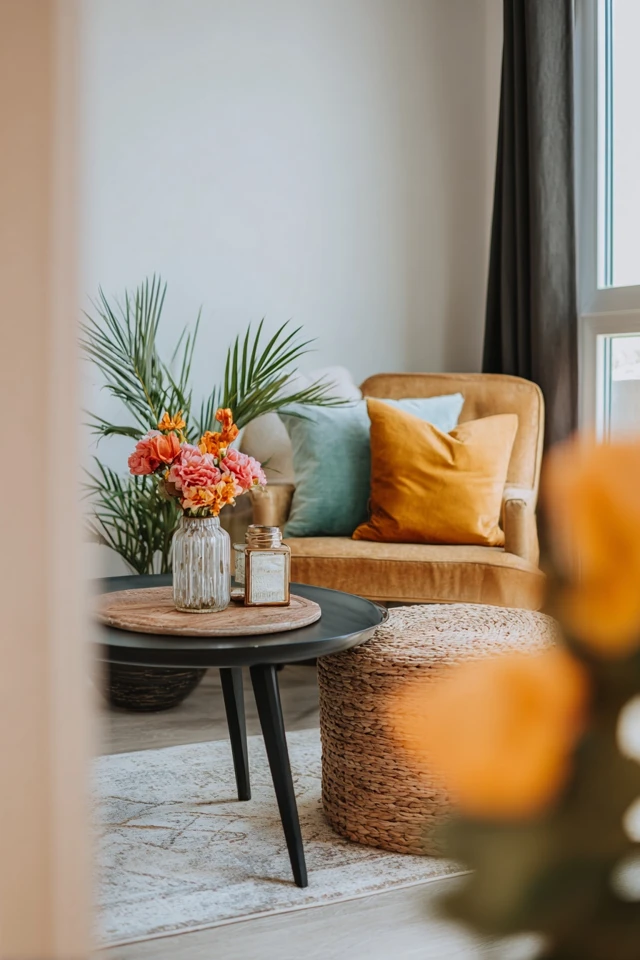
A black rectangle is a heavy visual element, especially when it's off. The goal is to soften its contrast with whatever sits behind it and to give your eye other places to land. Three moves do most of the work: put a darker or textured surface behind the screen, add something at a different height beside it, and keep the objects on the stand to a few.
As an architect, I'd decide the wall treatment first and the accessories last. It's much easier to style around a finished wall than to rescue a wall with shelves.
TV wall design ideas that work in most rooms
Wood slats or paneling
Vertical slats or flat paneling behind the TV add warmth and hide the "floating screen" look. Stain or paint the panels close to the TV's tone and the screen blends in. A thin acoustic backing helps with echo too, which hard TV walls often have.
Built-in shelves and cabinets
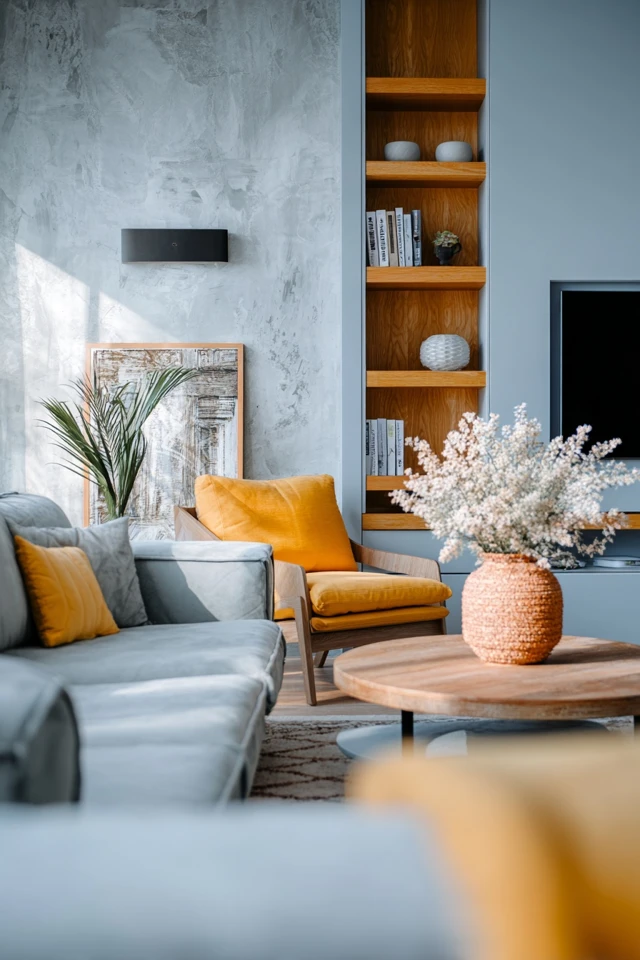
Shelves on both sides of the TV make it look intentional, and closed cabinets below hide cables, consoles and dog toys. Leave some shelves half empty. A few books, a plant and one or two objects read better than a full display.
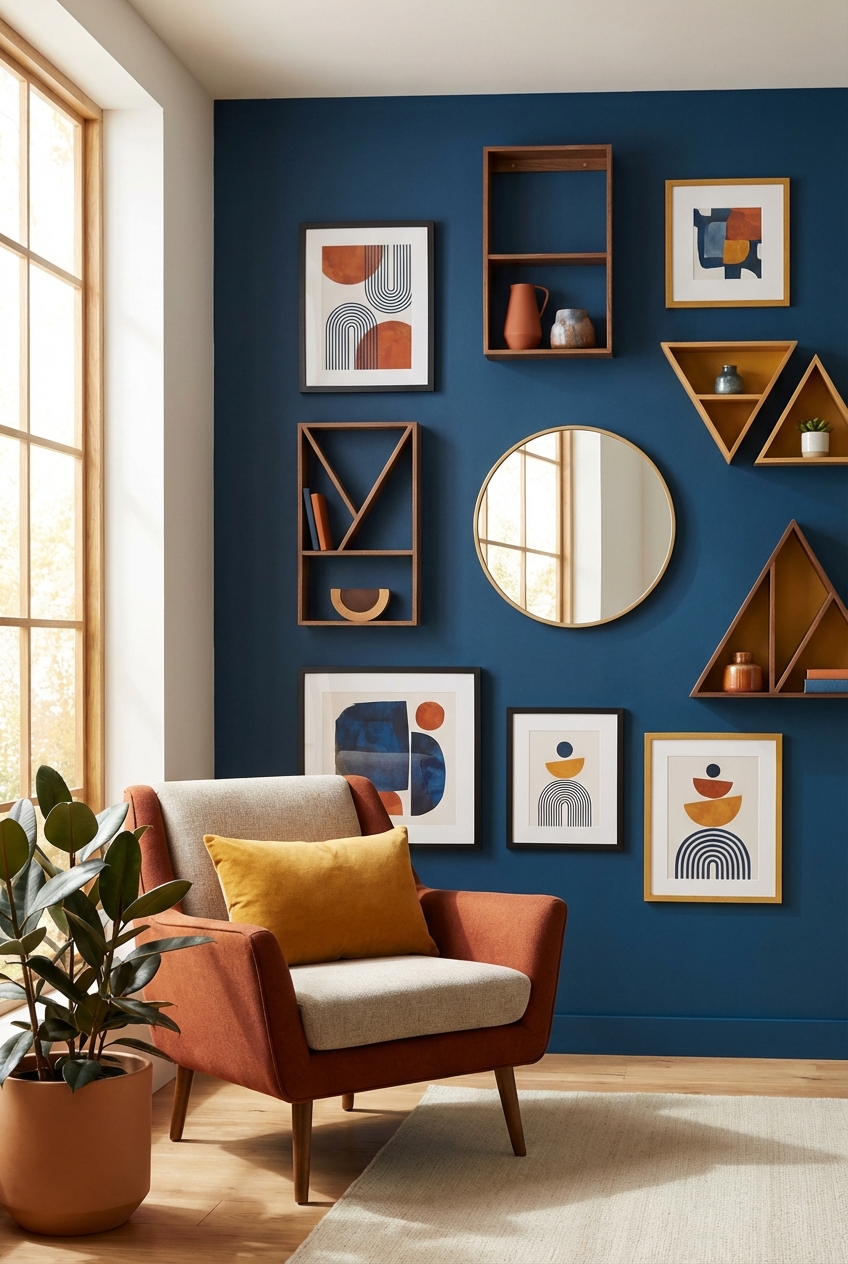
An accent wall in paint or wallpaper
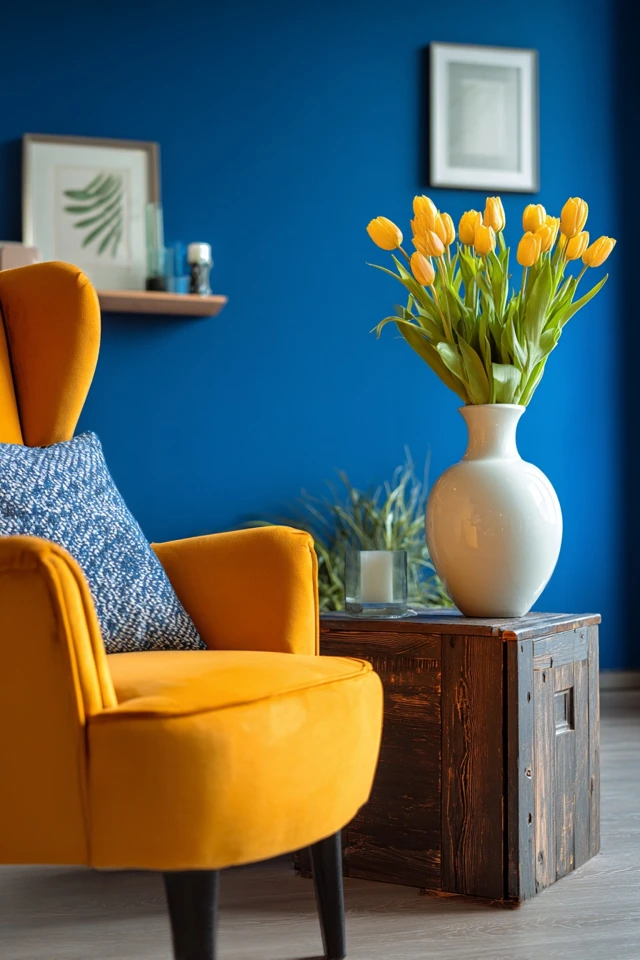
A deep color behind the screen reduces the contrast between the TV and the wall. Muted greens, blues and warm charcoals work well. Choose matte paint: glossy finishes reflect the screen and any window opposite it.
Art or a gallery wall around the TV
Arrange frames around the screen as if it were one more picture. Keep the outer edge roughly rectangular and the spacing between frames consistent, about 2-3 inches. Lighter frames and generous mats stop the group from competing with the TV.
Backlit or LED lighting
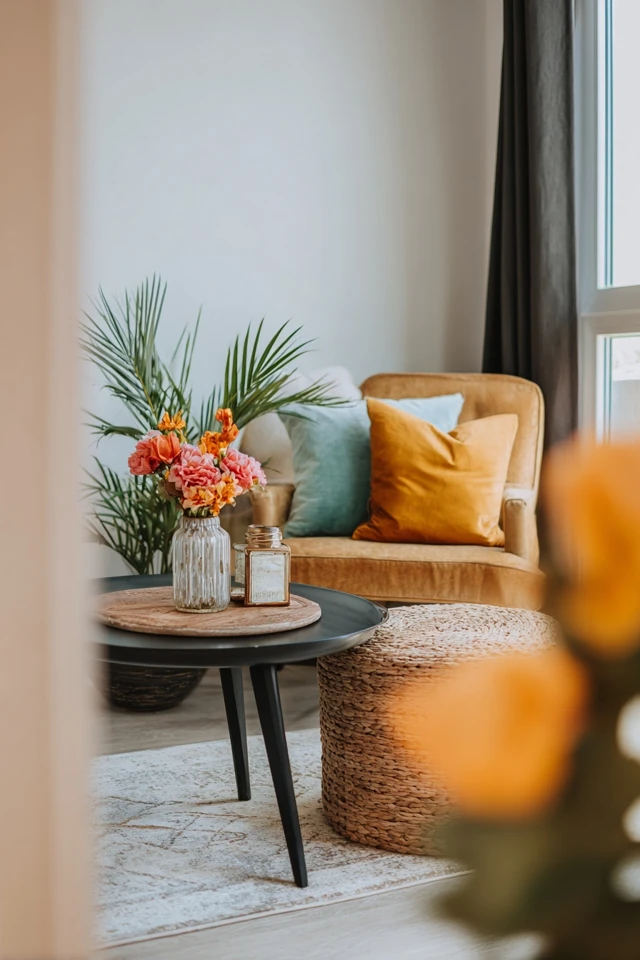
A soft glow behind the TV lowers the contrast between the screen and the wall, which many people find easier on the eyes in a dark room. LED strips are practical here: the U.S. Department of Energy notes that good-quality white LED lighting products are expected to last 30,000 to 50,000 hours or even longer. Check the color temperature on the package. Warm white (around 2700-3000K) feels friendlier in the evening, and the Department of Energy describes correlated color temperature as one of the primary metrics for the visual appearance of light.
Light also affects sleep rhythms. The Department of Energy puts it this way: "Light plays a key role in setting and regulating the body's biological clock." If your TV room is where you wind down, dim and warm light is the sensible choice.
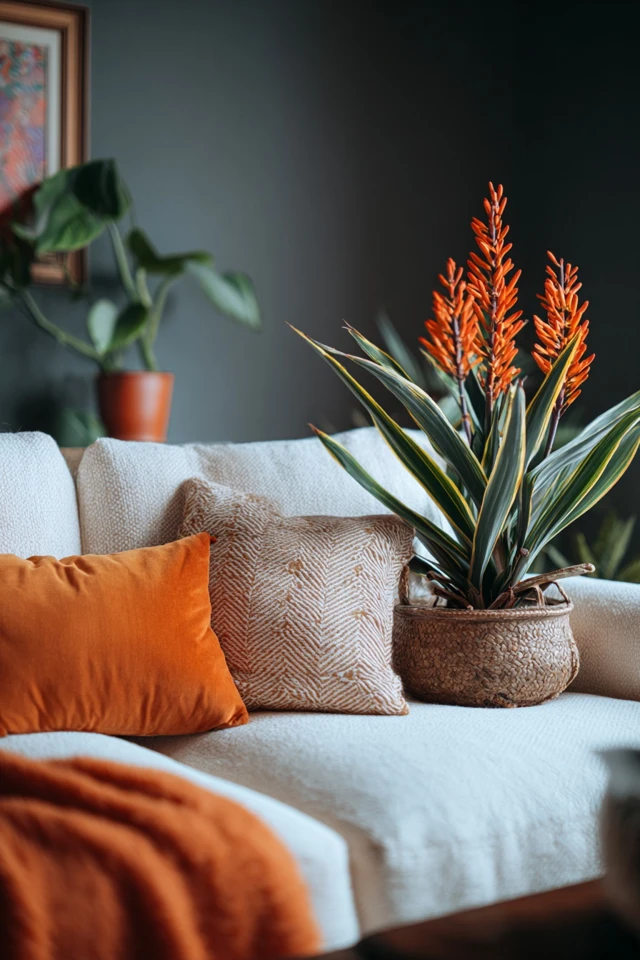
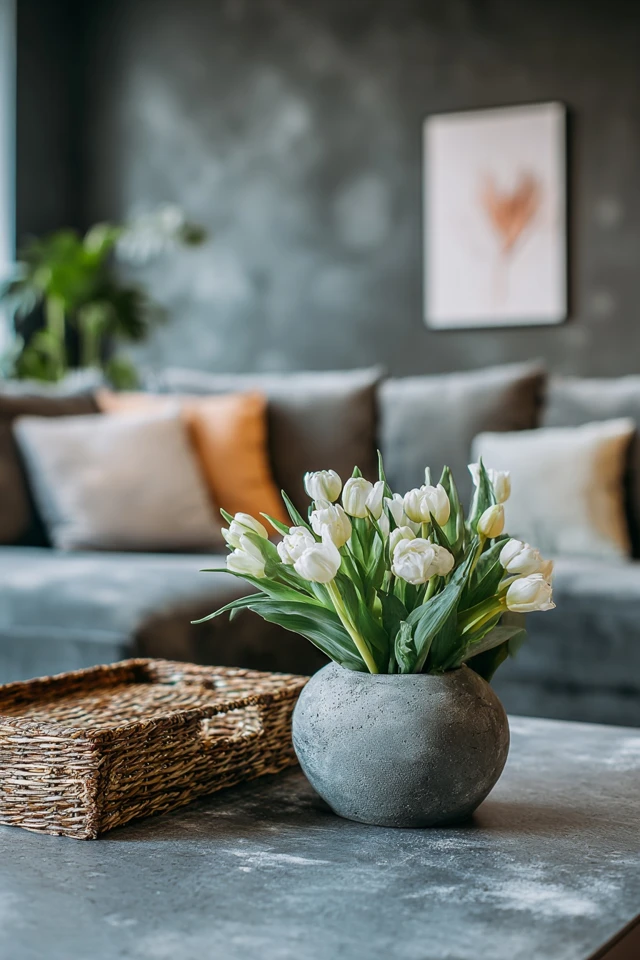
Plants and natural materials
A plant on a shelf or stand, a wood console, a stone or ceramic object: natural materials soften all that glass and plastic. If you share the room with a dog or cat, check plant toxicity with your vet or a pet-safety list before buying, and keep trailing plants out of reach.
Floating consoles and low stands
A wall-mounted console frees the floor, which helps small rooms feel larger and makes vacuuming easier. For living room tv stand decor, keep to a simple formula: one tall item (a lamp or plant), one low item (a tray or stack of books), and clear space for the soundbar or speakers.
Minimal styling
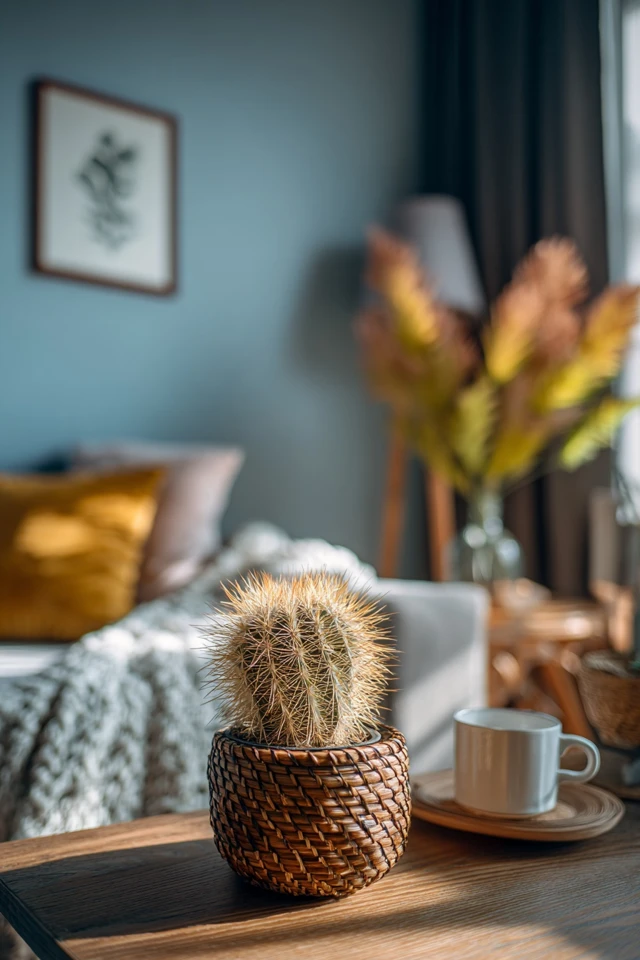
A plain wall, a slim stand and one piece of art can be the best answer. In modern tv room decor ideas, restraint is the whole look: few materials, one or two colors, hidden cables.
Small TV room decor ideas
In a small room, the wall should do more and the floor less. Mount the TV, choose a shallow console, and pick a compact sofa with slim arms. Painting the TV wall and the adjacent walls the same color makes the room read as one calm volume. For more on tight rooms, see our small TV room ideas and apartment living room ideas.
Layout and seating distances
Decor falls flat if the seating is wrong. Keep walkways around 30-36 inches wide and don't park a sofa in the door's swing path. Mount the screen so its center is near seated eye level, which is usually lower than people expect. If the TV sits above a fireplace, it's often too high for long viewing, so consider a different wall when you can.
A rug under the front legs of the seating group anchors the zone and softens echo. In a room with a dog, choose a low-pile, washable rug and fabrics that wipe clean.
Color and lighting for a comfortable screen
Warm neutrals and muted mid-tones make the safest base because they don't fight the screen. Add a single saturated accent, like a throw or a chair, and keep the rest quiet. Layer lighting: a dimmable lamp or two, plus a soft wall or shelf light. Avoid a bright overhead as the only source, since it creates glare on the screen.
If you add outdoor or night-time fixtures, the joint guidance from the Illuminating Engineering Society and the International Dark Skies Association is a useful rule of thumb: use the minimum amount of light necessary, direct it only where it's needed, and choose color temperature carefully. It applies indoors too.
Where to go next
If your TV lives in a living room, see living room with TV ideas. For a warmer, more eclectic look, try boho chic living room ideas, and if you want trim and paneling details, molding ideas are a good start.
Frequently asked questions
How can I decorate a TV wall?
Start with a backdrop such as paneling, shelves or a matte painted accent wall, then add one or two accents like art or a plant. Keep the objects on the stand few so the screen doesn't look crowded.
What is the 3-5-7 rule in decorating?
It's a styling guideline that groups accessories in odd numbers (three, five or seven) because uneven groups look more natural than pairs. It's useful on a shelf or TV stand, but not a strict rule.
Should the TV be mounted or sit on a stand?
Mounting saves floor space and suits small rooms, while a stand gives you storage and a surface for decor. Either works if the screen center ends up near seated eye level.
Filed under
ArticlesMeet the author
Written by an architect.
Julio Arco is a passionate architect with years of experience in architecture, interior design, urban design, and housing. He studied at prestigious universities across North America and Europe.

- Name
- Julio Arco
- Job
- Architect and online interior designer
- Studied
- Architecture, ITESM · Urban Design and Housing, McGill
- Partner
- Thor, Australian Shepherd
- Thor’s title
- Head of quality control