Wall Molding Ideas for Every Room in Your Home
Wall molding ideas room by room, plus the main types of molding, how to pick profile and scale, and which finishes hold up best in a busy home.

By Julio Arco
Architect and online interior designer
In this post
- What is the molding that goes on walls called?
- How do you choose profile, size and material?
- Which wall molding ideas work for a living room?
- What about wall molding ideas for a bedroom?
- What are simple and modern wall molding ideas?
- Which traditional styles inspire decorative molding?
- How can molding help with high or awkward ceilings?
- Are wall moldings in trend?
- Practical tips before you install
- Frequently asked questions
The best wall molding is the kind that matches the scale of your room and the style of your house. Slim, simple profiles suit low ceilings and modern rooms. Wider, layered profiles suit tall ceilings and traditional homes.
If you're not sure where to start, pick one wall and one type of molding, paint it, and live with it for a week. Molding is easy to add and easy to get wrong in proportion, so small tests save you money.
What is the molding that goes on walls called?
There isn't one name, because each piece has its own job and location. Molding is the general term, and trim is often used for the same thing. Here are the different types of wall molding you'll run into most:
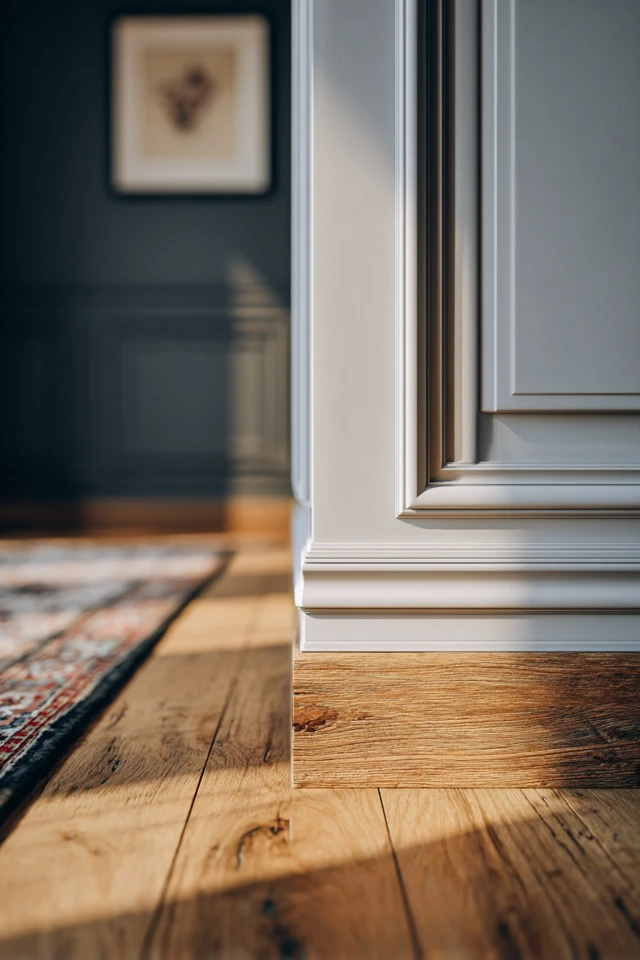
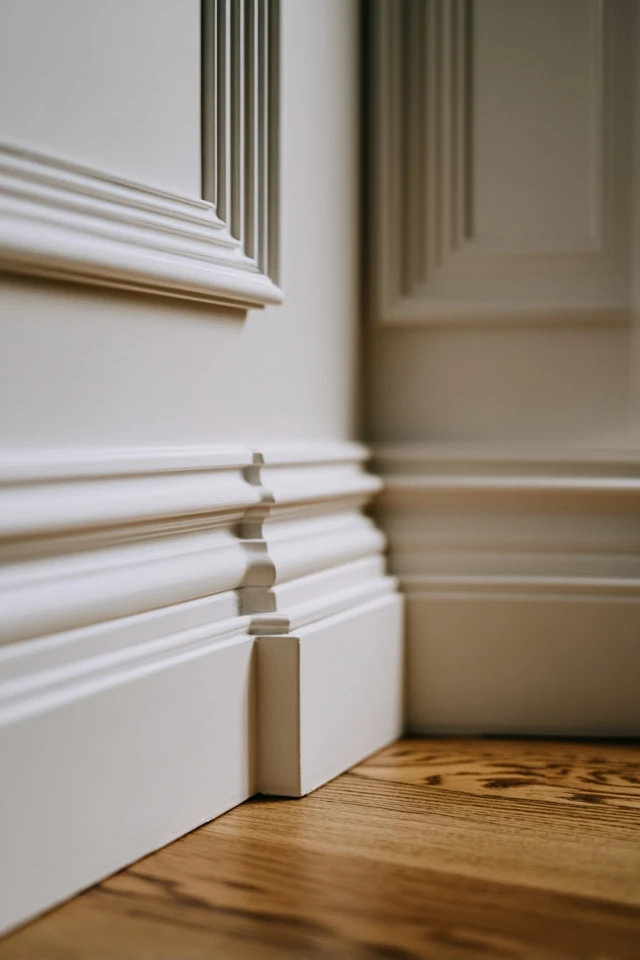
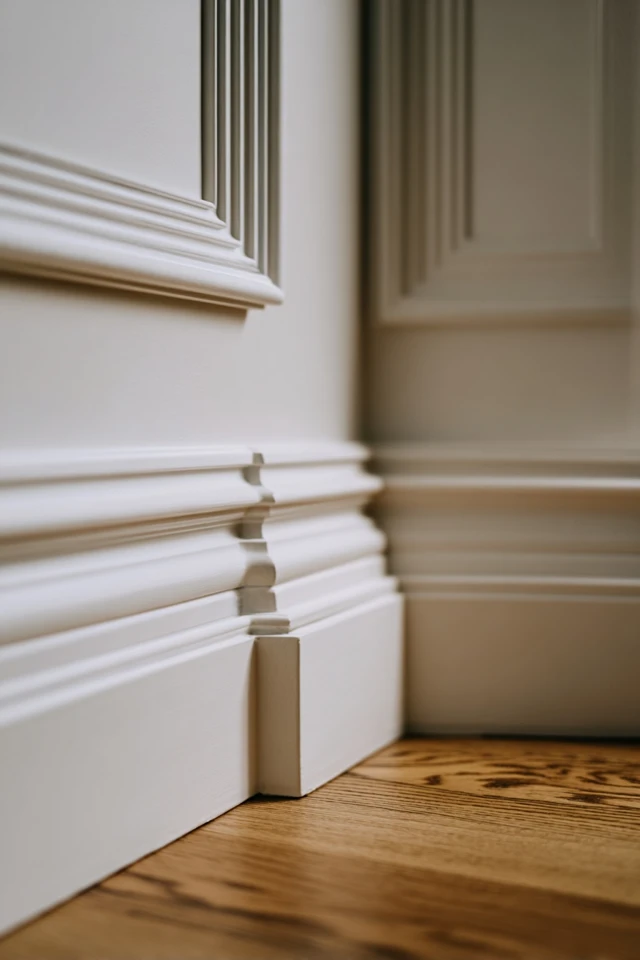
- Baseboard: runs along the bottom of the wall where it meets the floor.
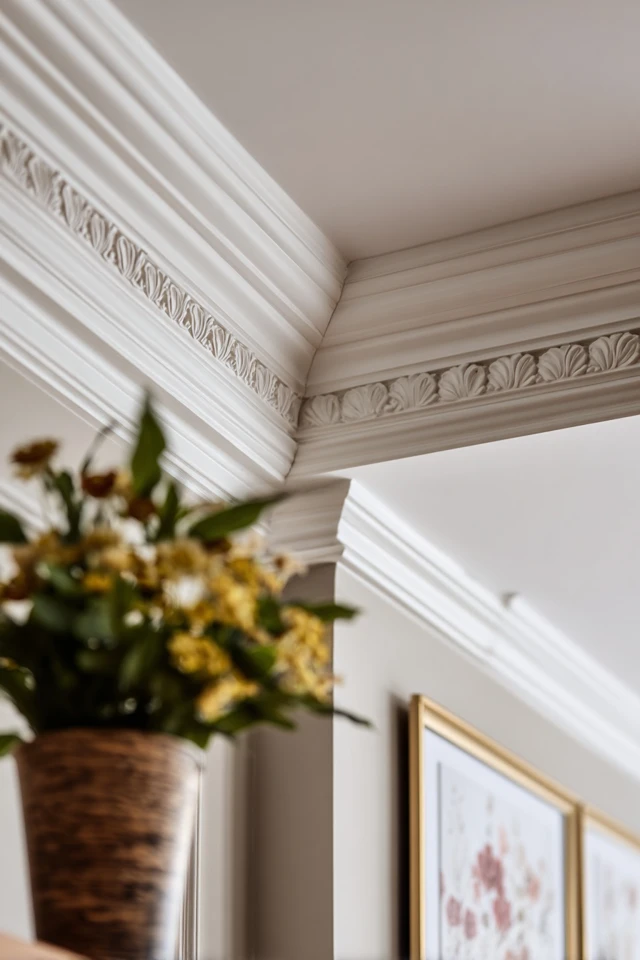
- Crown molding: sits where the wall meets the ceiling.
- Chair rail: a horizontal band about a third of the way up the wall.
- Picture rail: a thin horizontal strip near the ceiling, made for hanging art.
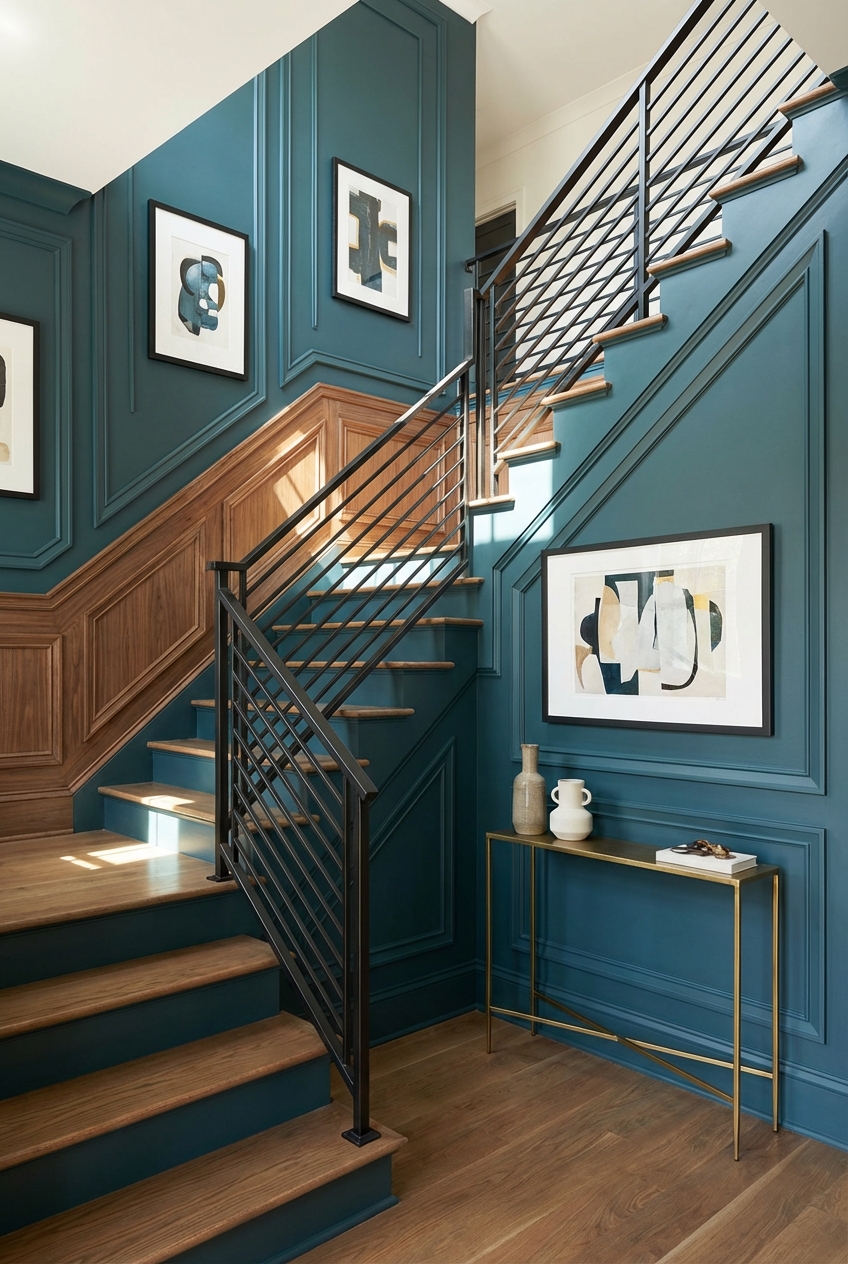
- Wainscoting and beadboard: paneling that covers the lower part of the wall.
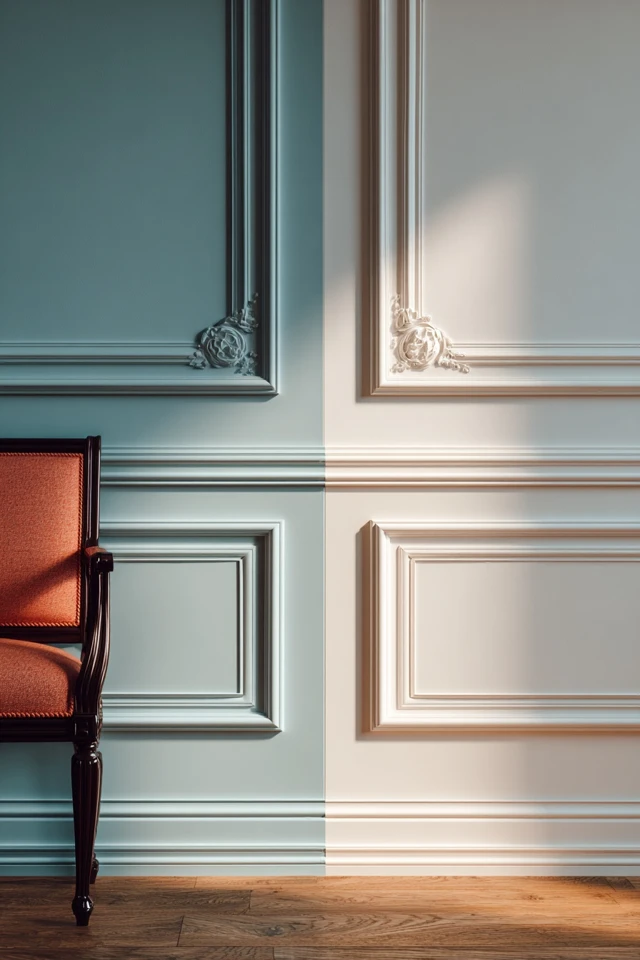
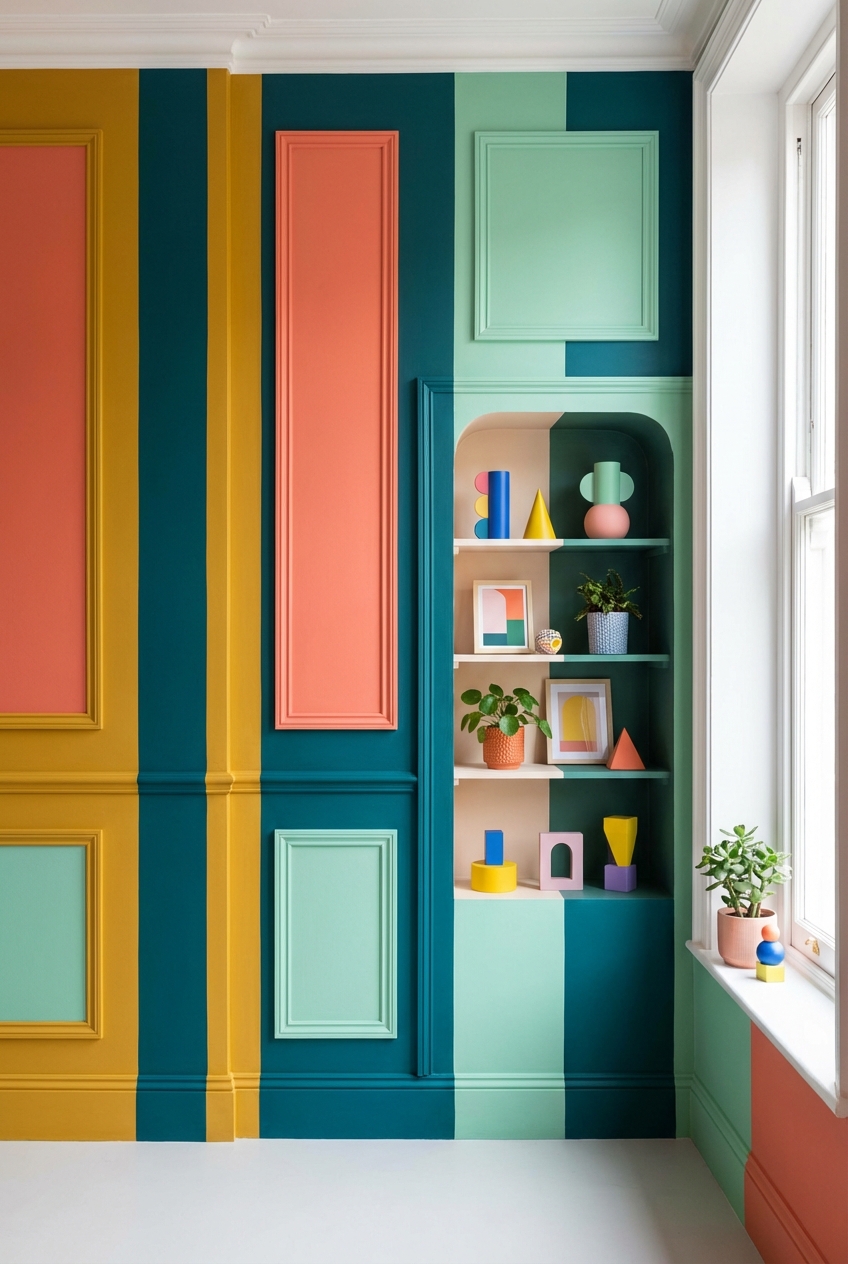
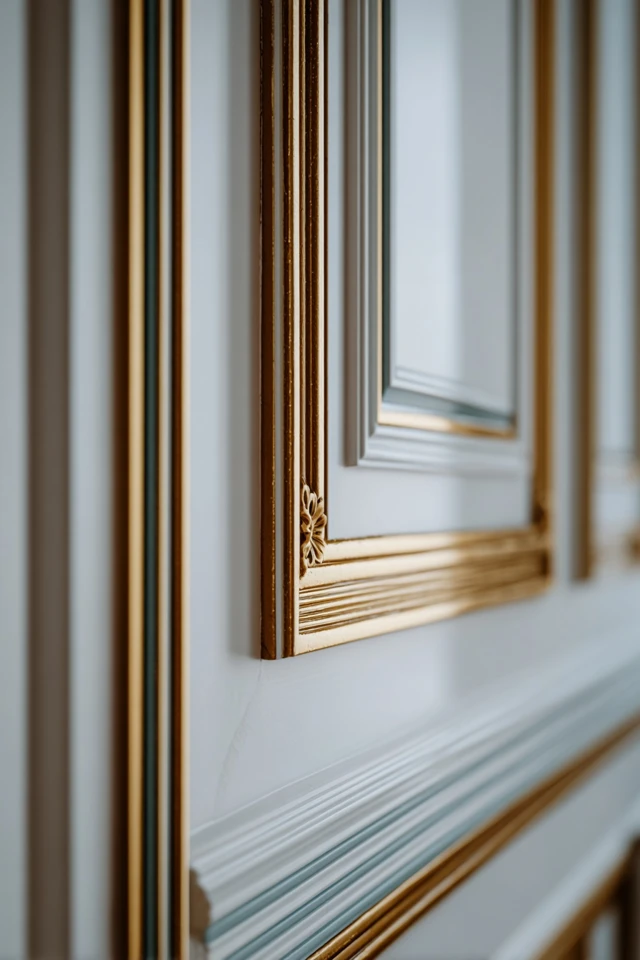
- Picture frame molding: rectangles of thin trim applied directly to the wall.
- Casing: frames doors and windows.
How do you choose profile, size and material?
Start with proportion. Heavy, ornate crown molding can crowd a low ceiling, while thin baseboards look lost in a tall entry. Small rooms do better with streamlined profiles, and larger rooms can carry wider, more detailed ones.
For material, you have three common choices:
- Solid wood takes stain well and suits traditional or rustic rooms.
- MDF is affordable, paints smoothly and works for most painted trim. Prime it well, and seal cut edges.
- Plaster is the choice for historic or high-end work, and it is best left to a skilled tradesperson.
If you share your home with a dog, I recommend a semi-gloss or satin paint on baseboards and lower trim. It wipes clean after muddy paws and wagging tails, which flat paint doesn't forgive.
Which wall molding ideas work for a living room?
For wall molding ideas for a living room, picture frame molding behind the sofa is a reliable pick. It gives a big blank wall some structure and a place for art or a TV to sit comfortably.
A chair rail can also help if your sofa sits against a wall, as it sets a line that matches the sofa back. If you're planning a media wall, the ideas in our TV room guide pair well with a paneled backdrop.
What about wall molding ideas for a bedroom?
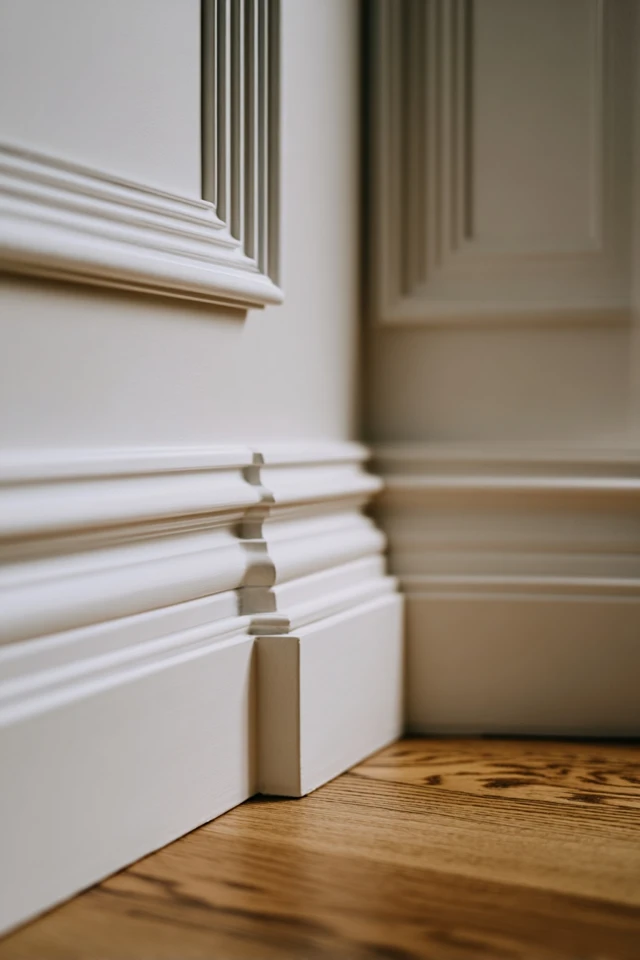
For wall molding ideas in a bedroom, the headboard wall is the natural focus. Tall vertical panels or a large picture frame rectangle centered on the bed make a headboard without any extra furniture. Paint the panels in the same color as the wall for a calm room, or one shade deeper for more depth.
Keep the profile shallow behind the bed so nothing catches on pillows or bedding. As an architect, I'd center the frame on the bed, not on the wall, if the two don't line up.
What are simple and modern wall molding ideas?
Simple wall molding ideas rely on flat, square-edged strips with no curves. Think of a grid of slim rectangles, a single horizontal band, or vertical battens set at even spacing. Paint trim and wall the same color and the shadows do the decorating.
For modern wall molding ideas, contrast helps: matte walls with a satin trim, or a dark color applied to both. Our post on colors that go with brown can help if you're working with wood tones.
Which traditional styles inspire decorative molding?
If your home is older, it helps to know its style before adding anything. The National Park Service describes Greek Revival as a style popular in America from the 1830s through the 1860s and inspired by the classical Greek temple. Simple, bold trim with clean lines fits that period well.
The Italianate style, most prevalent between the 1850s and the 1880s, is known for decorative eave brackets and detail at the roof line. Inside, that suggests heavier cornices and more ornament.
For decorative wall molding ideas in a house like this, match existing profiles where you can, or choose new ones that sit politely beside them. Beadboard is a good fit for cottage-style kitchens, hallways and bathrooms. In a kitchen, keep molding away from the area right behind the stove and sink, and use a washable paint there.
How can molding help with high or awkward ceilings?
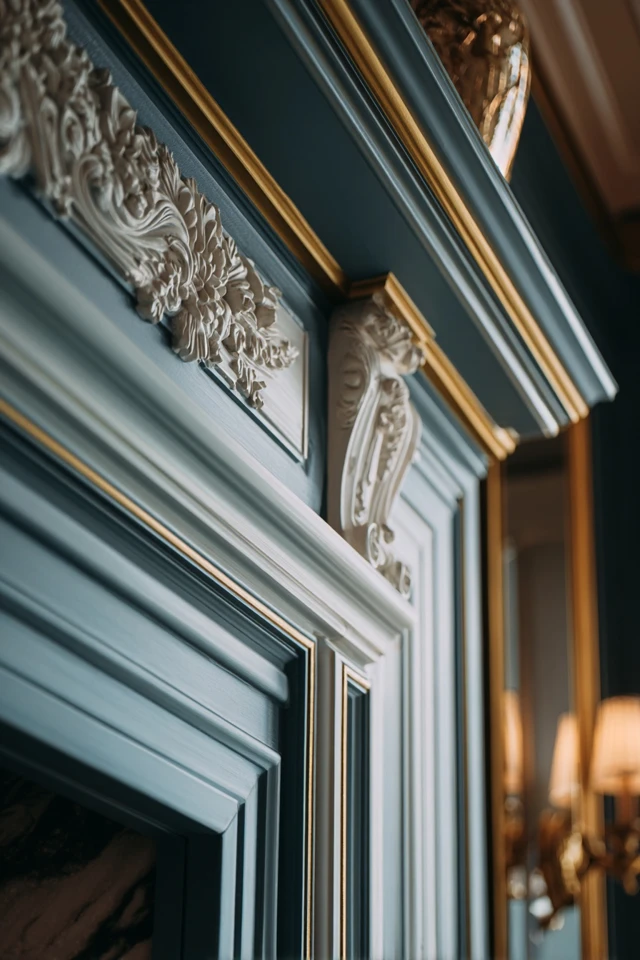
A tall room can feel cold, so add a picture rail or a wide band of paneling to bring the visual weight down. In a low room, go the other way: paint the crown the same color as the ceiling and keep it flat.
Open-plan spaces can use a repeated motif, such as the same baseboard height throughout, to tie zones together. A chair rail can mark a dining area without any walls.
Are wall moldings in trend?
Yes, paneling and picture frame molding are popular right now, often painted in deep, moody colors. Trends change, so I recommend applying them on one wall or in one room. Painted trim is easy to refresh later, while a whole house of dark panels is a bigger commitment.
For more wall trim ideas and a closer look at one wall treatment, see our post on wall molding for a stylish home.
Practical tips before you install
- Paint a few large samples of your trim color and check them in morning and evening light.
- Start in one room before committing to the whole house.
- Use a level and a tape measure to plan the layout on the wall with painter's tape first.
- Flat trim and quarter-round are friendly to DIY. Complex crown and plaster work usually goes better with a professional.
- Light the wall from the side with a picture light or wall washer to show off the shadows.
Frequently asked questions
What is the best moulding design for a wall?
There's no single best design. Picture frame molding is the most flexible, since it suits living rooms, bedrooms and hallways and can be made simple or ornate.
Is wall moulding in trend?
Yes, panel and picture frame molding are popular, often in deep paint colors. Try the trend on one wall first so it's easy to change.
What paint finish is best for trim?
Semi-gloss or satin finishes clean easily and show off the profile. They are a practical choice on baseboards, especially in homes with pets or kids.
How do I choose molding for rooms with low ceilings?
Pick simple, flat crown profiles and paint them the same color as the ceiling or walls. A slim chair rail or tall baseboard adds interest without cutting headroom.
Filed under
ArticlesMeet the author
Written by an architect.
Julio Arco is a passionate architect with years of experience in architecture, interior design, urban design, and housing. He studied at prestigious universities across North America and Europe.

- Name
- Julio Arco
- Job
- Architect and online interior designer
- Studied
- Architecture, ITESM · Urban Design and Housing, McGill
- Partner
- Thor, Australian Shepherd
- Thor’s title
- Head of quality control