Game Room Ideas: Layout, Lighting, Seating and Storage
Game room ideas for adults, small spaces and budgets: how to zone the room, light it, seat everyone and store the gear without clutter.

By Julio Arco
Architect and online interior designer
In this post
- How do you design a game room?
- What should you put in a game room?
- Which layout works best?
- How do you light a game room?
- Which colors and style suit modern game room ideas?
- How do you keep a game room organized?
- Video game room ideas and PC setups
- Soft surfaces for better sound
- Game room ideas on a budget
- Finishing touches
- Frequently asked questions
A good game room comes down to four decisions: a clear layout, layered lighting, seating that suits how people actually play, and storage that hides the cables and controllers. Get those right and the theme, art and neon are the easy part.
Below is how to design a game room step by step, whether it's a basement, a spare bedroom or a corner of the living room.
How do you design a game room?
Start with what the room is for. Is it mostly console nights with friends, a PC setup for one person, a table for board games, or all of the above? Write the list down, then give each activity its own zone.
Most game rooms need some mix of these zones:
- A screen and seating area
- A table area for cards, board games, pool or a foosball table
- A snack or drink spot
- Storage for games, controllers and cables
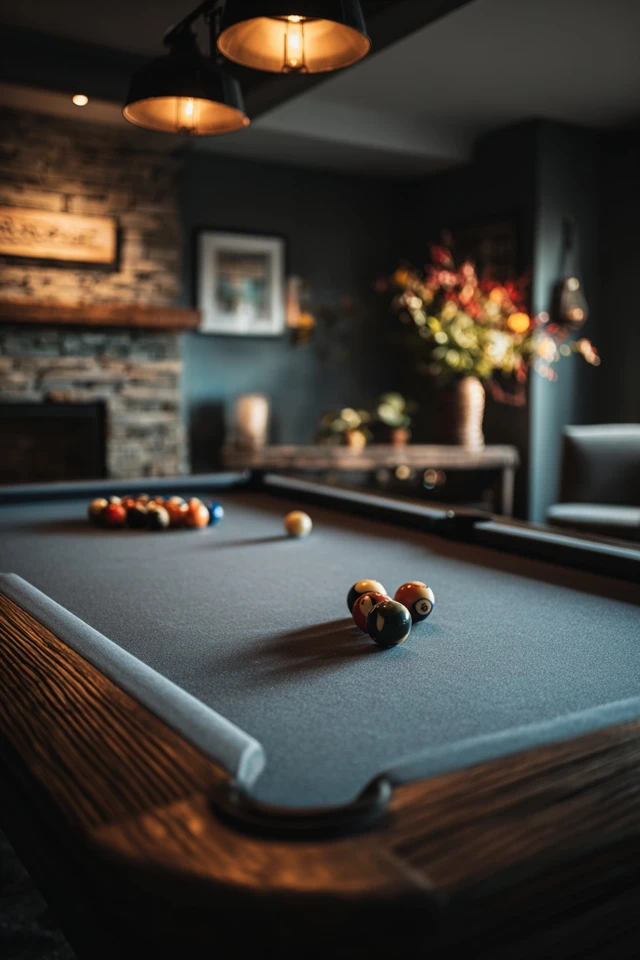
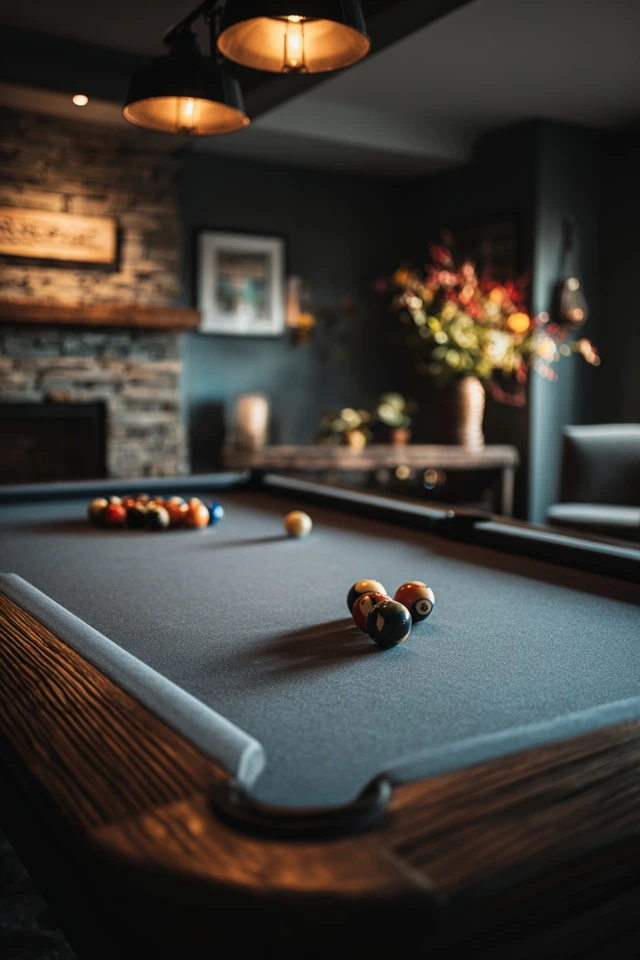
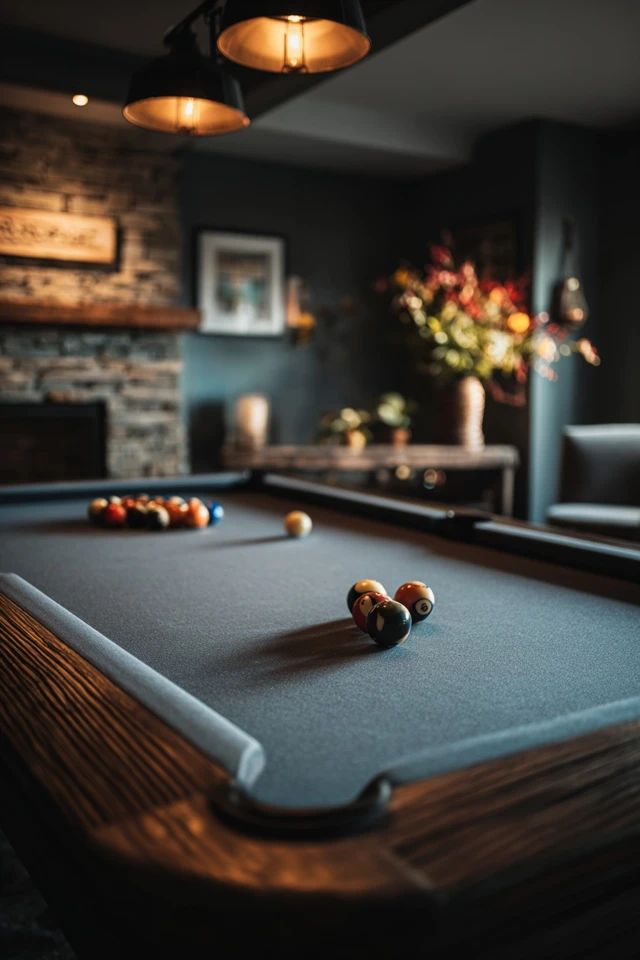
Use a rug, a change in lighting or a low shelf to separate zones instead of walls. Leave about 30-36 inches for the main walkways so nobody has to squeeze past a player mid-match. I recommend measuring the room and sketching it on paper before you buy anything, because big items like a pool table need clearance on every side for the cue.
What should you put in a game room?
The must-haves are comfortable seating, a screen or table to play on, good lighting and somewhere to put things away. After that, add what fits your habits.
- Seating: a sectional or a pair of sofas, plus poufs or stools that can move around when more people show up.
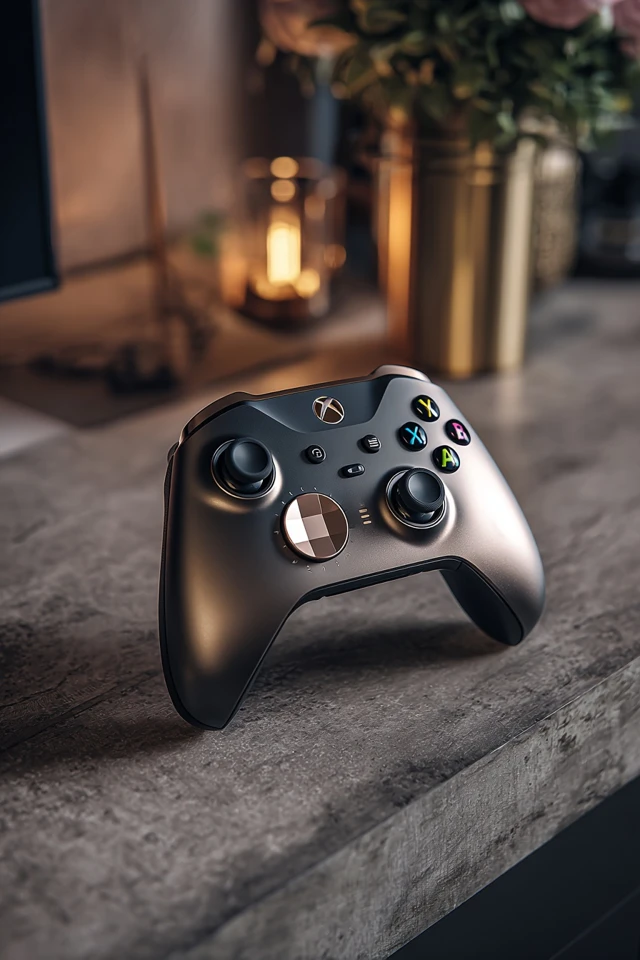
- A play surface: a console setup, a gaming desk, a card table or a game table with a fold-away top.
- Storage: closed cabinets for clutter, open shelves for a few games and objects you like looking at.
- A drink station: a mini fridge or a small cart keeps people from leaving the room mid-game.
- Soft surfaces: a rug, curtains and upholstered pieces to calm the echo.
Which layout works best?
Point the main seating at the screen, and angle one or two extra chairs so people can talk without craning their necks. Keep seating a comfortable distance from the screen and put the brightest window light to the side of it, not behind or in front, to avoid glare.
Modular pieces make the room flexible. A sectional can be rearranged, ottomans with storage double as extra seats, and nesting tables disappear when you need floor space.
Game room ideas for small rooms
Small rooms need to work vertically. Mount the TV on the wall, add shelves above eye level for games and decor, and pick furniture that does two jobs. A fold-down table or a wall-mounted desk gives you a play surface only when you need it. Stackable stools can live in a closet between sessions. A mirror on a side wall bounces light and makes the room feel a bit wider, though keep it away from the screen's reflection path.
Large rooms
In a big room the risk is that everything floats in the middle and nothing feels cozy. Use bigger rugs, group seating into clusters and give each activity its own pool of light. A competitive PC corner can sit apart from the lounge so spectators don't crowd the players.
How do you light a game room?
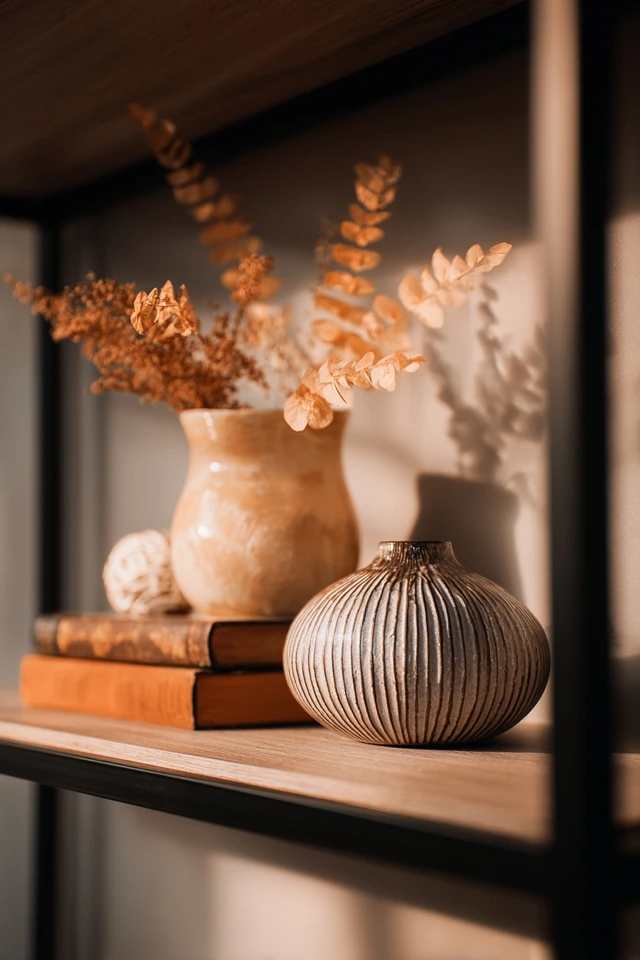
Layer three kinds of light: general light overhead, task light where you read cards or score, and accent light on shelves, art or the wall behind the screen. Dimmers on the overhead lights are worth the small extra cost, since the room needs to be bright for board games and dim for movies.
Color temperature matters too. Warmer bulbs (around 2,700-3,000K) feel relaxed and social, while cooler ones (around 4,000-5,000K) feel sharper and suit a desk where you need to focus. Bias-lighting strips behind the screen reduce the contrast between a bright display and a dark wall, and RGB strips are fun as an accent. Pick one or two colors rather than the whole rainbow, and the room will still look good with the effects off.
If the room has windows, add curtains that block glare during the day. Heavy fabric also helps with sound.
Which colors and style suit modern game room ideas?
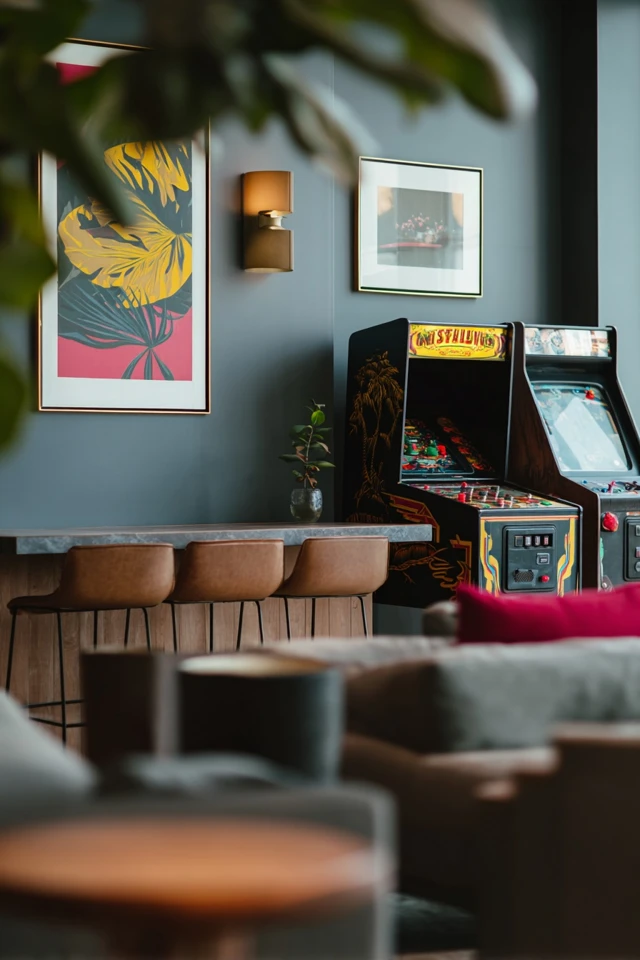
Modern game rooms usually pair a calm base with one or two strong accents. A charcoal or warm gray base with deep green or teal accents is an easy starting point, and wood tones keep it from feeling cold. Saturated colors are lively, so use them on one wall, a rug or art, not on every surface during long play sessions.
Matte finishes absorb light and read softer on screen-facing walls, while glossy surfaces bounce light and can create reflections in the display. That's one reason I'd choose matte paint on the wall behind or beside the TV.
Test paint samples on more than one wall and look at them in daylight and at night, since a game room is often used after dark.
How do you keep a game room organized?
Storage decides whether the room stays fun. Closed cabinets or lidded baskets hide controllers, chargers and boxes. Label bins by type so kids and guests can put things back. Use open shelving for a short display of favorite games, collectibles or framed art, and keep it edited.
Plan for cables early. A power strip mounted behind a console cabinet and a few cable clips on the wall save you from the tangle that tends to form behind every TV. If you have a dog, keep cords out of reach and ask your vet if you're concerned about chewing.
Video game room ideas and PC setups
For a gaming room setup, the chair and desk come first. Choose a chair with real lumbar support and adjustable height, and set the monitor so the top edge sits near eye level. Give the desk enough depth to keep the screen at arm's length or a bit more.
For PC game room ideas, put the tower where it can breathe and where dust is easy to clean. A rug under the desk chair protects the floor, and a low-pile one rolls more easily. If you play with a headset, you can skip some acoustic treatment, but a few soft surfaces still help anyone else in the room.
Soft surfaces for better sound
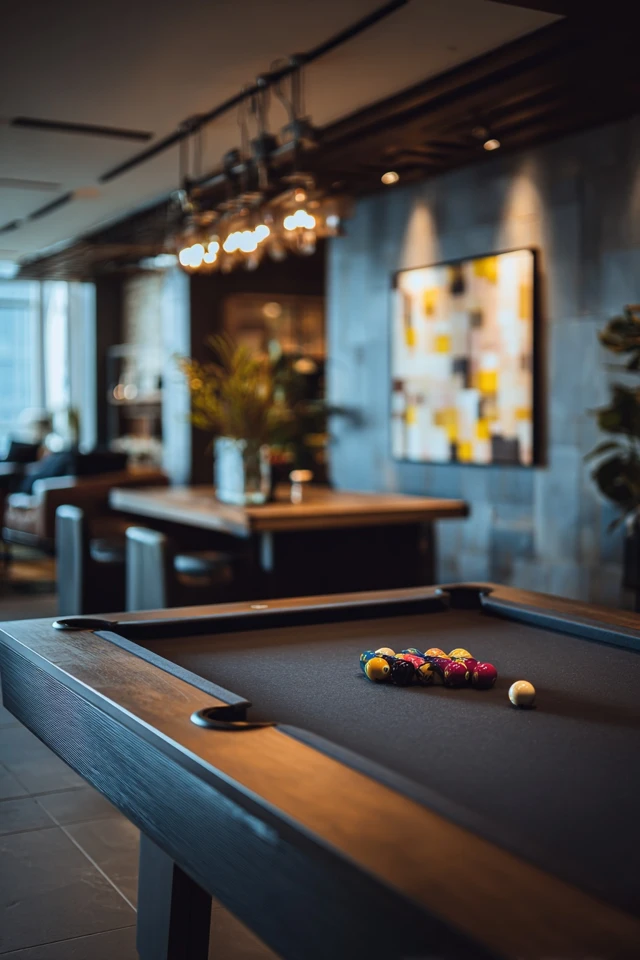
Hard floors, bare walls and a big TV make an echoey room. Rugs, upholstered seating, heavy curtains and bookshelves all absorb sound. Fabric-wrapped acoustic panels can double as art on the wall. For seating, performance fabrics hold up to spills and snacks, and removable covers are easy to wash. If a dog shares the sofa, I recommend washable covers.
Game room ideas on a budget
You don't need a pool table to make a room feel like a game room. Spend where you'll feel it every day, and save on the rest.
- Buy one good seat or sofa and fill in with secondhand stools or poufs.
- Paint one wall a deeper color and hang a few framed posters or game art.
- Add plug-in LED strips and a dimmable lamp instead of rewiring.
- Use a sturdy folding table for board games, and store it behind a door.
- Use inexpensive shelving and baskets for storage.
Small game room ideas for adults can lean on the same tricks: a compact bar cart, a good lamp and a comfortable chair for reading or a solo match give you a grown-up retreat without a big build.
If you're converting a lower level, our basement office ideas cover lighting and layout in a similar space. For wall texture and warmth, see wood paneling ideas, and for a darker, moodier palette, the masculine living room guide has color pairings that carry over well.
Finishing touches
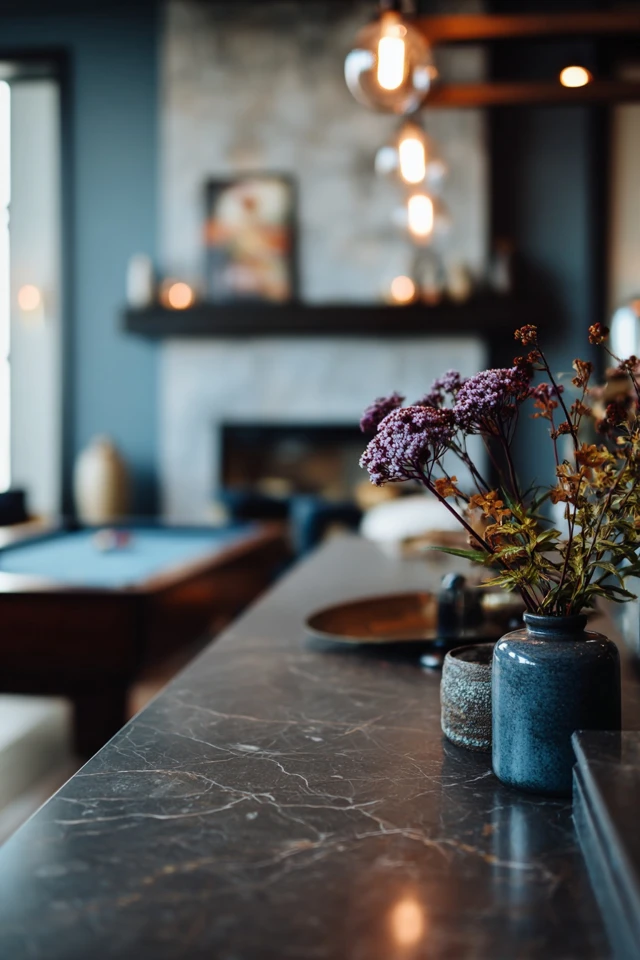
Add a plant or two for softness, and group decor in odd numbers if you like that look. Keep personal items, like game art or a small collection, in one place so the room looks intentional. If the game room shares space with the family area, the small family room ideas with a TV have layouts that handle the screen well.
Frequently asked questions
What are the must-haves in a gaming room?
Comfortable seating, a desk or play surface at the right height, layered lighting and storage for cables and controllers. Soft surfaces like a rug and curtains also help control echo.
What are some ideas for a game room on a budget?
Paint one accent wall, add plug-in LED strips, use a folding table and buy one quality seat. Secondhand stools, baskets and framed posters fill the rest.
How can I make a small game room feel larger?
Mount the screen on the wall, use shelves above eye level and pick multipurpose furniture. Keep the palette light on the larger surfaces and keep walkways clear.
What are some good ideas for a gaming room?
Zone the room by activity, add dimmable layered lighting, and hide clutter in closed storage. A comfortable chair and a clear sightline to the screen matter most.
Filed under
ArticlesMeet the author
Written by an architect.
Julio Arco is a passionate architect with years of experience in architecture, interior design, urban design, and housing. He studied at prestigious universities across North America and Europe.

- Name
- Julio Arco
- Job
- Architect and online interior designer
- Studied
- Architecture, ITESM · Urban Design and Housing, McGill
- Partner
- Thor, Australian Shepherd
- Thor’s title
- Head of quality control