Game Room Ideas for an Attic That Feel Effortless

By Julio Arco
Architect and online interior designer
In this post
- How do you design a game room in an attic?
- What to put in a game room
- Gaming room setup ideas for screens and consoles
- Game room ideas for small rooms and small attics
- Which colors work in an attic game room?
- Lighting and acoustics
- Materials that survive game night
- Budget-friendly ways to finish the room
- Frequently asked questions
An attic makes a very good game room. It's out of the way, the noise stays upstairs, and the sloped ceilings give it a cozy, den-like feel. The trick is to put the tall things where the ceiling is tall, the low things under the slope, and to keep a clear path between them.
Below are game room ideas that suit attics of any size, from layout and lighting to storage, seating and finishes.
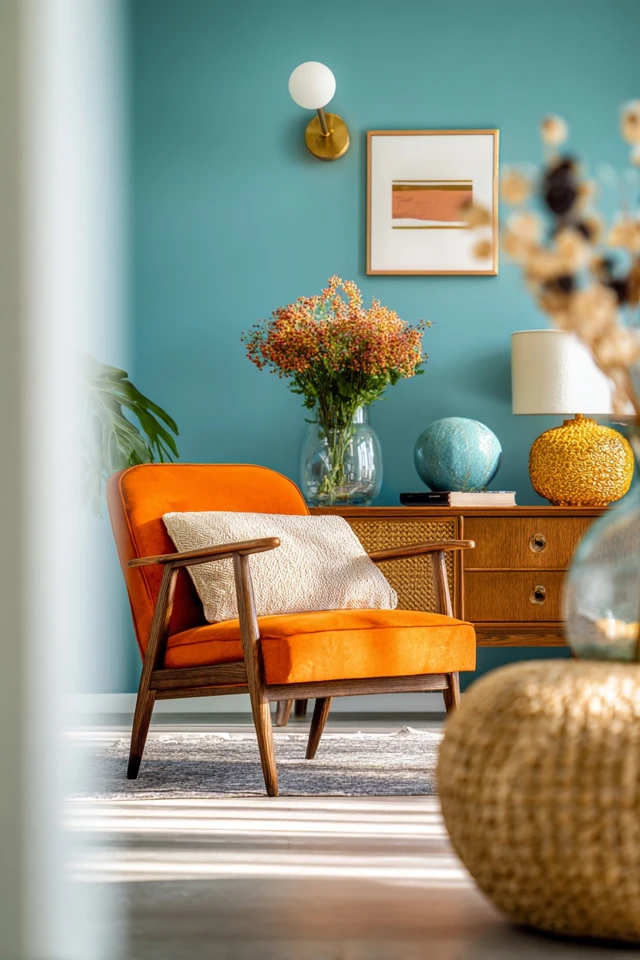
How do you design a game room in an attic?
If you're wondering how to design a game room, start with a list of what people will actually do up there: console gaming, board games, a bar cart, a reading corner. Then give each activity its own zone. Sketch a simple floor plan on paper before you buy anything, and mark where the ceiling is too low to stand.
Use the headroom wisely
Standing-height areas belong in the center, under the ridge. Put low sofas, floor seating and storage under the eaves. A tall bookshelf on one side balances a low sofa on the other, so the room doesn't feel lopsided.
Keep the paths clear
Leave about 24-30 inches for walking routes. Think about how someone gets from the stairs to the snacks to the screen with a drink in hand. If that path is blocked by a pouf, move the pouf.
Zone with rugs and lights
A round rug under a game table makes a small island for conversation. A sectional facing the screen makes a separate lounge zone. You don't need walls to divide an attic; a rug and a lamp do the job. If you want something more defined, a room divider can mark off the gaming area.
What to put in a game room
The must-haves are fewer than most lists suggest:
- Comfortable seating that suits the main activity: low and deep for video games, upright for table games.
- A sturdy table at a comfortable height for cards, board games or puzzles.
- Storage that makes cleaning up take two minutes.
- Layered lighting you can dim.
- Something soft on the floor to absorb sound.
Everything else, such as a bar cart, arcade cabinet or dartboard, is a bonus. Add one at a time, and only if you'll use it.
Gaming room setup ideas for screens and consoles
For a screen setup, place the seating so the screen sits away from the windows to cut glare. Put a small cart or cabinet near the sofa for controllers, cards and chargers. It keeps surfaces clear and saves you hunting for a remote. If your attic doubles as a TV lounge, the ideas in this TV room design post carry over well, and there's more on consoles in these video game room ideas.
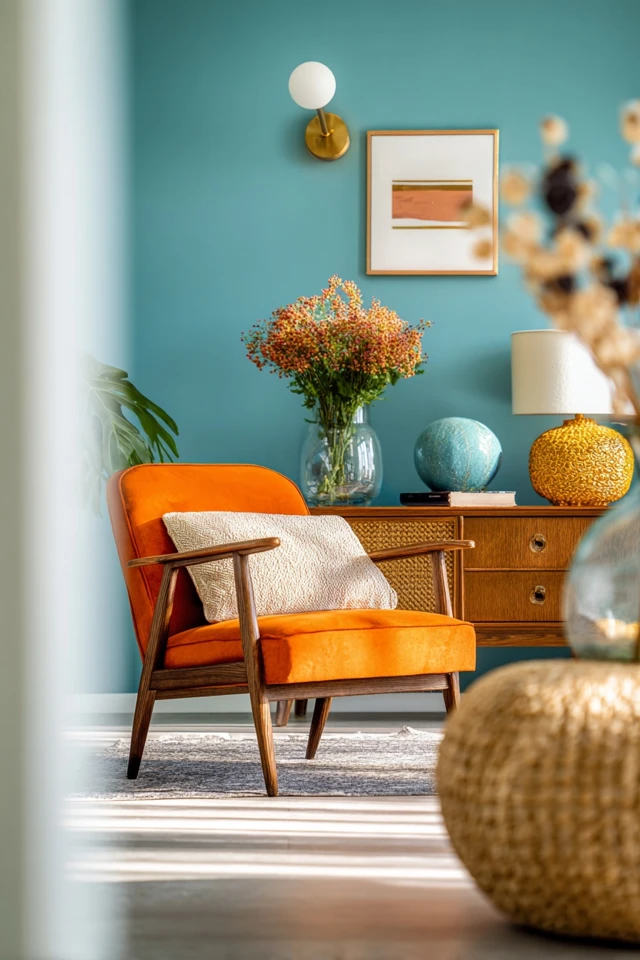
Game room ideas for small rooms and small attics
Small game room ideas for adults mostly come down to multitasking furniture. Ottomans that work as seats and footrests, nesting side tables, stackable chairs and a table that doubles as a desk all earn their space.
- Build storage into the knee walls under the eaves, with labeled pull-out bins or drawers.
- Go vertical with shelves for games and displays wherever the ceiling allows.
- Use one flooring material throughout so the room reads as larger.
- Paint walls a light, slightly reflective finish to bounce what daylight you have.
As an architect, I'd skip a big sectional in a small attic and choose a compact sofa plus two poufs. You can rearrange them for ten people or two.
Which colors work in an attic game room?
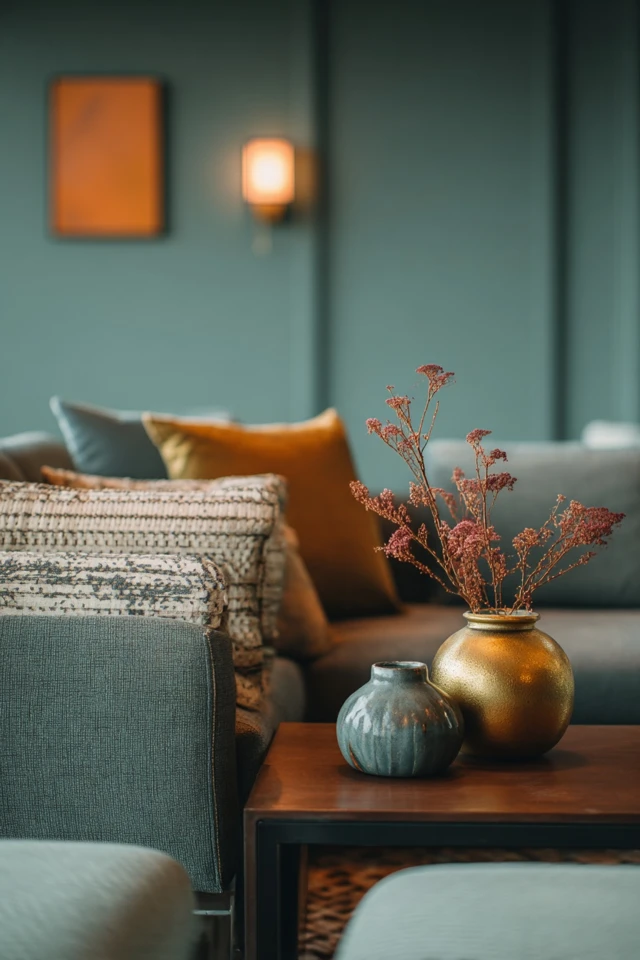
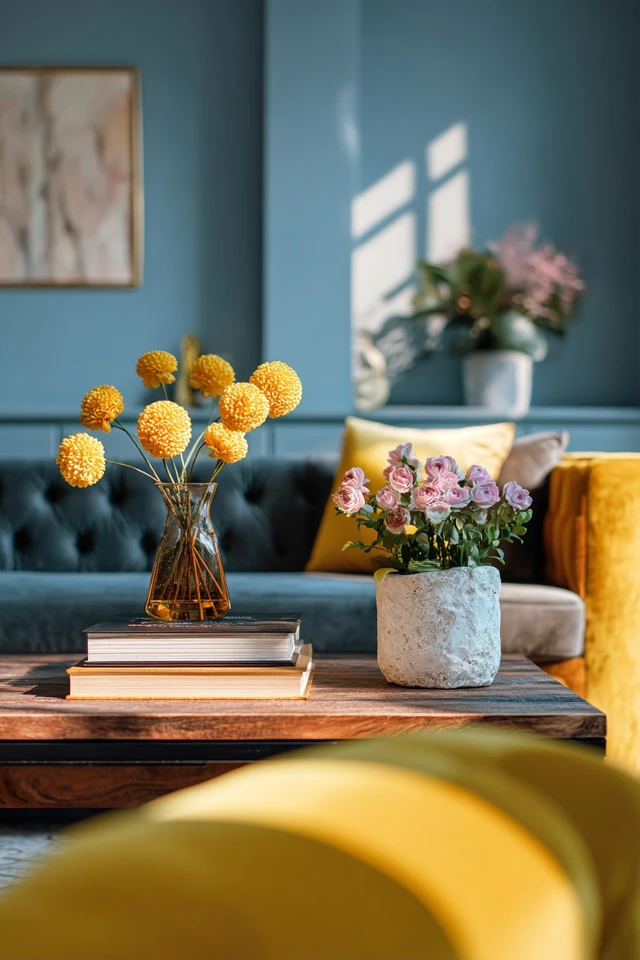
Decide on the mood first. Muted earth tones such as warm gray, taupe and olive suit a relaxed room for board games and reading. If you want more energy, keep the walls neutral and bring in one or two saturated accents, like mustard, teal or coral, on a feature wall or a piece of furniture.
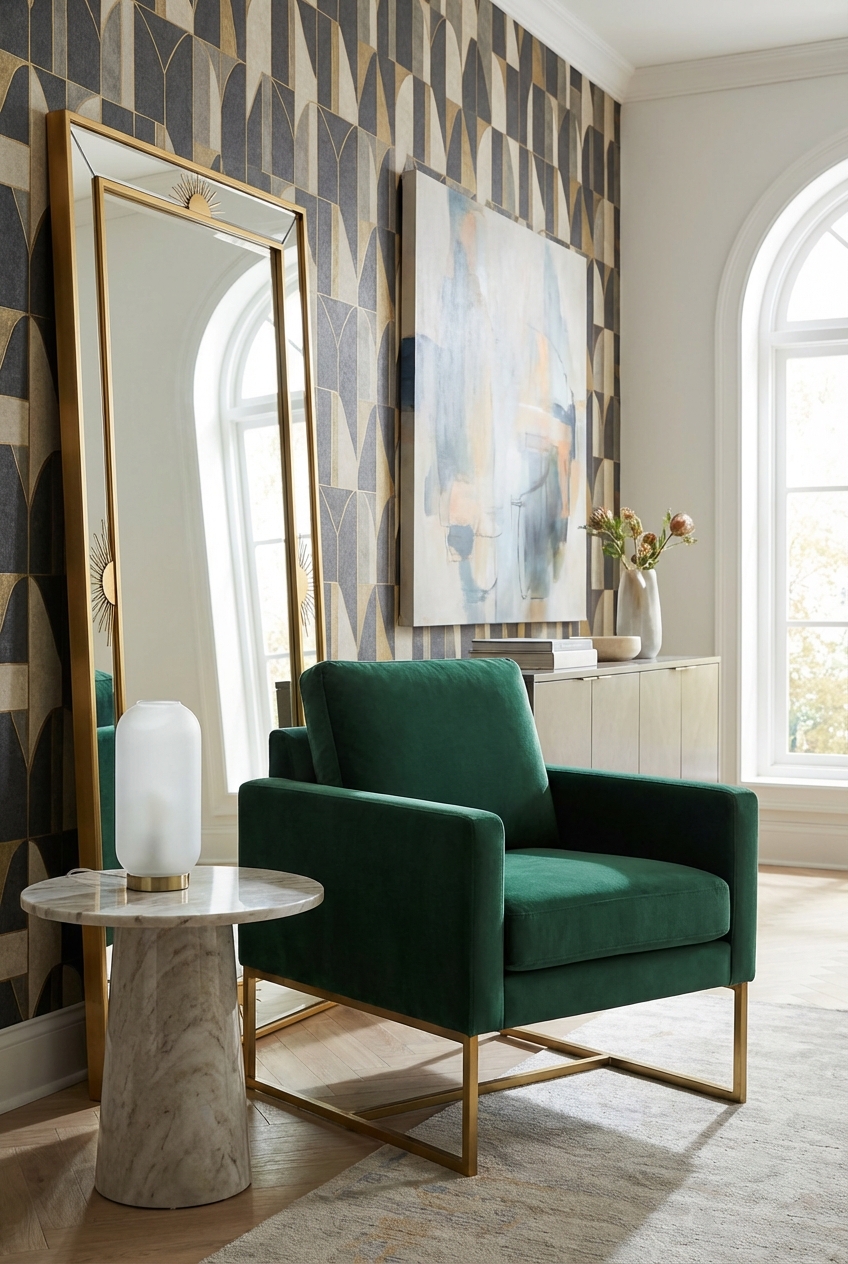
Dark colors with high contrast, such as navy with brass, help separate zones, like the console corner and the table. Attics often have few windows, so test paint samples at different times of day. Cooler light makes bright colors look sharper, and warm lamps soften them.
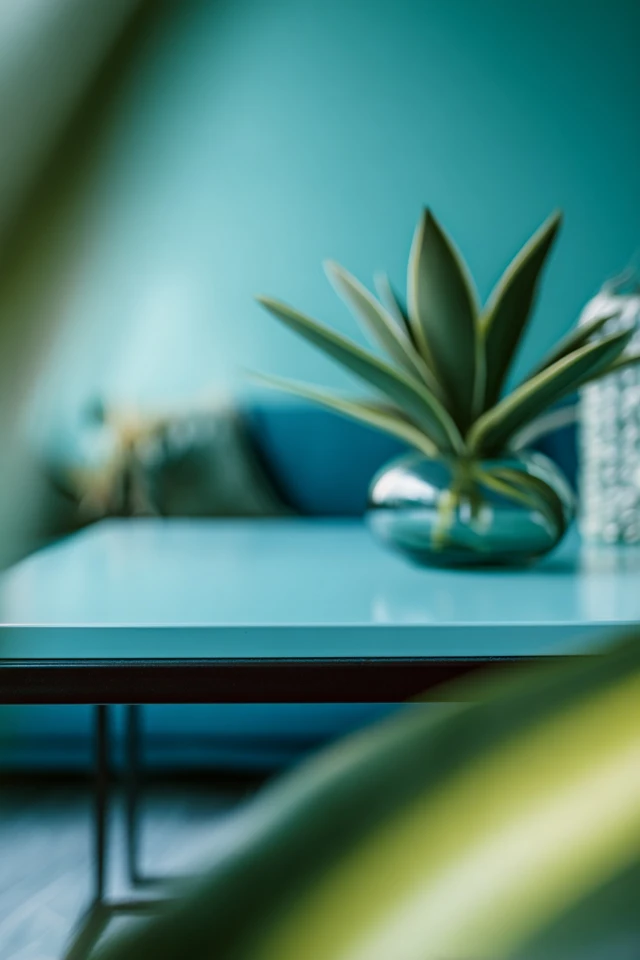
Lighting and acoustics
Use three layers: ambient light for the whole room, task light over the table, and accent light on shelves or art. Board games need even, shadow-free light, such as an adjustable pendant. Video games look better with dimmable ambient light, and a strip of LEDs behind the screen adds atmosphere and cuts glare.
Attics can echo, especially with bare wood floors. Rugs, curtains, upholstered seating and a full bookcase all absorb sound. Acoustic panels work too, and some come in fabric finishes that look like art.
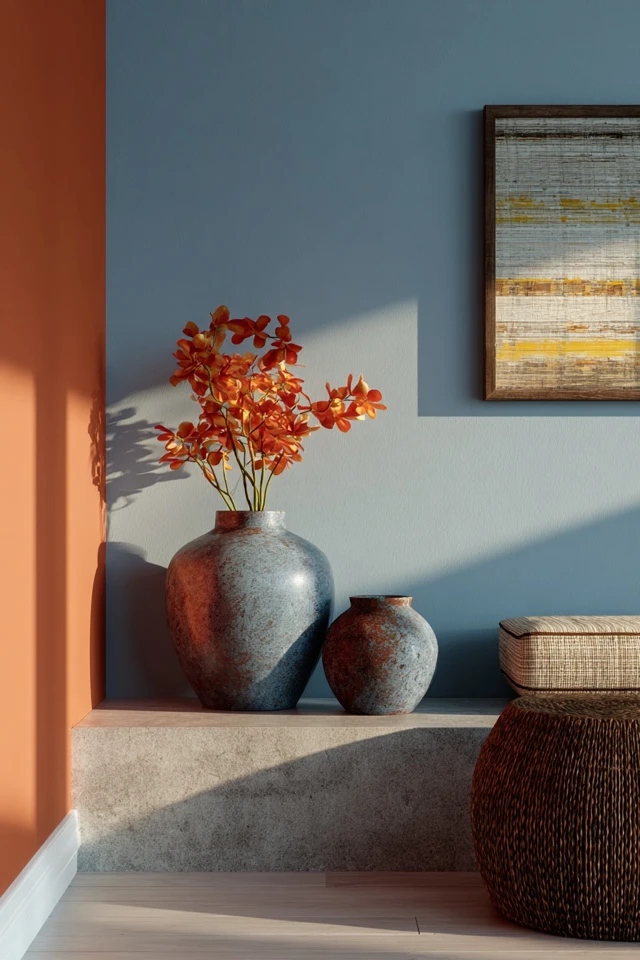
Materials that survive game night
Pick finishes that forgive spills and scuffs. Matte paint hides marks better than gloss. A wood tabletop with a durable finish wipes clean, and performance fabrics on the sofa handle snacks, and pets too. If a dog or cat is allowed up there, a washable rug and washable covers make life easier.
Mix textures so the room doesn't feel flat: smooth table, plush seating, woven baskets, a little metal. A single wood tone repeated on the shelves, frames and table ties it together. For a more layered look, see how this eclectic living room mixes patterns and materials.
Budget-friendly ways to finish the room
- Start with paint and lighting. They change the room more than any single piece of furniture.
- Buy the table and sofa well, and keep accessories cheap so you can swap them.
- Use one or two trend items, like an arcade-style sign or LED strips, and keep the rest classic.
- Add low-light plants such as snake plants or pothos for softness.
- Make a mood board with paint swatches and fabric samples before you spend anything.
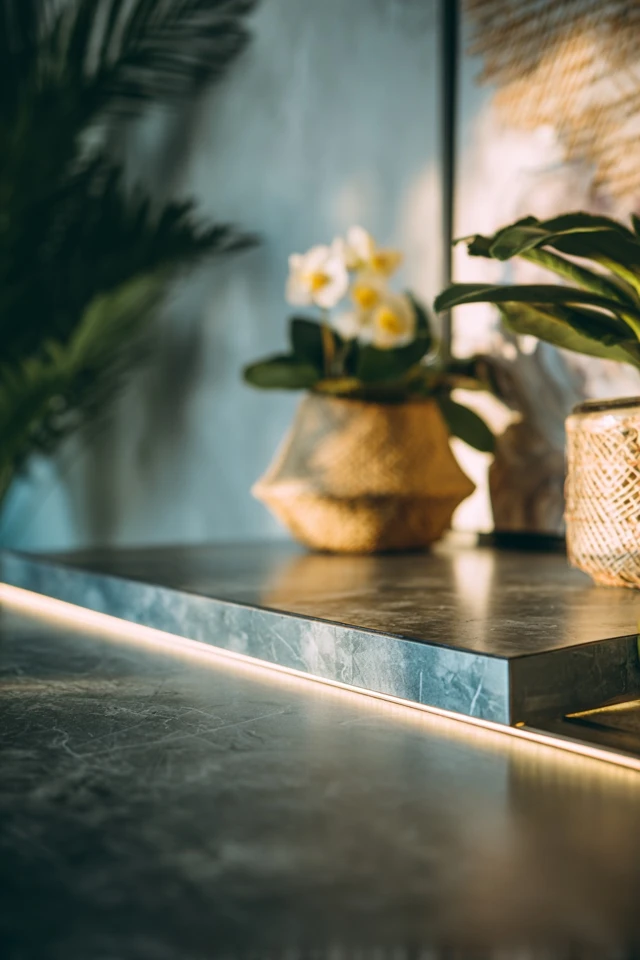
Personal objects, like family trophies or travel finds, make the room yours. I recommend adding them last, once the layout is settled, so they don't end up in the walking path.
Frequently asked questions
What should I put in a game room?
Comfortable seating, a sturdy table, storage for games and controllers, dimmable lighting and a rug to soften sound. Add extras like a bar cart or arcade piece only once the basics work.
What are some ideas for a game room on a budget?
Spend on paint, lighting and one solid table or sofa, then keep accessories inexpensive. Secondhand shelves, rugs and seating work well if you stick to one wood tone and a small palette.
How can I make a small attic feel larger?
Use light colors, one continuous flooring material and vertical storage. Keep walking paths clear and choose furniture that does two jobs.
What lighting is best for board games versus video games?
Board games need even task lighting over the table, such as an adjustable pendant or lamp. Video games work better with dimmable ambient light that reduces glare on the screen.
Filed under
ArticlesMeet the author
Written by an architect.
Julio Arco is a passionate architect with years of experience in architecture, interior design, urban design, and housing. He studied at prestigious universities across North America and Europe.

- Name
- Julio Arco
- Job
- Architect and online interior designer
- Studied
- Architecture, ITESM · Urban Design and Housing, McGill
- Partner
- Thor, Australian Shepherd
- Thor’s title
- Head of quality control