Gorgeous Video Game Room Ideas Decor That Feels Effortless
Practical game room ideas for adults: layout, seating, lighting, sound, storage and small-space and budget setups, from an architect.

By Julio Arco
Architect and online interior designer
In this post
A good game room needs four things: a screen you can see without glare, a seat you can sit in for hours, sound that doesn't bounce around, and a place to hide the cables. Style comes after that, and it's easier than you'd think.
These video game room ideas work in a spare bedroom, a basement corner or a shared living room. Start with the layout, then add lighting, texture and storage.
How do you design a game room?
Work in this order: zones, seating and screen, lighting, sound, storage, then decor. Decor is the cheapest thing to change later, so it goes last.
Split the room into a play area, a lounge spot and a display or storage wall. Rugs, lamps and the way you angle furniture can mark the zones without any dividers. If the room is open to the rest of the house, a room divider can separate the noise and the light.
What to put in a game room
- A screen (monitor, TV or projector) at a comfortable distance
- Seating that supports you: a desk chair, a sofa or both
- Layered lighting you can dim
- A rug, curtains or panels to soften sound
- Closed storage for consoles and cables, open shelves for the things you like to show
- A side table for drinks and controllers
Extras like a pool table, pinball machine or bar only make sense if you can leave about 3 feet of clearance around them. Otherwise skip them and spend the money on seating.
Choose a theme and keep it to one idea
A theme can be a color story, a material or a game world. Pick one and repeat it. A single material, such as warm wood on the desk and shelves, ties a room together more calmly than five matching posters.
A neutral base (gray, beige, deep green) with two accent colors is easy to refresh. Swap cushions or art when you get bored instead of repainting. For a darker, moodier look, matte paint on the walls cuts reflections on screens. Glossy walls bounce light back at you and make glare worse.
Lighting: how to get the glow without the glare
Use three layers: ambient light from a ceiling fixture or lamp, task light at the desk, and accent light such as LED strips behind the monitor or under shelves. Put them on separate switches or dimmers so you can go from bright (cleaning, board games) to low (night sessions).
Place the screen at a right angle to windows, not in front of or opposite them. Blackout or lined curtains help a lot in daytime play. Bias lighting behind a monitor is also easier on the eyes than a bright screen in a dark room, and it looks good.
Seating and ergonomics
You'll sit here a long time, so this is the place to spend. The top of the screen should sit at about eye level, and your elbows should rest near 90 degrees at the keyboard or controller. As an architect, I'd pick a chair with adjustable height and lumbar support over a flashier one that only adjusts a little.
For console and couch play, a deep sofa with a washable cover is practical, especially if a dog shares it. Performance fabrics and tight weaves resist claws better than loose knits. If you want a cozy, TV-first layout, these TV room design ideas pair well with a gaming setup.
Sound: soften the room
Hard, parallel surfaces bounce sound back and forth. A thick rug, lined curtains, a bookshelf and fabric-covered panels all break that up. Put panels where sound first hits: the walls beside and behind your seat, and the wall behind the screen. You don't need to cover everything.
If the room shares a wall with a bedroom, add weatherstripping to the door and put heavy furniture or shelving against that wall.
Storage and cable management
Closed cabinets hide consoles, controllers and routers. Open shelves are for the things worth looking at, like favorite games, figures or framed art. Keep the display away from direct sun, which fades boxes and posters.
Plan the cables early. Use a cable tray under the desk, adhesive channels along the baseboard and a power strip with surge protection mounted out of sight. For anything involving new outlets or wiring inside walls, hire a licensed electrician. If your dog likes to chew, keep cords behind furniture or in covered channels.
Game room ideas for small rooms and budgets
In a small room, go vertical and go light. Use wall shelves, a compact desk with a monitor arm and a loveseat or a pair of floor chairs. A fold-down table or nesting side tables can be put away when you aren't playing.
For a game room on a budget, put money into the chair and the screen first. Then spend little on the rest:
- Plug-in LED strips and a lamp with a dimmer bulb instead of new fixtures
- Paint one wall in a deep, matte color
- Thrifted shelves and a secondhand sofa with a new washable cover
- A large rug to deal with echo
- Framed prints or game posters in matching frames
If you're using an attic or similar odd-shaped space, these attic game room ideas deal with sloped ceilings. For more layouts, see modern video game room inspiration.
Add plants and texture last
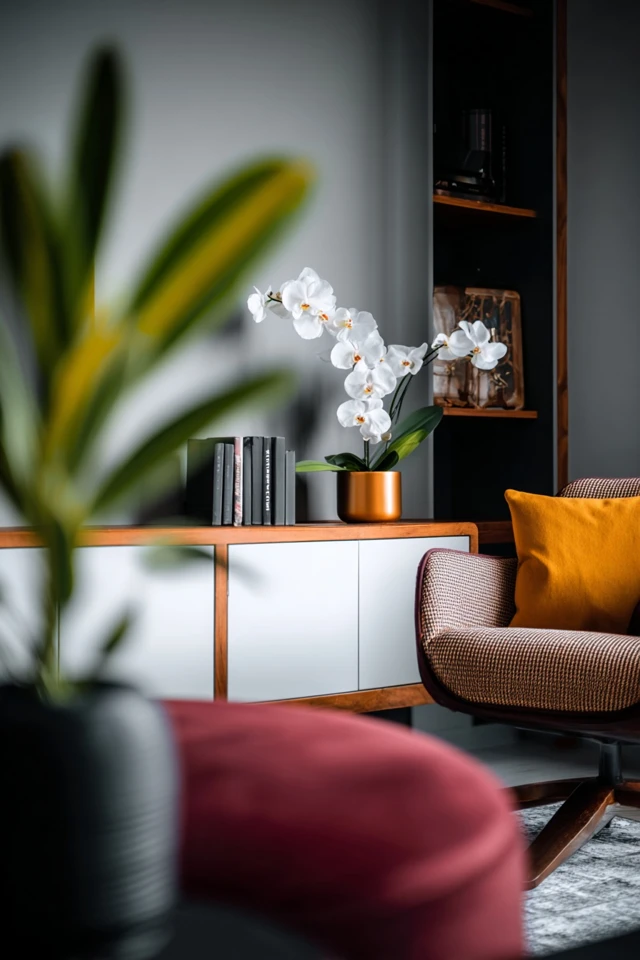
Tech-heavy rooms can feel cold. A rug, a throw, a wood shelf or a woven hanging softens them. A plant helps too, but check with your vet or the ASPCA's plant list before putting anything within reach of a dog or cat. A fake plant is a fine choice in a windowless room.
Frequently asked questions
What should I put in a game room?
Start with a screen, a comfortable seat, dimmable lighting, a rug or panels for sound, and storage that hides cables. Add a table, display shelves or a bar once those basics fit.
What are some ideas for a game room on a budget?
Spend on the chair and screen, then use LED strips, a lamp, one painted wall and a big rug. Secondhand shelves and a sofa with a washable cover cost far less than new furniture.
What are the must-haves in a gaming room?
A supportive chair, a screen placed away from glare, good cable management and some way to soften sound. Everything else is optional.
How can I make a small game room feel bigger?
Use light or matte wall colors, wall-mounted shelves and a monitor arm to free up surface space. Keep furniture slim and leave a clear path to the door.
Filed under
ArticlesMeet the author
Written by an architect.
Julio Arco is a passionate architect with years of experience in architecture, interior design, urban design, and housing. He studied at prestigious universities across North America and Europe.

- Name
- Julio Arco
- Job
- Architect and online interior designer
- Studied
- Architecture, ITESM · Urban Design and Housing, McGill
- Partner
- Thor, Australian Shepherd
- Thor’s title
- Head of quality control