Modern Victorian Sitting Room Ideas That Feel Livable
Learn how to build a modern Victorian sitting room: color palettes, layout rules, textures and pet-friendly fabrics that keep period charm livable.

By Julio Arco
Architect and online interior designer

In this post
A modern Victorian sitting room keeps the period's best habits (symmetry around a fireplace, deep color, layered textiles, tall proportions) and drops the clutter. Pick one dominant color, anchor the seating to a focal point, and mix old and new pieces so the room reads as collected rather than costumed.
If your home isn't a true Victorian, that's fine. These ideas work in a flat, a new build or an older house, because they rely on proportion and layering more than on original details.

What makes a sitting room modern Victorian?
Victorian rooms were built on a few clear principles: balance, contrast, scale and repetition. The modern version keeps those and edits the objects. In the United States, the Victorian era overlaps with styles like the Italianate, which the National Park Service says was most prevalent in America between the 1850s and the 1880s. Its dominant feature was a low, overhanging roof with decorative eave brackets, so ornament at the edges of a form is a long-standing habit of the period.
Indoors, that translates to moldings, mantels and a love of detail. You don't need all of it. One carved mantel, a picture rail or a set of tall curtains is enough to set the tone.
Balance without stiffness
Victorian parlors often placed matching sofas or chairs on either side of the fireplace. That symmetry feels calm, and I recommend keeping it for the main seating group. Then break it on purpose with one asymmetrical piece, such as a single sculptural lamp or an off-center piece of art, so the room doesn't feel like a showroom.
Scale and ceiling height
Tall ceilings were part of the original look. If yours are low, hang curtains close to the ceiling, choose a tall mirror and use vertical art to draw the eye up. In a very tall room, group seating into a tighter cluster so people still feel comfortable at human scale.
Which colors work in a modern Victorian sitting room?
Deep, slightly muted tones such as navy, forest green and oxblood suit the style. Pair them with softer neutrals like warm greige, ivory or pale mushroom so the room doesn't feel heavy. A good rule is to pick one dominant color (walls or a large rug), one secondary (sofa, curtains) and a small accent (pillows, trim).
Light changes everything. A south-facing room makes dark colors look lively, while a north-facing room can turn the same green cold and bluish. Sample paint on at least two walls and look at it in the morning and evening before you commit. Warm bulbs also protect the cozy mood, since cool white light reads more contemporary.

How should you arrange the furniture?
Start with what you actually do in the room: talk, read, watch TV. Then choose a focal point, usually a fireplace, a large window or a console, and face the seating toward it.
- Leave about 30-36 inches for main walkways.
- In a small room, pull furniture slightly off the walls and choose slim-armed sofas and chairs with visible legs to keep sightlines open.
- In an open plan, use a rug and a console-backed sofa to mark the sitting area.
- In a large room, split the space into two smaller groupings and repeat a material or color to tie them together.
Chairs should let people see each other, and reading spots need their own lamp. For more period layout ideas, see the Victorian living room guide and the post on what a drawing room is.
Which textures and materials fit best?
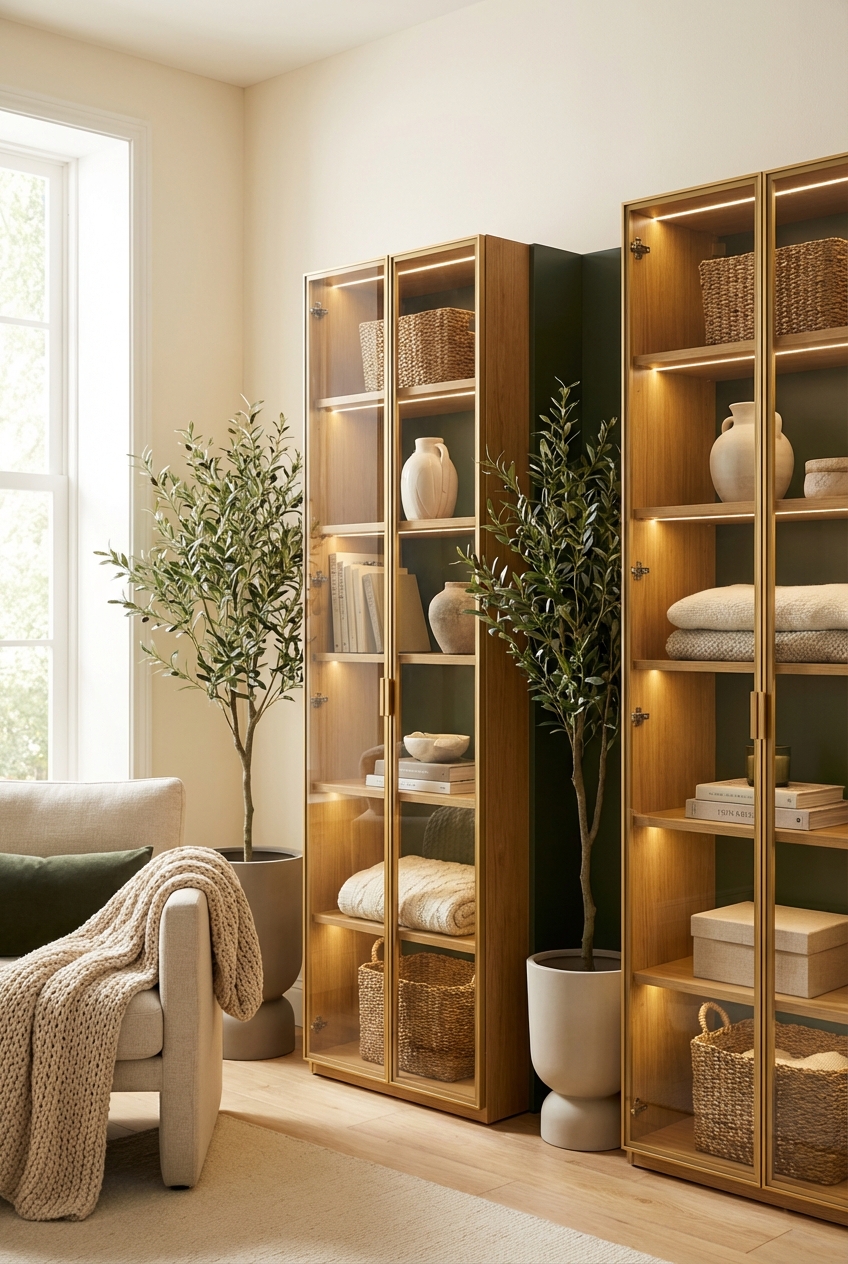
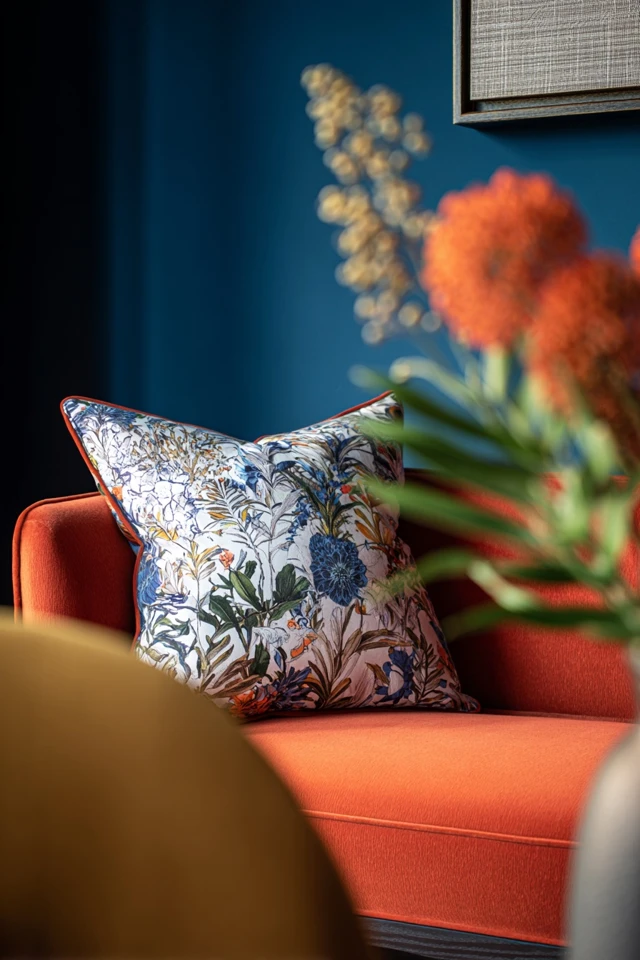
Texture is where Victorian detail meets modern comfort. Dark woods like walnut or mahogany echo the original warmth, while lighter oak keeps things current. Marble or soapstone around a fireplace adds weight, and lime plaster walls soften light nicely.
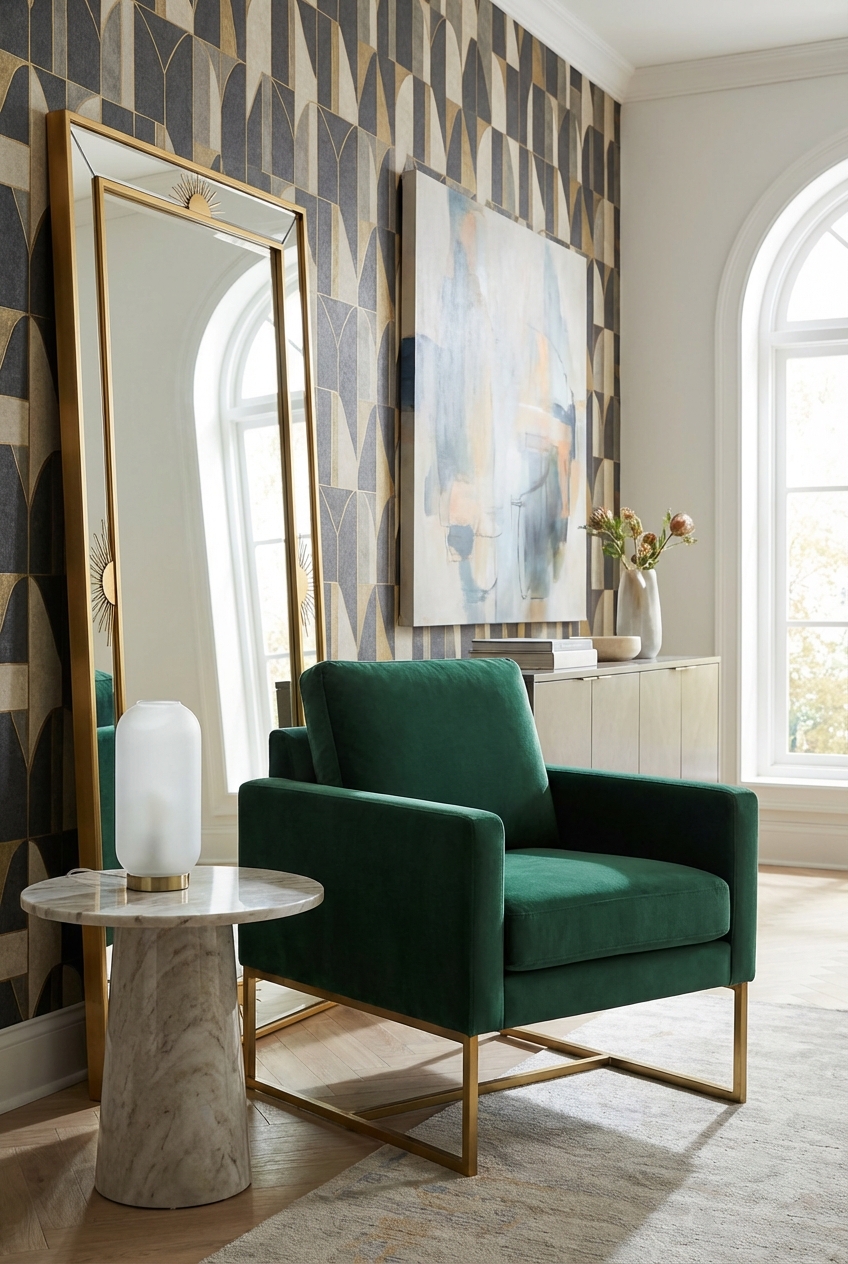
For fabrics, velvet and brocade nod to tradition. Mix them with linen, cotton or bouclé so the room doesn't feel stuffy. Metals can mix too: polished brass for period flavor, matte black or brushed nickel for restraint. Keep to two finishes.
If a dog or cat lives with you
Velvet looks right in this style but can show claw marks and hair. A tightly woven performance velvet or a washable slipcover on the pet's favorite seat is a practical compromise. As an architect, I'd also put a low-pile, washable rug under the seating group and a layered patterned rug on top only where paws don't scratch it. If you're unsure about a fabric's safety or a plant's toxicity for your pet, check with your vet.
Practical styling moves
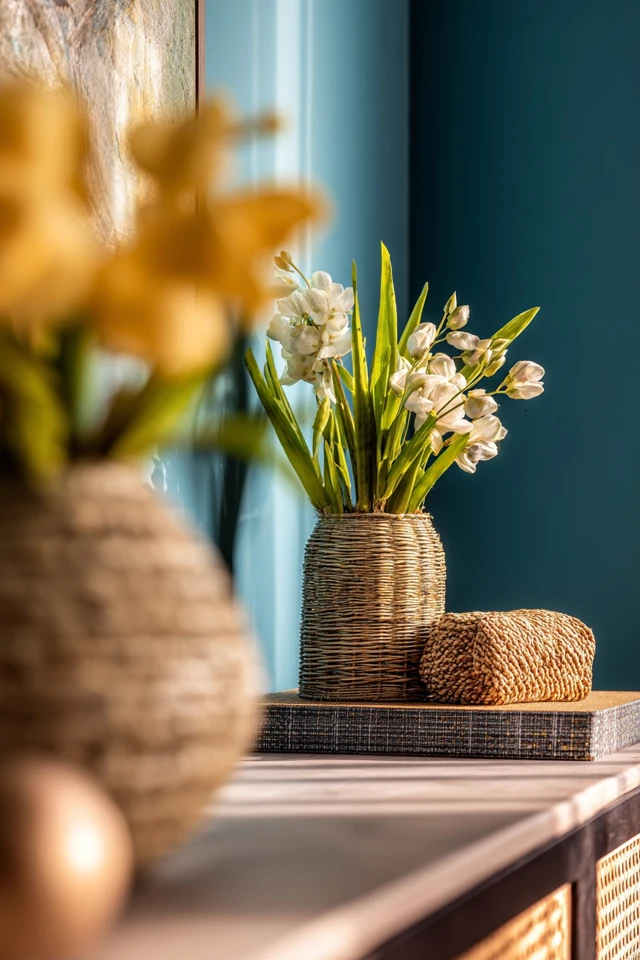
- Layer lighting: a ceiling fixture for ambient light, reading lamps for tasks, and a picture light for accent.
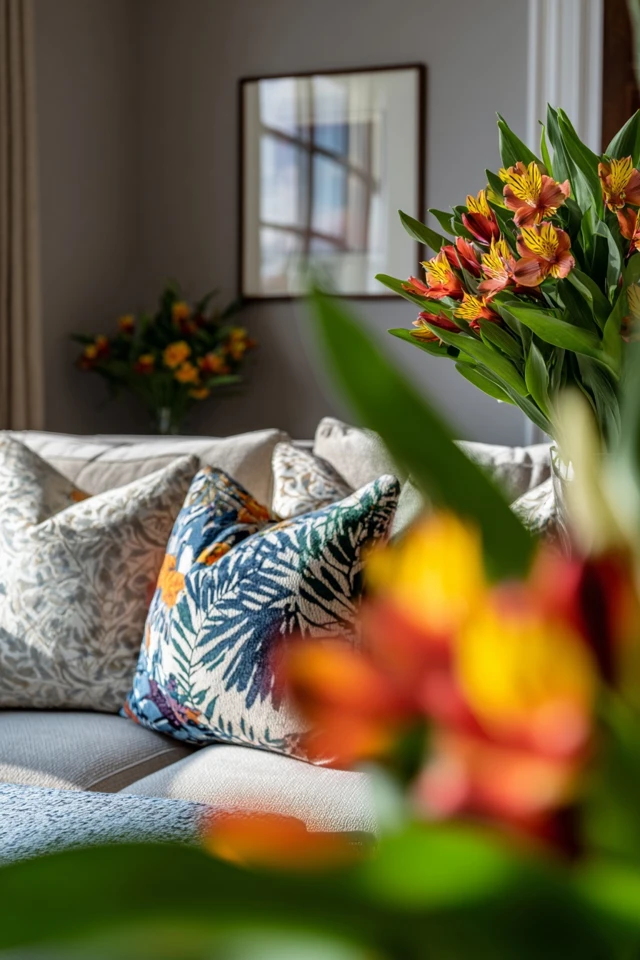
- Use one dominant pattern, one supporting pattern and one small-scale motif. Past that, the eye has nowhere to rest.
- Choose a rug large enough for at least the front legs of every seat in the group.
- Hang art with its center near eye level, and place a mirror where it reflects a window or a lamp.
- Add a large plant to soften heavy lines. Confirm it's pet-safe first.
- Build one vignette on the mantel: a few books, a candle and one striking object.
If you like the darker side of the era, the Gothic bedroom ideas use similar tools, and the Victorian bedroom post carries the palette upstairs.
How is it different from Craftsman style?
People often confuse the two because both love wood and detail. Victorian rooms lean ornate: carved mantels, tufted upholstery, patterned wallpaper. Craftsman style interior design is plainer, with built-ins, visible joinery and simple lines. The same logic applies to furniture. Craftsman style furniture is sturdy and straight-edged, while Victorian pieces curve and carve.
You can borrow from both. Modern Craftsman style interiors often keep the wood and built-in bookcases but lighten the walls, and the same restraint helps a Victorian-inspired room. If your space feels too busy, swap one ornate piece for a simple wooden one.
Blending trends with the classics
Put trends in pieces you can replace: a bold wallpaper, a curved sofa, a trendy paint color. Keep the long-term anchors classic, such as moldings, a well-made rug and good-quality seating. Add things that are yours, like books, art and heirlooms, because a Victorian-inspired room works best when it looks lived in.
For a calmer alternative that still pairs well with period pieces, try the beige living room ideas.
Frequently asked questions
How can I make a small Victorian-inspired sitting room feel larger?
Use lighter, softer wall colors, a mirror opposite a window and furniture with visible legs. Hang curtains high and add one rug large enough to unify the seating.
What paint colors go with Victorian style?
Deep green, navy and oxblood suit the period, balanced with warm neutrals like greige or cream. Test samples in your own light, since north-facing rooms can pull greens toward blue.
How do I mix patterns without making the room chaotic?
Choose one large-scale pattern, one medium and one small, all sharing a color. Keep at least one plain, textured piece to give the eye a rest.
Can I hide a TV in a Victorian-style room?
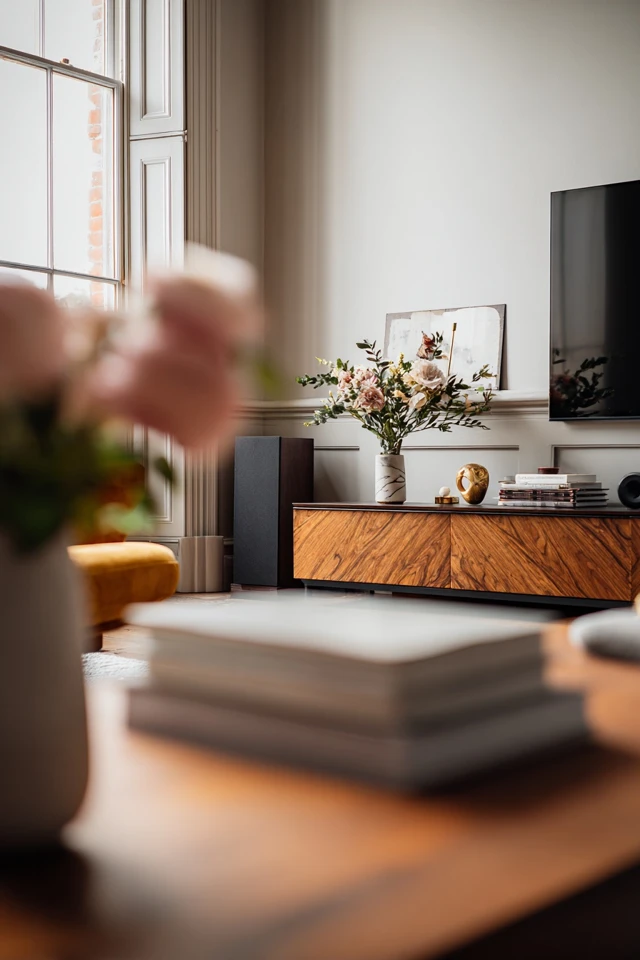
Yes. Cabinetry with doors, a framed panel or placing the screen within a built-in keeps it from dominating. Choose hardware that matches your other metals.
Filed under
ArticlesMeet the author
Written by an architect.
Julio Arco is a passionate architect with years of experience in architecture, interior design, urban design, and housing. He studied at prestigious universities across North America and Europe.

- Name
- Julio Arco
- Job
- Architect and online interior designer
- Studied
- Architecture, ITESM · Urban Design and Housing, McGill
- Partner
- Thor, Australian Shepherd
- Thor’s title
- Head of quality control