Victorian Living Room Ideas for a Modern, Livable Home

By Julio Arco
Architect and online interior designer
In this post
- What does a Victorian living room look like?
- Which colors suit a Victorian living room?
- What furniture belongs in a Victorian-style living room?
- How do you arrange a Victorian living room layout?
- How do you decorate a small Victorian living room?
- Lighting, metals and focal points
- How do you mix Victorian and modern styles?
- Frequently asked questions
A Victorian living room is built on a few repeatable moves: rich color on the walls, ornate detail at the ceiling and fireplace, layered lighting, and seating arranged for conversation. For a modern version, keep two or three of those period features and let the rest be clean-lined and practical.
That is the whole recipe behind most modern Victorian living room ideas. Below you'll find colors, furniture, layout and lighting, with notes for small rooms and homes with pets.
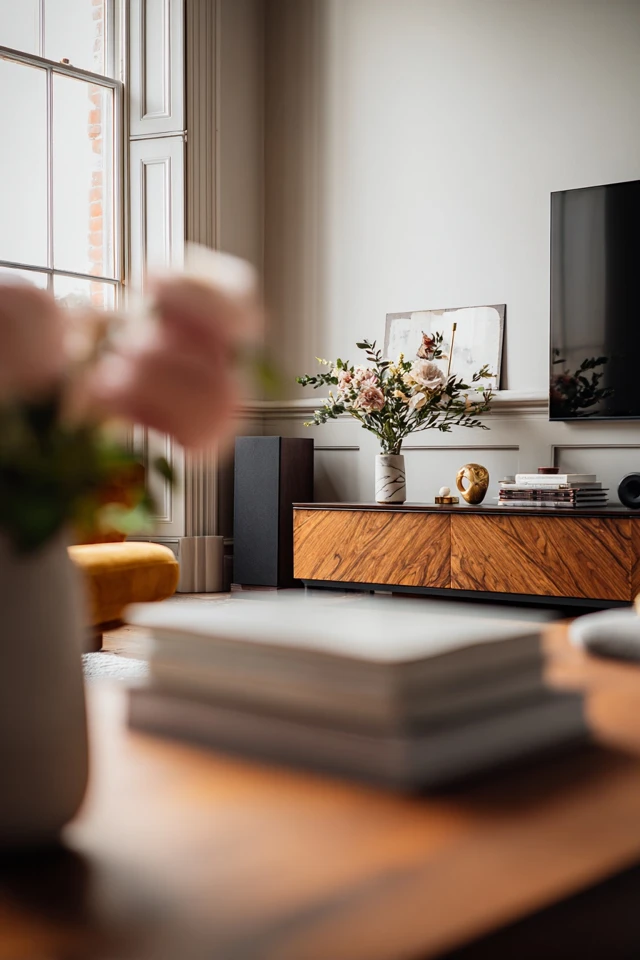
What does a Victorian living room look like?
The Victorian era produced several architectural styles in America, so there isn't one single look. The National Park Service describes the Italianate style, most prevalent between the 1850s and the 1880s, as inspired by Italian farmhouses and villa architecture, with low overhanging roofs and decorative brackets. Inside, that love of applied detail shows up as crown molding, ceiling medallions, carved fireplace surrounds and tall windows.
Typical interior traits include deep wall colors, patterned textiles, dark wood, brass or bronze hardware, and a fireplace as the focal point. The rooms were layered and full. A modern take edits that fullness down.
Which colors suit a Victorian living room?
For Victorian living room colour ideas, you have two reliable routes.
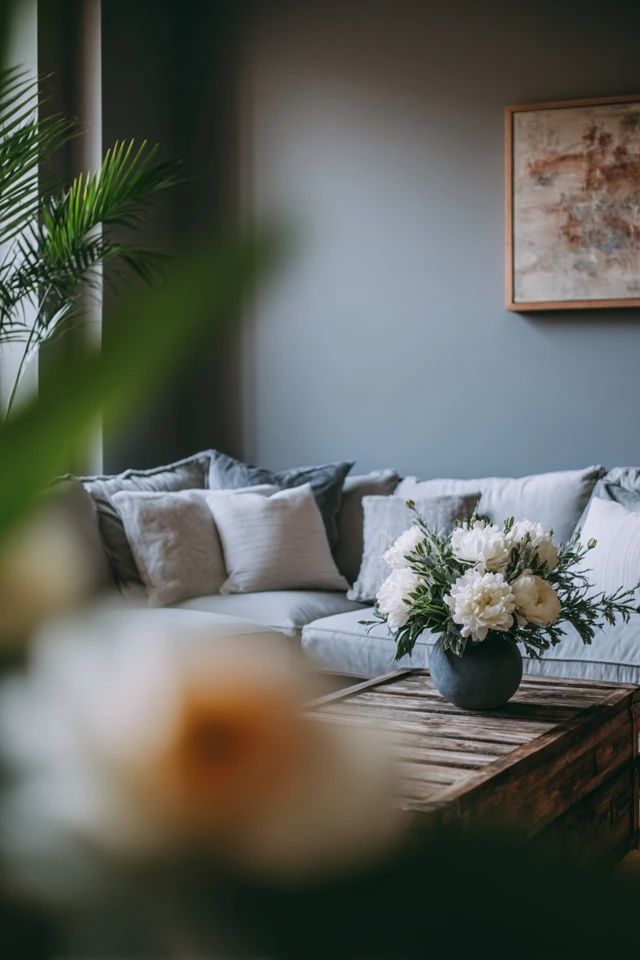
- Deep and moody: charcoal, navy, forest or emerald green, and oxblood red on the walls, with pale trim to outline the moldings.
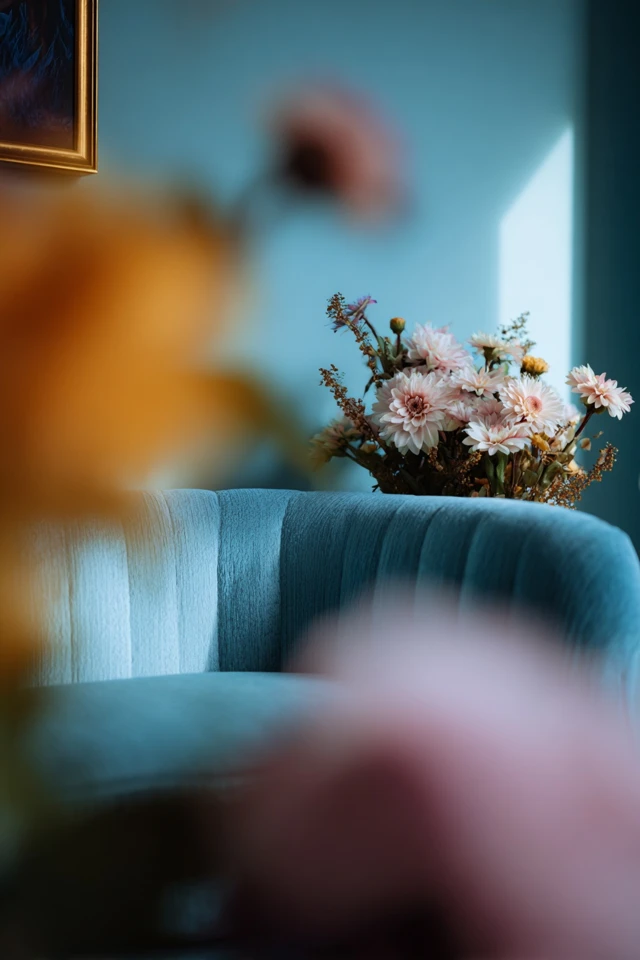
- Soft and light: cream, ivory or warm gray as the base, with one deep accent such as an upholstered chair, drapes or a single painted wall.
Dark colors absorb light and make a room feel enclosed and cozy. Light colors bounce it around and make the same room feel larger. If your room gets little daylight, I'd choose the lighter base and bring the drama in through textiles and art.
Test before you commit. Paint large swatches on a wall and look at them in morning, afternoon and evening light, because the same color reads cooler at one time and warmer at another.
What furniture belongs in a Victorian-style living room?
Victorian living room furniture tends to have curved backs, turned or slender legs, tufted or button detail and wood with a dark finish. You don't need a full set. One statement piece, such as a curved-back sofa, a carved side table or a wingback chair, carries the era on its own.
Balance it with plain neighbors. A heavy timber coffee table sits well beside slim metal-legged side tables, and an ornate mirror looks sharper above a simple console.
If a dog or cat shares the sofa, I recommend a tightly woven or performance fabric, or washable slipcovers, on the pieces they use. Velvet looks right for the period, but check that the weave doesn't snag on claws.
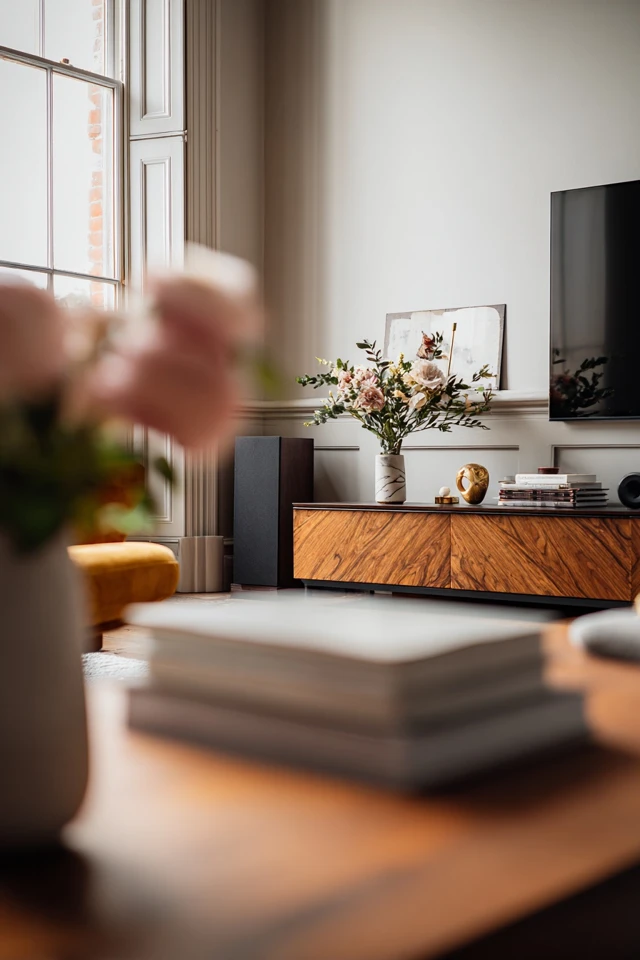
How do you arrange a Victorian living room layout?
For Victorian living room layout ideas, start with the focal point. In many period rooms that is the fireplace. If you don't have one, use a large piece of art, a window view or a bookcase wall.
- Place the main sofa facing the focal point or at a right angle to it.
- Add two chairs or a loveseat to close the circle so people face each other.
- Keep the coffee table about 14-18 inches from the sofa edge.
- Leave about 30-36 inches for main walkways.
- Anchor the group with a rug large enough that at least the front legs of every seat sit on it.
Victorian rooms were designed for company, so don't push all the furniture against the walls. Pulling seating inward makes conversation easier and leaves a clear path behind it.
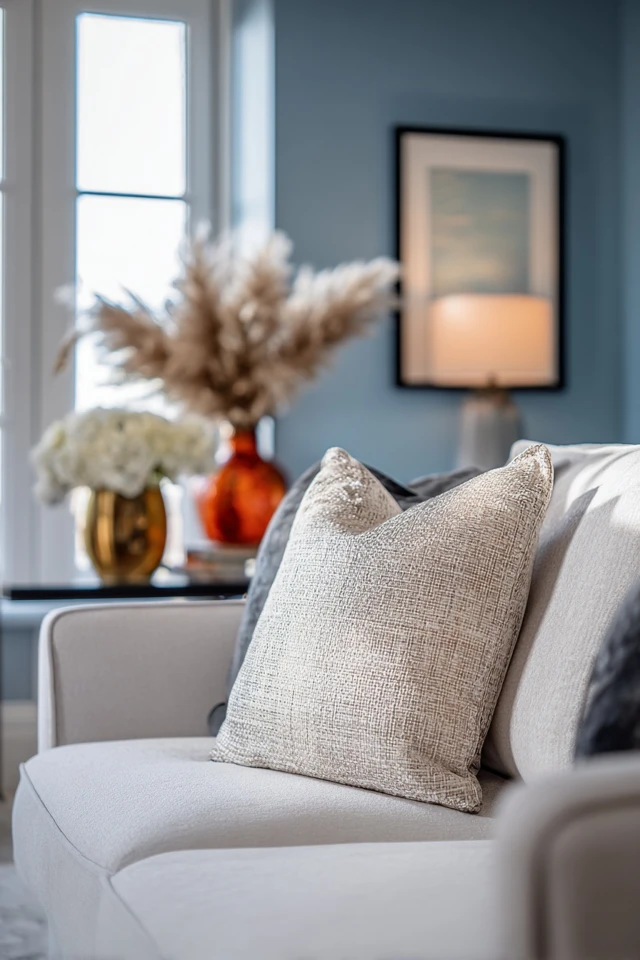
How do you decorate a small Victorian living room?
Many of the small Victorian living room ideas that work come down to scale and sightlines.
- Choose a compact sofa with exposed legs so you can see the floor beneath it.
- Use armless or slim-armed chairs instead of bulky recliners.
- Hang a mirror opposite a window to double the daylight.
- Go vertical: tall shelves and drapes hung close to the ceiling make the room feel taller.
- Pick one ornate feature, not five.
A small room can still take a dark wall color. Painting walls, trim and ceiling in related deep tones removes the visual breaks and often makes the room feel snug and deliberate instead of cramped.
Lighting, metals and focal points
Use three layers of light: ceiling or chandelier light for general use, lamps for reading, and small accent lights for shelves or art. Put the lamps on dimmers if you can, so one room can handle a movie night and a dinner party.
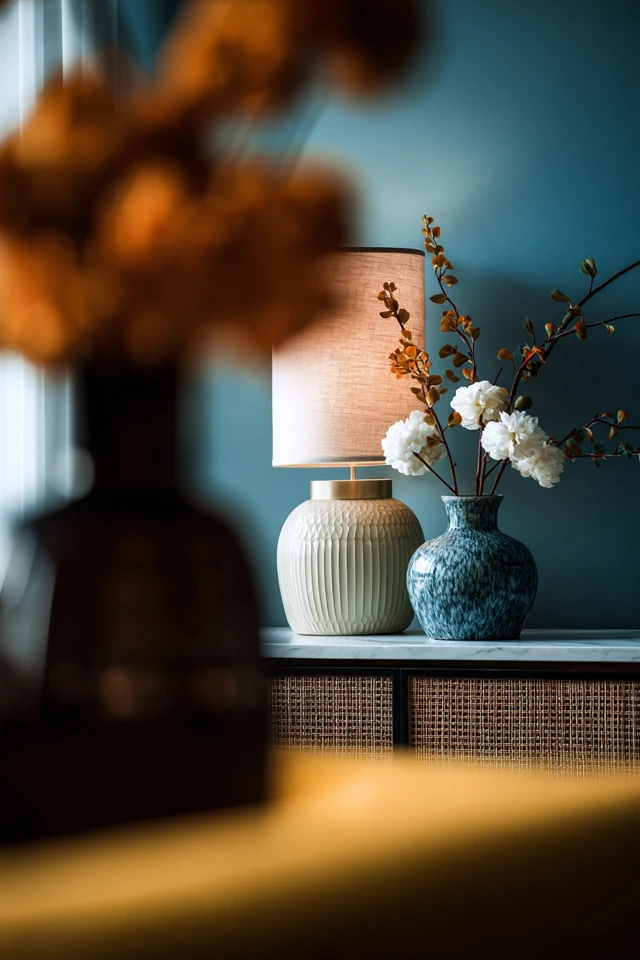
Brass, bronze and gold finishes suit the period. Repeat the metal in at least three places, such as a lamp base, picture frames and cabinet hardware, so it reads as a decision and not a coincidence. A statement mirror over the mantel or sofa adds the ornate note without taking floor space.
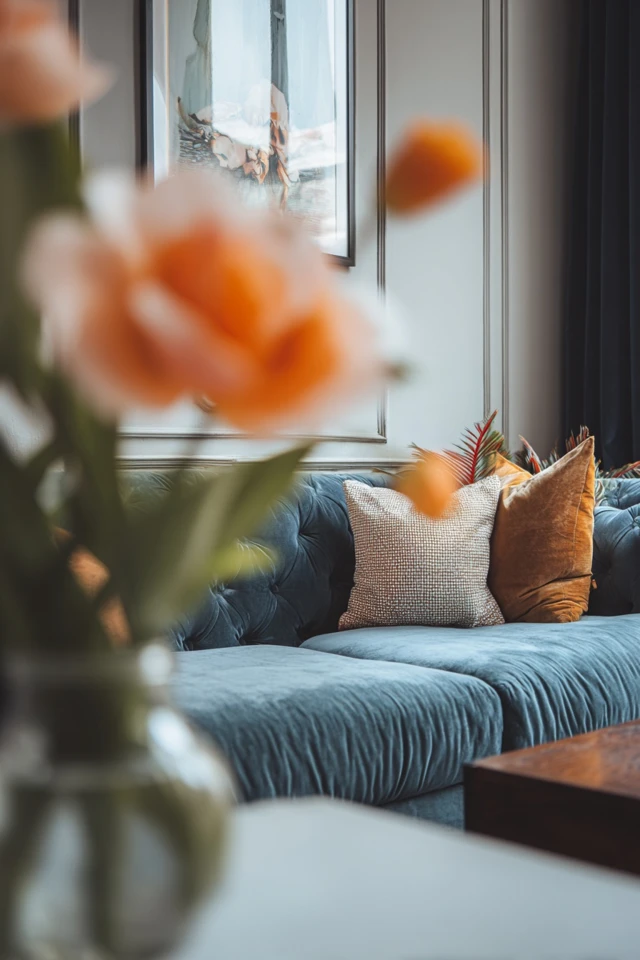
How do you mix Victorian and modern styles?
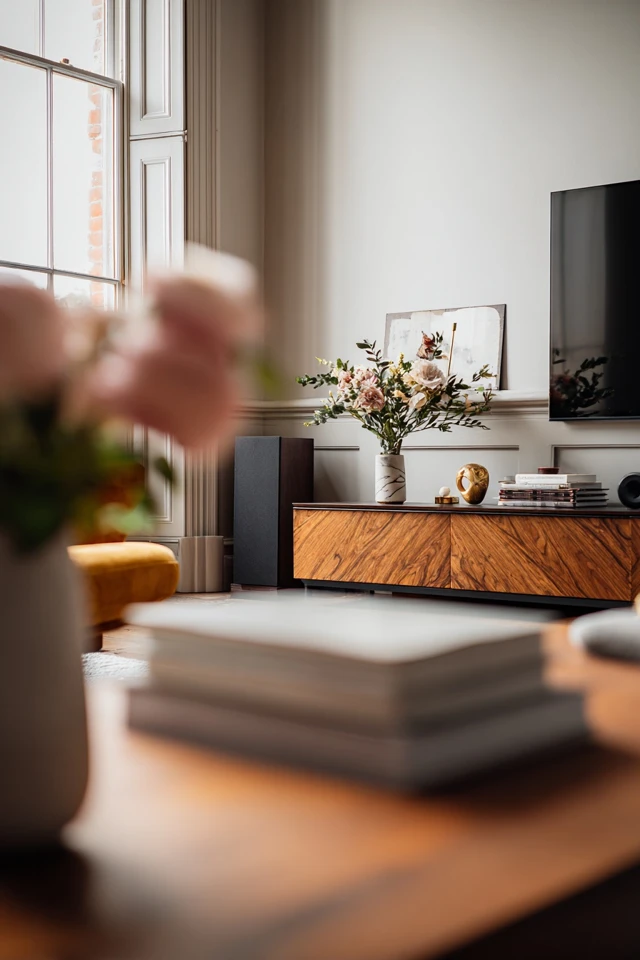
Pick what carries the period (molding, fireplace, one antique or reproduction piece, a deep wall color) and make everything else simple. Plain linen curtains, a low modern sofa and a geometric rug all sit comfortably in a Victorian shell.
The same logic works in other rooms. If you're planning the rest of the house, the Victorian kitchen ideas follow the same edit-and-repeat approach. For more variations on this room, see modern Victorian living room inspiration for every space and the beginner-friendly Victorian makeover ideas. If you like pattern and collected pieces, eclectic living room ideas are a close cousin.
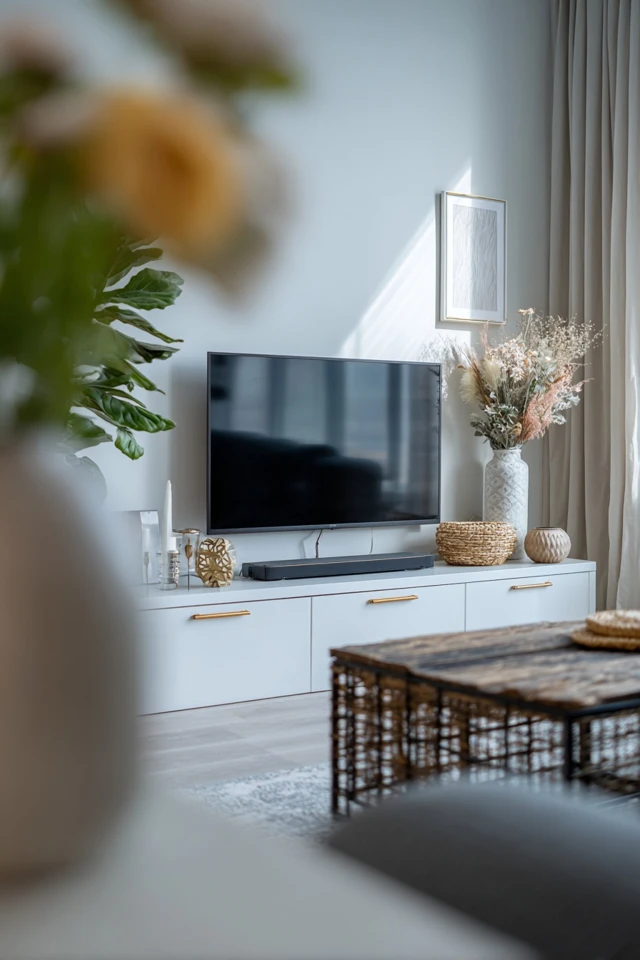
As an architect, I'd spend the budget on paint, lighting and one good seating piece before buying any decorative extras. Those three decide how the room feels, and you can add the smaller ornament slowly.
Frequently asked questions
What are some good ideas for a Victorian living room layout?
Center the seating around a focal point such as a fireplace, and pull sofas and chairs away from the walls to form a conversation circle. Keep about 30-36 inches clear for walkways and anchor the group with a rug.
What are the best colors to paint a Victorian living room?
Deep navy, charcoal, forest green and oxblood suit the period, while cream and warm gray give a lighter modern take. Use pale trim to show off moldings.
What is the 3-5-7 rule in decorating?
It is a styling guideline that groups decorative objects in odd numbers, usually three, five or seven, because uneven groupings tend to look more natural. It is a rule of thumb, not a requirement.
Filed under
ArticlesMeet the author
Written by an architect.
Julio Arco is a passionate architect with years of experience in architecture, interior design, urban design, and housing. He studied at prestigious universities across North America and Europe.

- Name
- Julio Arco
- Job
- Architect and online interior designer
- Studied
- Architecture, ITESM · Urban Design and Housing, McGill
- Partner
- Thor, Australian Shepherd
- Thor’s title
- Head of quality control